Strength & Conditioning Equipment: Key Buying Insights

Kpeakfit, full-chain manufacturer with 10+ years & 90,000㎡ workshop.

Exhibit at IWF Shenzhen(H4A10) & WFF Shaoxing for global buyers.

Certified fitness gear, one-stop service for worldwide partners.

application/strength--and--conditioning-equipment, application/strength--and--conditioning-equipment, 
Inquiry
Inquiry

strength & conditioning equipment

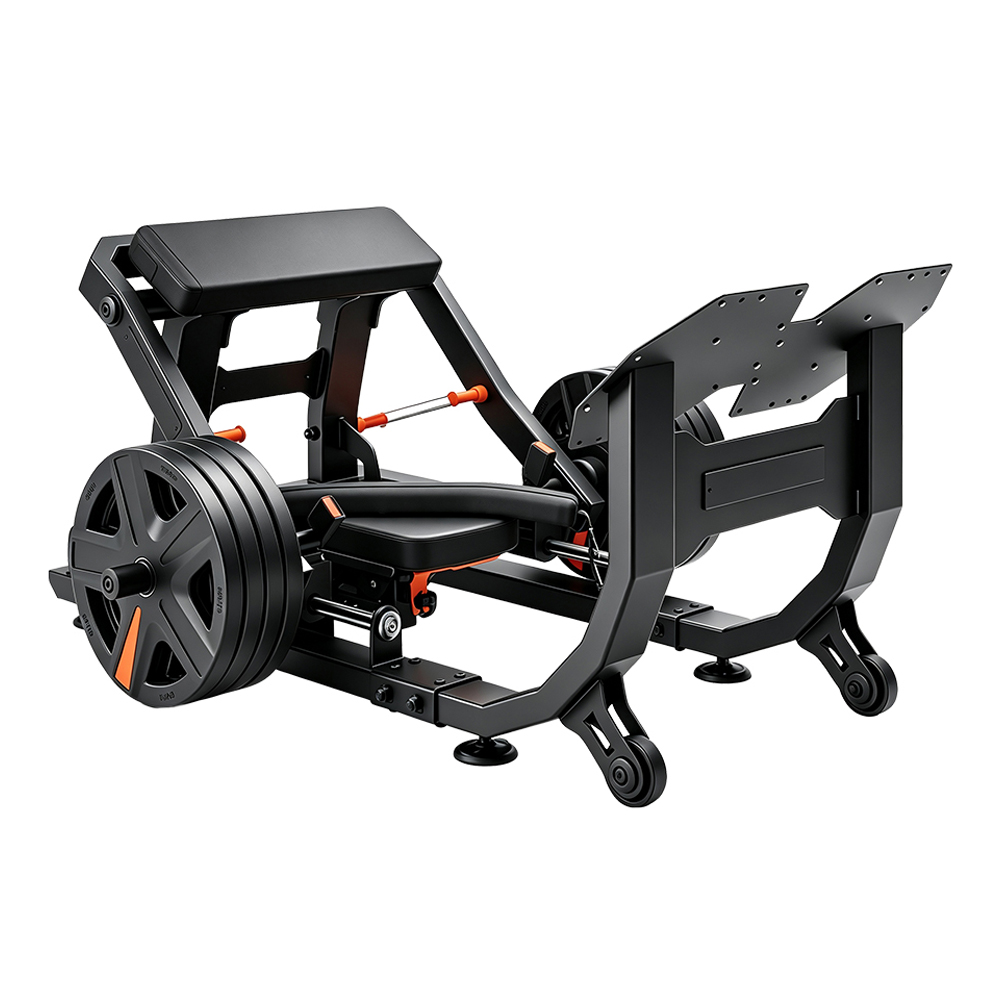
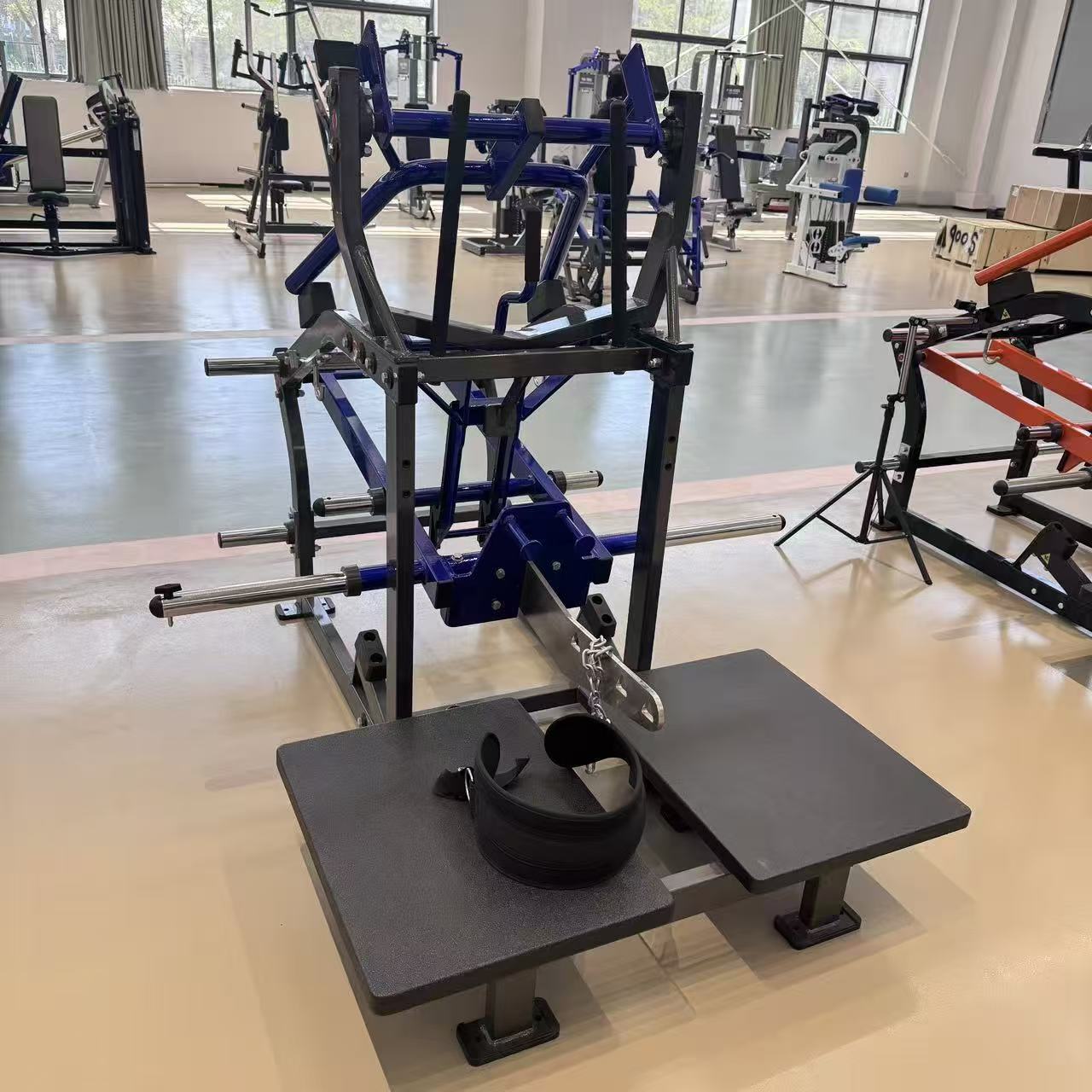
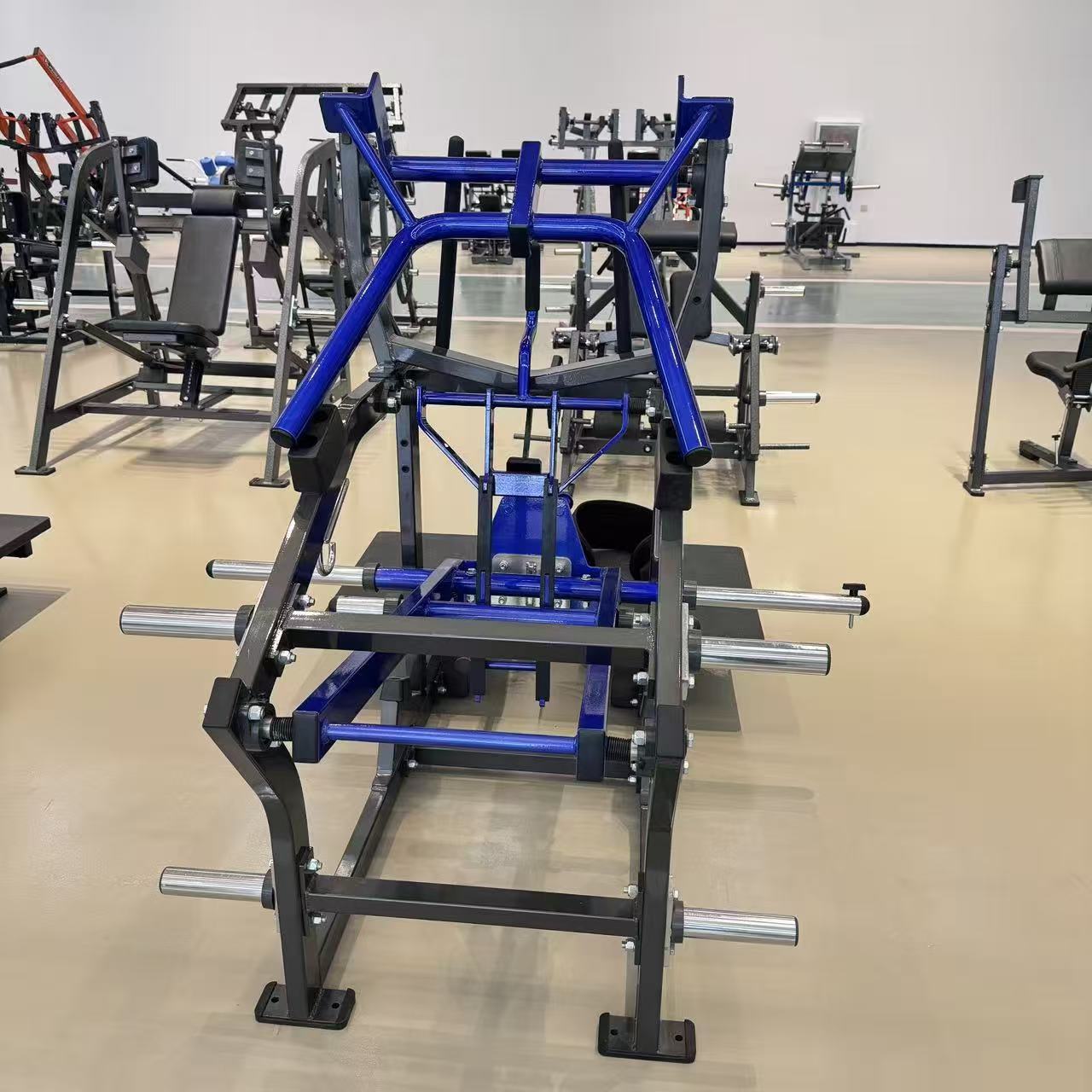
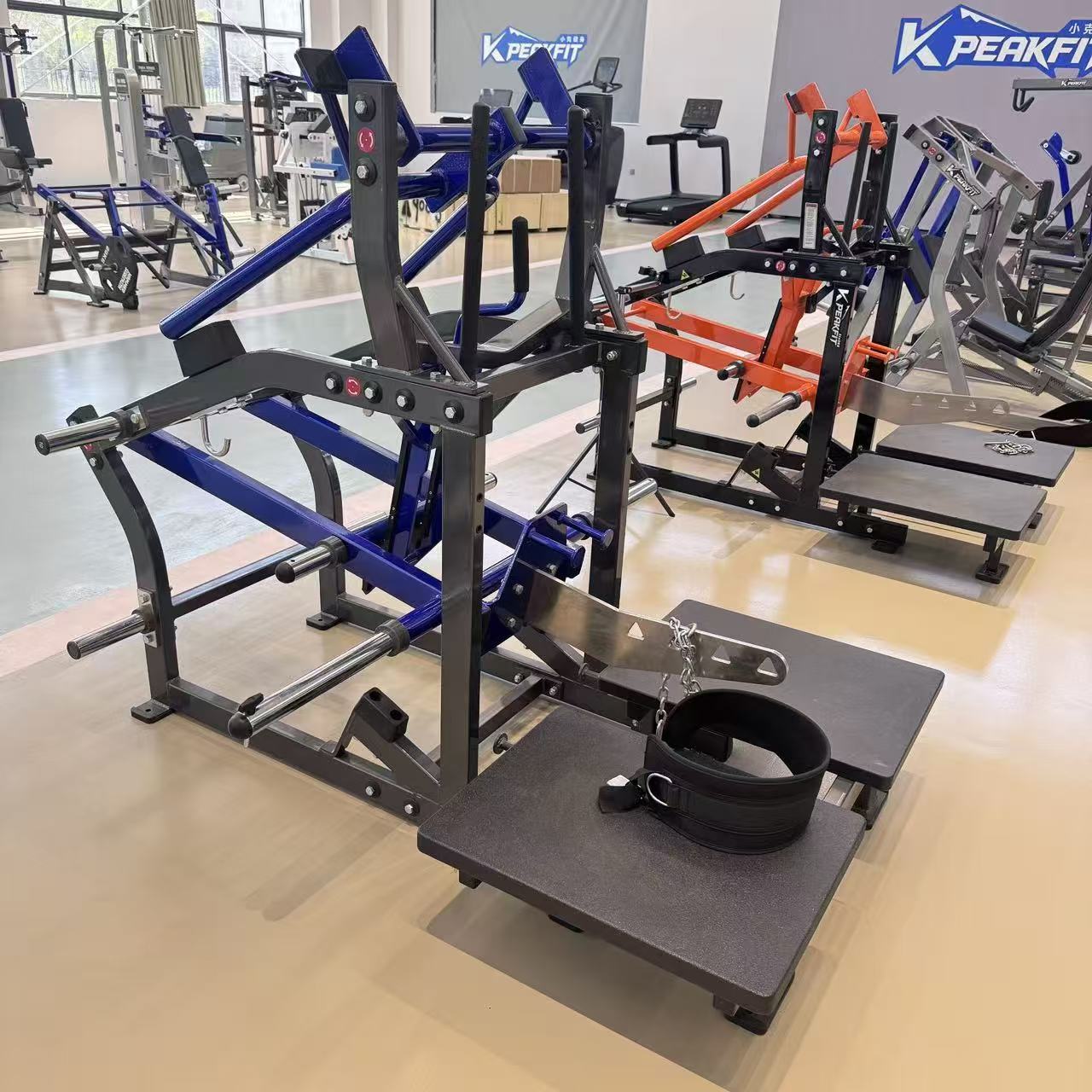
Strength & conditioning equipment is essential for enhancing athletic performance and overall fitness. When purchasing such equipment, B2B buyers—including purchasing managers, fitness facility operators, and distributors—often face concerns regarding product specifications, installation challenges, and cost factors. This article will provide insights into key specifications, common installation challenges, cost considerations, applications across various industries, and the advantages of direct sourcing of strength & conditioning equipment, helping buyers make informed decisions.

Common Installation Challenges for Strength & Conditioning Equipmen

Common Installation Challenges for Strength & Conditioning Equipmen

While installing strength & conditioning equipment may seem straightforward, several challenges can arise that require careful planning:

Space Constraints: Facilities often have limited space, which can complicate the installation process. It's essential for buyers to accurately measure the installation area and account for the equipment's dimensions, including any necessary clearance for safe usage.

Flooring Compatibility: The type of flooring in the installation area can affect both safety and equipment performance. For example, heavy equipment may require reinforced flooring to prevent damage, while rubber flooring can enhance safety by reducing slips. Buyers should discuss flooring requirements with suppliers to ensure compatibility.

Electrical and Connectivity Needs: Many modern strength & conditioning machines require electrical connections for features like digital displays or resistance mechanisms. Installing equipment may necessitate additional electrical work, which can increase costs and lead times.

Assembly Complexity: Some equipment may require professional assembly, particularly those with intricate components. Buyers should inquire about assembly services or detailed instructions to ensure proper setup and safety.

Understanding Cost Factors in Strength & Conditioning Equipment Purchases

Understanding Cost Factors in Strength & Conditioning Equipment Purchases

The cost of strength & conditioning equipment can vary significantly based on several factors:

Quality and Brand Reputation: High-quality equipment from reputable manufacturers may have a higher upfront cost but can offer better durability and performance over time. It’s advisable for buyers to evaluate the total cost of ownership, which includes maintenance and replacement costs.

Customization Features: Customized equipment can incur additional costs. Buyers should clearly define their needs and budget for any enhancements that may be necessary for their specific applications.

Shipping and Handling: Depending on the size and weight of the equipment, shipping costs can be substantial. Buyers should consider logistics, including potential import tariffs for international purchases.

Maintenance and Warranty: Understanding the warranty terms and maintenance requirements can influence long-term costs. Equipment that requires frequent servicing may lead to higher overall expenditures.

Bulk Pricing: Purchasing in bulk can often lead to discounts. Buyers who manage multiple facilities or larger client bases should explore bulk purchasing options to optimize costs.

Applications of Strength & Conditioning Equipment in Various Industries

Applications of Strength & Conditioning Equipment in Various Industries

Strength & conditioning equipment serves a diverse range of applications across several industries:

Commercial Gyms and Fitness Centers: These facilities utilize a wide variety of equipment to cater to different fitness goals, from weightlifting to aerobic training. Equipment like resistance machines, free weights, and functional trainers are fundamental offerings.

Sports Teams and Athletic Programs: Professional and collegiate sports teams utilize specialized equipment to enhance athlete performance. This includes power racks, Olympic lifting platforms, and conditioning tools tailored for specific sports.

Rehabilitation Centers: In rehabilitation settings, strength & conditioning equipment is adapted to support recovery and physical therapy. Equipment may need to be user-friendly, allowing for gradual progression in strength training.

Corporate Wellness Programs: Many organizations are investing in in-house fitness solutions to promote employee wellness. Equipment in these settings often emphasizes versatility and ease of use to accommodate varying fitness levels.

Education Institutions: Schools and universities include strength & conditioning equipment in their physical education programs to promote health and fitness among students.

The Advantages of Sourcing Strength & Conditioning Equipment Directly

Sourcing strength & conditioning equipment directly from manufacturers like XiaoKe Fitness Technology Co., Ltd. can offer several advantages:

Cost Efficiency: Direct sourcing can eliminate middlemen, reducing overall costs. This is particularly beneficial for bulk purchases, where discounts are more readily available.

Customization and Flexibility: Working directly with manufacturers often allows for greater customization options, enabling buyers to tailor equipment to meet specific demands and preferences.

Quality Assurance: By sourcing directly, buyers can gain insights into the manufacturing process, quality control measures, and testing protocols. This transparency can help ensure that the equipment meets the required standards.

Faster Communication and Support: Direct relationships with manufacturers facilitate quicker response times for inquiries, support, and potential issues that may arise during installation or use.

Long-term Partnerships: Establishing a direct partnership with manufacturers can lead to ongoing support, including access to new products, training, and updates on industry trends.

Understanding the specifications, challenges, and cost factors associated with strength & conditioning equipment is crucial for B2B buyers. By sourcing directly from reputable manufacturers, buyers can enhance their purchasing decisions, ensuring they meet the needs of their businesses and clients effectively.

Key Specifications to Consider When Buying Fitness Equipmen

When selecting strength & conditioning equipment, several key specifications should be evaluated to ensure suitability for the intended application. These specifications include:

Material Quality: The durability and performance of fitness equipment largely depend on the materials used. Common materials include steel, which offers strength and longevity, and rubber for flooring or grips, which provides traction and safety. Buyers should assess the material's resistance to wear and tear, as well as its ability to withstand environmental conditions.

Dimensions and Weight Capacity: Each piece of equipment should be matched to the space available and the weight limits of users. The dimensions will influence the equipment's footprint within a facility, while weight capacity must accommodate the target user base. For instance, equipment designed for heavy lifting should have reinforced frames and components.

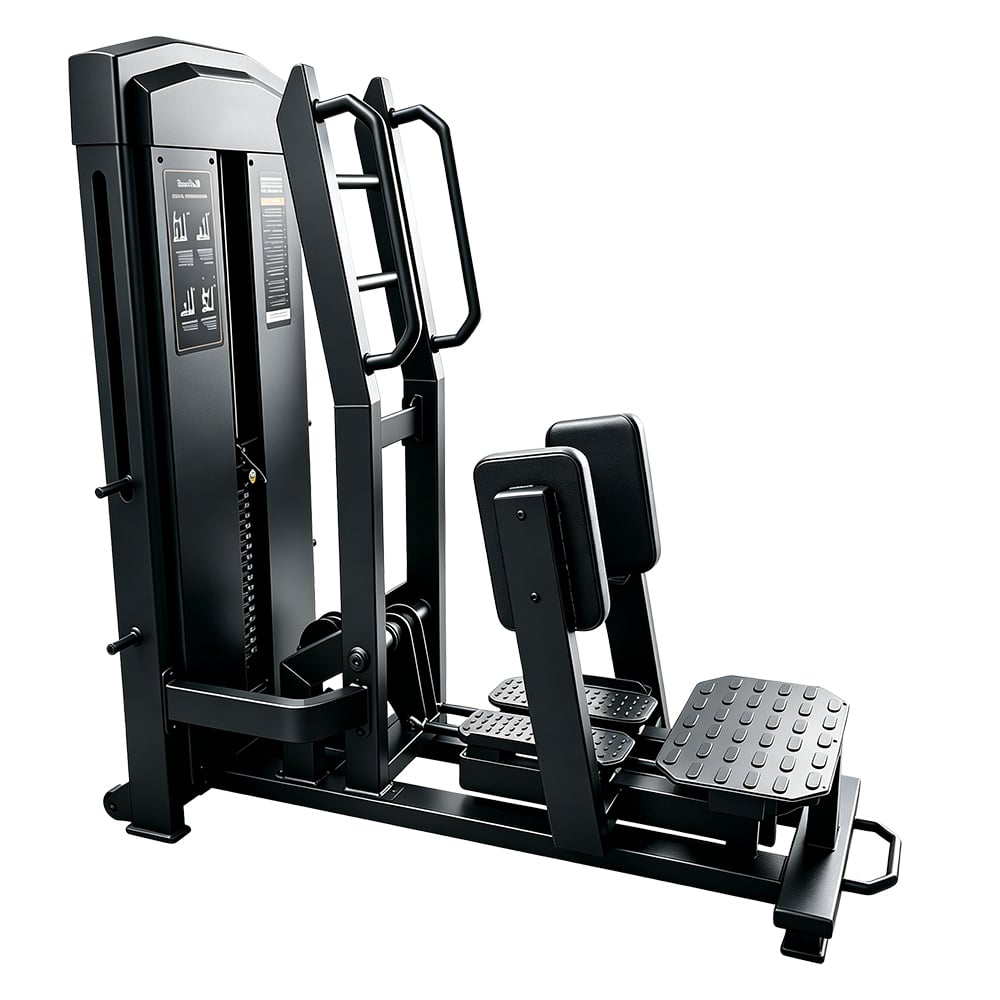
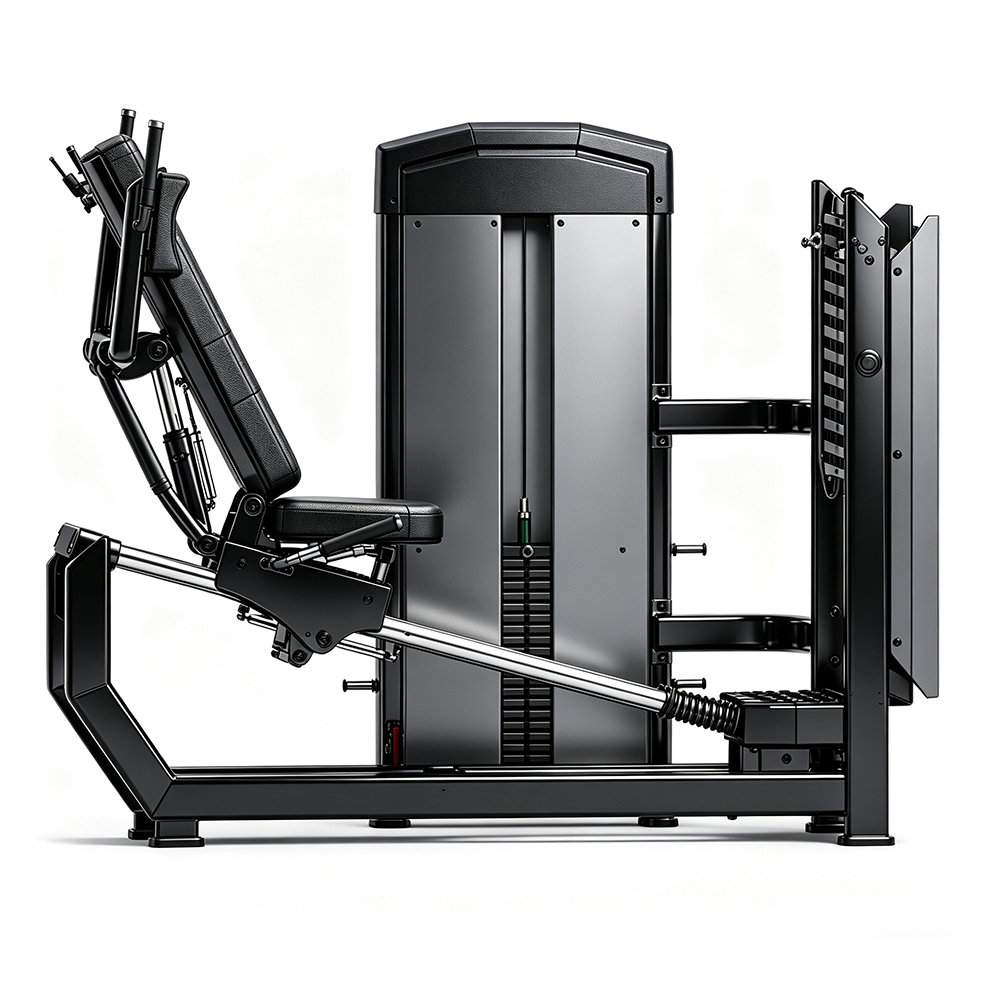
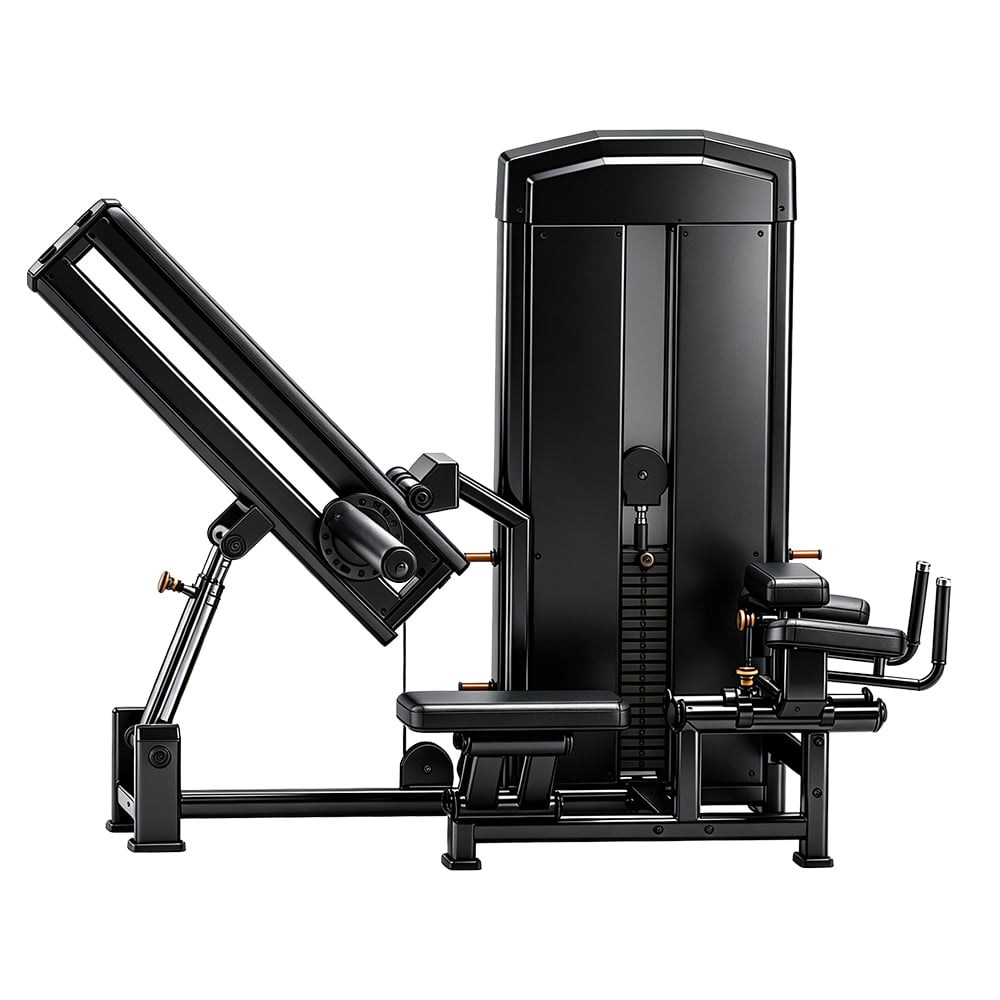
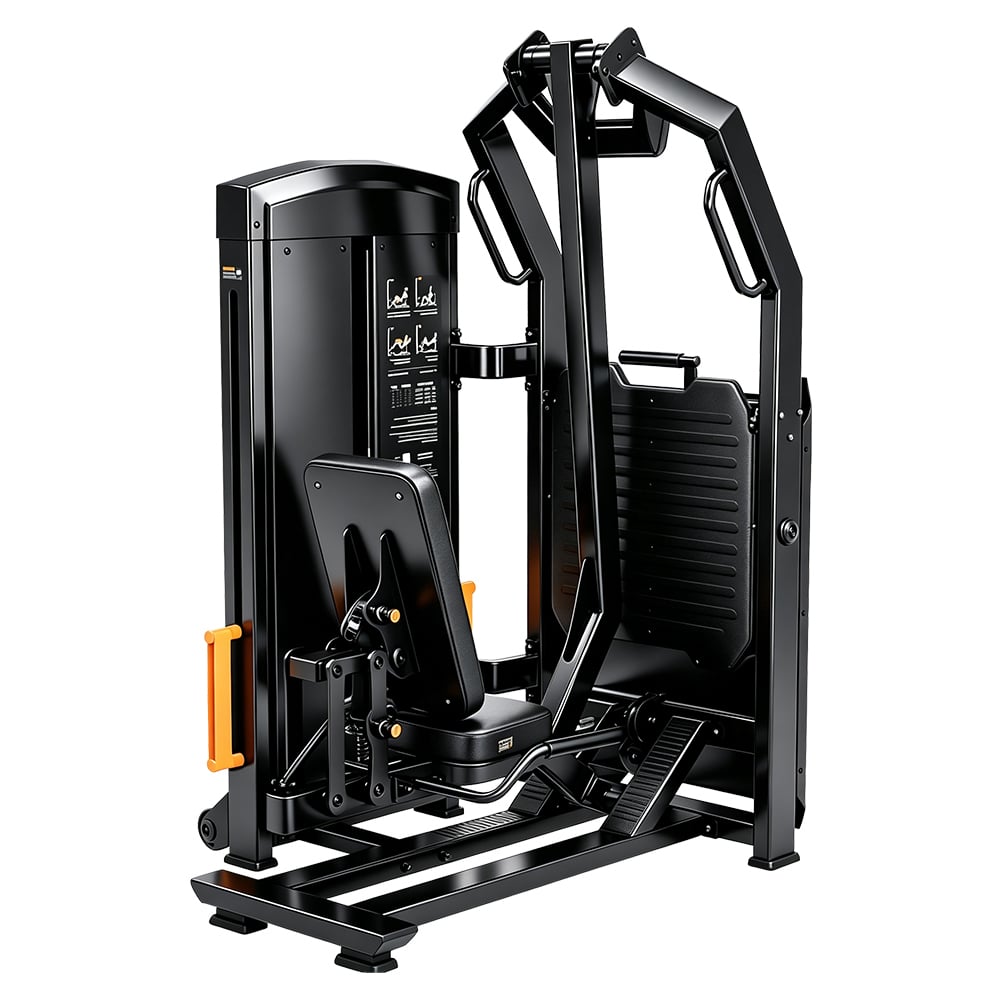
Performance Features: Features such as adjustable resistance settings, programmable workouts, and built-in tracking systems can enhance the user experience. Buyers should consider how these features align with the intended use—whether for personal training, rehabilitation, or athletic training. Equipment from our Series Strength Equipment offers a variety of performance features tailored for different training needs.

Safety Certifications: Ensuring that equipment meets relevant safety standards (e.g., ISO, CE) is crucial. This not only protects users but also reduces liability for the facility. Buyers should verify that manufacturers provide documentation proving compliance with these standards.

Customization Options: Many manufacturers, including XiaoKe Fitness Technology Co., Ltd., offer customization to meet specific needs. This could involve color choices, branding options, or tailored features. Understanding the extent of customization available can help buyers ensure the equipment aligns with their brand and user requirements. The Multifunctional Equipment available can be customized to suit various fitness environments.

Frequently Asked Questions

What types of strength & conditioning equipment do you offer?

We provide free weights, barbells, racks, functional trainers, cable machines, benches, plyo boxes, and conditioning accessories designed for commercial and home use.
Yes. Our 90,000 m² facility and automated production ensure high-precision manufacturing and consistent quality for global commercial installations.
Yes. We offer design, RD collaboration, and OEM/ODM customization for dimensions, colors, branding, and functional features to meet client specifications.
Advanced automated lines, precision machining, and multi-stage inspections throughout production ensure durability, safety, and consistent performance across batches.
Lead times vary by order size; standard production runs take weeks. We assist with export packaging, documentation, and logistics coordination for global delivery.

Get a Free Quote

Our representative will contact you soon.
0/1000