Evaluating Functional Strength Training Equipment

Kpeakfit, full-chain manufacturer with 10+ years & 90,000㎡ workshop.

Exhibit at IWF Shenzhen(H4A10) & WFF Shaoxing for global buyers.

Certified fitness gear, one-stop service for worldwide partners.

application/functional-strength-training-equipment, application/functional-strength-training-equipment, 
Inquiry
Inquiry

functional strength training equipment

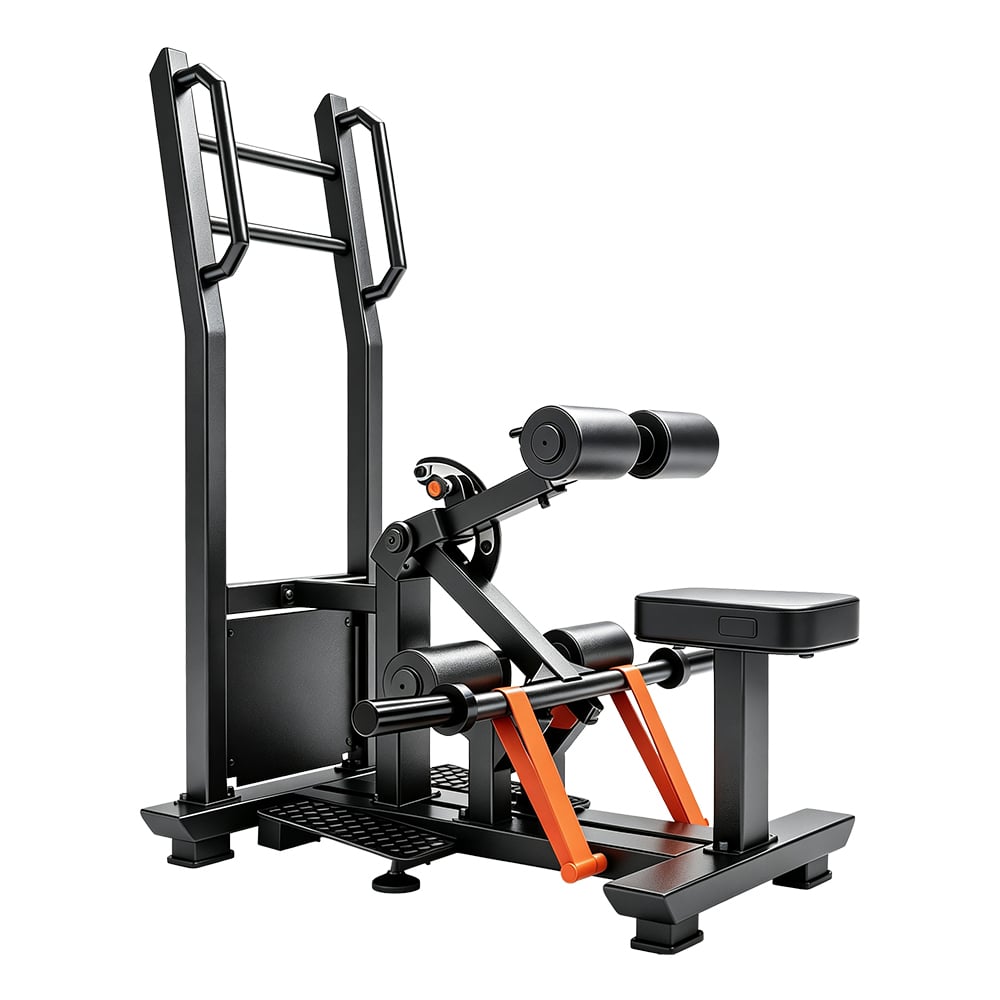
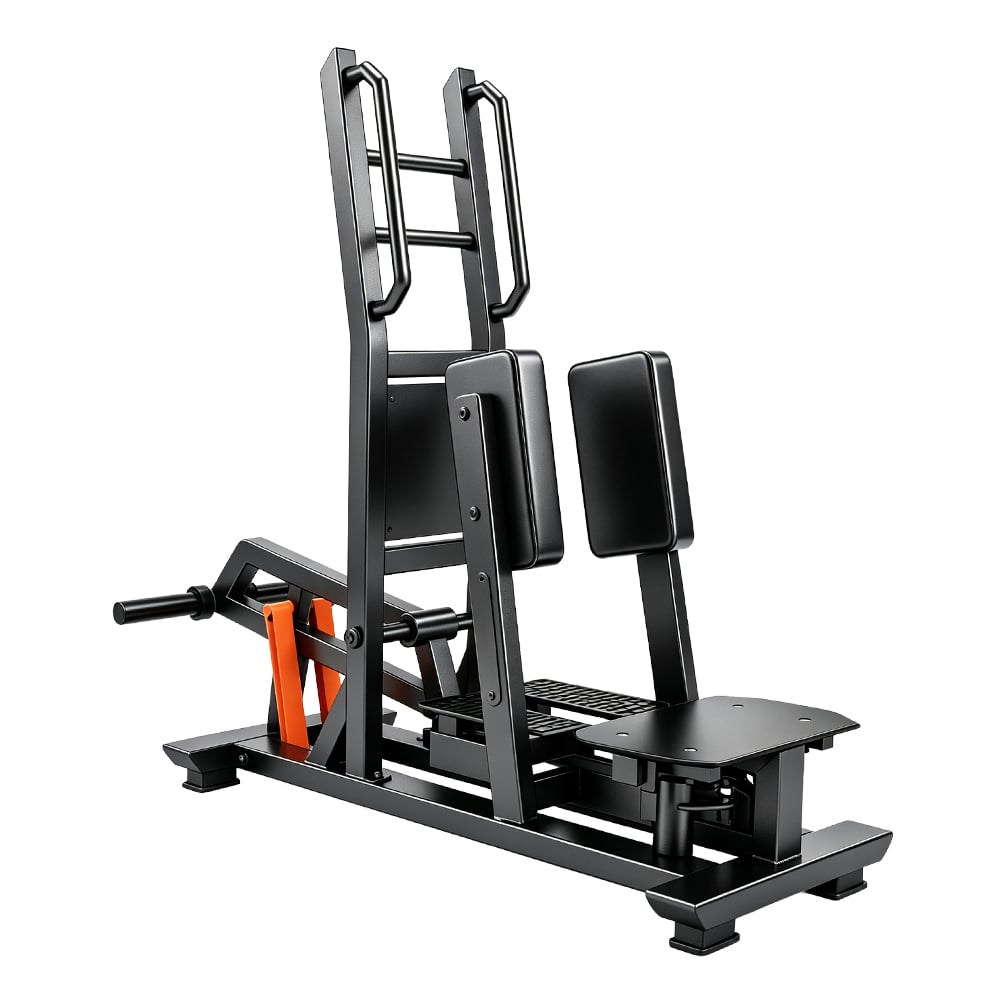
Functional strength training equipment plays a critical role in enhancing physical performance by focusing on exercises that mimic real-life movements. For B2B buyers, such as purchasing managers and fitness center operators, understanding the intricacies of this equipment is essential for making informed decisions. Key concerns typically revolve around product specifications, supplier reliability, cost factors, and potential issues that may arise during usage. This article aims to provide insights into evaluating functional strength training equipment, sourcing suppliers, and addressing common challenges in commercial settings.

Where to Find Reliable Suppliers of Functional Strength Training Equipment

Where to Find Reliable Suppliers of Functional Strength Training Equipment

Identifying trustworthy suppliers is vital for securing high-quality functional strength training equipment. Here are strategies to locate reputable sources:

Industry Trade Shows and Expos: Attending fitness equipment expos allows buyers to see products firsthand, interact with manufacturers, and assess their credibility. This environment fosters direct communication and the opportunity to ask specific questions about products.

Online Marketplaces and Directories: Websites that specialize in B2B transactions often have supplier ratings and reviews. Look for platforms that provide verified reviews to gauge supplier reliability.

Networking in Fitness Communities: Engaging with industry professionals through forums or social media groups can lead to valuable recommendations for suppliers. Experienced peers can share insights about their purchasing experiences and the quality of equipment received.

Manufacturer Background Checks: Once potential suppliers are identified, conduct thorough background checks. Assess their experience, manufacturing capabilities, and customer service responsiveness. A supplier with a proven history in the fitness industry is more likely to provide reliable products.

Cost Factors to Consider When Purchasing Functional Strength Training Equipment

Cost Factors to Consider When Purchasing Functional Strength Training Equipment

Pricing for functional strength training equipment can vary widely based on several factors. Understanding these can help buyers make cost-effective decisions:

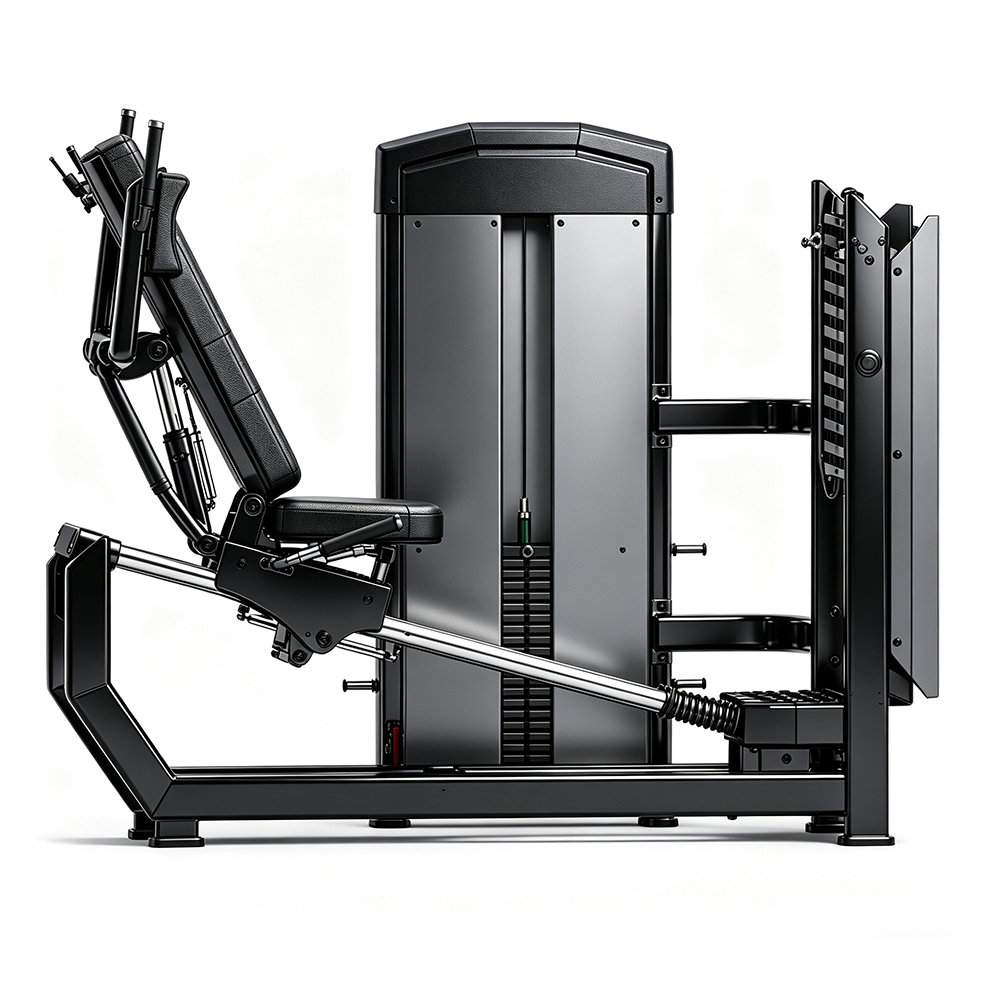
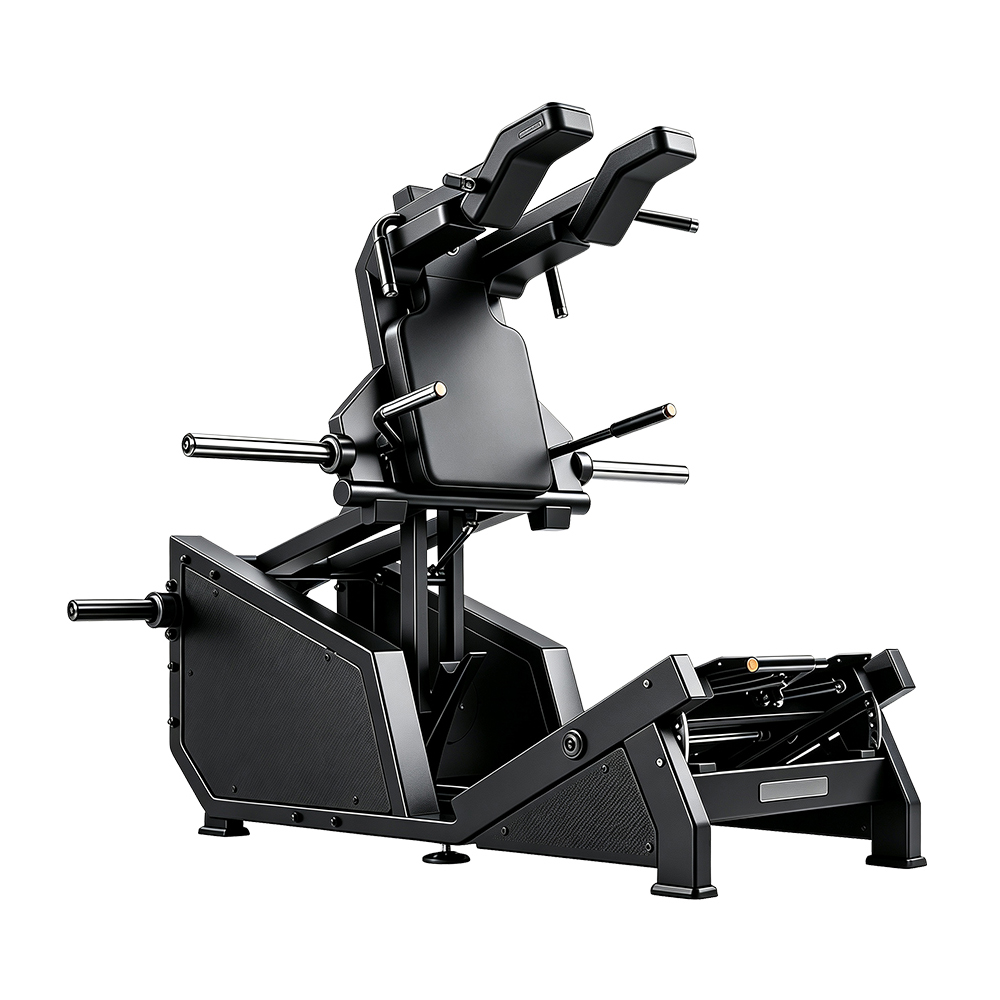
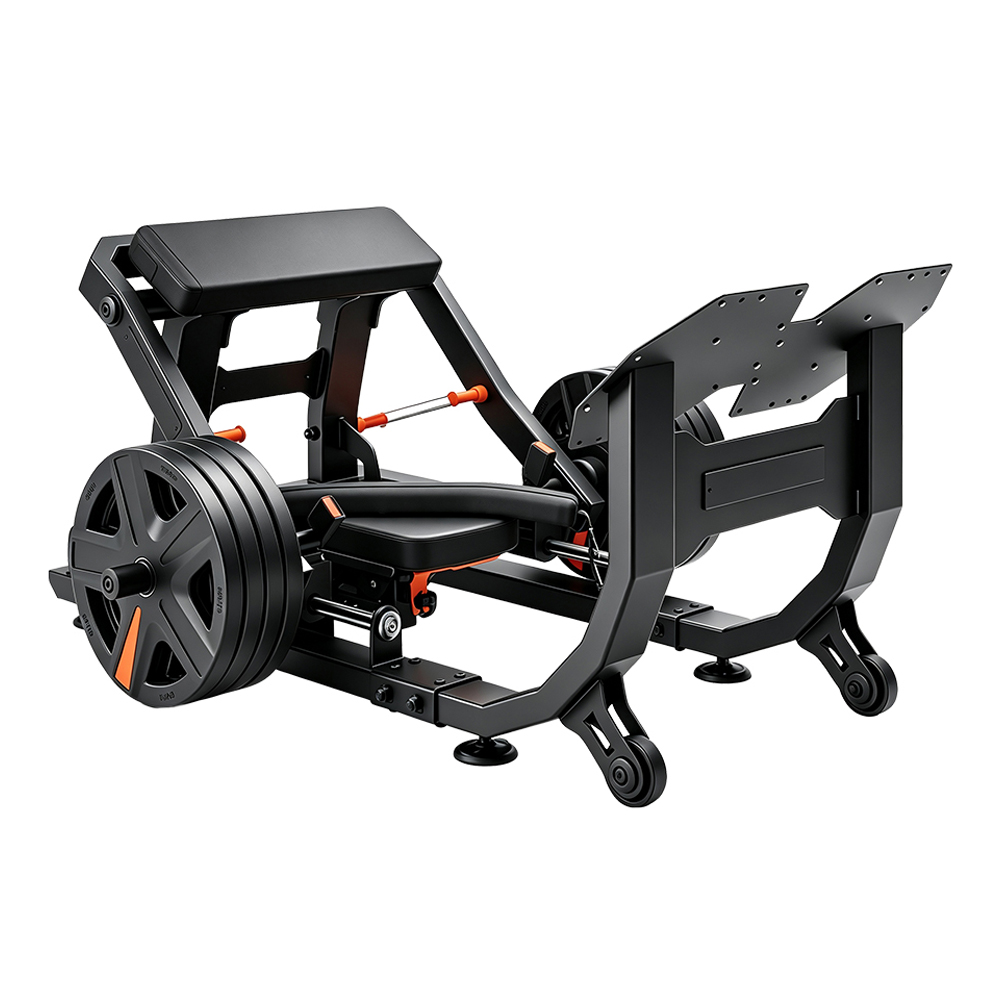
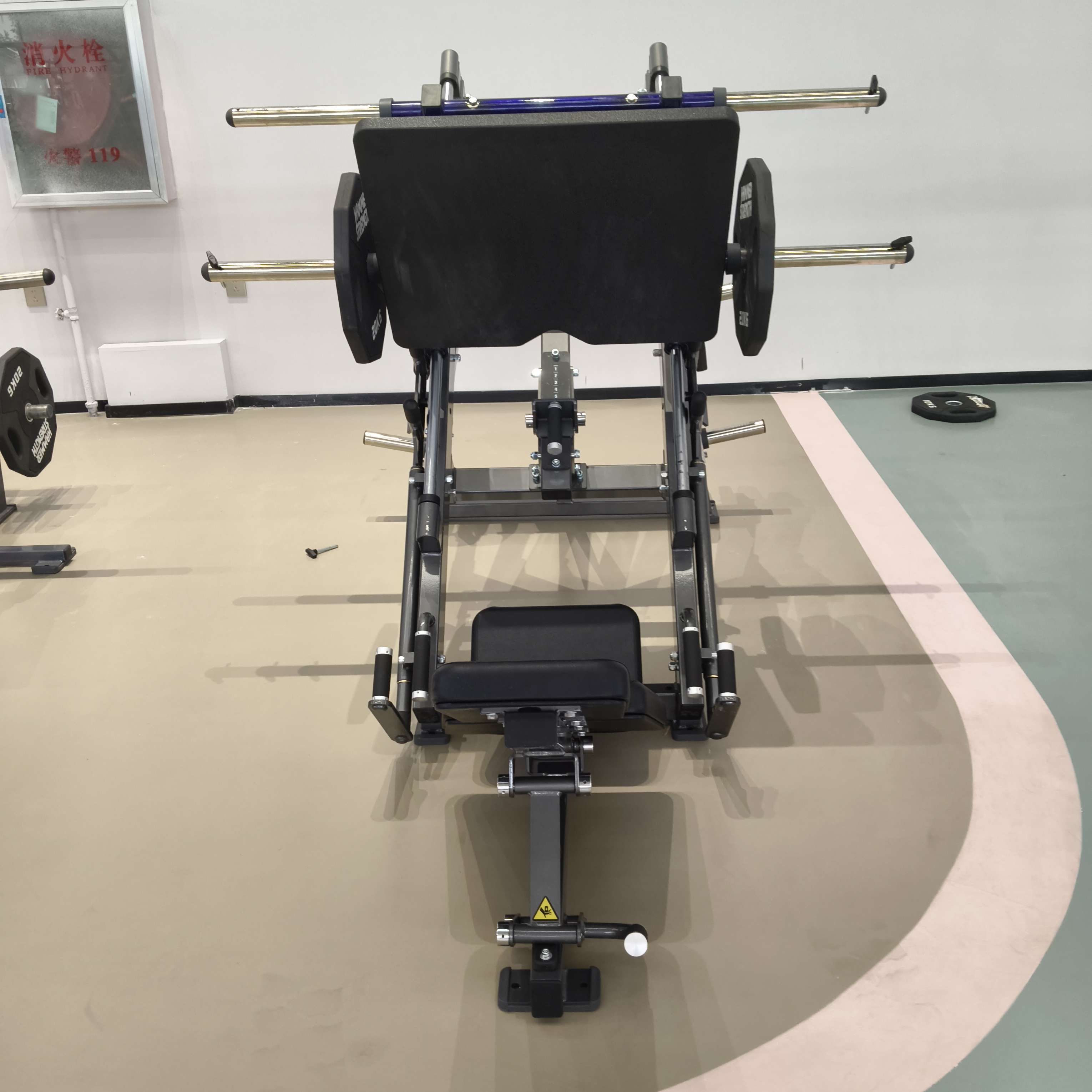
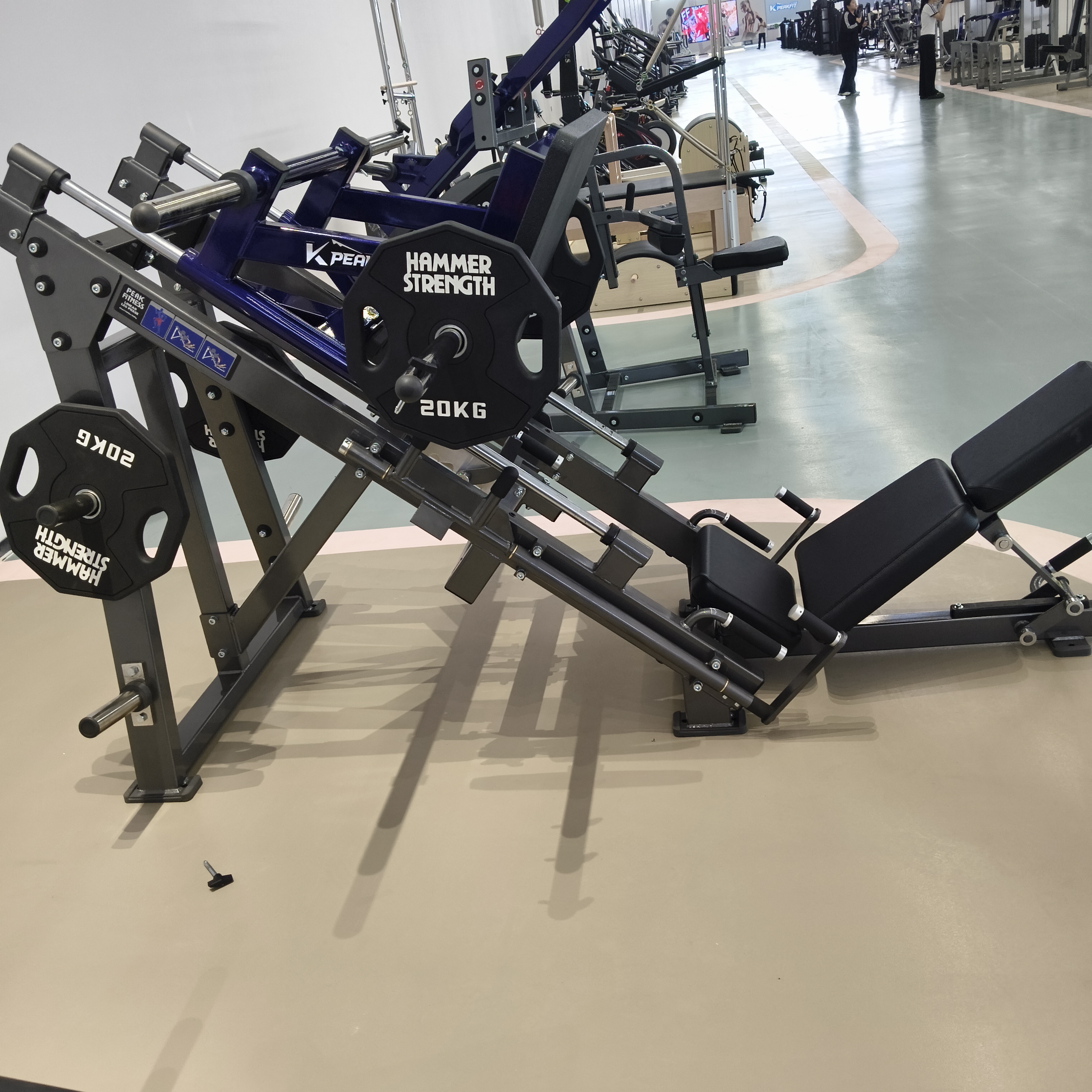
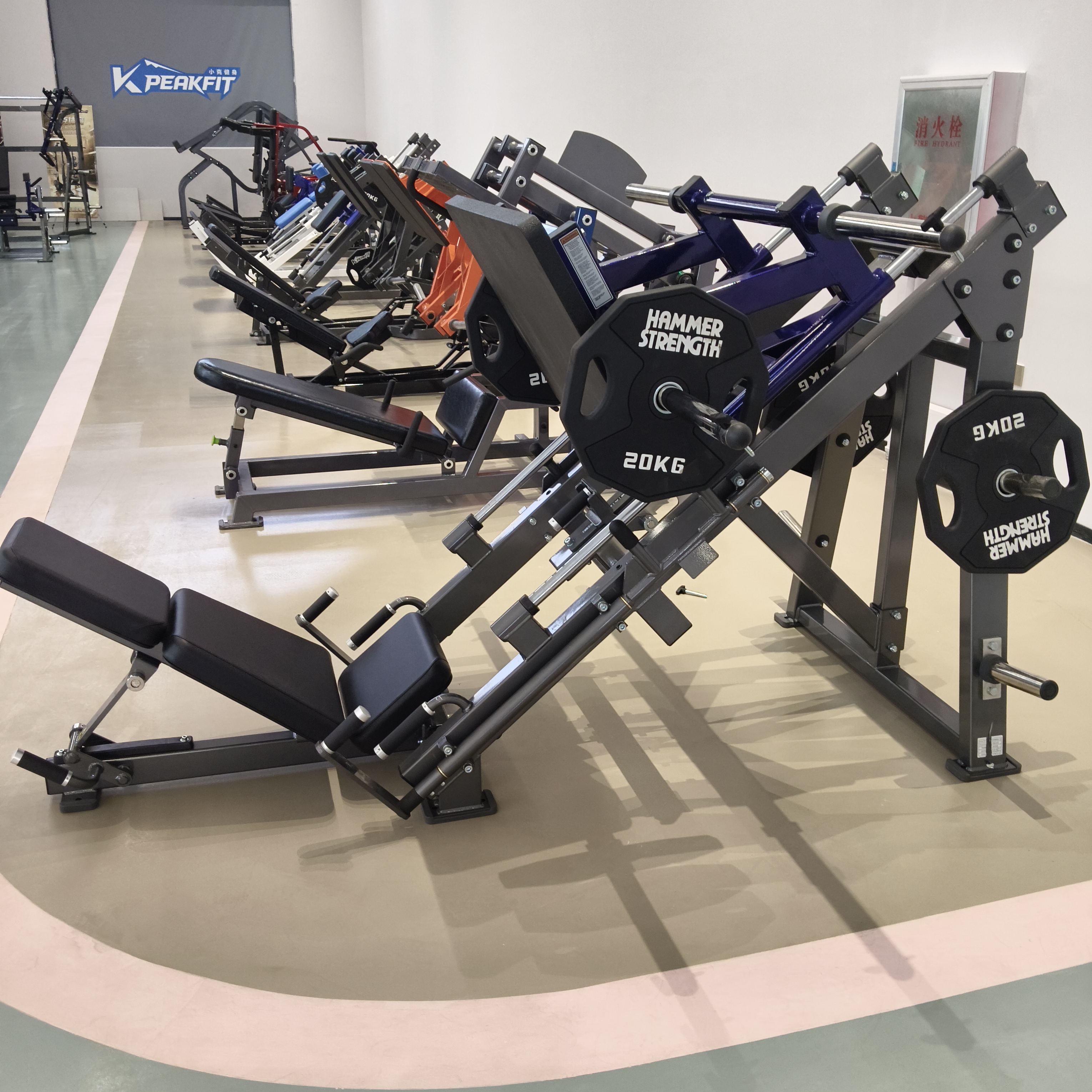
Material and Construction: The choice of materials directly impacts the cost. Premium materials may increase initial expenses but offer greater durability and lower long-term maintenance costs. For example, investing in the BM1015 Leg Press Machine can be beneficial in the long run.

Customization Options: Customized equipment can cater specifically to a facility’s needs but often comes at a premium. Buyers should weigh the benefits of customization against budget constraints.

Order Quantity and MOQ: Many suppliers have minimum order quantities (MOQ). Bulk purchases can lead to significant discounts, so it’s beneficial to discuss potential pricing structures based on order size.

Shipping and Handling: Importing equipment can incur additional costs, including shipping fees and customs duties. Buyers should clarify these charges upfront to avoid unexpected expenses.

Warranty and Service Agreements: Consider the terms of warranty and any service agreements. A longer warranty period may justify a higher price, as it indicates the manufacturer’s confidence in product durability.

Common Problems with Functional Strength Training Equipment and Their Solutions

Common Problems with Functional Strength Training Equipment and Their Solutions

Despite the advancement in fitness equipment technology, users may encounter several common issues. Here are solutions to facilitate smoother operations:

Equipment Malfunctions: Wear and tear can lead to malfunctions. Establish a regular maintenance schedule to inspect equipment for any signs of damage or excessive wear. Prompt repairs can prevent costly replacements.

User Safety: Inadequate user training can result in injuries. Implement comprehensive training programs for users to familiarize them with equipment operation and safety protocols.

Incompatibility with Other Equipment: Sometimes, new equipment may not fit well within existing setups. Before purchasing, buyers should assess the layout of their training space to ensure compatibility and optimal workflow.

Supply Chain Delays: Suppliers may face production or shipping delays. Establish clear communication channels with suppliers to stay updated on order statuses and ensure timely delivery.

Applications of Functional Strength Training Equipment in Commercial Settings

Functional strength training equipment is versatile and serves various applications in commercial environments:

Fitness Centers and Gyms: These facilities utilize functional strength training equipment to offer diverse training programs. Equipment that supports multiple exercises can cater to a broader clientele, enhancing member satisfaction.

Rehabilitation Centers: Functional training is critical in rehabilitation settings to help patients regain strength and mobility. Equipment that allows for gradual progression can aid recovery and improve outcomes.

Corporate Wellness Programs: Companies are increasingly investing in employee wellness. Functional strength training equipment can be integrated into corporate fitness programs to promote health and productivity.

Sports Performance Training: Athletic training facilities use this equipment to enhance performance by simulating sport-specific movements. Equipment tailored for athletes can improve strength, agility, and overall performance.

In summary, understanding the nuances of functional strength training equipment is vital for B2B buyers looking to enhance their offerings. By evaluating specifications, sourcing reliable suppliers, considering cost factors, addressing common issues, and recognizing application contexts, purchasing managers can make informed decisions that benefit their organizations.

Key Specifications to Evaluate in Functional Strength Training Equipment

When assessing functional strength training equipment, several specifications are crucial for ensuring optimal performance and suitability for intended applications.

Material Quality: The material used can significantly influence durability and safety. High-grade steel or aluminum is often preferred for frames due to strength and resistance to corrosion. Buyers should inquire about the tensile strength and finish of materials to ensure long-lasting use.

Weight Capacity: Each piece of equipment has a maximum load it can handle safely. It’s essential to verify that this capacity aligns with the expected user base and training intensity. A mismatch can lead to equipment failure and increased injury risk.

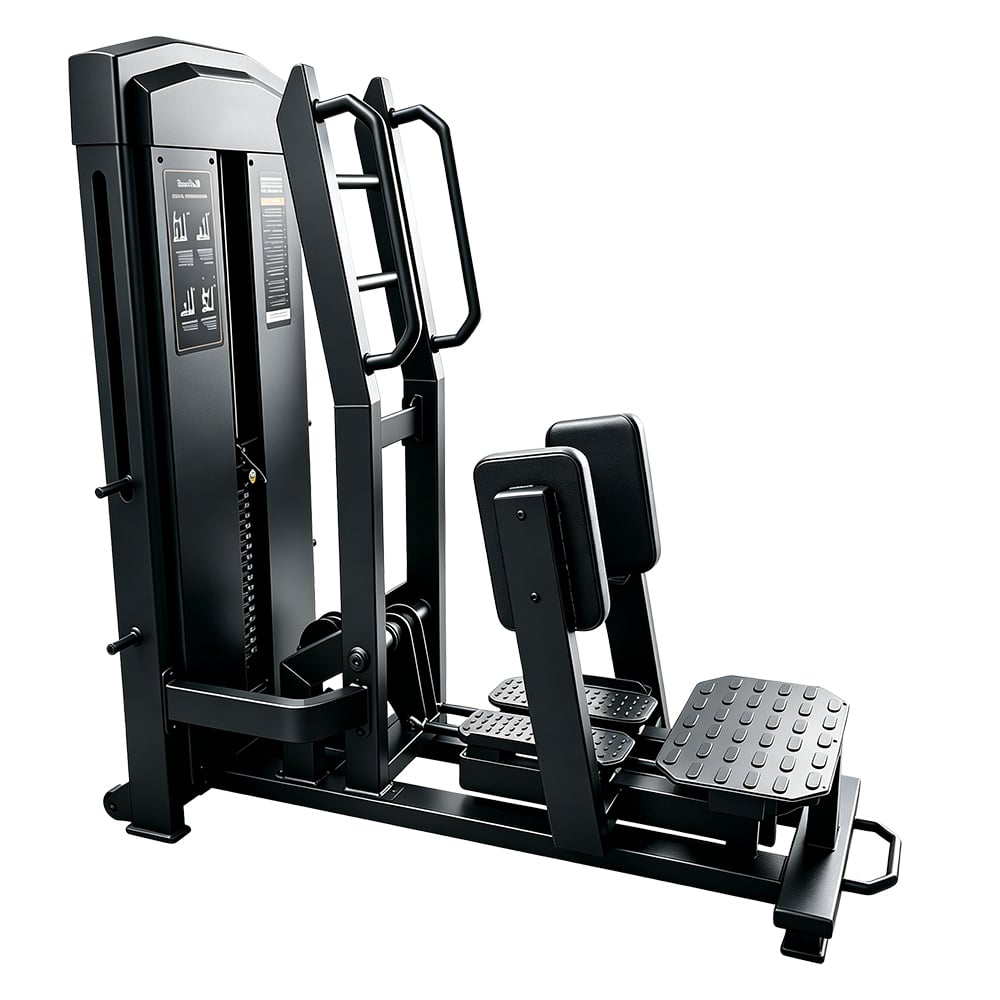
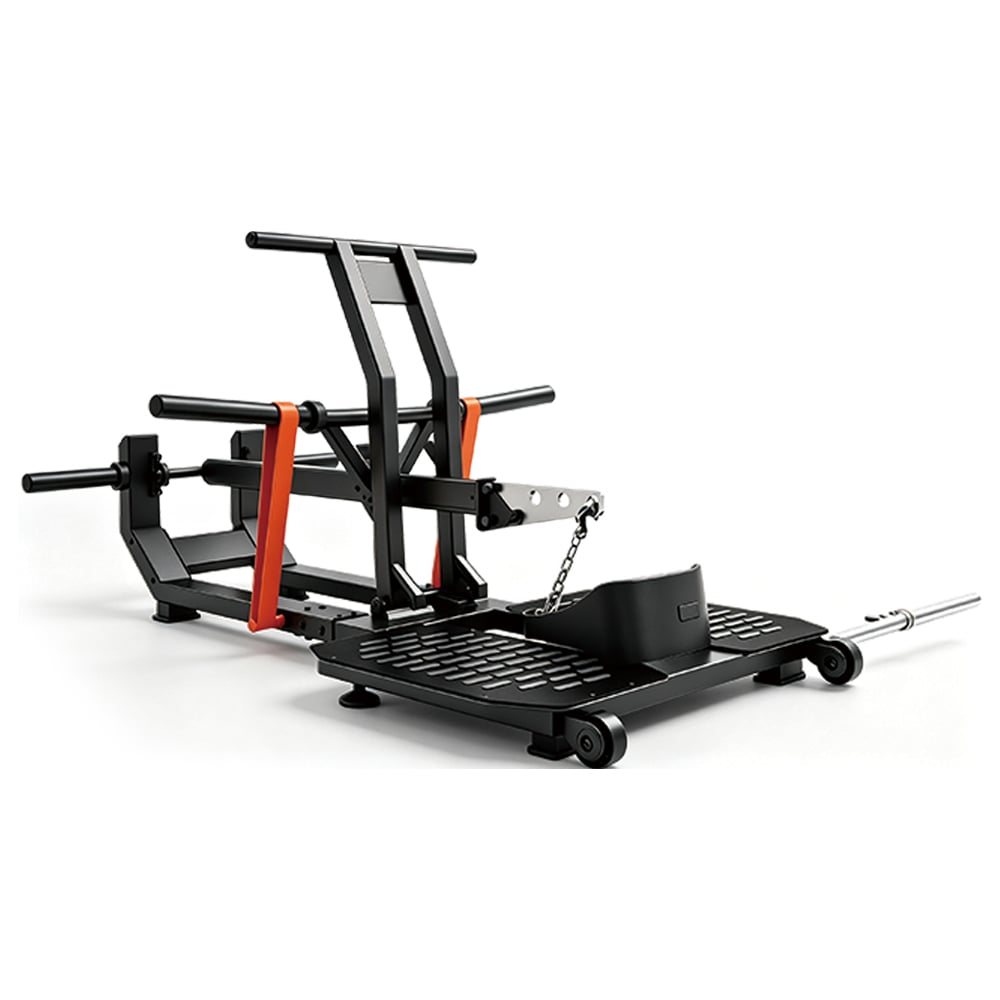
Dimensions and Adjustability: Equipment should accommodate a range of body sizes and training styles. Adjustable components allow for versatility, enabling users to perform various exercises effectively. Buyers should check if the equipment can be customized or configured to meet specific training needs. For instance, the BD1005 Hip Push Trainer offers excellent adjustability for different exercises.

Ergonomics: The design should promote proper body mechanics to reduce the risk of injury. This includes handle placement, padding, and stability features. Ergonomically designed equipment enhances user experience and encourages consistent use.

Certifications and Compliance: Equipment should meet relevant safety and performance standards. Inquire about certifications that ensure the product has undergone rigorous testing, which can be a critical factor in purchasing decisions.

Frequently Asked Questions

What is functional strength training equipment?

Equipment designed for multi-planar, compound movements to improve strength, mobility, and daily performance. Ideal for functional workouts, rehabilitation, and athletic training.
We provide racks, cable systems, rigs, sleds, battle ropes, adjustable benches, and modular functional stations for varied training needs.
Yes. Our 90,000 m² facility and automated lines ensure high-precision manufacturing and stable quality for commercial and high-usage environments.
We use high-strength steel, durable coatings, reinforced welds, and premium hardware to ensure longevity, stability, and safe performance under heavy loads.
Yes. We integrate R&D, design, production, and sales, enabling tailored designs, color, branding, and specification adjustments for OEM and custom orders.

Get a Free Quote

Our representative will contact you soon.
0/1000