Key Factors in Commercial Strength Training Equipment

Kpeakfit, full-chain manufacturer with 10+ years & 90,000㎡ workshop.

Exhibit at IWF Shenzhen(H4A10) & WFF Shaoxing for global buyers.

Certified fitness gear, one-stop service for worldwide partners.

application/Commercial-Strength-Training-Equipment, application/Commercial-Strength-Training-Equipment, 
Inquiry
Inquiry

Commercial Strength Training Equipment

Commercial strength training equipment plays a vital role in fitness facilities, gyms, and rehabilitation centers, offering an array of machines and tools designed to enhance physical strength and performance. For purchasing managers and fitness equipment distributors, understanding the specifications, sourcing channels, cost factors, and common problems associated with this equipment is crucial for making informed purchasing decisions. This article aims to provide insights into these aspects, enabling B2B buyers to navigate their procurement process effectively.

Where to Find Reliable Suppliers for Strength Training Equipmen

Where to Find Reliable Suppliers for Strength Training Equipmen

Finding reliable suppliers for commercial strength training equipment involves thorough research and evaluation. Start by exploring industry trade shows and exhibitions, where manufacturers showcase their latest products and technologies. Networking with other fitness facility owners can also yield valuable supplier recommendations based on firsthand experiences.

Online B2B marketplaces, such as Alibaba or Global Sources, can provide access to a wide range of suppliers. However, it is essential to vet these suppliers carefully. Look for those with a solid reputation, verified business licenses, and positive customer reviews. Requesting samples can help evaluate product quality before making larger investments.

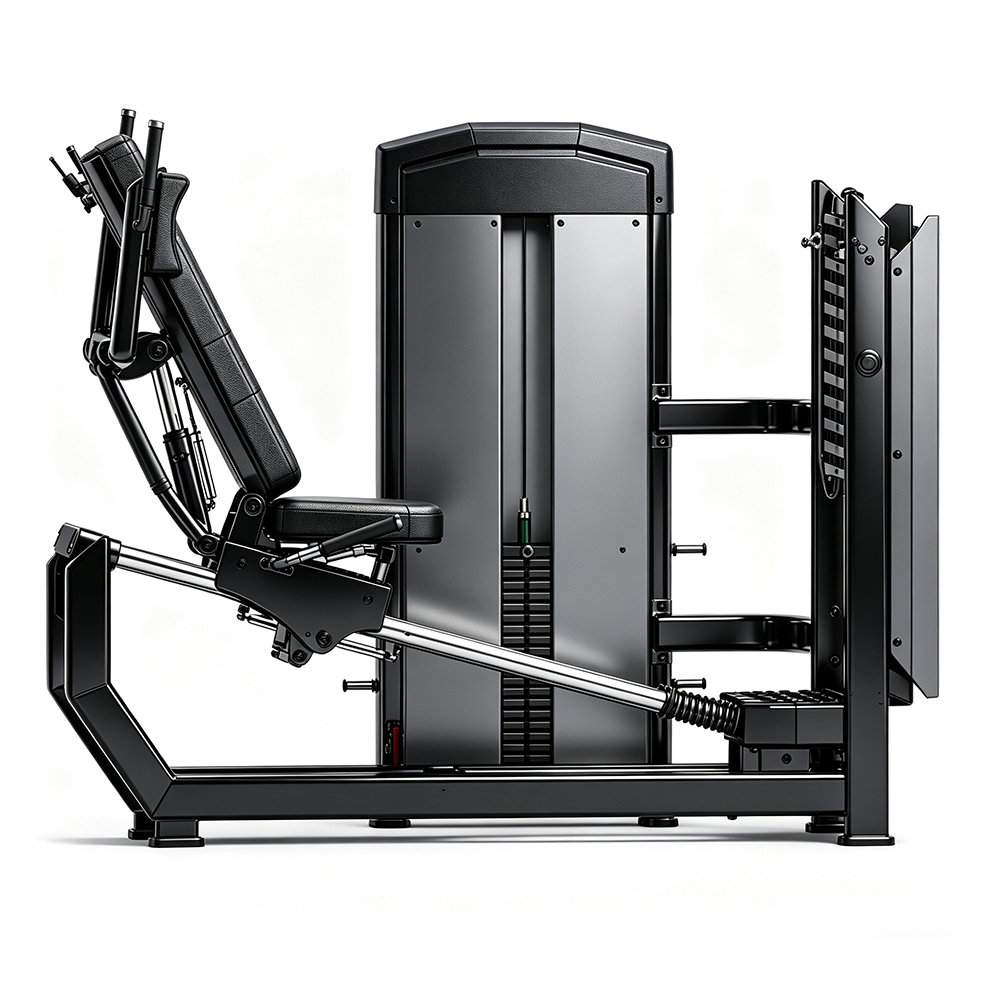
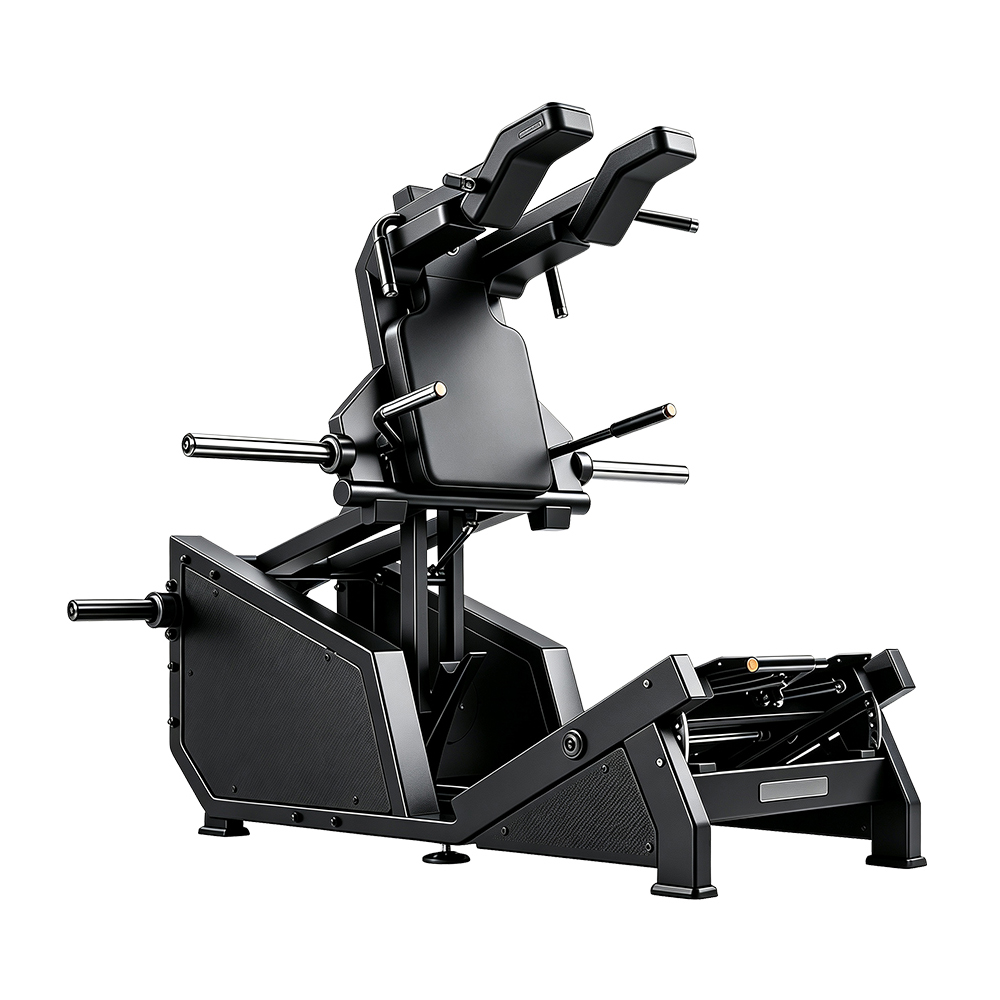
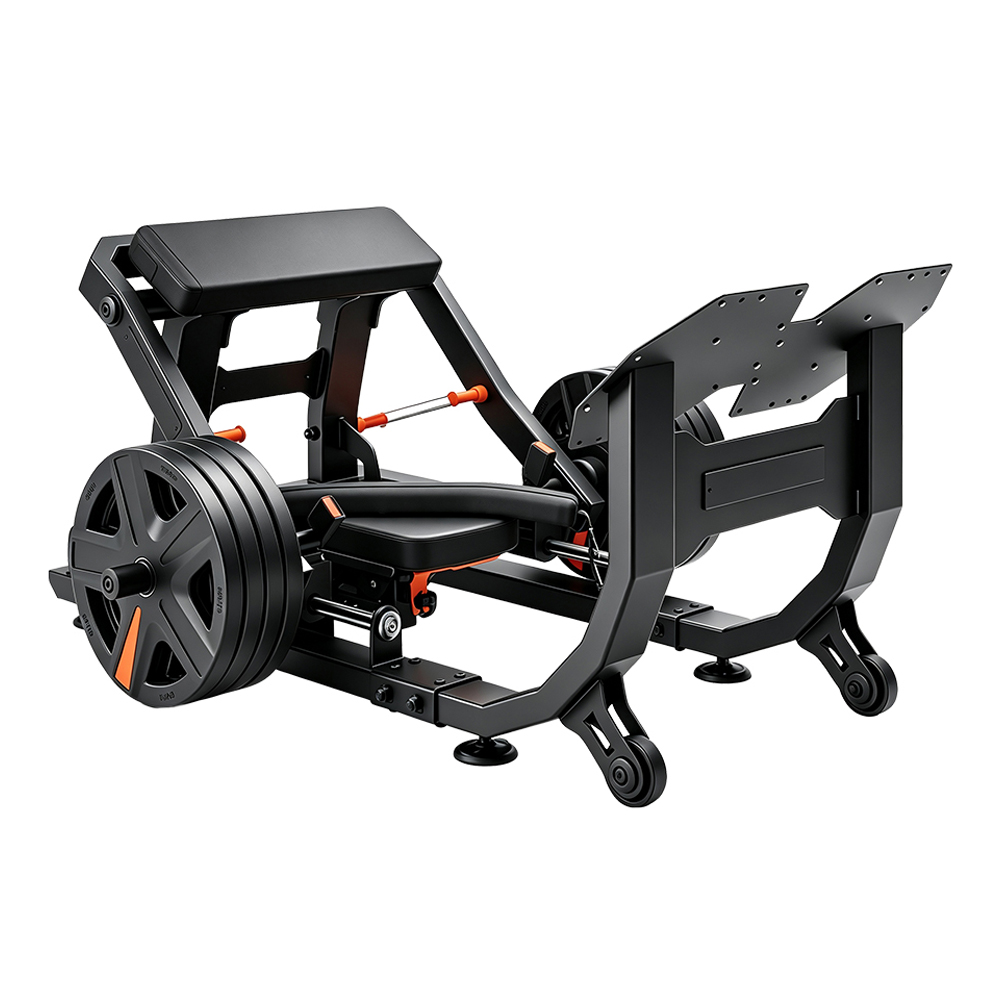
Additionally, consider manufacturers with proven experience and a strong presence in the fitness industry, like XiaoKe Fitness Technology Co., Ltd., known for advanced automated production lines and a commitment to quality. Their BD1004 Hack Squat Trainer is a great example of innovative design and functionality.

Understanding Cost Factors in Commercial Strength Training Equipmen

Understanding Cost Factors in Commercial Strength Training Equipmen

The cost of commercial strength training equipment can vary widely based on several factors:

Material and Construction: Higher-quality materials typically come at a premium. Equipment constructed from durable steel or reinforced plastic may have a higher upfront cost but often results in lower long-term maintenance and replacement costs.

Customization: Custom-designed equipment tailored to specific user needs or branding will generally incur additional costs. It’s important to weigh these costs against potential benefits, such as enhanced user satisfaction or brand recognition.

Order Volume: Bulk purchasing often leads to significant discounts. Understanding the minimum order quantity (MOQ) can help in negotiating better pricing with suppliers.

Shipping and Import Fees: If sourcing from overseas manufacturers, consider shipping costs and potential import duties, which can affect the total cost. Ensure that the supplier provides clear information on these expenses.

Warranty and Support: Equipment that comes with an extended warranty or robust customer support may have a higher initial price but can offer peace of mind and save costs on repairs or replacements in the future.

Common Problems with Strength Training Equipment and Their Solutions

Common Problems with Strength Training Equipment and Their Solutions

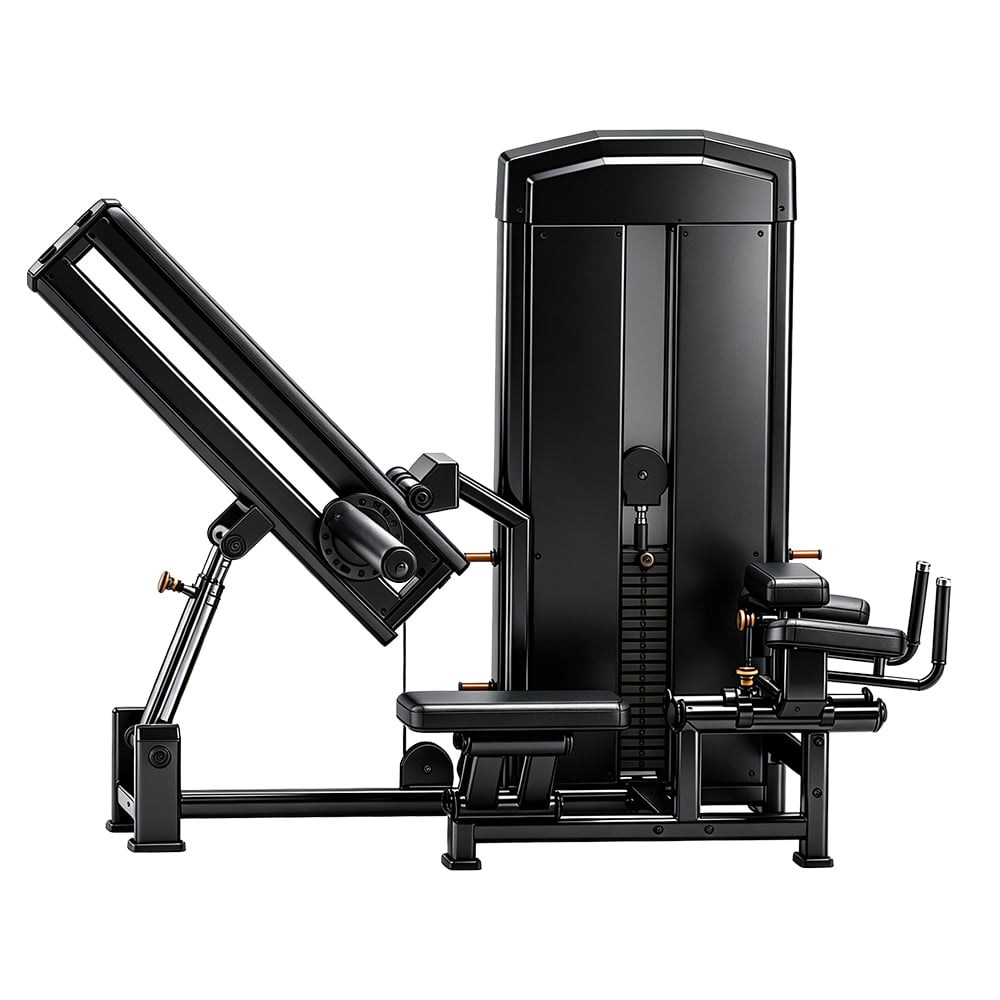
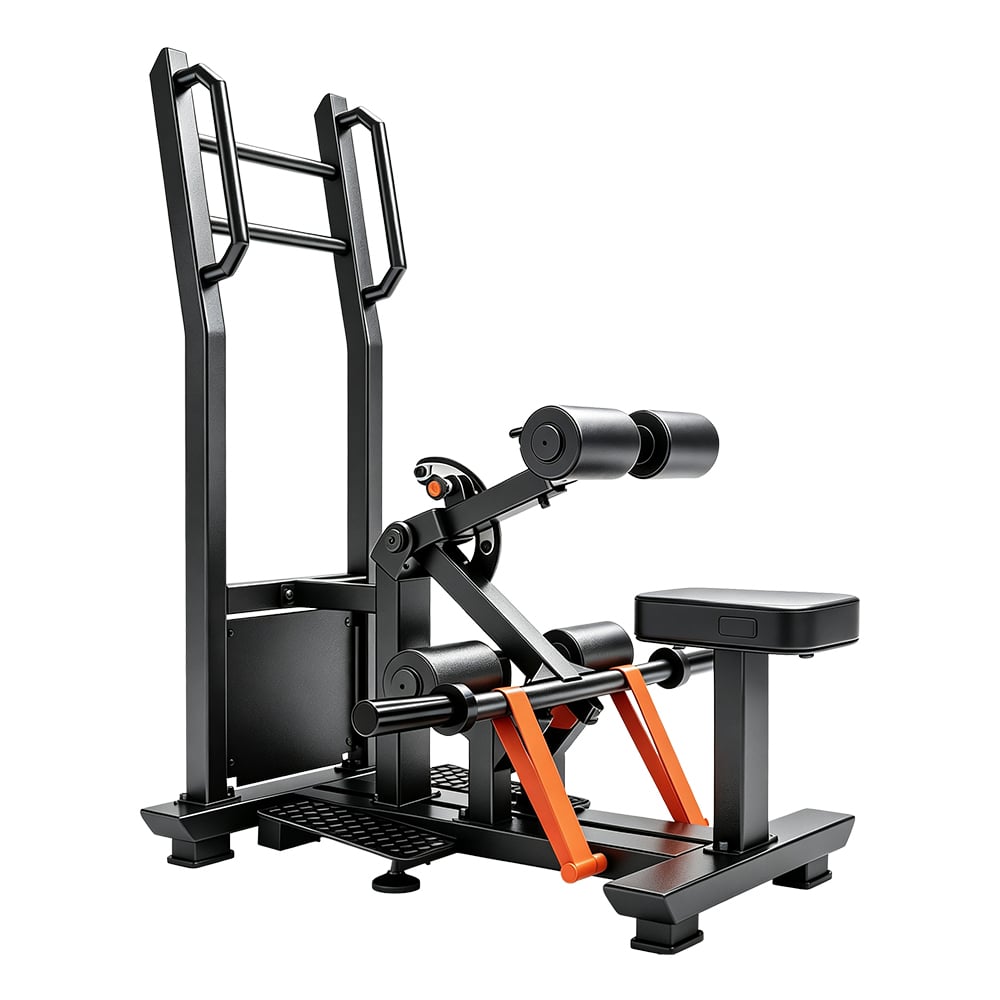
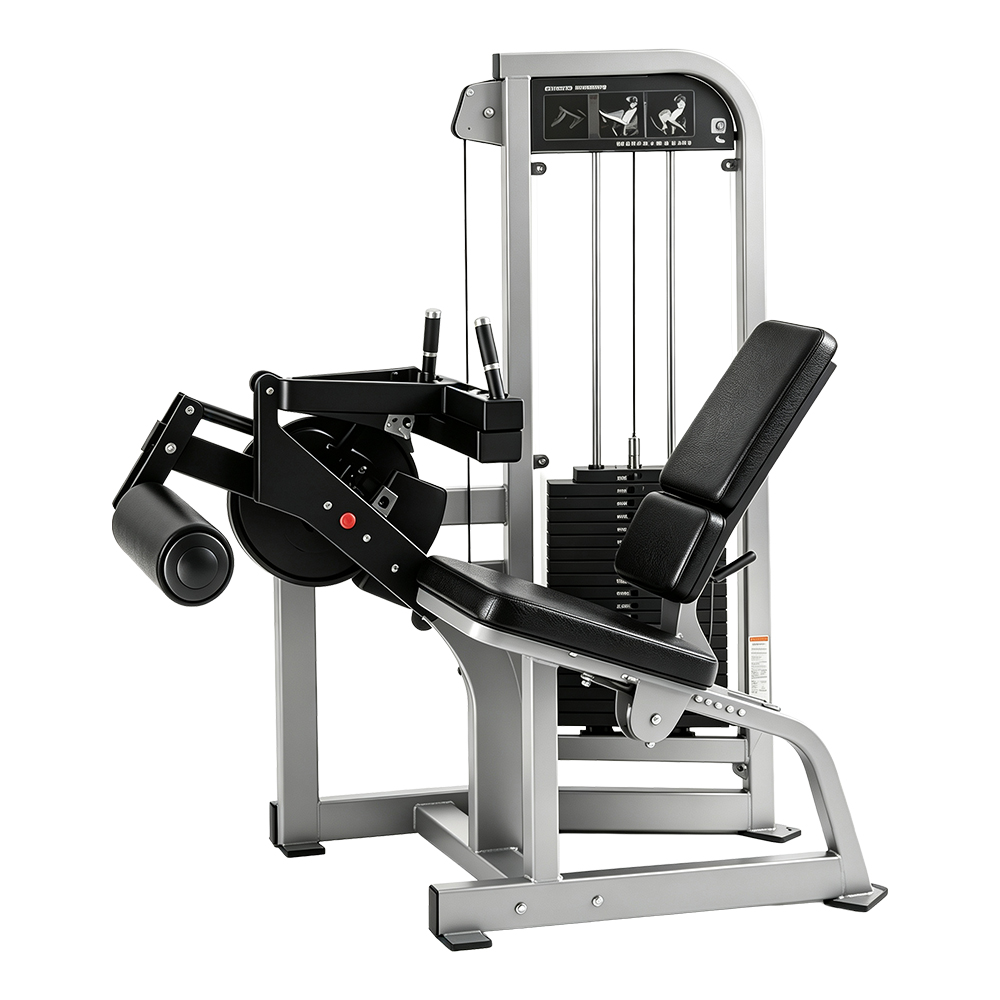
Equipment Malfunction: Frequent breakdowns can arise from poor-quality components or improper maintenance. Regular inspections and adherence to maintenance schedules can mitigate this issue. It's also beneficial to select equipment from manufacturers known for their reliability, such as those offering the BD1003 Waistband Squat Trainer.

User Discomfort: If users report discomfort, it may indicate that the equipment is not ergonomically designed or properly adjusted. Ensuring that equipment features adjustable settings can help accommodate a wider range of users.

Lack of Space: In many facilities, space constraints can limit equipment options. To address this, consider multi-functional equipment that allows for various exercises while taking up minimal space.

Inconsistent Quality: Variability in production quality can lead to discrepancies between different batches of equipment. Requesting samples and conducting quality inspections before finalizing orders can help ensure consistency.

Comparing Features of Commercial Strength Training Equipment for Buyers

When comparing commercial strength training equipment, buyers should focus on several features that directly impact usability and performance:

Functionality: Analyze the primary functions of each machine. For example, a multi-station gym allows for a variety of strength training exercises compared to a single-function machine.

User Interface: Equipment with intuitive designs and easy-to-use controls enhances user experience. Look for machines with clear instructions and minimal adjustment steps.

Aesthetic Design: While functionality is paramount, the visual appeal of equipment can influence gym ambiance and user satisfaction. Consider how the equipment's design aligns with your facility's branding.

Warranty and Service Options: Assess the warranty period and the coverage it offers, such as parts and labor. Additionally, inquire about the manufacturer's service options for repairs or replacements.

Customer Reviews: Researching customer feedback can provide insights into long-term performance and user satisfaction. Look for reviews that address durability, ease of use, and service quality.

By understanding these features, buyers can better assess which commercial strength training equipment aligns with their facility's needs and budget.

Key Specifications to Consider When Sourcing Strength Training Gear

When sourcing commercial strength training equipment, several key specifications are essential for ensuring the product meets performance and safety requirements.

Material Quality: The materials used in equipment construction directly impact durability and user experience. Look for high-quality steel or aluminum for frames, ensuring they can withstand heavy usage without compromising structural integrity. Additionally, upholstery materials should be tear-resistant and easy to clean.

Weight Capacity: Each piece of equipment should have a clearly defined weight capacity, which affects safety and usability. Check for adequate weight ratings that accommodate a range of users, especially in commercial settings where varied clientele may use the equipment.

Dimensions and Ergonomics: Equipment dimensions should align with the space available in your facility and accommodate different body types. Ergonomic design is crucial for ensuring user comfort and safety during workouts. Adjustable features are a plus, allowing customization for individual users.

Safety Features: Safety should be a top priority. Equipment should include features like safety locks, padded grips, and stabilizing bases to prevent accidents during use. Compliance with safety standards, such as CE or ISO certifications, can also provide additional assurance.

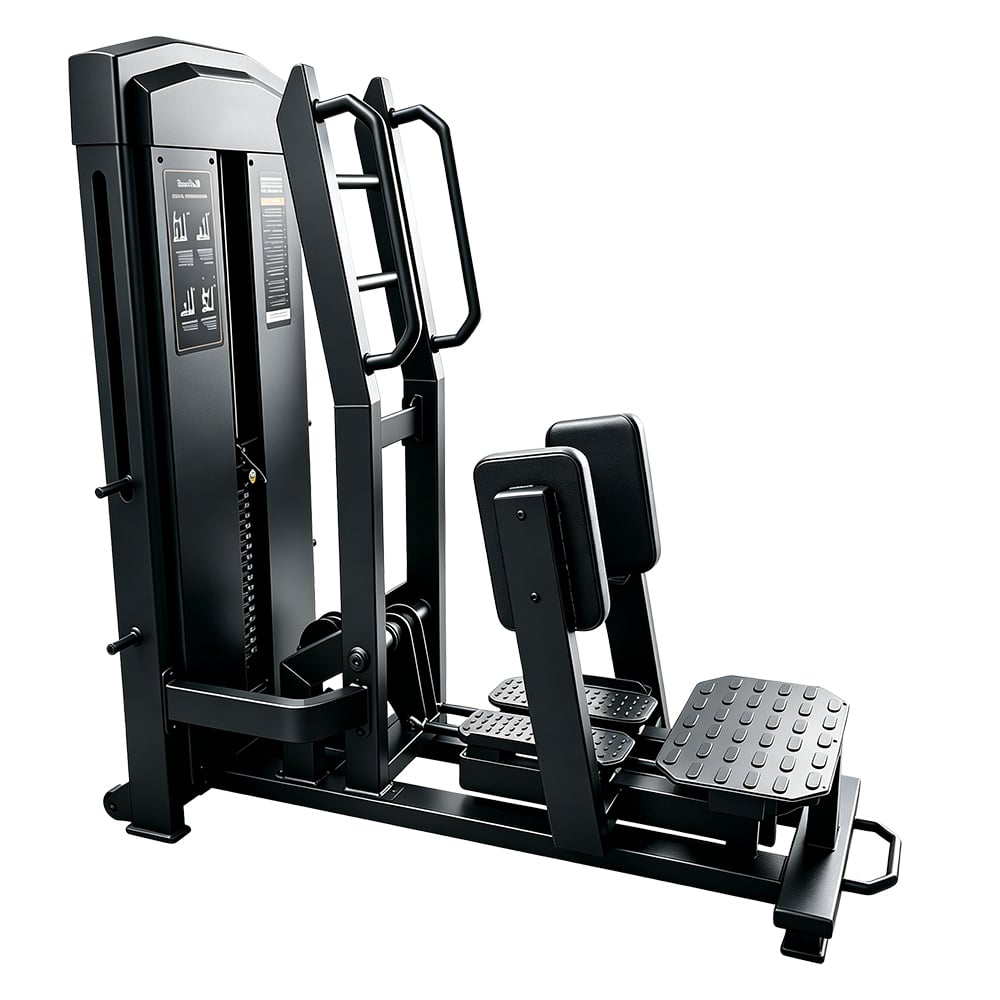
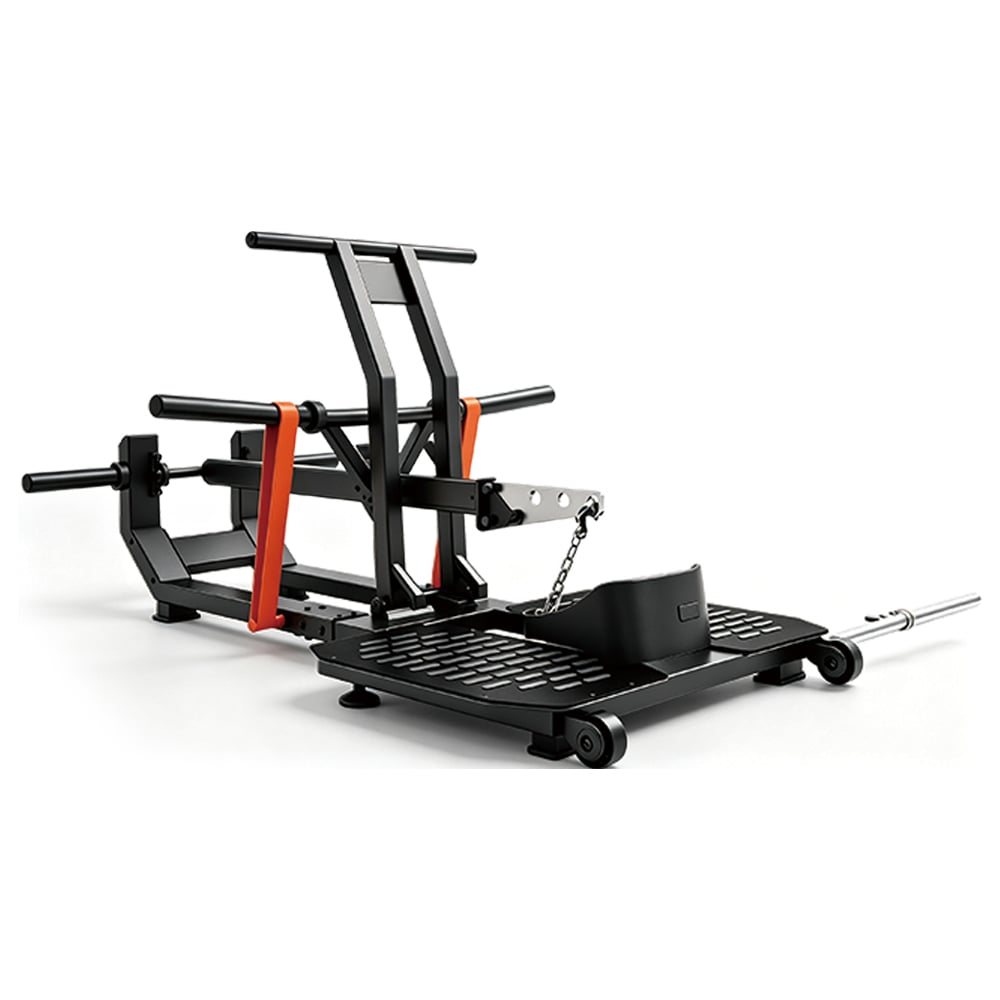
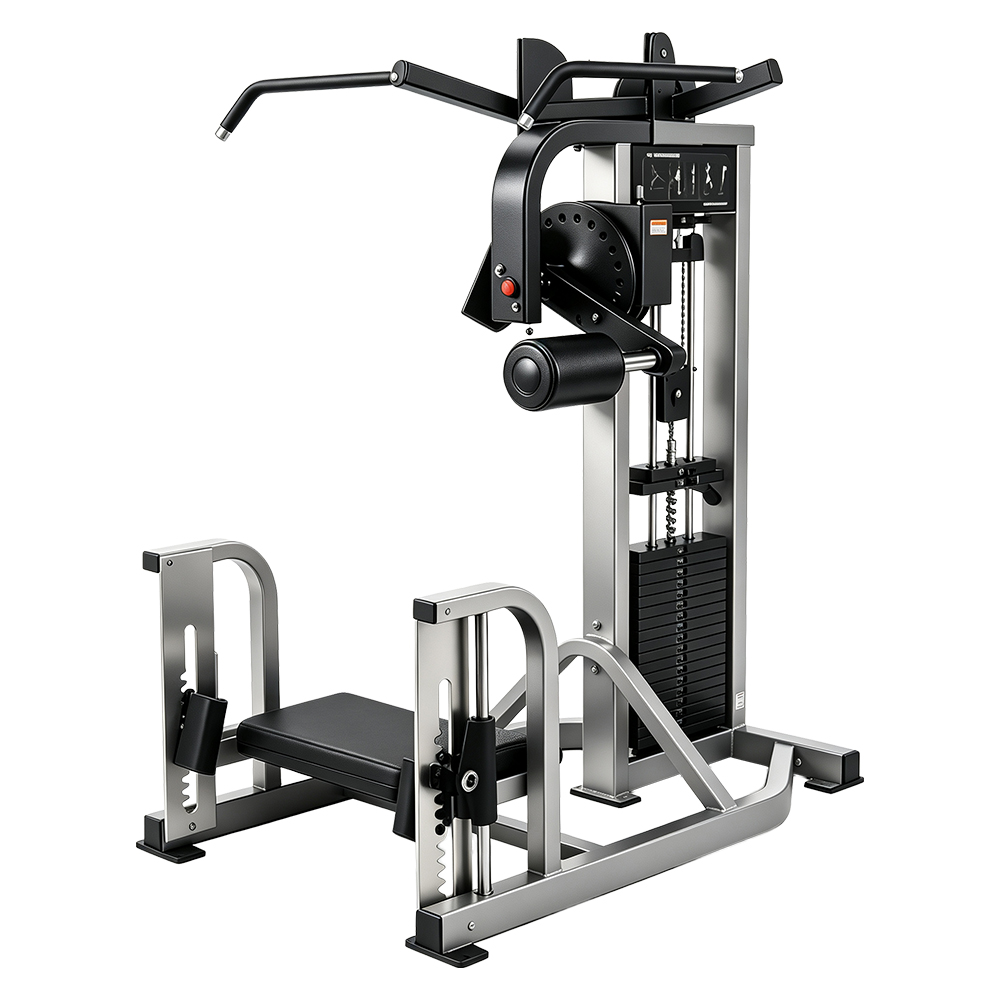
Maintenance Requirements: Consider how easy the equipment is to maintain. Equipment that requires minimal upkeep and has accessible parts for service will save time and resources in the long run. For instance, the BD1005 Hip Push Trainer is designed for easy maintenance, ensuring longevity and reliability.

Frequently Asked Questions

What types of commercial strength equipment do you offer?

We offer a full range of commercial strength equipment including selectorized machines, plate-loaded units, cable stations, functional rigs, free-weight racks, and benches designed for gyms and fitness centers.
Our 90,000 sqm facility and advanced automated production lines enable high-precision manufacturing, strict quality control, and consistent final inspections to ensure stable product quality for global markets.
Yes. We provide customization of colors, upholstery, dimensions, branding, and package configurations to meet gym layouts and branding requirements while maintaining production quality standards.
Lead time varies by order size and customization but typically ranges from 4 to 12 weeks. We confirm exact timelines after order details and customization requirements are finalized.
Yes. We offer installation guidance, user manuals, spare parts availability, and after-sales support including maintenance advice and warranty service to ensure long-term equipment performance.

Get a Free Quote

Our representative will contact you soon.
0/1000