Wholesale Guide for Strength and Conditioning Equipment

Kpeakfit, full-chain manufacturer with 10+ years & 90,000㎡ workshop.

Exhibit at IWF Shenzhen(H4A10) & WFF Shaoxing for global buyers.

Certified fitness gear, one-stop service for worldwide partners.

application/strength-and-conditioning-equipment, application/strength-and-conditioning-equipment, 
Inquiry
Inquiry

strength and conditioning equipment

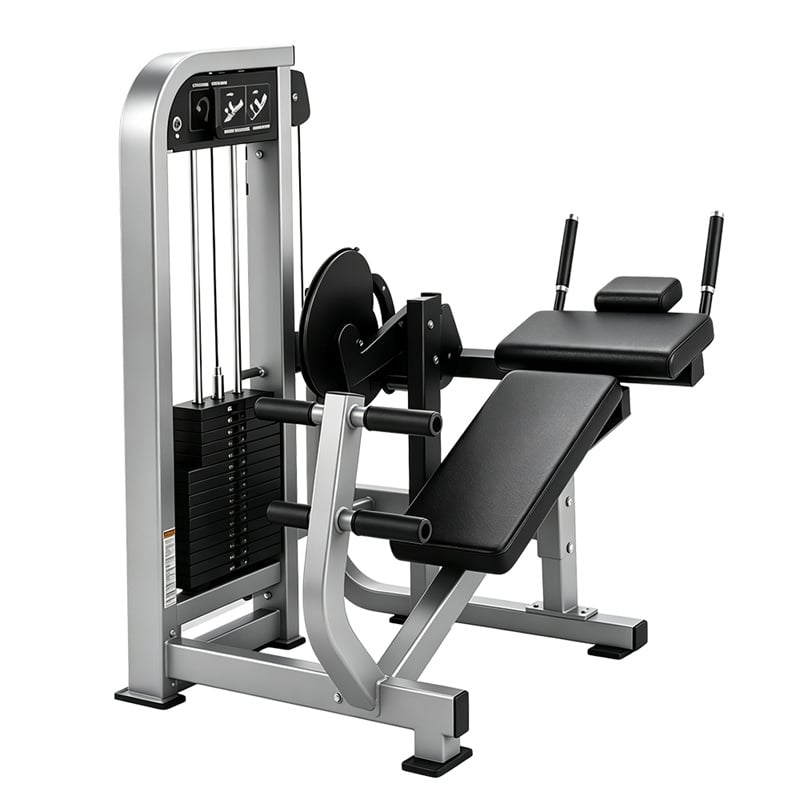
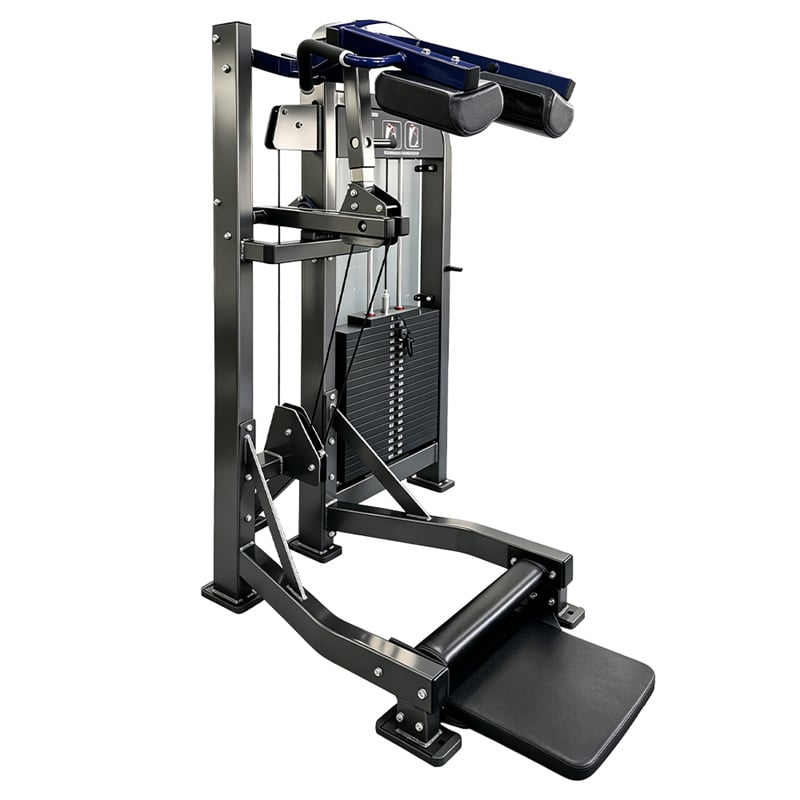
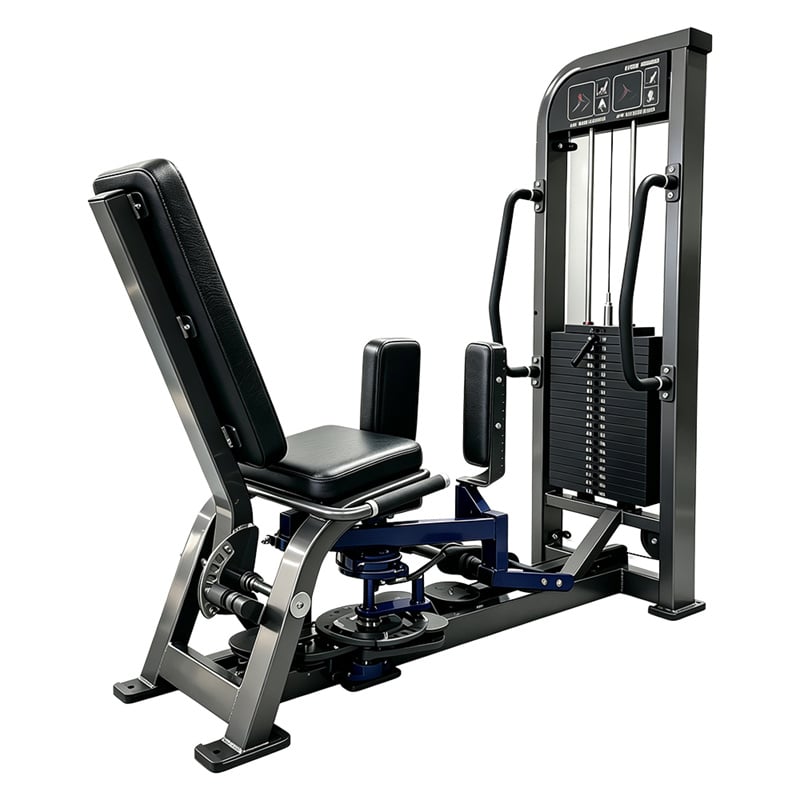
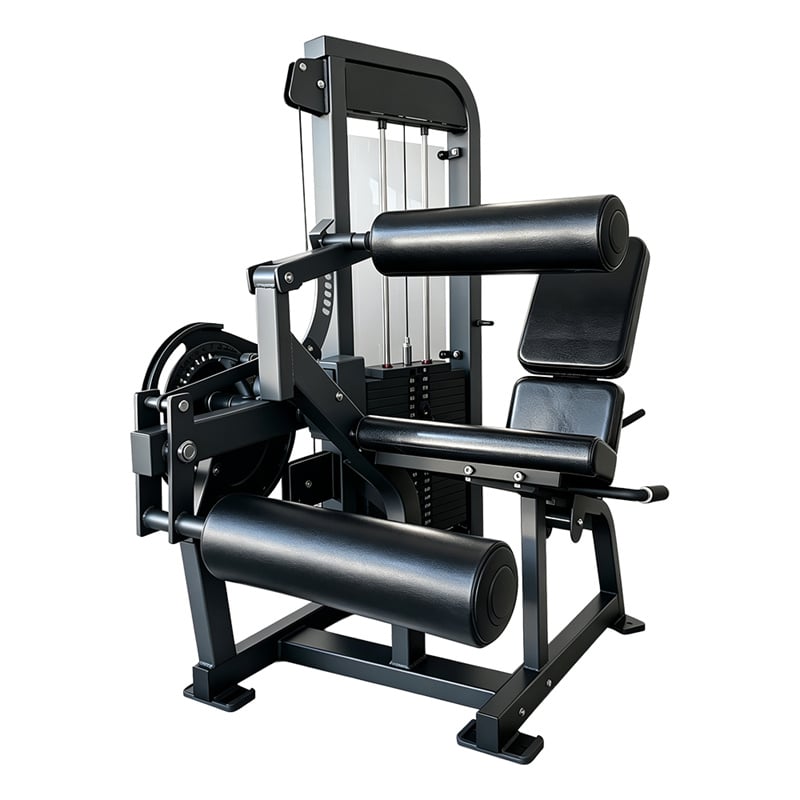
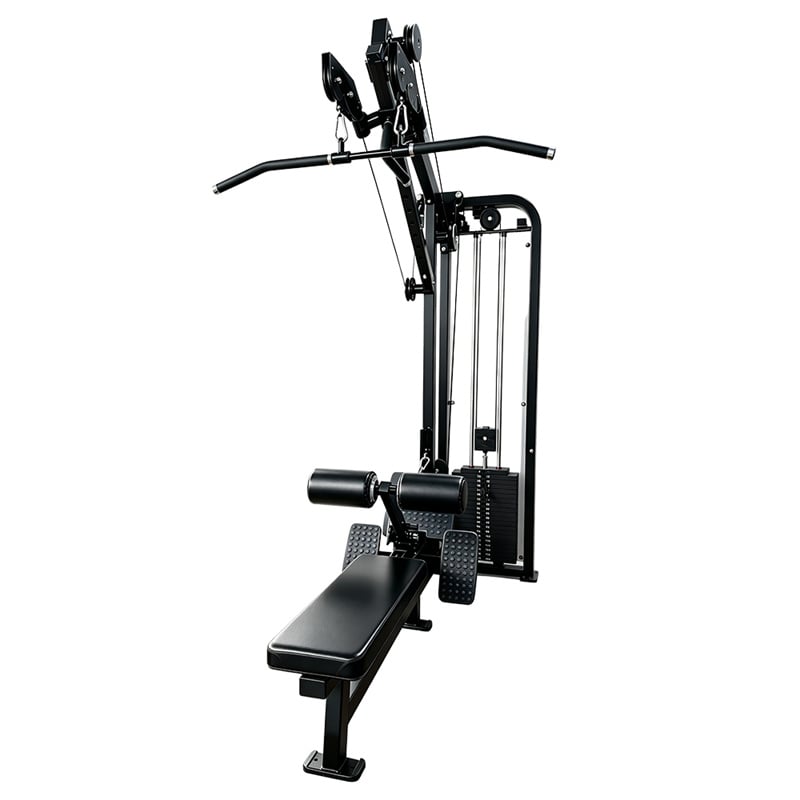
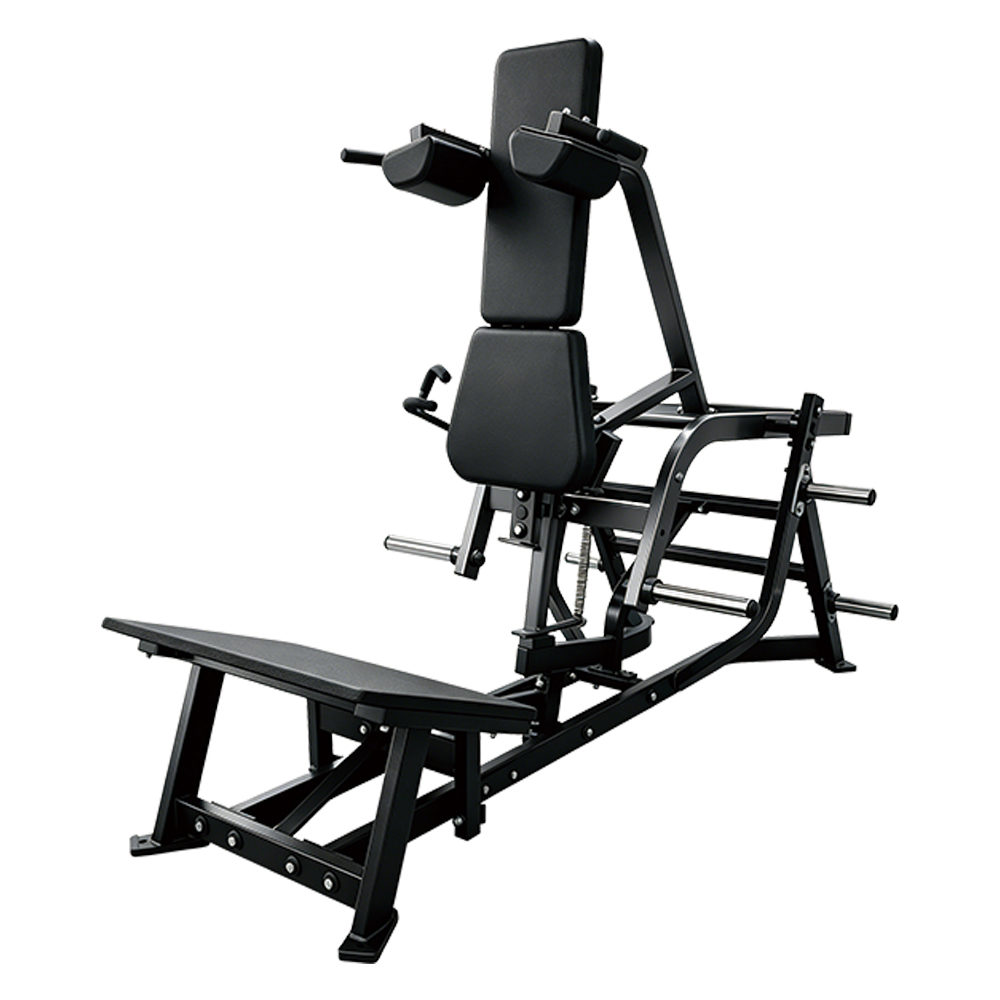
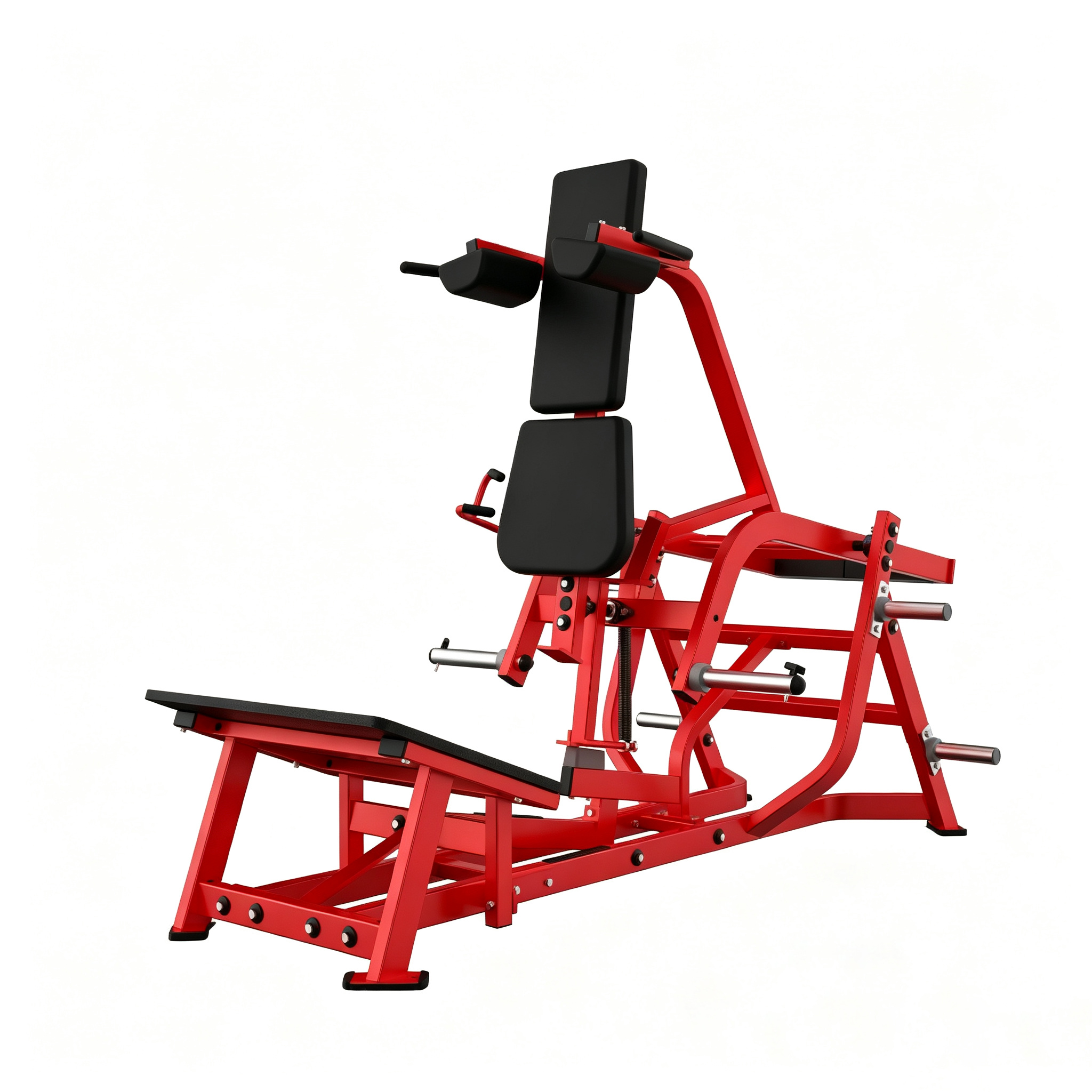
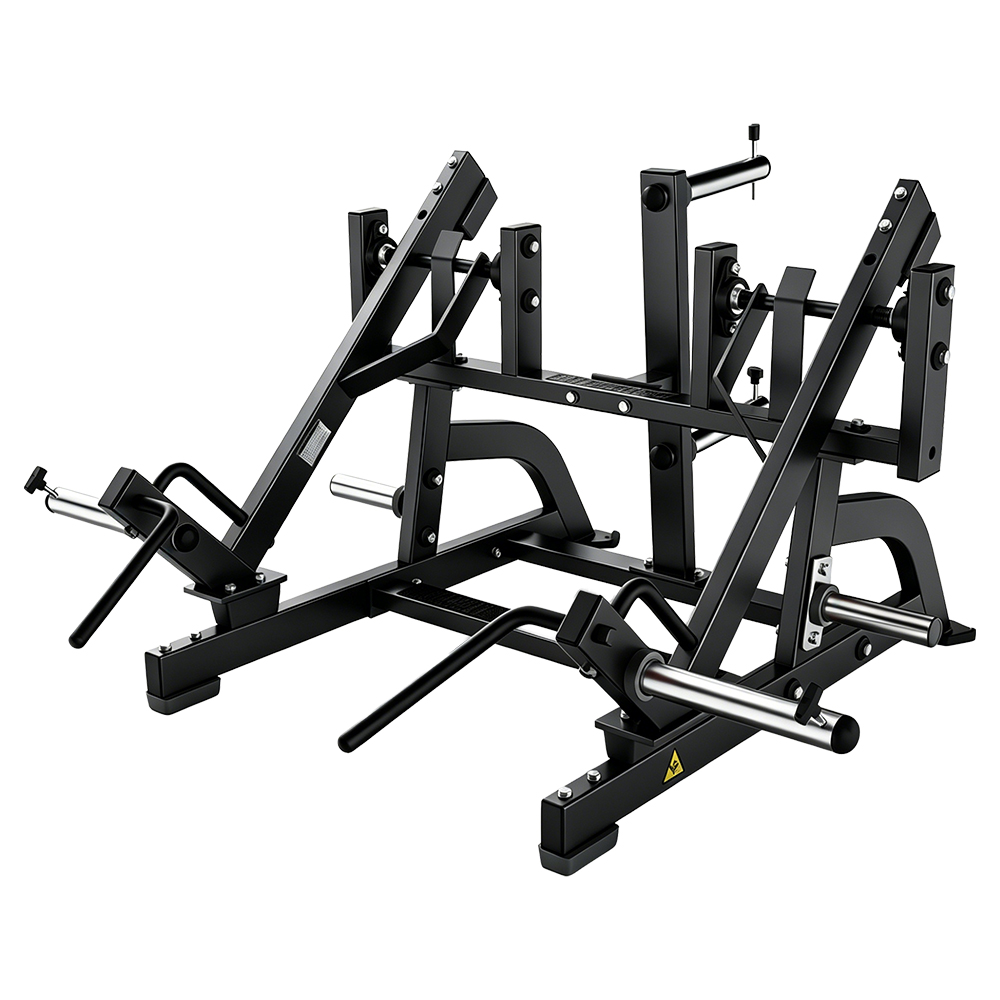
Strength and conditioning equipment plays a pivotal role in enhancing athletic performance and overall fitness. For B2B buyers, such as purchasing managers and product managers in fitness centers, gyms, and rehabilitation facilities, understanding the nuances of these products is essential. This article will delve into critical considerations when purchasing strength and conditioning equipment, including cost factors, installation guidance, applications, and material advantages, ensuring that buyers make informed decisions.

Understanding Cost Factors in Bulk Orders of Fitness Equipmen

Understanding Cost Factors in Bulk Orders of Fitness Equipmen

The cost of strength and conditioning equipment can vary widely based on several factors. When purchasing in bulk, consider the following aspects that influence pricing:

Material Quality: Higher-quality materials, such as reinforced steel or specialized coatings, can increase the cost but often result in better durability and performance.

Customization Options: Many manufacturers provide customization capabilities, including branding or specific performance features. Custom orders typically come at a premium, so it's essential to balance these desires with budgetary constraints.

Production Volume: Larger orders often benefit from economies of scale, potentially lowering the per-unit cost. However, the upfront investment may be significant, so buyers should calculate total costs versus potential savings.

Shipping and Handling: Bulk orders may also incur higher shipping costs due to weight and size. Be sure to discuss shipping options and potential discounts with the supplier.

Quality Assurance and Certifications: Equipment that meets specific industry standards or has undergone rigorous quality testing may have higher upfront costs, but these certifications can assure buyers of product reliability and longevity.

Installation Guidance for Strength and Conditioning Equipmen

Installation Guidance for Strength and Conditioning Equipmen

Proper installation of strength and conditioning equipment is crucial for ensuring safety and optimal performance. Here are some guidelines to follow:

Site Assessment: Before installation, assess the location where the equipment will be placed. Ensure there is adequate space for safe operation, including room for movement and access to power sources if required.

Manufacturer Instructions: Always refer to the manufacturer's installation manual. For complex machines, professional installation may be necessary to guarantee compliance with safety standards.

Leveling and Stability: Equipment should be leveled properly to prevent tipping or instability during use. This is particularly important for machines that support heavy weights.

Safety Checks: After installation, conduct thorough safety checks. Ensure that all components are securely fastened and that there are no obstructions in the operational area.

User Training: Provide training for users on the proper use and maintenance of the equipment to prevent accidents and extend the lifespan of the products.

Exploring Applications of Strength and Conditioning Equipment in Industry

Exploring Applications of Strength and Conditioning Equipment in Industry

Strength and conditioning equipment is not limited to fitness centers or athletic training. Its applications span various industries, including:

Rehabilitation Facilities: Equipment like resistance bands and adjustable weights is crucial in physical therapy, aiding recovery and improving mobility for patients.

Corporate Wellness Programs: Many companies invest in strength and conditioning equipment to promote employee health and wellness. This can lead to enhanced productivity and reduced healthcare costs.

Educational Institutions: Schools and universities utilize strength training equipment to support athletic programs and promote physical education, contributing to student well-being.

Military and First Responders: These organizations often require robust training programs that incorporate strength and conditioning equipment to enhance physical readiness and injury prevention. For instance, the BH1000 Series is designed to meet the rigorous demands of such programs.

Understanding the specific applications can help buyers select the most suitable products for their intended audience, enhancing the effectiveness of training programs.

Material Advantages of Strength and Conditioning Equipment for Buyers

The materials used in strength and conditioning equipment significantly impact their performance, durability, and safety. Here are some common materials and their advantages:

Steel: Most strength equipment is made from high-grade steel, which offers exceptional strength and longevity. Look for equipment with corrosion-resistant coatings for added durability.

Rubber: Many weights and resistance tools feature rubber components to reduce noise and protect floors. Rubber products typically have a longer lifespan and provide better grip during workouts.

Foam: Used in grips and padding, high-density foam enhances user comfort while ensuring durability under repeated use. This is particularly important for equipment like benches and barbells.

Synthetic Materials: Some resistance bands and mats are made from advanced synthetic materials that offer superior elasticity and wear resistance compared to traditional options.

Composite Materials: Emerging technologies have led to the development of composite materials that combine the benefits of various substances, providing lightweight yet robust solutions for portable equipment. Exploring options like the Multifunctional Equipment can also provide versatile solutions.

By understanding these material advantages, buyers can make informed decisions that align with their quality and performance requirements.

In summary, navigating the complexities of purchasing strength and conditioning equipment requires a comprehensive understanding of product specifications, costs, installation, applications, and material advantages. By following the guidelines outlined, B2B buyers can ensure they make informed choices that meet their operational needs.

Wholesale Purchasing Guide for Strength and Conditioning Equipmen

When engaging in wholesale purchasing for strength and conditioning equipment, several key factors must be considered. First, identify the specific equipment needed, such as resistance bands, barbells, kettlebells, or specialized machines. Determining the intended use—whether for personal training, rehabilitation, or competitive sports—can significantly influence your selection.

Buyers should also evaluate the manufacturer's reputation and production capabilities. Look for suppliers like XiaoKe Fitness Technology Co., Ltd., which integrates research, design, production, and sales, ensuring high-quality, precision-engineered products. Requesting a product catalog can help compare various models and their specifications, such as load capacity, dimensions, and materials.

Additionally, understanding the minimum order quantities (MOQ) and lead times is crucial. Suppliers typically have different MOQs based on the type of equipment, which can range from a few units to bulk orders. Establishing clear communication with the manufacturer about your requirements will facilitate smoother transactions.

Frequently Asked Questions

What types of strength and conditioning equipment do you offer?

We provide a range including weight machines, racks, benches, free weights, and functional training rigs designed for gyms, teams, and home use with customizable options.
Yes. We offer custom sizing, color, branding, and accessory options to fit your space and training needs, supported by our in-house R&D and design team.
Our 90,000 m² facility and automated lines ensure precision manufacturing, rigorous testing, and consistent quality control for reliable performance.
Yes. We offer installation guidance, user manuals, spare parts supply, and responsive after-sales support to ensure long-term equipment performance.
Lead times vary by order size and customization but generally range from several weeks to a few months. We coordinate production and logistics to meet global delivery requirements.

Get a Free Quote

Our representative will contact you soon.
0/1000