Choosing the Right Strength Training Equipment

Kpeakfit, full-chain manufacturer with 10+ years & 90,000㎡ workshop.

Exhibit at IWF Shenzhen(H4A10) & WFF Shaoxing for global buyers.

Certified fitness gear, one-stop service for worldwide partners.

application/strength-training, application/strength-training, 
Inquiry
Inquiry

strength training

Strength training equipment plays a crucial role in enhancing physical fitness and performance. For B2B buyers, especially purchasing managers and fitness facility operators, selecting the right strength training gear involves navigating various concerns such as quality, suitability, and supplier reliability. This article will provide insights into choosing the right equipment, sourcing options, common issues, and applications across industries, empowering buyers to make informed decisions.

Where to Source Reliable Wholesale Strength Training Gear

Where to Source Reliable Wholesale Strength Training Gear

Sourcing strength training gear from reliable suppliers requires careful consideration. Here are several avenues to explore:

Direct Manufacturers: Partnering with established manufacturers like XiaoKe Fitness Technology Co., Ltd. can provide buyers access to high-quality products at competitive prices. Manufacturers often have the capability to offer bulk pricing and customization.

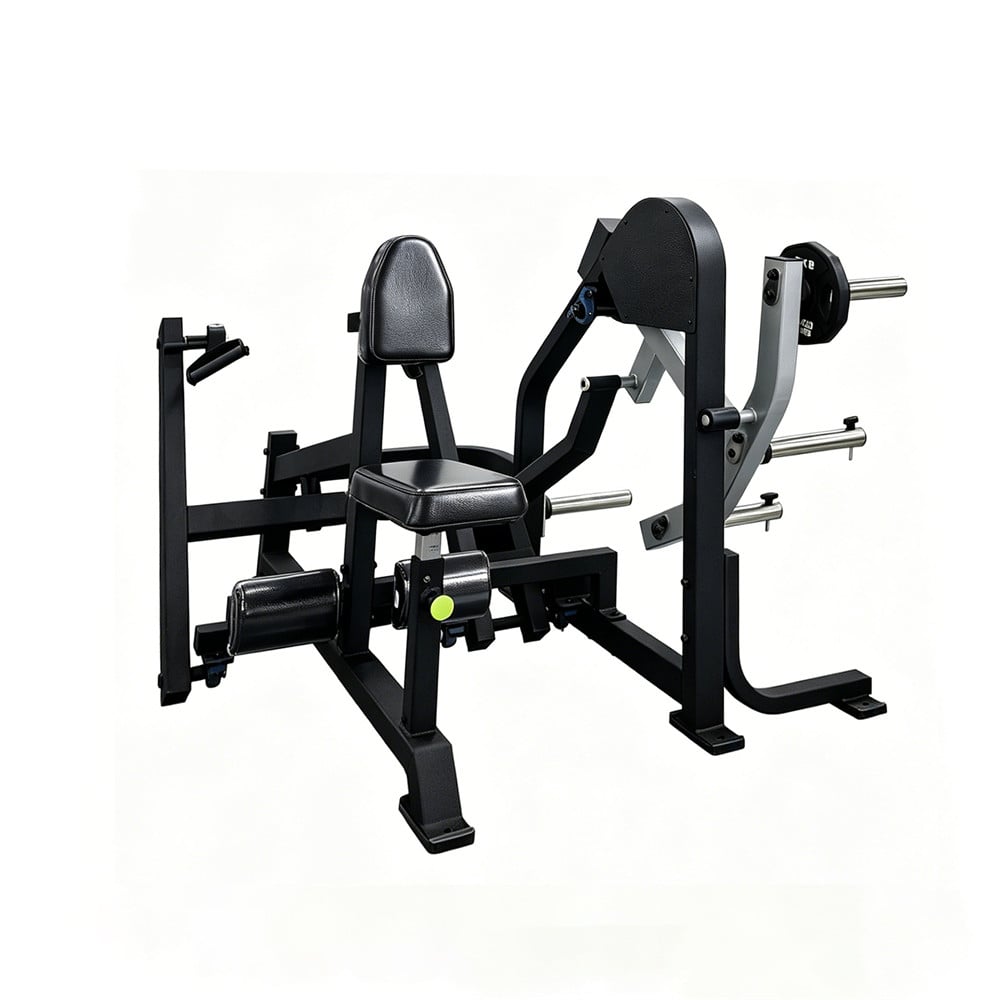
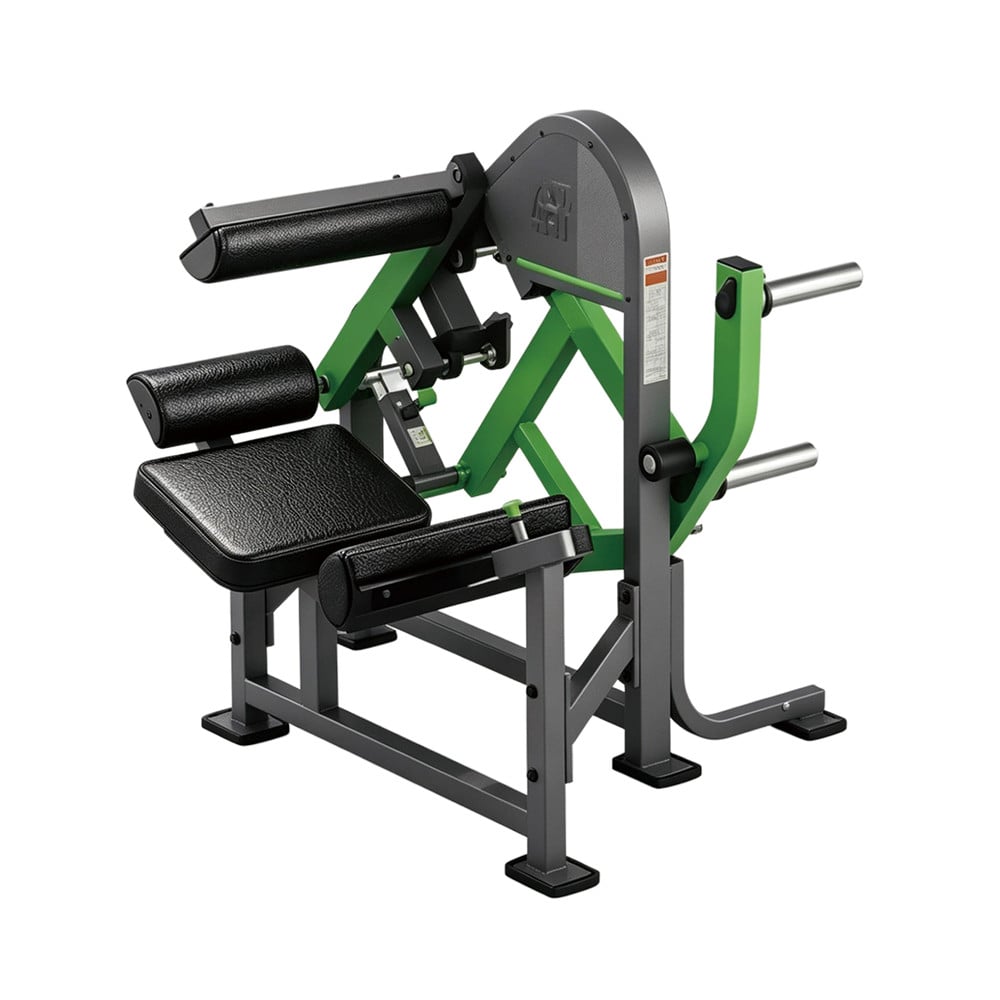
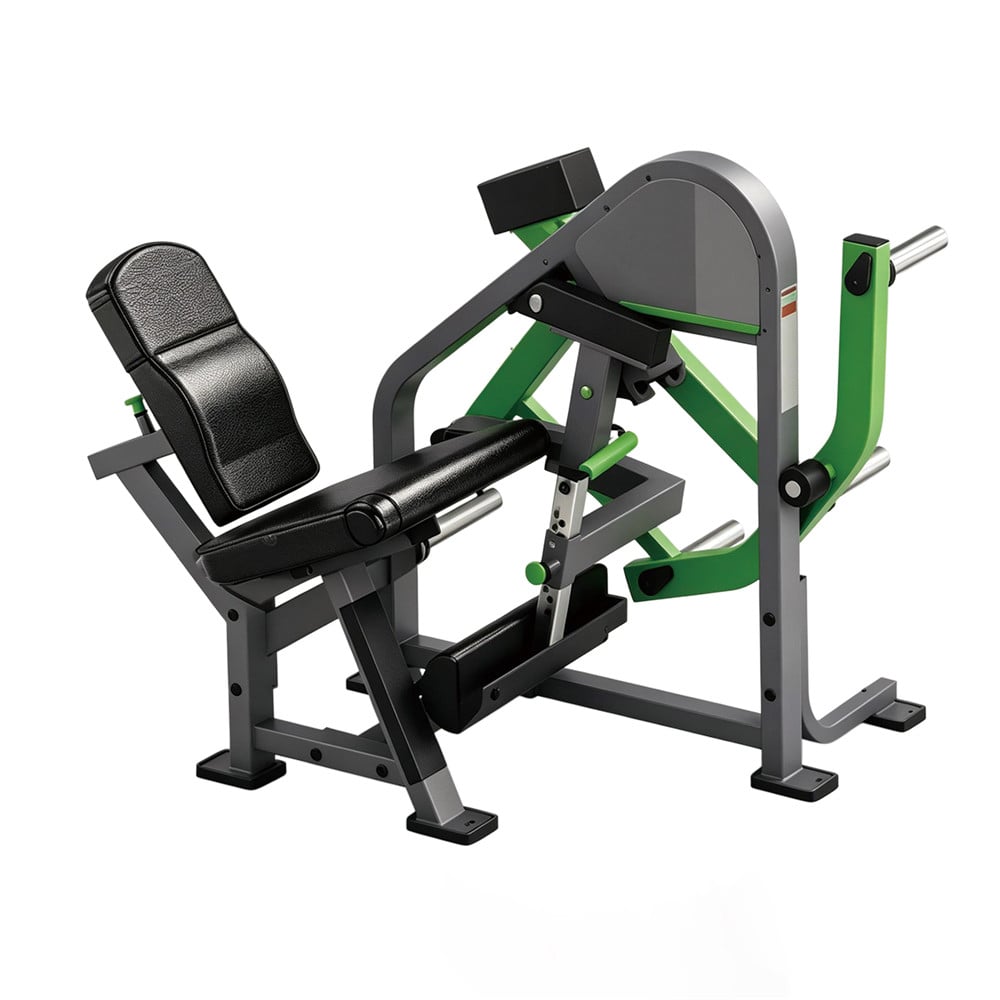
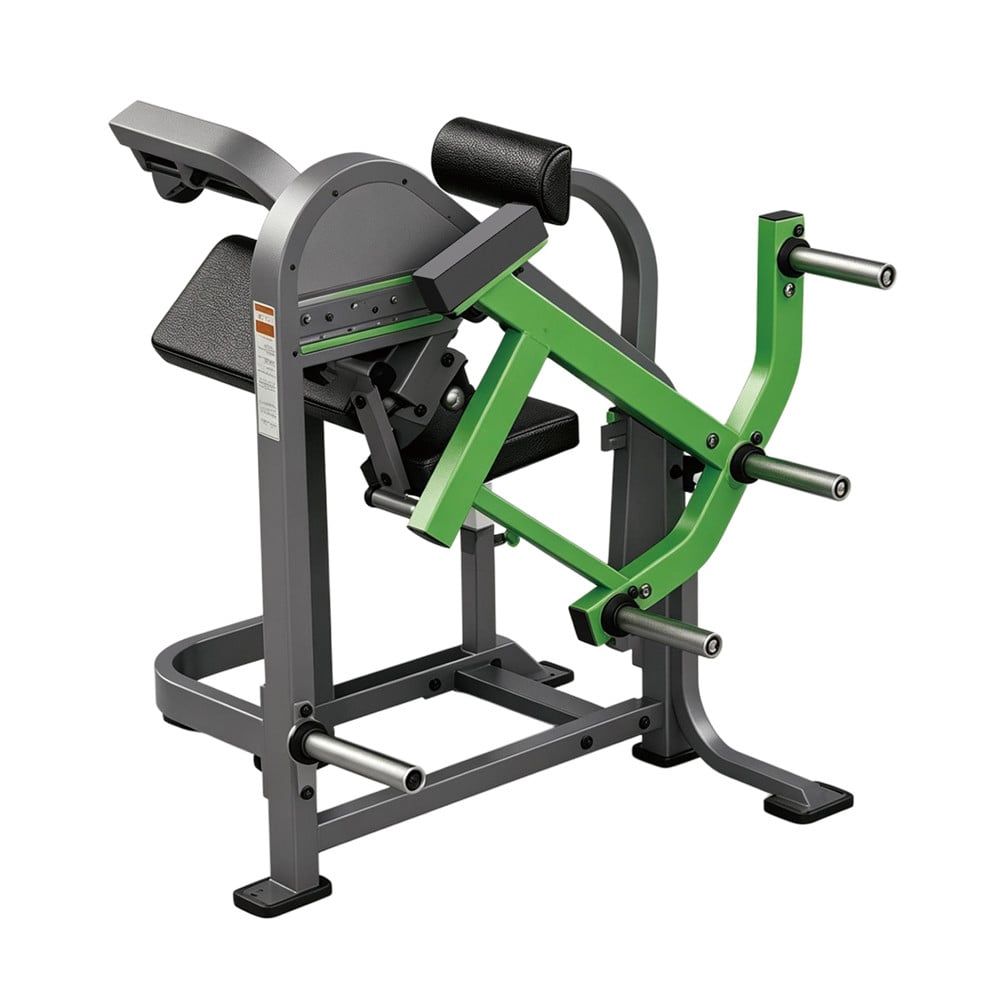
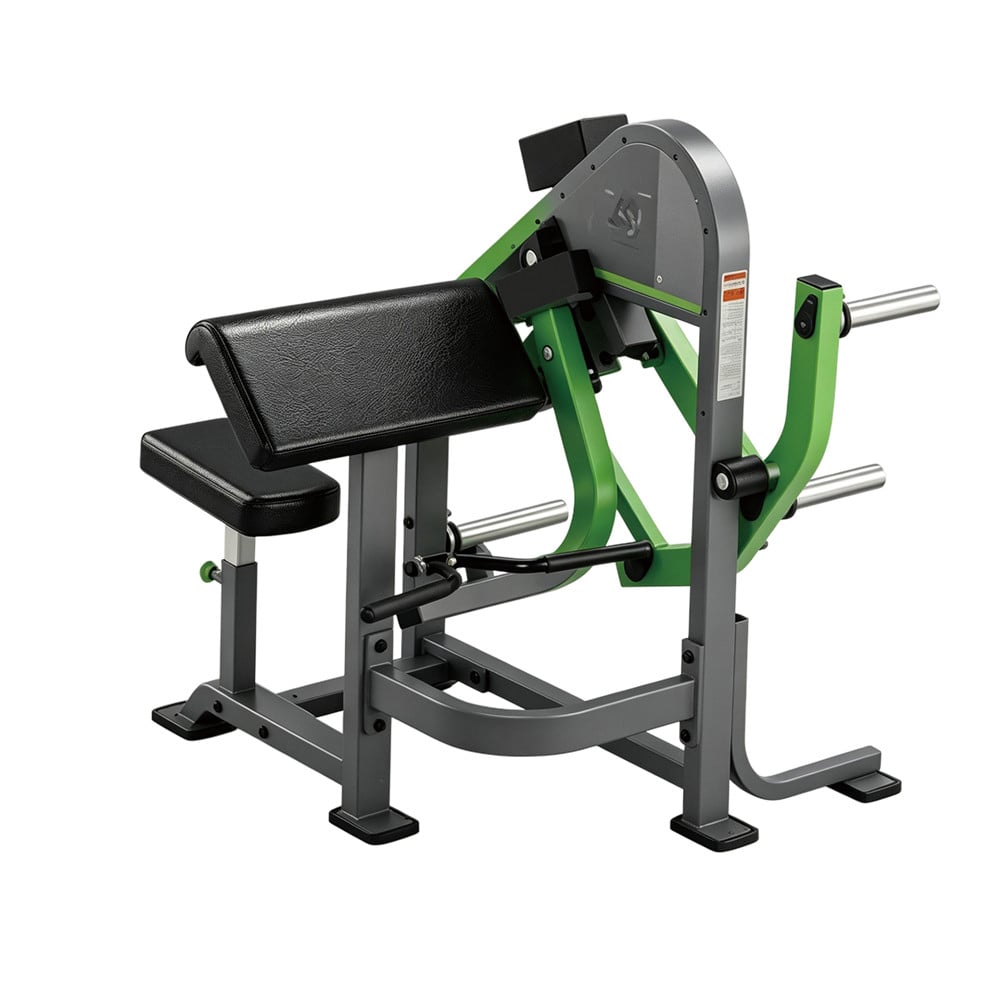
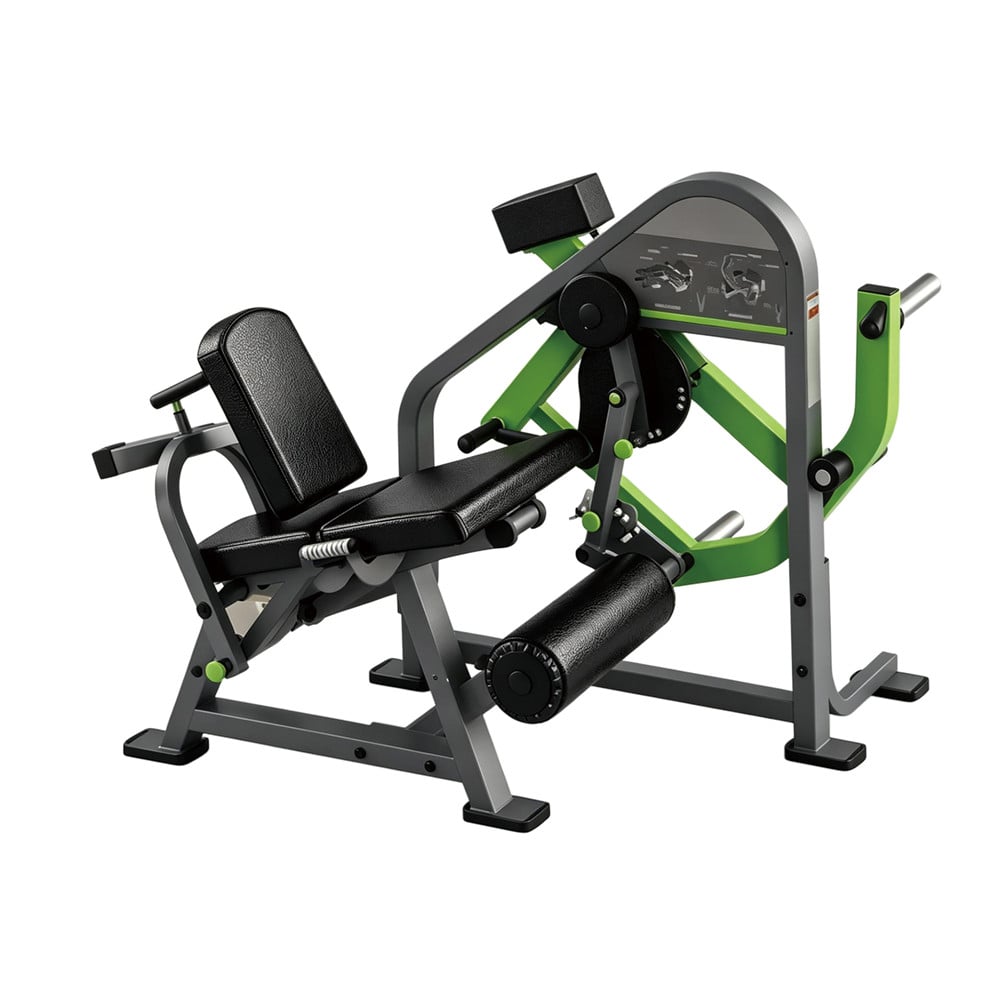
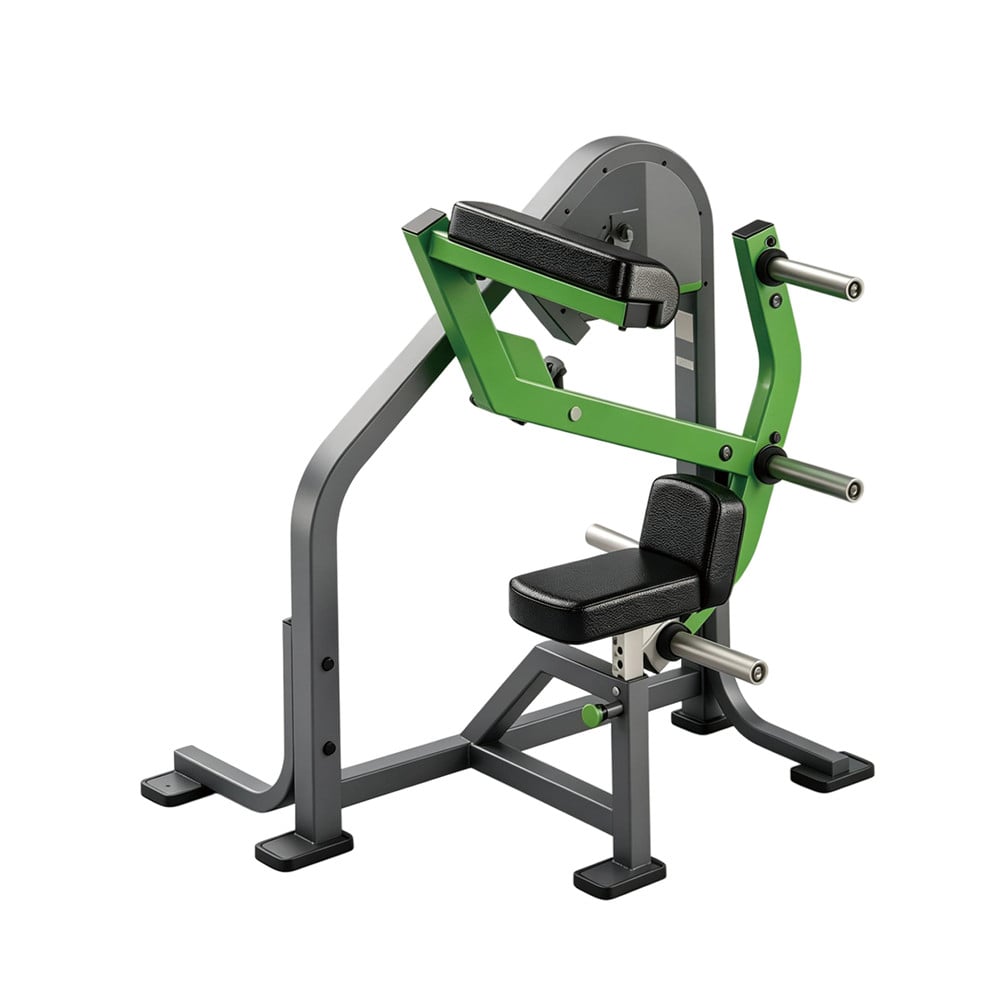
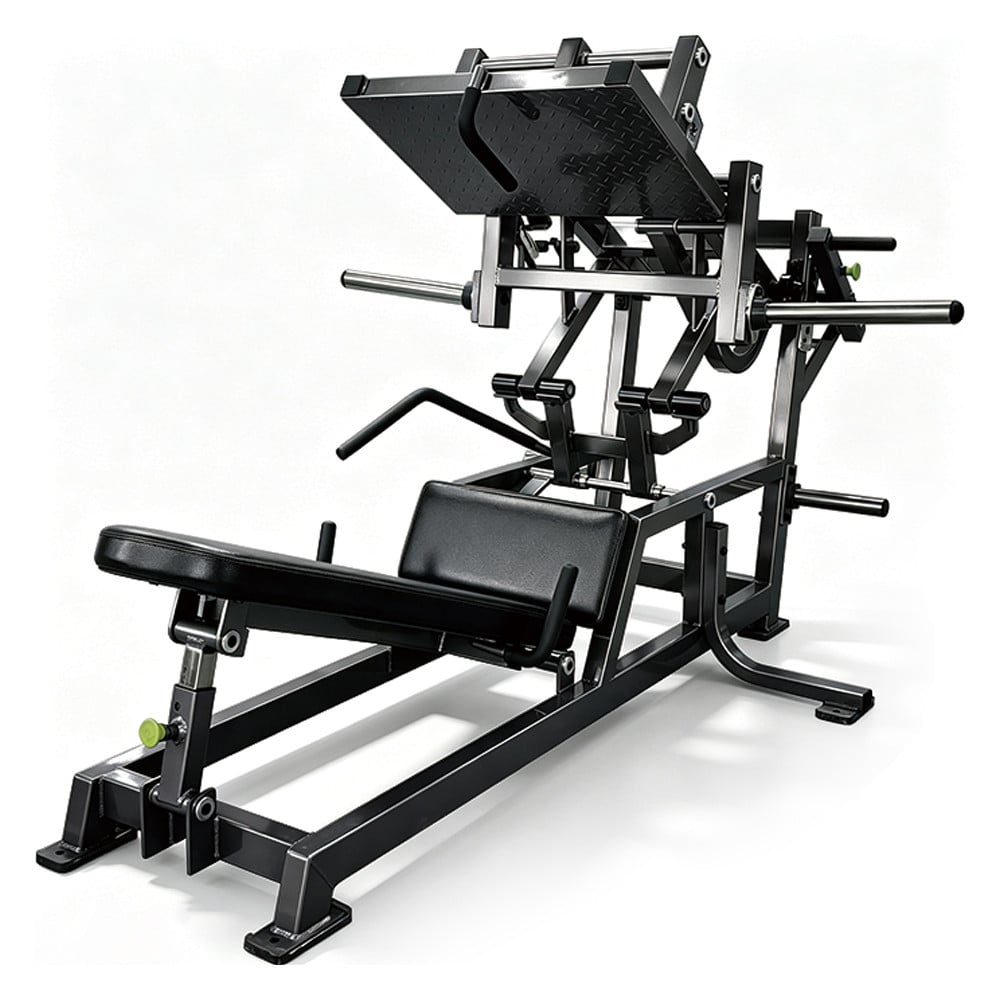
Wholesale Distributors: Look for reputable wholesalers who specialize in fitness equipment. These distributors often have a wide range of products and can provide insights into market trends and popular models, including options from the Plate Loaded Series.

Trade Shows and Expos: Attending industry trade shows allows buyers to see the latest innovations in strength training equipment firsthand. This also provides an opportunity to network with manufacturers and suppliers, gaining insights into product performance and customer support.

Online Marketplaces: E-commerce platforms can offer various options, but buyers should verify the credibility of sellers through reviews and ratings. Look for platforms that provide buyer protection and return policies.

Industry Recommendations: Seek referrals from industry contacts who have experience with specific suppliers. This can lead to trusted partnerships based on firsthand experiences.

By exploring these sourcing options, buyers can find reliable suppliers that meet their specific requirements for strength training gear.

Common Problems with Strength Training Gear and Their Solutions

Common Problems with Strength Training Gear and Their Solutions

Despite the best intentions, strength training equipment can pose several challenges. Here are some common problems and their potential solutions:

Quality Inconsistencies: Variations in product quality can arise from manufacturing errors or inadequate quality checks. To mitigate this, buyers should insist on certifications and request product samples before placing large orders.

Equipment Malfunction: Issues such as loose parts or mechanical failures can occur. Regular maintenance checks and following manufacturer guidelines for use can prevent these problems. Additionally, investing in warranties or service agreements can offer peace of mind.

User Discomfort: Poorly designed equipment can lead to user discomfort or injury. Ergonomic design considerations should be prioritized during the selection process. Test equipment samples to ensure they meet comfort and safety standards.

Space Constraints: Inadequate space for equipment can limit functionality. Buyers should consider the dimensions and layout of their facilities when selecting equipment. Modular or multifunctional designs can help optimize space usage. For instance, the Multifunctional Equipment options allow for efficient space utilization.

By addressing these common issues proactively, buyers can enhance the longevity and functionality of strength training equipment.

Applications of Strength Training Equipment in Various Industries

Applications of Strength Training Equipment in Various Industries

Strength training equipment serves diverse applications across various sectors, including:

Fitness Centers and Gyms: The most evident application, where equipment is used for personal training and group classes. High-quality, durable machines are essential to withstand heavy use.

Rehabilitation Facilities: Strength training gear plays a critical role in physical therapy. Equipment designed for lower resistance can aid patients in recovery without risking injury.

Corporate Wellness Programs: Many companies invest in strength training equipment to promote employee health. This can improve productivity and morale, making it a valuable investment for employers.

Sports Training Facilities: Athletes use specialized strength training gear to enhance performance. Equipment tailored for specific sports can provide competitive advantages in training regimens.

Educational Institutions: Schools and universities incorporate strength training programs into their physical education curricula. This requires equipment that caters to a wide age range and skill levels.

Understanding the various applications of strength training equipment can help buyers tailor their purchasing decisions to meet specific industry needs.

Comparing Top Strength Training Products for Your Business Needs

When evaluating strength training products for business purposes, consider the following comparisons:

Product Specifications: Compare the specifications of various models, including size, weight capacity, and adjustable features. Ensure they align with the intended user demographic and operational requirements.

Material Quality: Assess the materials used in construction. Equipment made from high-grade steel or reinforced plastics typically offers better durability and longer lifespan.

Performance Metrics: Evaluate product performance based on user feedback and testing results. Look for products that have been proven effective in real-world settings.

Cost vs. Value: While pricing is an essential factor, consider the total value. A lower-priced product may incur higher maintenance costs or shorter lifespans, making it more expensive in the long run.

Supplier Support: Consider the level of customer service and support offered by the supplier. This includes warranty terms, availability of spare parts, and responsiveness to inquiries.

By conducting thorough comparisons, buyers can select strength training products that provide the best fit for their business needs, ensuring a wise investment for the future.

What to Consider When Choosing Strength Training Equipmen

When selecting strength training equipment, several key factors should be evaluated:

Equipment Specifications: Look for detailed specifications such as dimensions, weight capacity, and resistance levels. These factors directly impact the usability and effectiveness of the equipment for different user demographics.

Material Selection: The durability and safety of strength training gear depend heavily on the materials used. For example, steel frame construction is preferred for its strength and longevity, while rubberized grips can enhance user comfort and safety.

Quality Control Processes: Ensure that the manufacturer implements robust quality control measures. This may include inspections during different production stages and certification processes that verify compliance with industry standards.

Customization Options: Some buyers may require bespoke designs to fit specific facilities or branding needs. Confirming the manufacturer’s ability to customize equipment can help meet unique business demands. For instance, options from the Series Strength Equipment line can cater to various customization needs.

User Safety Features: Equipment should incorporate safety features, such as adjustable weight settings and stability enhancements, to prevent accidents and injuries during use.

By thoroughly assessing these factors, buyers can select strength training equipment that meets their operational needs and enhances user satisfaction.

Frequently Asked Questions

What types of strength training equipment do you offer?

We provide a range of strength training equipment including weight benches, racks, dumbbells, barbells, selectorized machines, and functional trainers designed for commercial and home use.
Yes. We offer customization for dimensions, materials, colors, and branding to meet client requirements, supported by our in-house R&D and production capabilities.
We use automated production lines, precision manufacturing, and multi-stage inspections to ensure consistent quality and safety for global markets.
Lead time varies by order size and customization, typically ranging from 4 to 12 weeks. We can provide a precise timeline after confirming specifications.
Yes. We offer after-sales service, technical support, and a warranty covering manufacturing defects. Specific warranty terms depend on the product and order agreement.

Get a Free Quote

Our representative will contact you soon.
0/1000