Key Specifications of Plate Loaded Leg Press Machines

Kpeakfit, full-chain manufacturer with 10+ years & 90,000㎡ workshop.

Exhibit at IWF Shenzhen(H4A10) & WFF Shaoxing for global buyers.

Certified fitness gear, one-stop service for worldwide partners.

application/plate-loaded-leg-press, application/plate-loaded-leg-press, 
Inquiry
Inquiry

plate loaded leg press

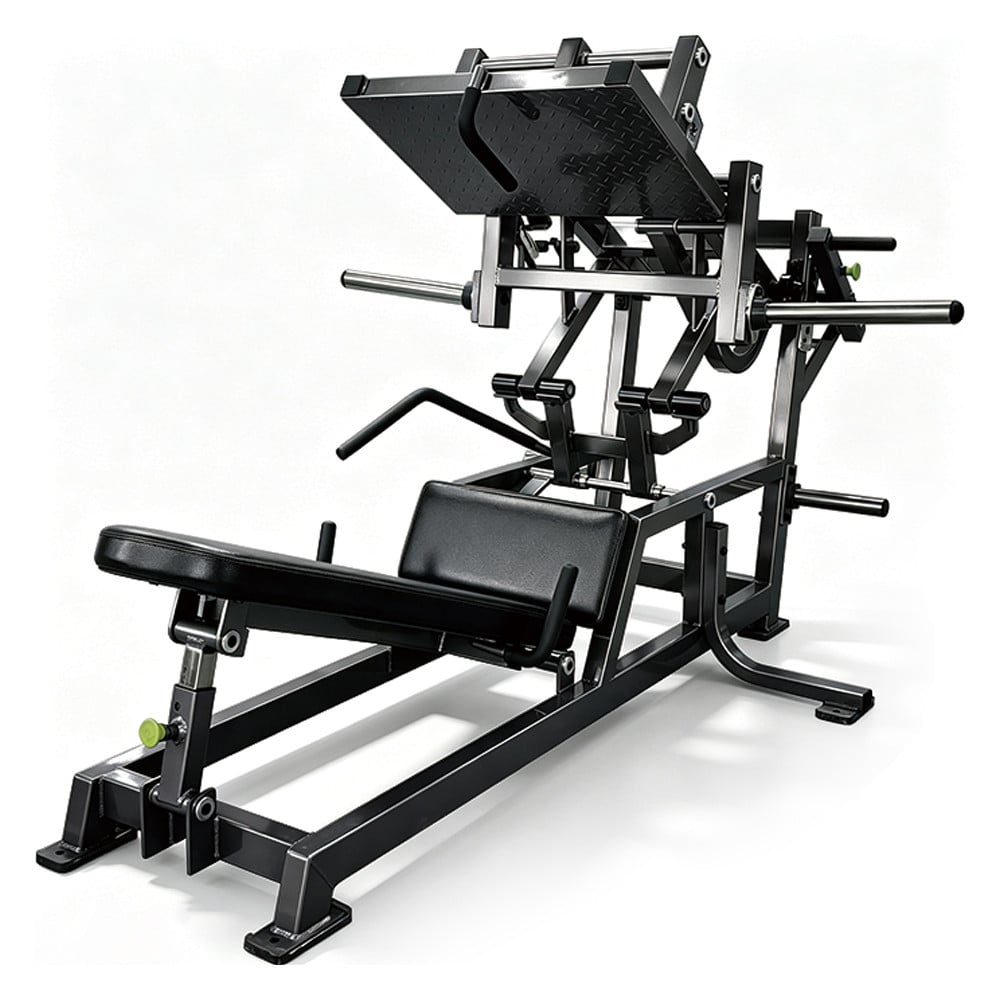
Introducing the plate loaded leg press, a crucial piece of fitness equipment designed for strength training and muscle development. As a B2B buyer, understanding the specifications, sourcing options, and common challenges associated with these machines is essential for making informed purchasing decisions. This article will provide insights into the key specifications to consider, what to look for in a leg press machine, reliable sourcing options, cost factors for bulk purchases, and common problems along with effective solutions.

What to Look for in a Leg Press Machine

What to Look for in a Leg Press Machine

When selecting a plate loaded leg press machine, consider the following factors:

Ergonomics: The design should promote natural body movements. Machines with ergonomic designs reduce the risk of strain and improve workout efficiency.

Durability: Assess the quality of materials used in construction. Machines that undergo rigorous testing and have a robust warranty are typically more reliable.

User Experience: Look for machines that are easy to operate. Features like non-slip footplates and comfortable padding enhance the overall user experience.

Maintenance Requirements: Consider machines that are easy to maintain. Removable parts for cleaning and servicing can save time and extend the life of the equipment.

Brand Reputation: Research manufacturers and their track record in the fitness equipment industry. Companies with a history of quality and customer support are often more trustworthy.

Understanding these factors can lead to smarter purchasing decisions and a better return on investment. Additionally, exploring options like the BD1005 Hip Push Trainer can provide alternative approaches to strength training.

Where to Source Reliable Plate Loaded Leg Press Equipment Wholesale

Where to Source Reliable Plate Loaded Leg Press Equipment Wholesale

Sourcing high-quality plate loaded leg press machines involves several considerations:

Manufacturer Research: Look for manufacturers with a proven track record in fitness equipment production. Companies like XiaoKe Fitness Technology Co., Ltd. that integrate R&D, design, production, and sales offer comprehensive solutions and stable quality through their advanced manufacturing capabilities.

Trade Shows and Expos: Attending fitness equipment trade shows can provide direct access to manufacturers and allow you to inspect machines firsthand. This can help establish relationships and negotiate better deals.

Online Wholesale Platforms: Utilize platforms that specialize in commercial fitness equipment. Ensure the platform has a robust vetting process for suppliers to avoid low-quality products.

Direct Contact with Manufacturers: Engaging manufacturers directly can often yield better pricing and customization options. Discussing your specific needs can lead to tailored solutions that fit your facility’s requirements.

Establishing a reliable source is crucial to ensuring consistent quality and service. Consider looking at options such as the BM1015 Leg Press Machine to enhance your offerings.

Cost Factors When Purchasing Plate Loaded Leg Press Machines in Bulk

Cost Factors When Purchasing Plate Loaded Leg Press Machines in Bulk

Understanding the cost factors involved in purchasing plate loaded leg press machines in bulk can help in budgeting appropriately. Consider the following aspects:

Unit Price: Typically, the more units purchased, the lower the price per unit. Manufacturers may offer bulk discounts, so it's worthwhile to negotiate based on quantity.

Shipping Costs: Freight charges can significantly impact total costs, especially for large machines. Confirm shipping methods and costs upfront to avoid unexpected expenses.

Customization Fees: If specific modifications or branding are required, this may incur additional costs. Discuss these factors early in the negotiation process.

Warranty and Service Contracts: Ensure the pricing includes warranties and service agreements as these can offer long-term savings on repairs and maintenance.

Payment Terms: Understanding payment terms can help manage cash flow. Some manufacturers may require upfront payments, while others may offer installment plans.

Being aware of these factors can help you make a financially sound purchasing decision.

Common Problems with Plate Loaded Leg Press and Effective Solutions

Despite their benefits, plate loaded leg press machines can encounter several common issues:

Mechanical Failures: Regular wear and tear can lead to mechanical failures. Implement a routine maintenance schedule to inspect and service components like pulleys and cables before they fail.

Stability Issues: If a machine feels unstable during use, it may require adjustment or recalibration. Ensure that the machine is installed on a level surface and that all bolts and screws are tight.

User Safety Concerns: Safety features may malfunction or be improperly used, leading to accidents. Conduct regular safety training for gym staff and users on proper usage.

Weight Plate Compatibility: Some machines may not be compatible with all weight plates. Verify compatibility with existing equipment to avoid purchasing additional weights.

Addressing these issues proactively can enhance the longevity and safety of your leg press machines, ensuring a better user experience and minimizing downtime. Investing in high-quality plate loaded leg press machines from reputable manufacturers like XiaoKe Fitness Technology Co., Ltd. ensures that you meet the needs of your clientele while maintaining operational excellence in your facility.

Key Specifications of Plate Loaded Leg Press Machines for Buyers

When evaluating plate loaded leg press machines, several key specifications should be prioritized:

Weight Load Capacity: The maximum weight the machine can handle is critical. Higher capacities are necessary for heavier lifters and can influence the choice of materials and construction. Typically, a capacity of 400-1000 lbs is common, but this should be matched to the expected users.

Dimensions: The overall size, including length, width, and height, should accommodate the gym environment. A compact design may be preferred for smaller spaces, while larger facilities may opt for more substantial machines that offer additional features.

Frame Construction: High-quality steel frames are standard, but the gauge of the steel impacts durability and stability. A frame made from at least 11-gauge steel is often recommended for commercial use.

Adjustability Features: The presence of adjustable footplates, backrests, and seat positions can enhance user comfort and accommodate various body types, making these features crucial for commercial settings.

Safety Features: Look for machines with safety locks or stops to prevent accidents during use, especially when dealing with heavy weights.

These specifications are vital for ensuring that the leg press machine meets the demands of your facility and provides a safe and effective workout experience.

Get a Free Quote

Our representative will contact you soon.
0/1000