Quality One Leg Press Machines for Fitness Facilities

Kpeakfit, full-chain manufacturer with 10+ years & 90,000㎡ workshop.

Exhibit at IWF Shenzhen(H4A10) & WFF Shaoxing for global buyers.

Certified fitness gear, one-stop service for worldwide partners.

application/one-leg-press-machine, application/one-leg-press-machine, 
Inquiry
Inquiry

one leg press machine

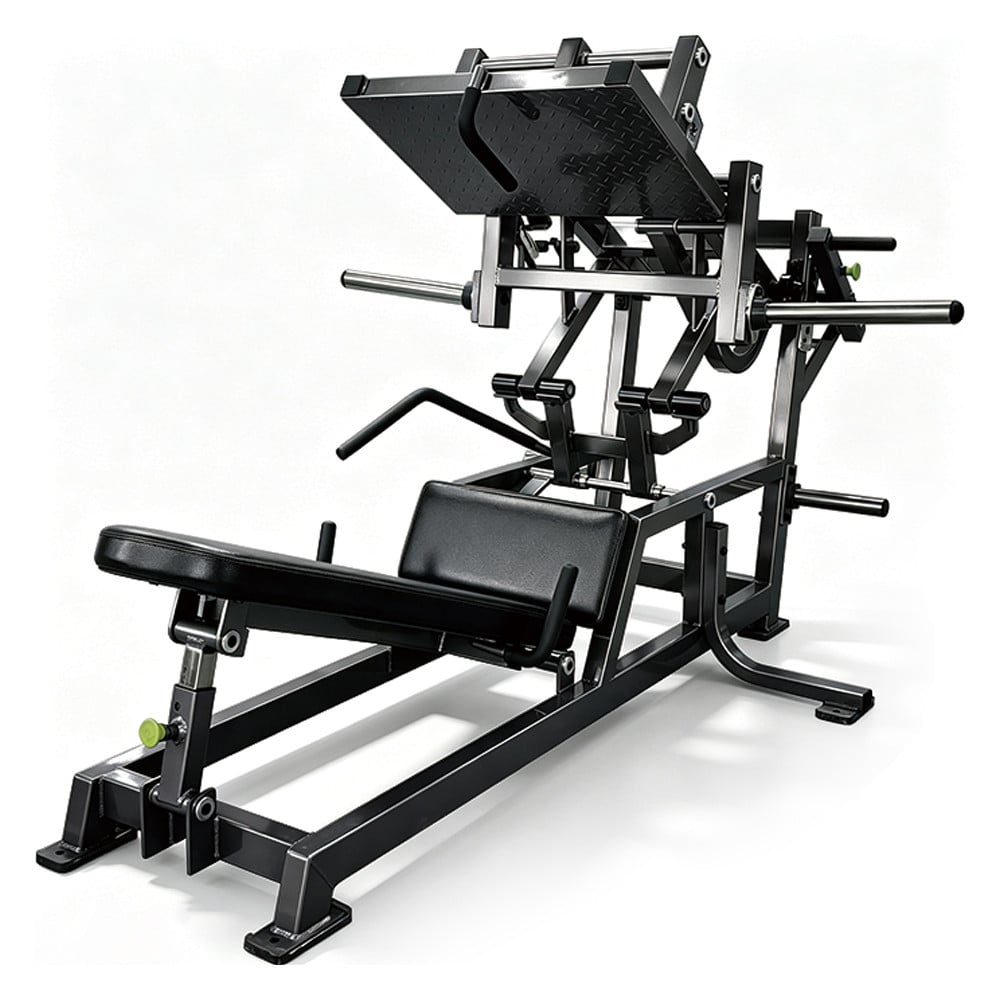
The one leg press machine is a specialized piece of fitness equipment designed to target the leg muscles effectively, providing a unique training experience. For B2B buyers, including gyms, fitness centers, and distributors, concerns often revolve around quality, cost, and application suitability. This article will guide you through essential considerations when selecting a one leg press machine, from evaluating suppliers to understanding common issues and their solutions.

Cost Factors for Bulk Orders of One Leg Press Machines Explained

Cost Factors for Bulk Orders of One Leg Press Machines Explained

Pricing for bulk orders of one leg press machines can vary significantly based on several factors. First, the material cost plays a crucial role. Suppliers often use different grades of steel or alternative materials, which can affect both the price and the machine's durability. Understanding these material choices will help you weigh cost against quality.

Another factor is the order quantity. Typically, suppliers offer discounts for larger orders, so understanding your projected demand can help in negotiations. Additionally, consider the delivery and shipping costs, especially if you are importing the machines. These can add a significant amount to the total cost, so clarify whether the quoted price includes shipping, and what the lead times are.

Customization options can also influence pricing. If you require specific features tailored to your market or clientele, this can increase the unit price but may be worth the investment for added functionality and market appeal. Always confirm the minimum order quantity (MOQ) to ensure that your bulk order aligns with your budget and operational needs.

Common Problems with One Leg Press Machines and Their Solutions

Common Problems with One Leg Press Machines and Their Solutions

Despite their effectiveness, one leg press machines can present several common issues that buyers should be aware of. One frequent problem is instability during use. This can arise from improper assembly or inadequate weight distribution. To mitigate this risk, ensure the supplier provides clear assembly instructions and consider requesting a demonstration or sample unit before placing a bulk order.

Another issue is wear and tear on moving parts, particularly if the machines are used frequently. Regular maintenance and inspections can help identify problems early. It's advisable to discuss with the supplier about the availability of replacement parts and their recommended maintenance schedules.

Lastly, users may experience discomfort if the machine is not ergonomically designed. Make sure to evaluate the machine's specifications, such as the angle of the seat and the adjustability of the footplate. A well-designed machine will enhance user comfort and encourage consistent use.

Applications of One Leg Press Machines in Fitness Facilities and Gyms

Applications of One Leg Press Machines in Fitness Facilities and Gyms

One leg press machines are versatile additions to fitness facilities and gyms, serving various applications beyond traditional leg workouts. They are particularly beneficial for rehabilitation and physical therapy, allowing users to strengthen specific leg muscles following injuries. Additionally, personal trainers often use them for customized workout plans that target individual weaknesses or imbalances in strength. Furthermore, incorporating Multifunctional Equipment can provide even more training options.

In commercial gyms, these machines can attract diverse clientele, including athletes looking to improve their performance or fitness enthusiasts seeking to enhance their lower body strength. The adaptability of one leg press machines makes them suitable for a wide range of fitness levels, from beginners to advanced users.

Moreover, these machines can complement other workout equipment, providing a comprehensive training experience. By integrating one leg press machines into a broader fitness regimen, gyms can enhance their offerings and improve member satisfaction.

Features and Benefits for Buyers

When selecting a one leg press machine, understanding the features and benefits is crucial for making an informed purchasing decision. Key features to look for include adjustable footplates and seats, which allow users of different heights and leg lengths to use the machine comfortably. Additionally, machines with multiple weight stack options can offer greater flexibility for strength training.

Another essential feature is the machine's construction quality. Durable materials and robust design not only ensure longevity but also enhance safety during use. A solid machine will provide stable support, reducing the risk of injury during workouts.

Furthermore, consider the machine's footprint and design. Space-saving models may be more appealing for gyms with limited floor space, while aesthetic considerations can also play a role in purchasing decisions. Machines that fit well with the overall gym design can enhance the facility's visual appeal and encourage usage.

A well-chosen one leg press machine can significantly benefit fitness facilities by offering versatility and durability. By understanding the quality of the supplier, cost factors, common issues, applications, and essential features, buyers can make informed decisions that align with their operational goals and customer needs.

How to Evaluate the Quality of Your One Leg Press Machine Supplier

When evaluating a supplier for one leg press machines, consider several key factors. First, review their manufacturing capabilities. A reputable supplier, like XiaoKe Fitness Technology Co., Ltd., should have advanced automated production lines and a facility large enough to handle high-volume orders. Ask about their quality control processes, including how they ensure consistency across production runs and what certifications they hold, which can indicate adherence to industry standards.

Next, assess the materials used in their machines. High-quality steel and durable finishes not only enhance performance but also prolong the equipment's lifespan. Ensure the supplier provides detailed specifications on the materials, as this impacts the machine's stability and user safety. Additionally, inquire about their experience in exporting to your market, as familiarity with local regulations can expedite the purchasing process. For example, you might want to explore Series Strength Equipment for additional options.

Lastly, ask for customer references or case studies to gauge their service quality and reliability. A supplier that values customer feedback and demonstrates a commitment to improving their products is often a trustworthy choice.

Get a Free Quote

Our representative will contact you soon.
0/1000