Choosing the Best Commercial Leg Press for Gyms

Kpeakfit, full-chain manufacturer with 10+ years & 90,000㎡ workshop.

Exhibit at IWF Shenzhen(H4A10) & WFF Shaoxing for global buyers.

Certified fitness gear, one-stop service for worldwide partners.

application/commercial-leg-press, application/commercial-leg-press, 
Inquiry
Inquiry

commercial leg press

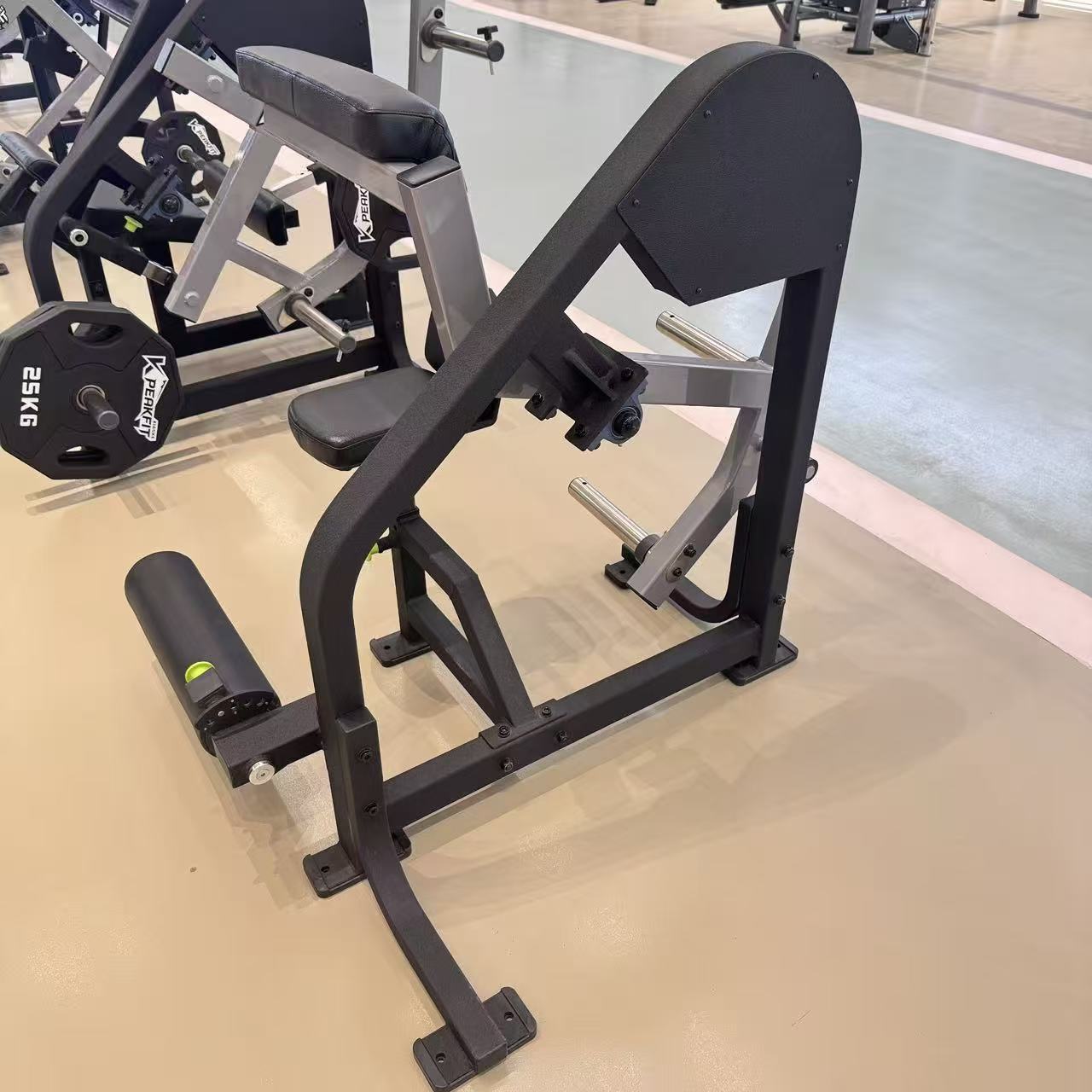
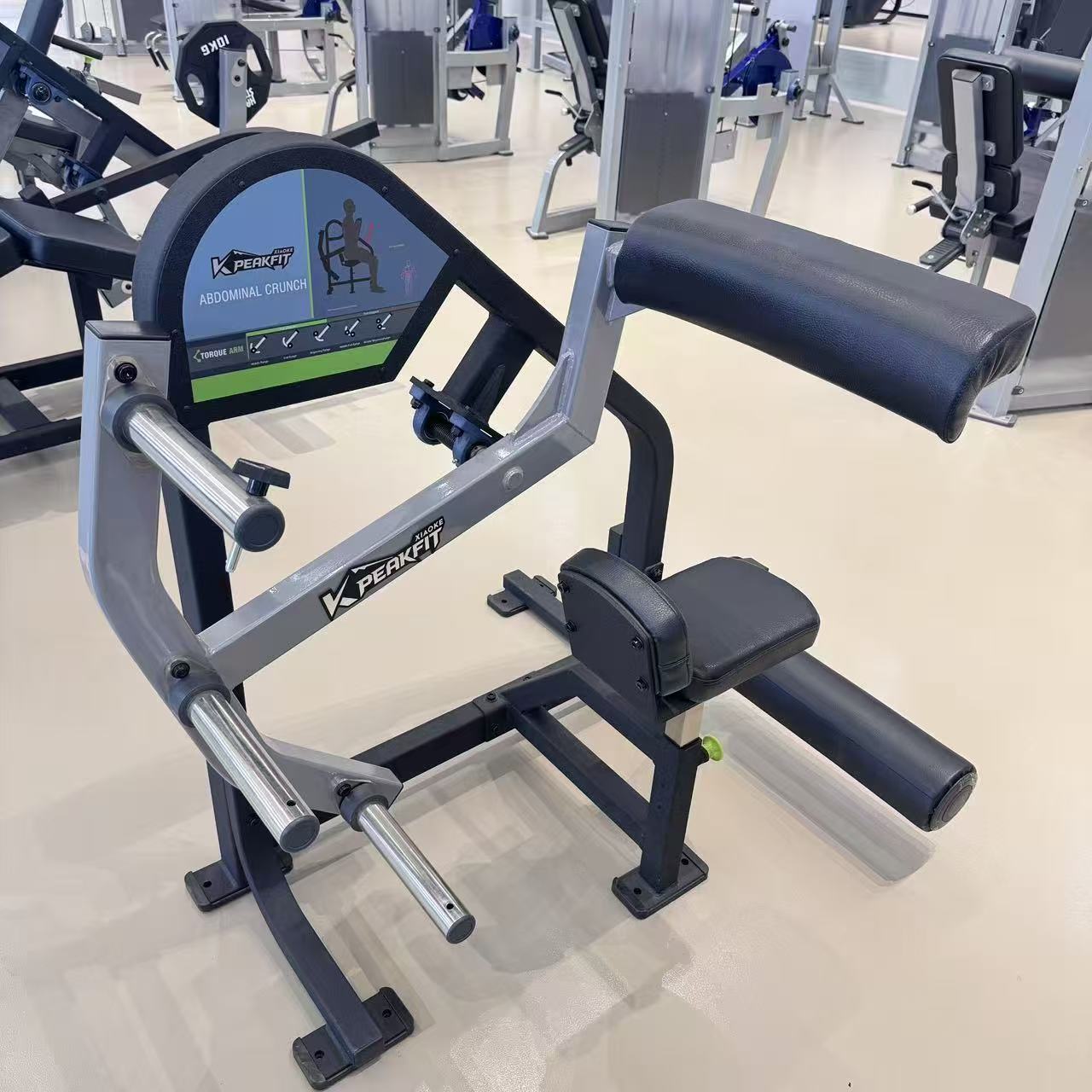
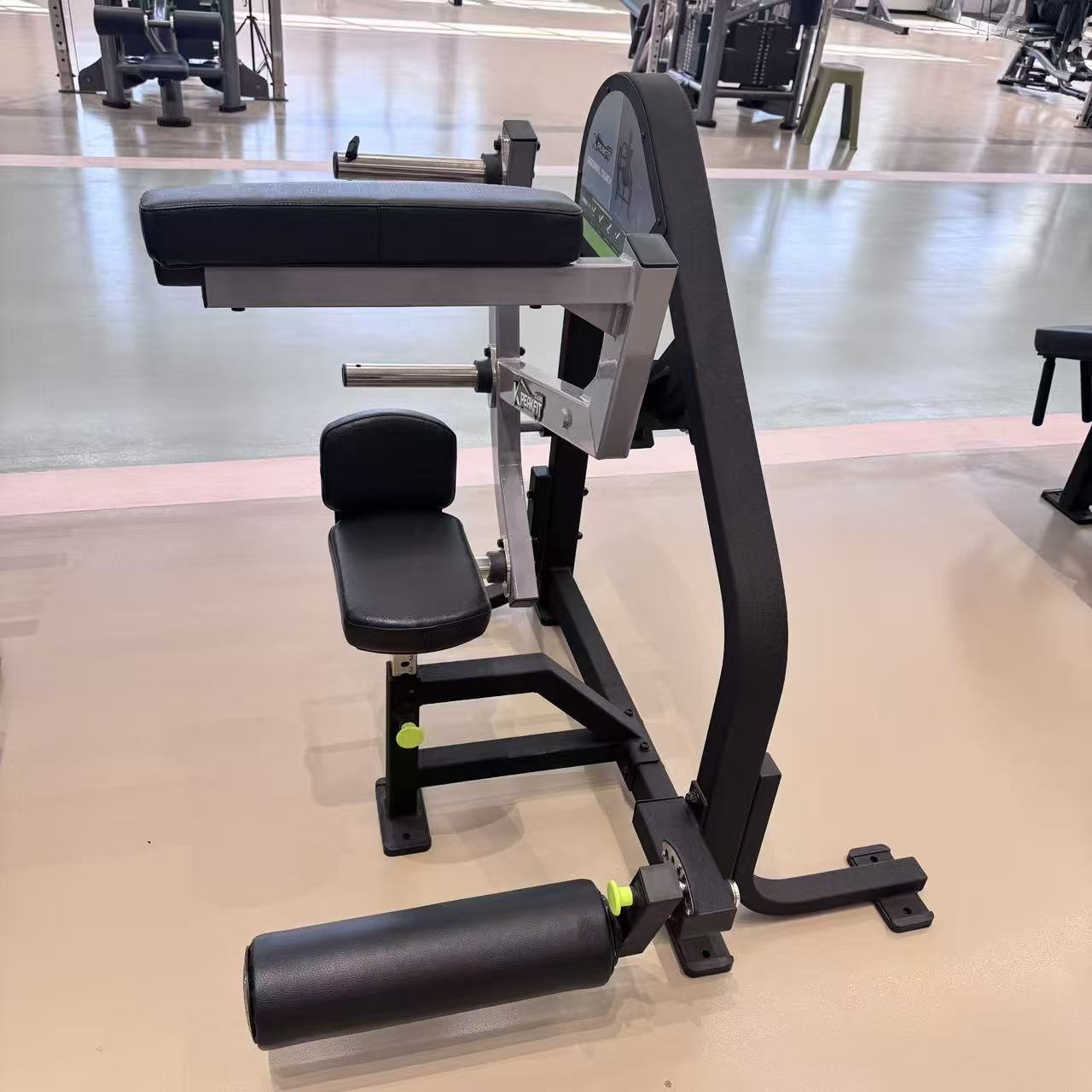
When considering the procurement of fitness equipment for commercial facilities, the commercial leg press stands out as a critical machine for strength training. This equipment is designed for effective lower body workouts, targeting the quadriceps, hamstrings, and glutes. For purchasing managers and facility operators, the concerns typically revolve around quality, durability, customization options, and cost-effectiveness. This article will explore essential factors to consider when selecting a commercial leg press, offering guidance on specifications, sourcing, and supplier evaluation. Additionally, integrating machines like the BD1005 Hip Push Trainer can complement leg press workouts by enhancing glute strength.

Where to Source Reliable Suppliers for Commercial Leg Press Equipment

Where to Source Reliable Suppliers for Commercial Leg Press Equipment

When embarking on a wholesale purchase of commercial leg presses, it's essential to have a clear understanding of your requirements. Start by determining the expected order volume, which will influence pricing and lead times. Most manufacturers, including XiaoKe Fitness Technology Co., Ltd., may offer tiered pricing based on order quantity, so understanding your minimum order quantity (MOQ) is crucial.

Prepare a detailed request for quotation (RFQ) that includes specifications such as model type, desired features (e.g., adjustable settings or safety features), and any customization needs. Providing precise information will streamline the procurement process and help avoid misunderstandings later.

Furthermore, maintaining open communication with suppliers throughout the purchasing process can help clarify expectations regarding delivery timelines and quality assurance measures.

What Buyers Should Know

What Buyers Should Know

When sourcing a commercial leg press, certain specifications are pivotal to ensure the equipment meets quality and performance standards:

Weight Capacity: Verify the machine's maximum weight capacity to ensure it can accommodate all users. Look for machines designed to handle high loads, as they will typically be more durable.

Frame Material: The frame should be constructed from high-quality steel or aluminum, offering strength and resistance to wear over time. Ensure that the finish is corrosion-resistant to prolong the equipment's lifespan.

Dimensions: Assess the overall dimensions of the leg press to ensure it fits your space. Additionally, consider the dimensions of the footplate and seat to provide a comfortable workout experience for users of varying sizes.

Safety Features: Check for safety features such as secure locking mechanisms and padded surfaces to prevent injuries during use. These attributes are essential in a commercial setting where multiple users will operate the equipment.

Warranty and Support: A robust warranty can indicate the manufacturer's confidence in their product. Evaluate the terms of the warranty and the level of customer support provided.

Common Problems with Commercial Leg Presses and Effective Solutions

Common Problems with Commercial Leg Presses and Effective Solutions

The cost of bulk orders for commercial leg presses involves various factors that can influence the final price. Key considerations include:

Material and Manufacturing Costs: The choice of materials and the complexity of the manufacturing process will significantly affect the cost. Higher-quality materials and more intricate designs usually command higher prices.

Customization: Custom features, such as branding or specific design modifications, can also increase costs. Ensure that any customization aligns with your facility's branding and user needs.

Shipping and Handling: Shipping costs can vary based on distance, weight, and shipping method. It’s advisable to inquire about shipping options and potential discounts for bulk orders.

Import Duties and Taxes: If purchasing from international suppliers, be aware of any import duties and taxes that may apply, as these can add to the overall cost.

By understanding these factors, purchasing managers can better budget for their orders and negotiate effectively with suppliers.

Applications of Commercial Leg Press in Fitness Facilities and Gyms

Finding reliable suppliers for commercial leg presses requires thorough research and due diligence. Start by exploring manufacturers with a proven track record in fitness equipment production. Companies like XiaoKe Fitness Technology Co., Ltd., which integrate R&D, design, production, and sales, often provide a comprehensive offering that ensures quality control and consistency.

Utilize industry trade shows and fitness equipment expos to meet suppliers in person and assess their offerings. Networking within industry associations can also yield valuable recommendations and insights.

Additionally, consider supplier reviews and testimonials from other fitness facilities to gauge experiences with customer service, equipment reliability, and after-sales support. Always request samples or arrange for demonstrations to evaluate the quality and functionality of the leg press machines before finalizing any orders.

By following these guidelines, purchasing managers and facility operators can make informed decisions when selecting and procuring commercial leg presses, ensuring that their investment enhances the overall quality of their fitness offerings.

How to Choose the Right Commercial Leg Press for Your Project Needs

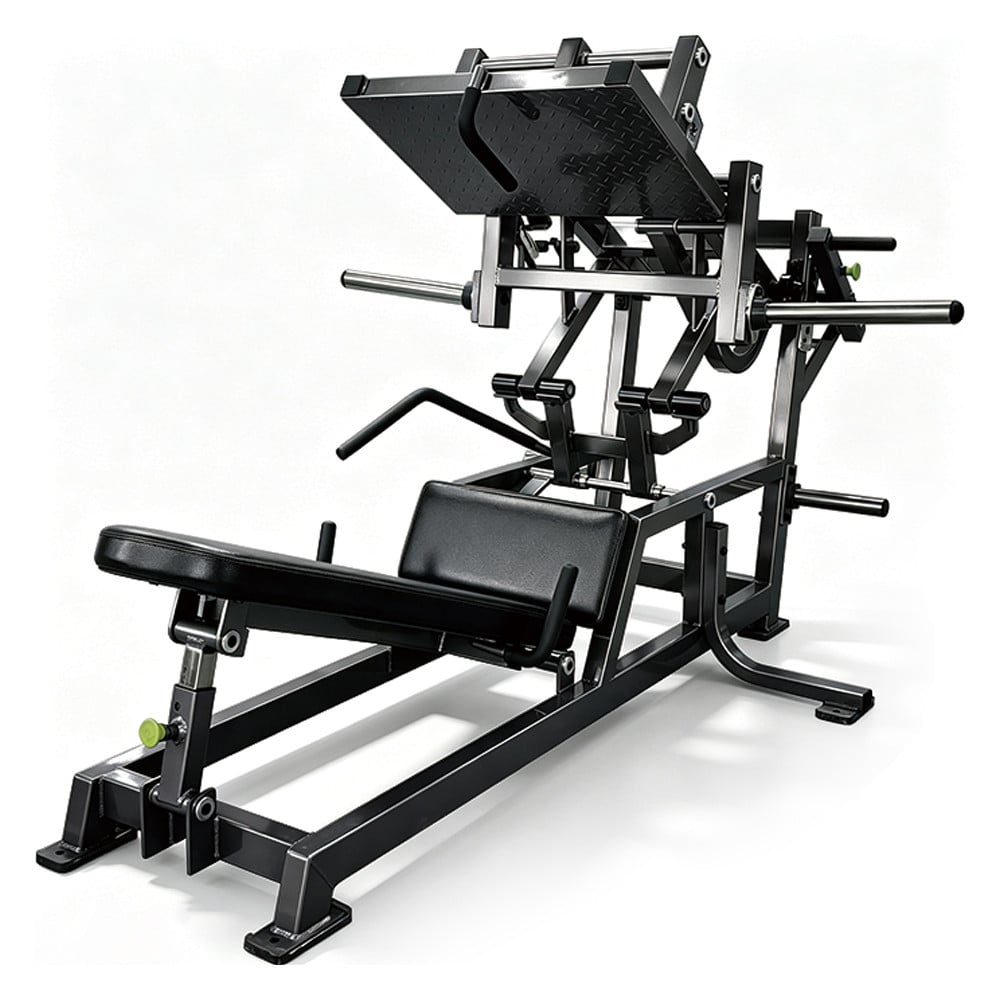
Selecting the right commercial leg press involves understanding the specific needs of your facility and clientele. Key considerations include the machine's design, weight capacity, and user-friendliness. For instance, a leg press with an adjustable seat and footplate can accommodate users of different sizes, enhancing accessibility and comfort. Additionally, consider the machine's footprint and whether it fits within your gym's layout.

Another aspect to evaluate is the type of leg press—horizontal or vertical. Horizontal leg presses generally provide a more natural movement and are easier for users to access, while vertical models can save space. It’s important to assess your audience's preferences and the space available to ensure the chosen model aligns with user expectations. You might also explore options like the BD1004 Hack Squat Trainer for versatile leg training.

Frequently Asked Questions

What is the commercial leg press designed for?

A heavy-duty machine for commercial gyms, designed to deliver safe, high-load lower-body training and durable daily use in high-traffic environments.
Constructed with high-strength steel, precision welding, and commercial-grade finishes produced in our automated facility for consistent quality and durability.
Offers high maximum weight capacity suitable for advanced users, with selectable plate loading or integrated weight stacks depending on configuration.
We provide installation guidance, user manuals, and recommended maintenance schedules; spare parts are available through our service channels for long-term support.
Yes. We offer customization of color, upholstery, and optional features through our design and production capabilities to meet facility requirements.

Get a Free Quote

Our representative will contact you soon.
0/1000