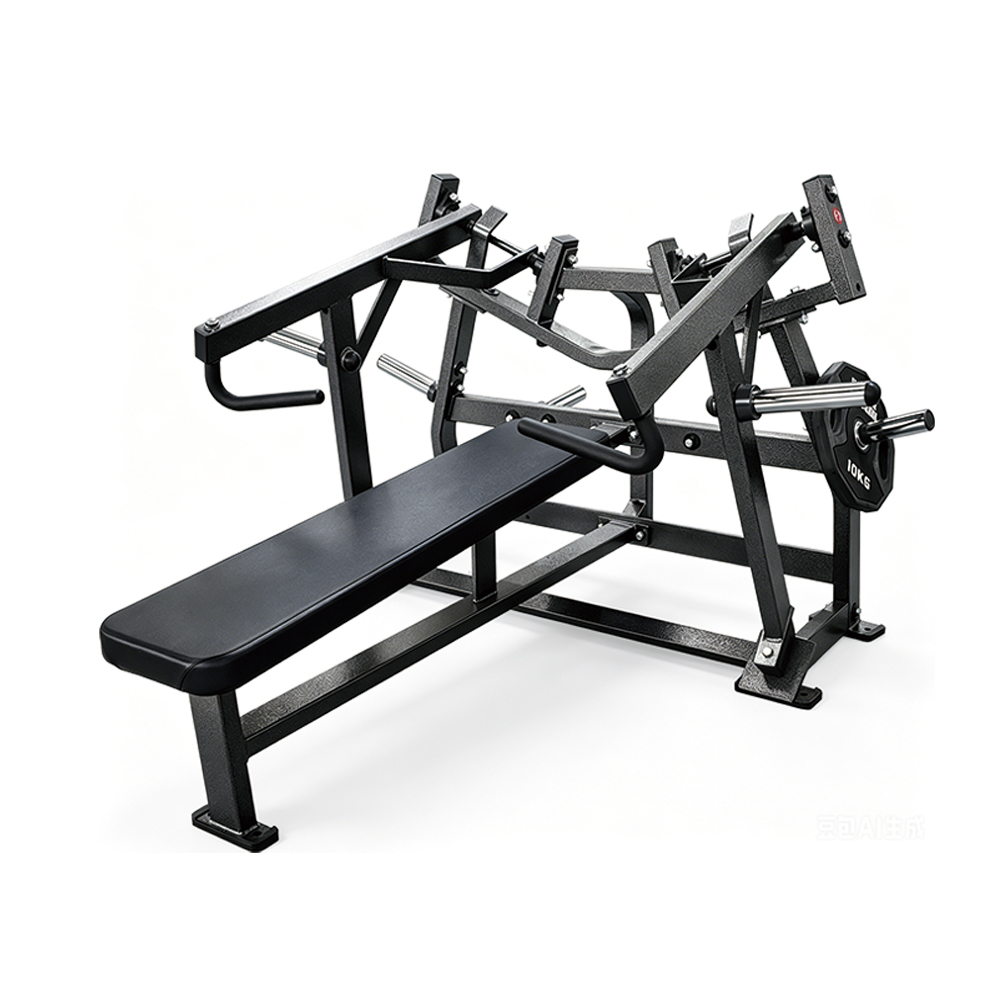
Reliable Gym Leg Press Machines for Wholesale Purchase

Kpeakfit, full-chain manufacturer with 10+ years & 90,000㎡ workshop.

Exhibit at IWF Shenzhen(H4A10) & WFF Shaoxing for global buyers.

Certified fitness gear, one-stop service for worldwide partners.

application/gym-leg-press-machine, application/gym-leg-press-machine, 
Inquiry
Inquiry

gym leg press machine

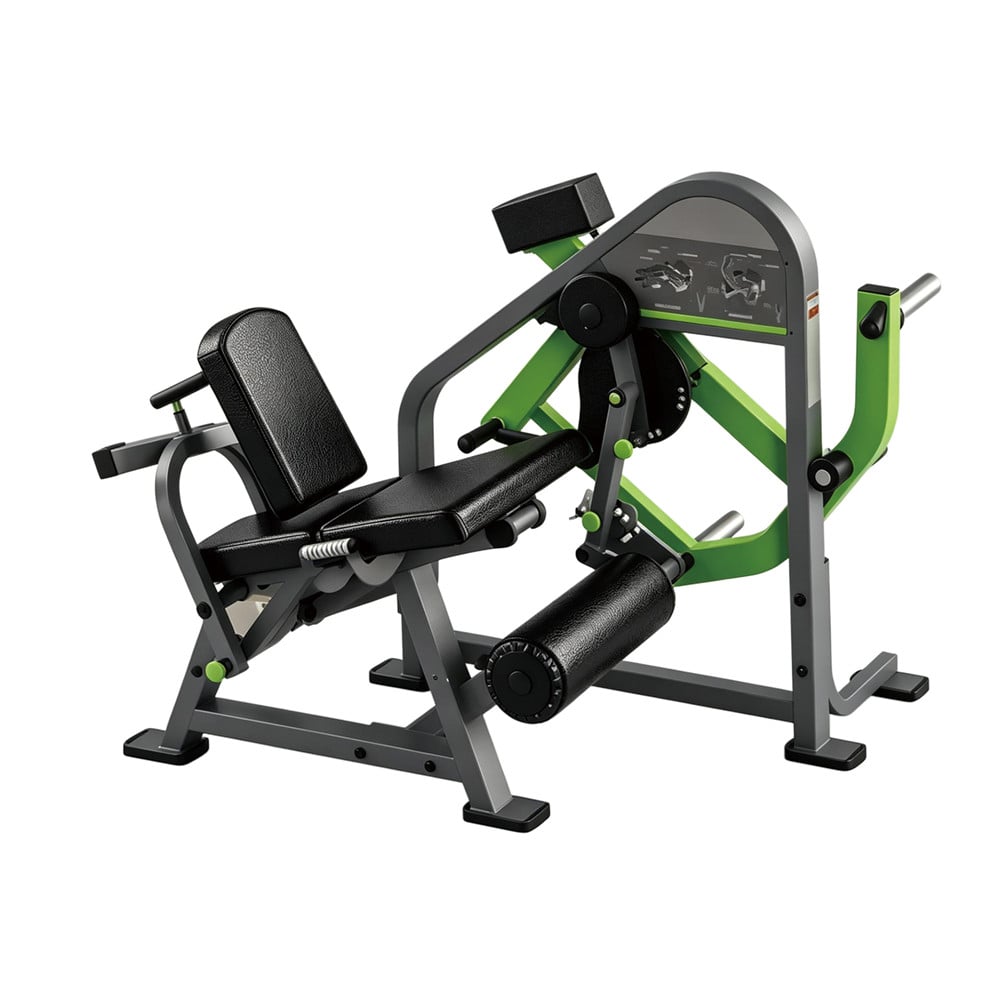
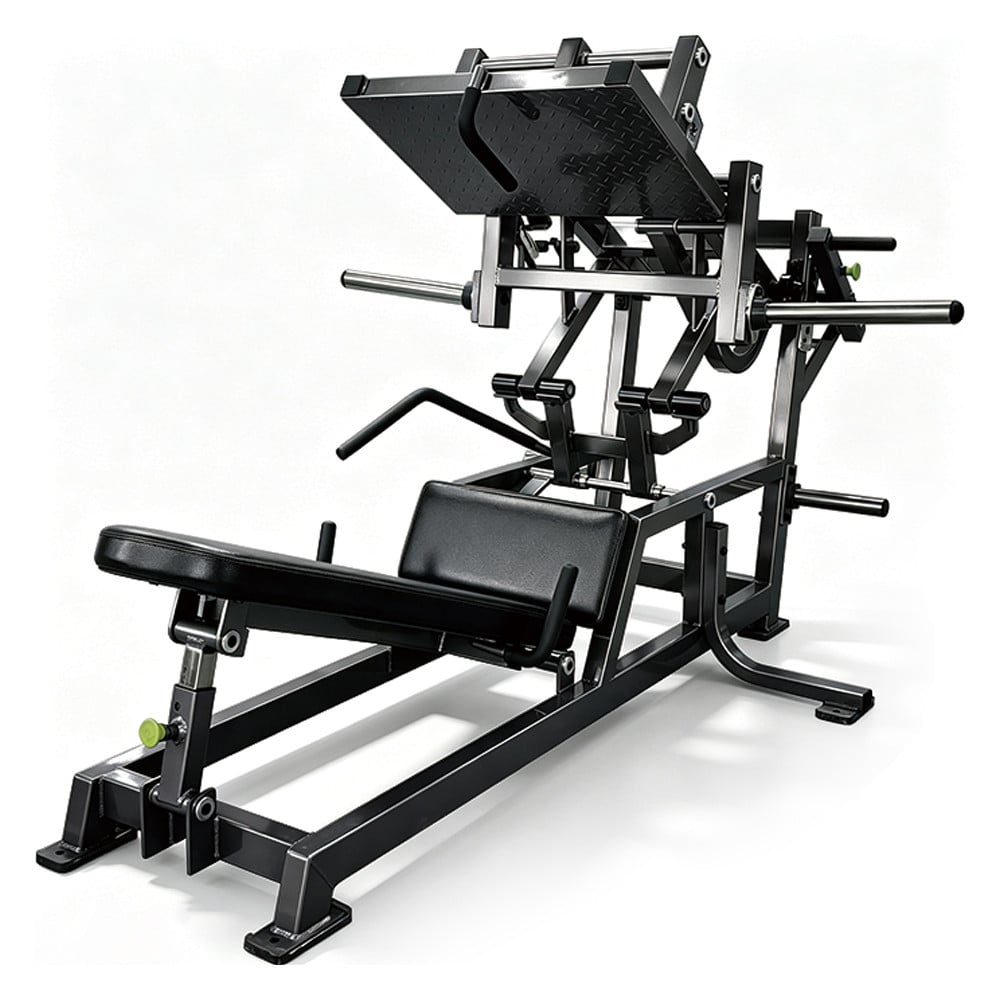
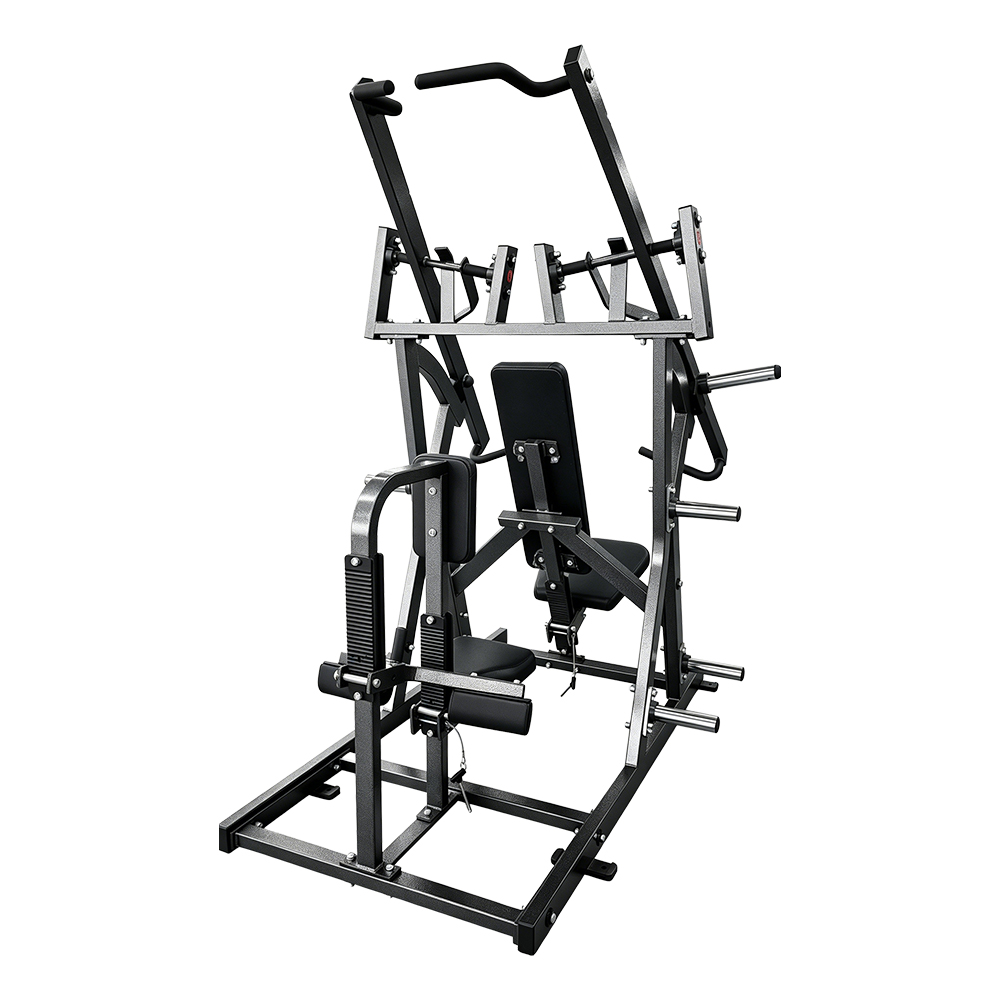
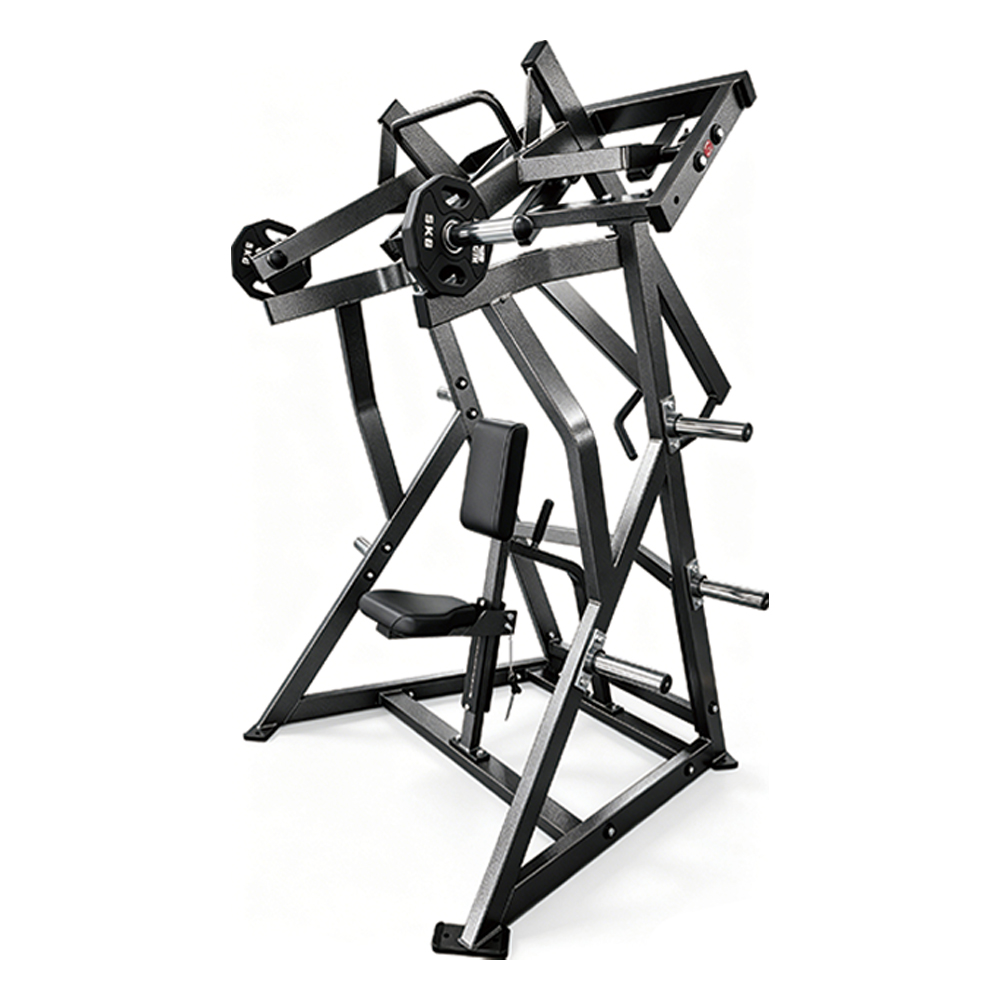
The gym leg press machine is a staple in fitness facilities, designed to target and strengthen the lower body, particularly the quadriceps, hamstrings, and glutes. For B2B buyers, such as gym owners, fitness equipment distributors, and purchasing managers in health clubs, sourcing a reliable gym leg press machine is critical. This article will address key considerations for sourcing, costs, installation, common issues, and the applications of these machines in commercial settings, equipping you with the knowledge needed to make informed purchasing decisions.

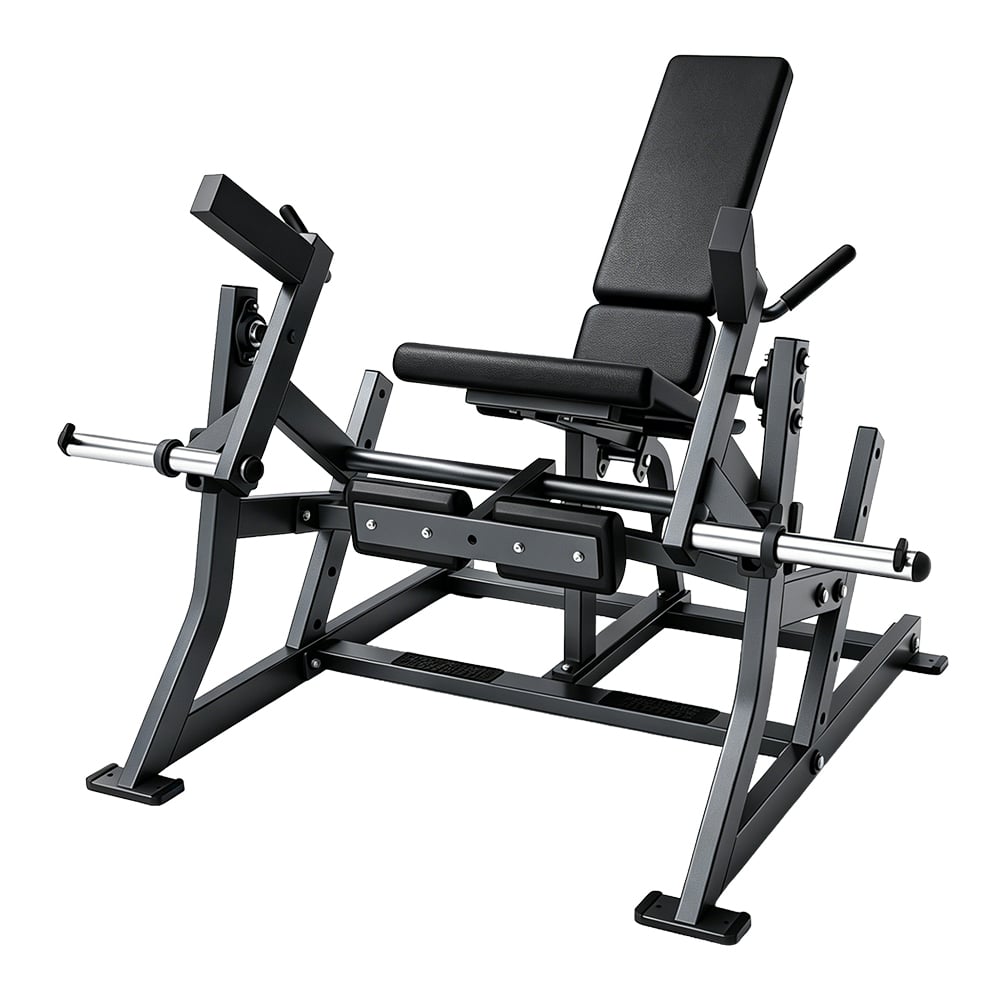
Cost Factors to Consider When Purchasing Gym Leg Press Machines

Cost Factors to Consider When Purchasing Gym Leg Press Machines

Pricing for gym leg press machines is influenced by several factors, which buyers must consider to make cost-effective decisions. Key aspects include:

Material Quality: Higher-quality materials may incur higher upfront costs but can offer greater durability and longevity, reducing replacement frequency.

Design Complexity: Advanced features, such as adjustable weight stacks, ergonomic designs, or multifunctional capabilities, can add to the cost but may also enhance user experience and equipment value. For example, consider looking into Multifunctional Equipment that can serve various training needs.

Order Volume: Manufacturers often provide discounts for bulk orders. Understanding minimum order quantities (MOQ) can help you negotiate better pricing structures.

Shipping and Handling: Costs associated with logistics, including freight charges and customs duties, should be factored into the total purchase price. Sourcing from a manufacturer with efficient shipping processes can minimize these costs.

After-Sales Support: Consider suppliers that offer warranties or maintenance services, as these can affect the long-term cost of ownership.

Understanding these factors helps buyers develop a comprehensive budget and ensures they are prepared for potential additional costs beyond the purchase price.

Installation Guidance for Optimal Use of Gym Leg Press Machines

Installation Guidance for Optimal Use of Gym Leg Press Machines

Proper installation of gym leg press machines is crucial for optimal performance and user safety. Here are some essential guidelines:

Site Assessment: Before installation, evaluate the intended location for sufficient space and structural integrity to support the machine's weight and usage. Ensure the flooring can withstand heavy use and any potential movement during operation.

Assembly Instructions: Follow the manufacturer’s assembly instructions carefully. This may involve securing bolts, aligning components, and ensuring that all parts are functioning correctly.

Leveling and Stability: Once assembled, ensure the machine is level. Use adjustable feet or rubber pads to stabilize the machine, preventing wobbling during use.

Safety Checks: Conduct safety checks post-installation, including testing weight stacks and ensuring that moving parts operate smoothly without obstruction. Regularly inspect the machine to maintain safety standards.

User Education: Provide training for users on the correct operation of the leg press machine. This can include demonstrating proper techniques and discussing safety precautions to prevent injuries.

Following these guidelines will help maximize the machine's lifespan and enhance user satisfaction.

Common Problems with Gym Leg Press Machines and Effective Solutions

Common Problems with Gym Leg Press Machines and Effective Solutions

Despite their robust design, gym leg press machines can encounter issues over time. Here are some common problems and how to address them:

Weight Stack Malfunctions: If the weight stack is not functioning correctly, it may be due to misalignment or damaged pulleys. Regularly inspect and lubricate moving parts to prevent wear and ensure smooth operation.

Seat Adjustment Issues: Problems with seat adjustments can arise from worn-out mechanisms or lack of lubrication. Periodic maintenance checks and timely replacement of parts can remedy this.

Noise During Operation: Unusual sounds can indicate loose components or the need for lubrication. Regular inspections can help identify issues before they escalate.

Wear and Tear: Frequent use can lead to general wear and tear. Establish a maintenance schedule to address potential issues proactively, extending the life of the equipment.

User Safety Concerns: Ensuring that users are educated on safe practices can mitigate injury risks. Regular training and signage can reinforce proper usage techniques.

By addressing these common problems with proactive maintenance and user education, gym facilities can reduce downtime and enhance user experience.

Applications of Gym Leg Press Machines in Commercial Settings

Gym leg press machines are versatile pieces of equipment found in various commercial settings, including:

Fitness Centers: In general fitness facilities, leg press machines provide an effective way for members to build lower body strength, catering to a wide range of fitness levels.

Rehabilitation Centers: These machines are often used in physical therapy to help patients regain strength and mobility after injury, allowing for controlled and safe exercise.

Sports Training Facilities: Athletes can benefit from targeted leg workouts to improve performance. Customizable settings enable tailored workout plans according to individual training regimens.

Corporate Gyms: Companies focusing on employee wellness can incorporate leg press machines into their onsite fitness facilities, promoting health and productivity among staff.

Personal Training Studios: Personal trainers utilize leg press machines to offer clients focused strength training sessions, enhancing their overall fitness programs.

Understanding these applications can help buyers determine the best placement and usage strategies for gym leg press machines in their facilities, maximizing both user engagement and equipment utilization.

Where to Source Reliable Gym Leg Press Machines for Wholesale

When sourcing gym leg press machines for wholesale, it is essential to find a manufacturer that combines quality with reliability. Look for suppliers that offer comprehensive manufacturing capabilities, such as design, production, and post-sale support. A company like XiaoKe Fitness Technology Co., Ltd., with its advanced automated production lines and a 90,000 square meter facility, promises high-precision manufacturing and stable quality, essential for bulk orders. Additionally, consider exploring Series Strength Equipment options to enhance your gym offerings.

Consider checking certifications that validate quality control processes and adherence to industry standards. Additionally, explore manufacturers that provide customization options to cater to specific market needs, including variations in size, weight capacity, and features. A strong reputation in export markets can also be a sign of reliability, ensuring that the machines are designed to meet diverse international standards.

Frequently Asked Questions

What are the main features of the gym leg press machine?

Our leg press offers high-precision frame, adjustable seat and footplate, smooth linear bearings, multiple resistance settings, and durable powder-coated steel for commercial use, manufactured in our automated 90,000 m² facility.
Constructed from heavy-gauge steel with corrosion-resistant coating, reinforced welds, commercial-grade bearings and upholstery. Produced on advanced automated lines to ensure consistent high-quality manufacturing.
Dimensions and capacity vary by model; typical commercial units support 600–1000 kg load. Contact us with your model needs for exact specifications and customization.
Yes. We provide assembly guidance, installation services or manuals, spare parts access, and technical support to ensure stable long-term operation for global customers.
Yes. We offer customization of seat angles, footplate size, resistance options, colors and branding to meet specific commercial or rehabilitation requirements.

Get a Free Quote

Our representative will contact you soon.
0/1000