Choosing Leg Press Gym Equipment for Your Facility

Kpeakfit, full-chain manufacturer with 10+ years & 90,000㎡ workshop.

Exhibit at IWF Shenzhen(H4A10) & WFF Shaoxing for global buyers.

Certified fitness gear, one-stop service for worldwide partners.

application/leg-press-gym, application/leg-press-gym, 
Inquiry
Inquiry

leg press gym

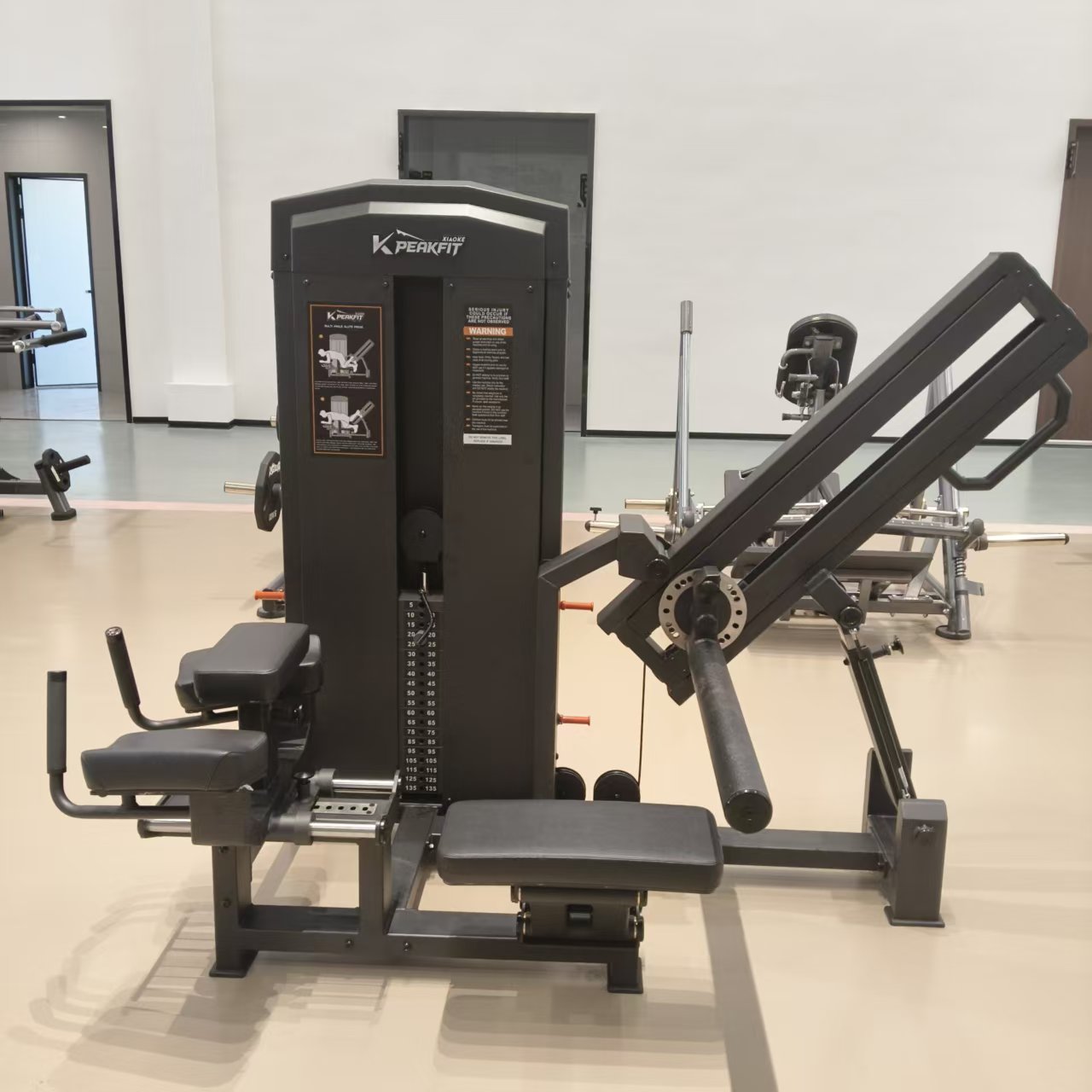
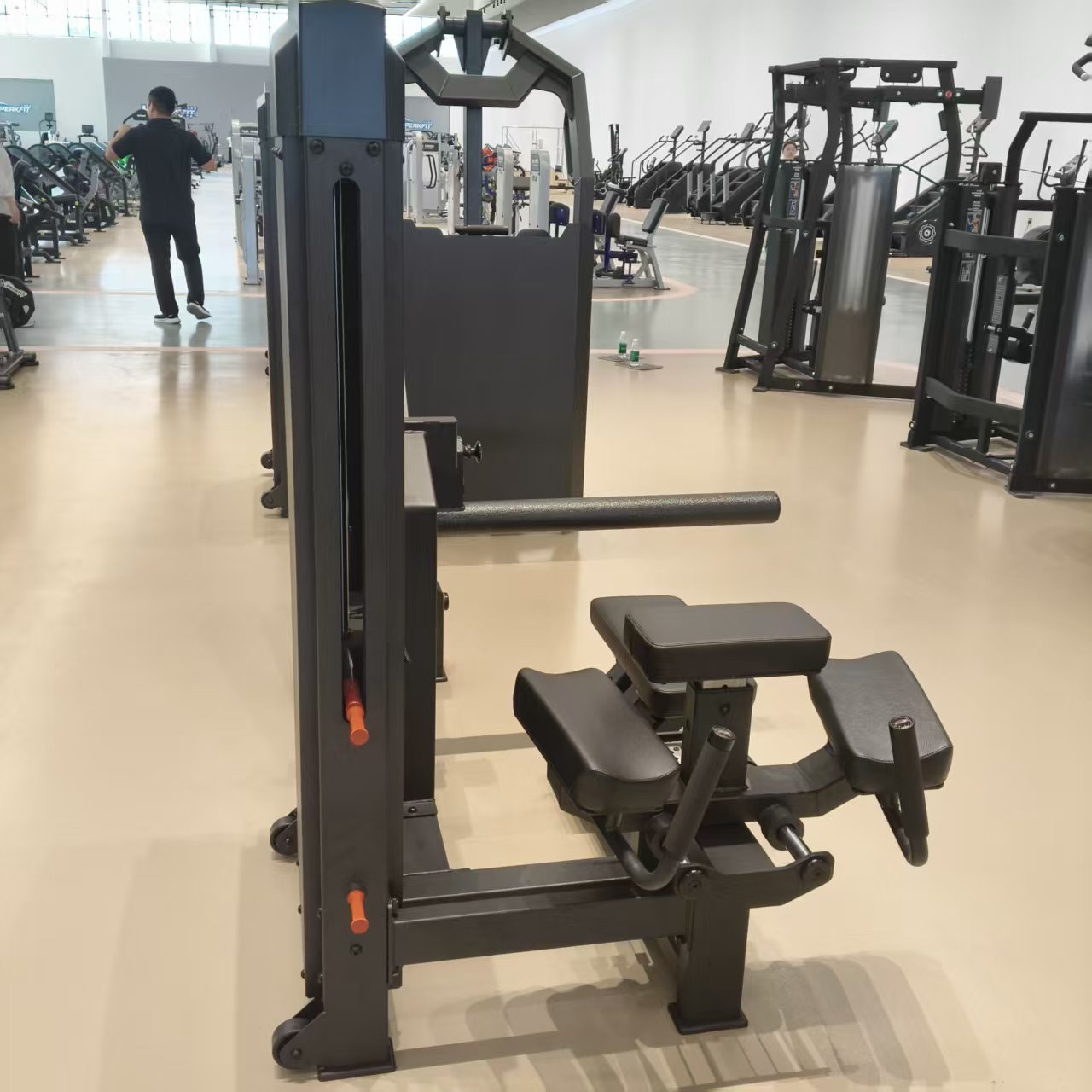
Choosing the right leg press gym equipment is crucial for commercial fitness facilities aiming to provide optimal workout experiences for their clients. The leg press machine, designed to target the lower body muscles, is a staple in any gym. However, B2B buyers, such as purchasing managers and fitness center owners, often face challenges in selecting the right equipment due to variations in specifications, materials, and installation requirements. This article will guide you through the essential factors to consider when purchasing leg press gym machines, ensuring you make informed decisions that meet your facility's needs.

Key Specifications to Evaluate in Leg Press Gym Machines

Key Specifications to Evaluate in Leg Press Gym Machines

When evaluating leg press gym machines, several specifications are crucial for ensuring quality and performance.

Construction Material: Look for machines made from high-grade steel, which offers strength and durability. Some manufacturers also use heavy-duty plastics for components like seat cushions. This combination can enhance the longevity of the equipment.

Dimensions: The dimensions of the machine will affect its usability. Ensure that the seat height and footplate size are suitable for the average user, while also accommodating taller individuals.

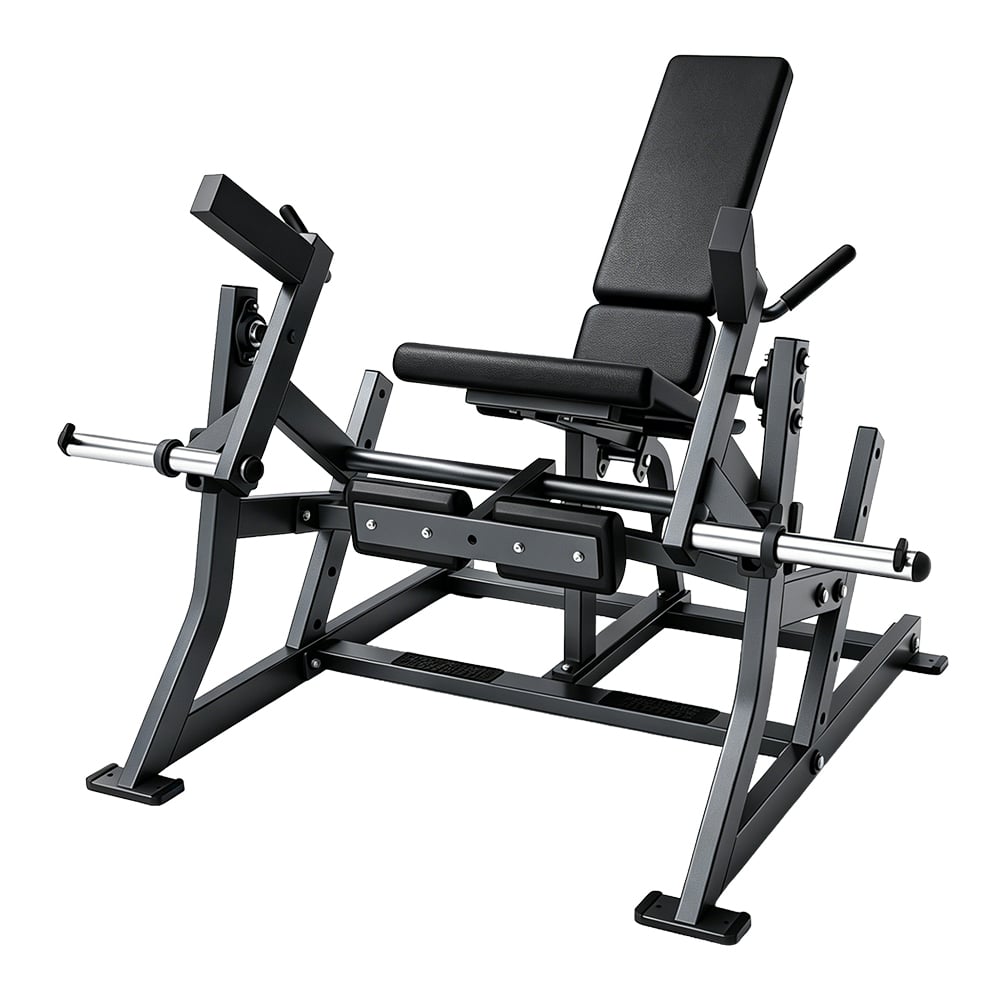
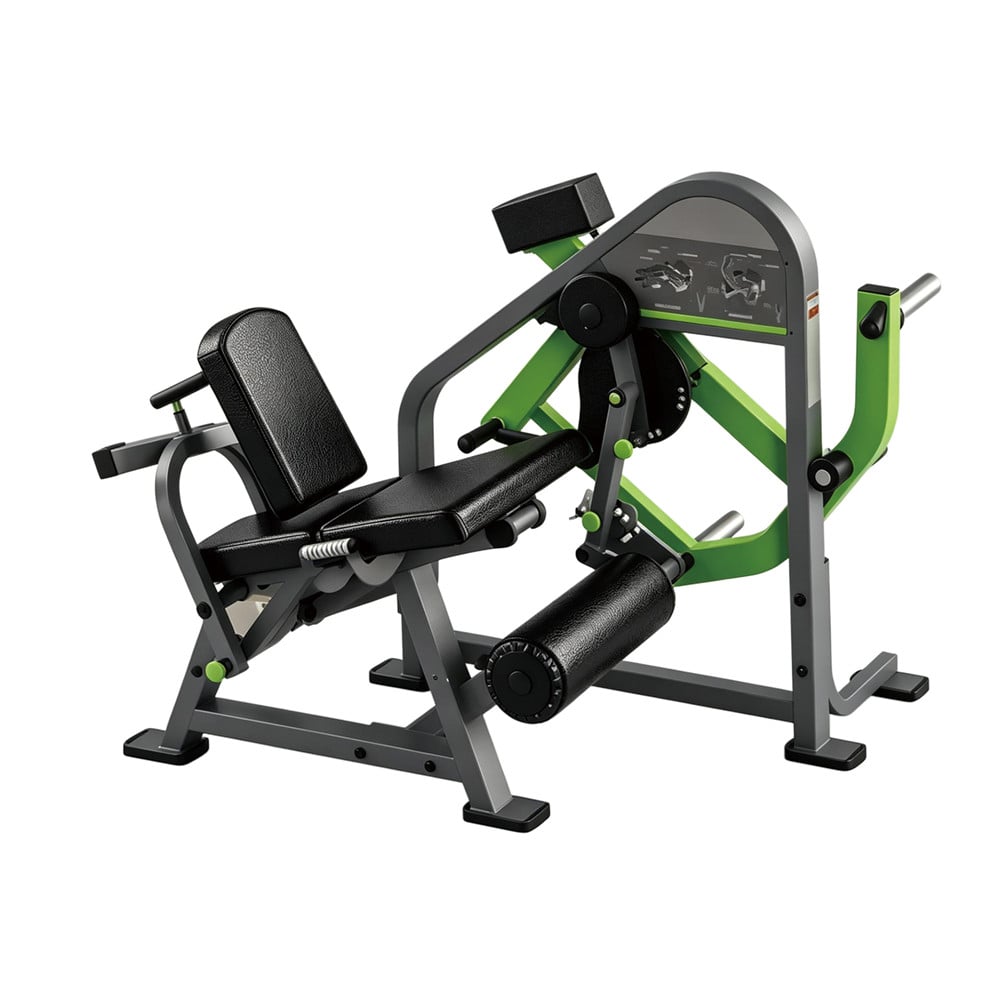
Weight Resistance System: Understand whether the machine uses weight plates, a selectorized system, or pneumatic resistance. Each system has its advantages; for example, selectorized systems typically allow for quicker adjustments between sets. The BM1015 Leg Press Machine is an excellent example of a machine with a reliable weight resistance system.

Safety Features: Safety is paramount in gym equipment. Ensure that the machine includes safety stops or locking mechanisms to prevent accidents during heavy lifting.

Warranty and Support: Check the warranty terms offered by the manufacturer. A robust warranty indicates confidence in the product's durability and quality, which can save costs on potential repairs.

Installation Guidance for Leg Press Gym Equipment in Commercial Gyms

Installation Guidance for Leg Press Gym Equipment in Commercial Gyms

Proper installation of leg press gym equipment is essential for optimal performance and safety. Begin by reviewing the manufacturer’s installation guidelines, which typically include recommended spacing for user safety and ease of access.

Before installation, ensure that the flooring can support the weight of the equipment and that it's level to prevent tipping during use. If your facility has rubber flooring, verify that it is adequately cushioned to absorb the impact from heavy weights.

Consider the electrical requirements if the leg press machine incorporates electronic displays or resistance adjustments. Ensure that outlets are available and easily accessible for any power needs.

Lastly, schedule a professional installation if your team lacks experience. This ensures that the machine is set up correctly and adheres to safety standards.

Comparing Material Advantages in Leg Press Gym Equipment Options

Comparing Material Advantages in Leg Press Gym Equipment Options

The material used in leg press gym equipment plays a significant role in its longevity and performance.

Steel Frames: Machines with steel frames are generally more durable and can withstand heavy use, making them ideal for commercial gyms. Look for frames that are powder-coated to prevent rust and scratches.

Upholstery: The upholstery material impacts user comfort and machine maintenance. High-density foam with durable vinyl covering can provide a comfortable experience while being easy to clean.

Weight Plates: If the machine uses weight plates, consider the material of the plates. Cast iron is the most common choice, but rubber-coated plates can reduce noise and protect flooring.

Fasteners and Joints: Ensure that all fasteners and joints are made from high-strength materials, as these areas are most susceptible to wear and tear.

Understanding these material advantages allows you to choose equipment that meets the demands of your facility while ensuring safety and longevity.

Technical Knowledge Required for Selecting Leg Press Gym Machines

When selecting leg press gym machines, technical knowledge is essential for making informed decisions. Buyers should understand the following aspects:

Load Capacity: Be aware of the maximum load each machine can handle. This affects not only the machine's performance but also user safety, particularly in high-traffic gyms.

Biomechanics: Familiarity with the biomechanics of leg presses can help buyers select machines that provide optimal angles and movements for muscle engagement. Ensure that the machine allows for smooth movement patterns to minimize the risk of injury.

Maintenance Requirements: Regular maintenance is crucial for the longevity of gym equipment. Understand the recommended maintenance procedures for the leg press machine, including lubrication of moving parts and inspection of wear components.

Ergonomics: Knowledge of ergonomic principles will guide you in selecting machines that accommodate a wide range of user sizes and abilities. Features like adjustable seats and footplates can enhance user comfort and effectiveness.

By understanding these technical aspects, buyers can ensure that the leg press gym machines they select not only meet their immediate needs but also provide a safe and effective workout experience for all users.

How to Choose the Right Leg Press Gym Equipment for Your Facility

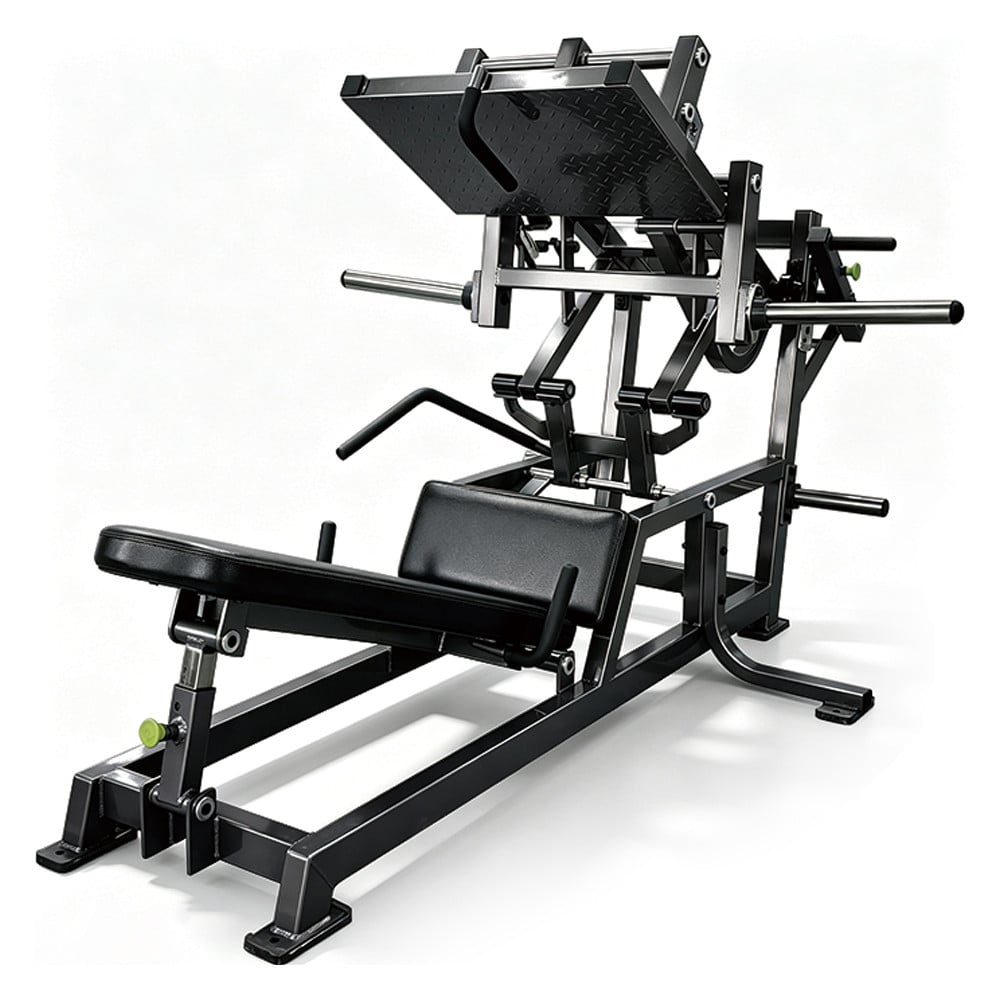
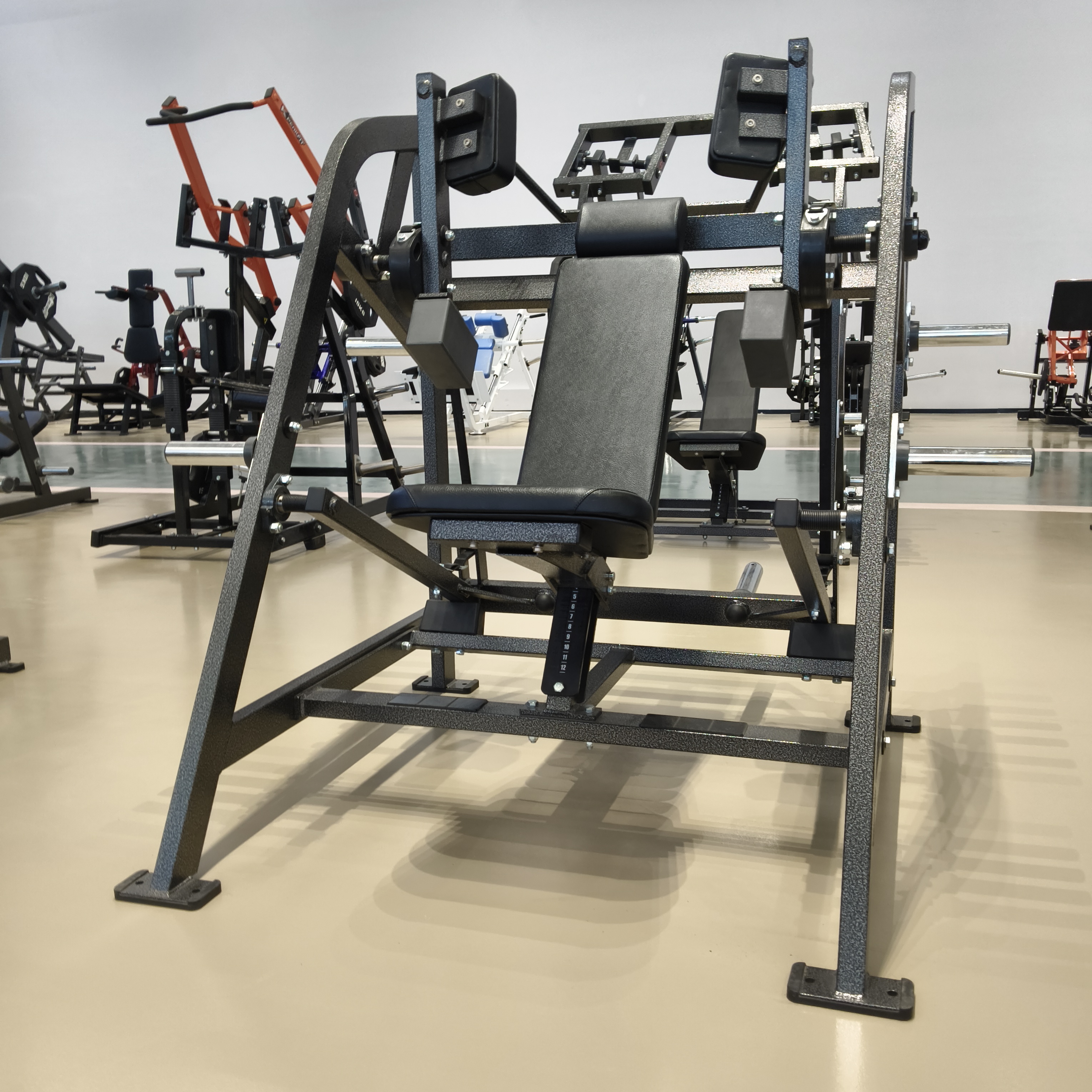
Selecting the appropriate leg press gym equipment involves evaluating several critical factors, which can significantly impact the user experience and overall performance of the machine. First, consider the type of leg press: vertical, horizontal, or angled. Each style offers different benefits and caters to diverse user preferences and fitness levels. For instance, horizontal leg presses are often favored by beginners for their stability, while advanced users might prefer vertical presses for increased range of motion.

Next, assess the weight capacity. Ensure that the machine can accommodate the heaviest weights your clients may lift, as this is vital for safety and performance. Additionally, take into account the available space in your gym. Measure the area where the leg press will be placed to ensure a comfortable and safe environment for users.

Finally, consider customization options. Many manufacturers offer machines with adjustable settings for foot placement and seat position, enhancing user comfort and effectiveness. Customization can also include branded finishes or specific color schemes that align with your gym's aesthetics. For instance, the BD1005 Hip Push Trainer features customizable settings that can enhance user experience.

Frequently Asked Questions

What are the key features of this leg press gym?

The leg press gym offers high-precision construction, durable steel frame, adjustable seat and footplate, smooth guided motion, and finished surfaces produced on automated lines for consistent quality.
Capacity varies by model; typical commercial units support between 300–600 kg. Contact sales with your model requirement for exact specifications.
We provide installation guidance and optional onsite setup. Standard warranty covers manufacturing defects; duration depends on model. Contact support for detailed terms.
Yes. We offer customization of upholstery, frame color, resistance options, and branding, leveraging in-house R&D and production capabilities.
Manufactured in a 90,000 m² facility with advanced automated lines, strict QC processes and precision machining ensure stable quality for global markets.

Get a Free Quote

Our representative will contact you soon.
0/1000