ISO Lateral Leg Press Machine: Key Buying Insights

Kpeakfit, full-chain manufacturer with 10+ years & 90,000㎡ workshop.

Exhibit at IWF Shenzhen(H4A10) & WFF Shaoxing for global buyers.

Certified fitness gear, one-stop service for worldwide partners.

application/iso-lateral-leg-press-machine, application/iso-lateral-leg-press-machine, 
Inquiry
Inquiry

iso lateral leg press machine

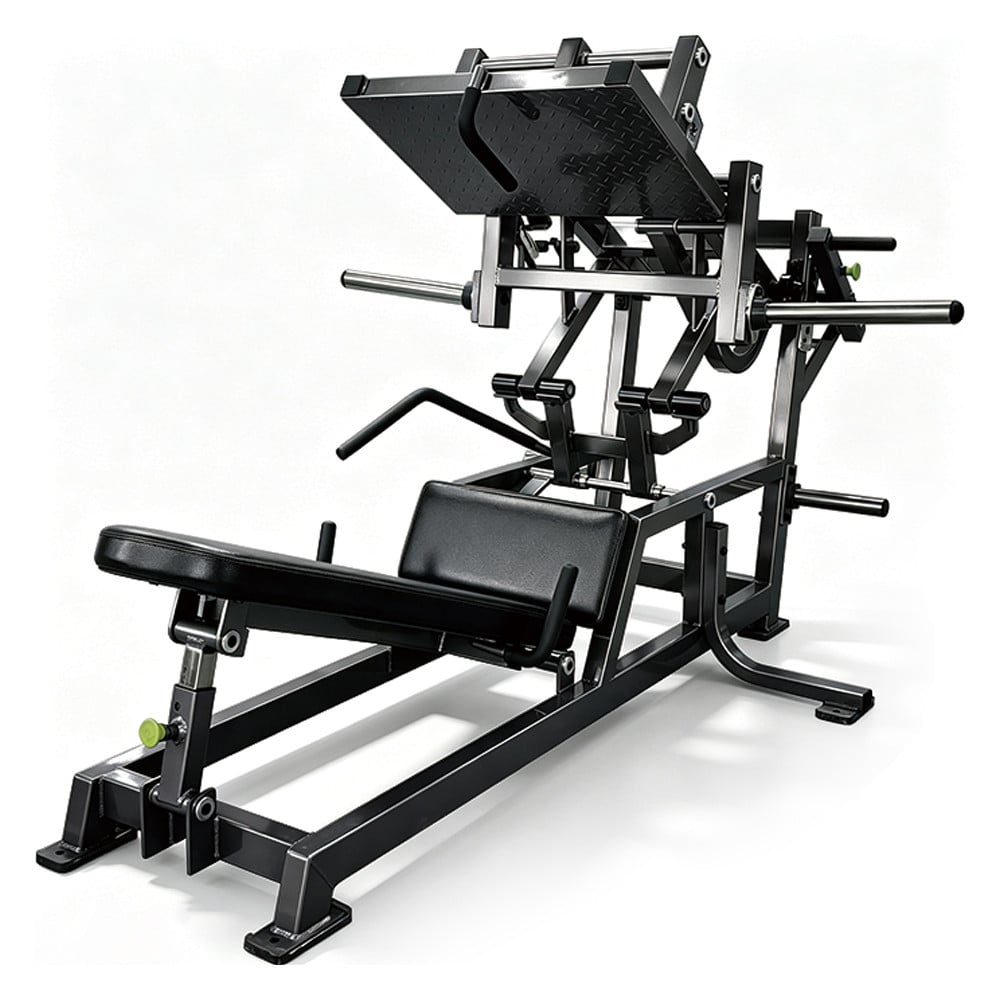
The ISO lateral leg press machine is a specialized piece of fitness equipment designed to target the muscles in the legs, particularly the quadriceps, hamstrings, and glutes. As a crucial component in commercial gyms, rehabilitation centers, and personal training facilities, understanding the key specifications, quality evaluation, purchasing options, and common issues with these machines is vital for purchasing managers, distributors, and engineers. This article aims to provide practical insights into these aspects, helping B2B buyers make informed decisions when considering the acquisition of ISO lateral leg press machines.

How to Evaluate the Quality of ISO Lateral Leg Press Equipmen

How to Evaluate the Quality of ISO Lateral Leg Press Equipmen

Evaluating the quality of ISO lateral leg press machines involves a multi-faceted approach, focusing on construction, performance, and user feedback.

Construction Quality: Inspect the welds and joints of the machine. High-quality machines will have seamless joints and sturdy construction, indicating better durability. You should also assess the weight plates and other components for robust materials that can withstand heavy use.

Performance Testing: Before purchasing, request a demonstration or trial period. This allows you to evaluate the machine's performance, including smooth operation and the absence of noise during use.

User Feedback: Review customer testimonials and case studies from existing users. This provides insights into long-term performance and any potential issues that may arise over time.

Certifications and Standards: Check if the manufacturer complies with industry standards and certifications. These can include safety certifications and quality management systems, which signal adherence to best practices in manufacturing.

By focusing on these aspects, purchasing managers can better determine the quality of ISO lateral leg press machines and ensure they are investing in reliable equipment.

Wholesale Purchasing Options for ISO Lateral Leg Press Machines

Wholesale Purchasing Options for ISO Lateral Leg Press Machines

When it comes to wholesale purchasing of ISO lateral leg press machines, buyers have several options to consider that can influence cost and procurement efficiency.

Bulk Orders: Many manufacturers offer discounts for bulk purchases. This can significantly reduce the per-unit cost, making it an attractive option for gym chains or distributors.

Negotiation: Building a relationship with suppliers can lead to better pricing and terms. Be prepared to negotiate based on order size, payment terms, and delivery schedules.

Customization Options: Some manufacturers provide customization services, allowing you to tailor features to meet your specific client needs. Discuss these options as they may impact lead times and costs. For example, consider the Multifunctional Equipment options for added versatility.

Payment and Financing: Explore different payment options and financing plans offered by suppliers. This can help manage cash flow and budget constraints.

Understanding these wholesale purchasing strategies can help buyers secure the best deals while ensuring quality and performance in their equipment choices.

Where to Find Reliable Suppliers of ISO Lateral Leg Press Equipmen

Where to Find Reliable Suppliers of ISO Lateral Leg Press Equipmen

Finding reliable suppliers of ISO lateral leg press machines requires thorough research and evaluation. Here are some recommended approaches:

Industry Trade Shows: Attending fitness equipment trade shows can provide firsthand experience with various manufacturers. You’ll have the opportunity to see products in action and speak directly with suppliers about their offerings.

Online Directories: Platforms like Alibaba, ThomasNet, and industry-specific directories can help identify potential suppliers. These platforms often include reviews and ratings that can assist in evaluating reliability.

Networking: Leverage industry connections and forums to gather recommendations for reputable suppliers. Engaging with peers can provide insights into their experiences and supplier performance.

Manufacturer Websites: Research manufacturers like XiaoKe Fitness Technology Co., Ltd., which offers a comprehensive range of fitness equipment. Look for details on their manufacturing capabilities, certifications, and customer service policies.

Taking the time to find reliable suppliers will help ensure that you are investing in quality ISO lateral leg press machines that meet your operational needs.

Common Problems with ISO Lateral Leg Press Machines and Solutions

Like any piece of fitness equipment, ISO lateral leg press machines can experience issues that may affect their performance and user satisfaction. Here are some common problems and their solutions:

Noise During Operation: If the machine produces excessive noise, it may indicate worn bearings or lack of lubrication. Regular maintenance checks and lubrication of moving parts can resolve this issue.

Stability Issues: A wobbly machine can compromise safety and performance. Ensure the machine is properly assembled and check for any loose bolts or connections. Additionally, assess the flooring where the machine is placed for levelness.

Difficulty in Adjustments: If users find it challenging to adjust settings, this may be due to worn or misaligned components. Regularly inspect and maintain adjustment mechanisms to ensure they function smoothly.

User Injury: Safety should always be a priority. Ensure that all users are educated on proper usage techniques, and provide clear instructions on weight limits and machine operation.

By proactively addressing these common problems, fitness facilities can enhance user experience and extend the lifespan of their ISO lateral leg press machines.

By understanding the specifications, quality evaluation processes, purchasing options, supplier sources, and common issues related to ISO lateral leg press machines, buyers can make informed decisions that align with their operational needs and ensure user safety and satisfaction.

Key Specifications of ISO Lateral Leg Press Machines for Buyers

When evaluating ISO lateral leg press machines, several key specifications should be considered to ensure they meet your operational needs.

Weight Capacity: The maximum load the machine can handle is critical. A typical ISO lateral leg press machine can support anywhere from 300 to 1,000 pounds. This specification must align with your target user base's capabilities.

Dimensions: The footprint of the machine is important for space management in your facility. Consider both the overall dimensions and the range of motion to ensure it fits well within your layout.

Material Quality: Machines constructed from high-grade steel or aluminum are preferable for durability. Check for materials that are resistant to wear and tear, particularly in high-use environments.

Adjustability Features: Look for machines with adjustable footplates and backrests. This customization allows for a wider range of users to achieve optimal comfort and effectiveness during workouts. Consider equipment from our Series Strength Equipment for versatile solutions.

Safety Features: Ensure the machine includes safety mechanisms such as emergency stop buttons and secure locking systems for weight plates to enhance user safety.

Understanding these specifications will help you determine which models best suit your gym's needs and the variety of users you cater to.

Frequently Asked Questions

What is the ISO lateral leg press machine?

A strength-training machine that allows independent left and right leg movement for balanced muscle development and safer unilateral workouts.
Sturdy steel frame, adjustable seat and backrest, independent footplates, recommended load capacity up to commercial gym standards; exact specs available on request.
Yes. Manufactured in a 90,000 m² facility with automated lines to ensure high precision and stable quality for commercial environments.
High-strength steel frame, durable powder-coat finish, commercial-grade upholstery, and precision-welded components for long-term durability.
We provide warranty and global after-sales support, including spare parts and technical assistance. Contact our sales team for specific warranty terms.

Get a Free Quote

Our representative will contact you soon.
0/1000