Comparing Materials Used in Strengthening Equipment for Durability
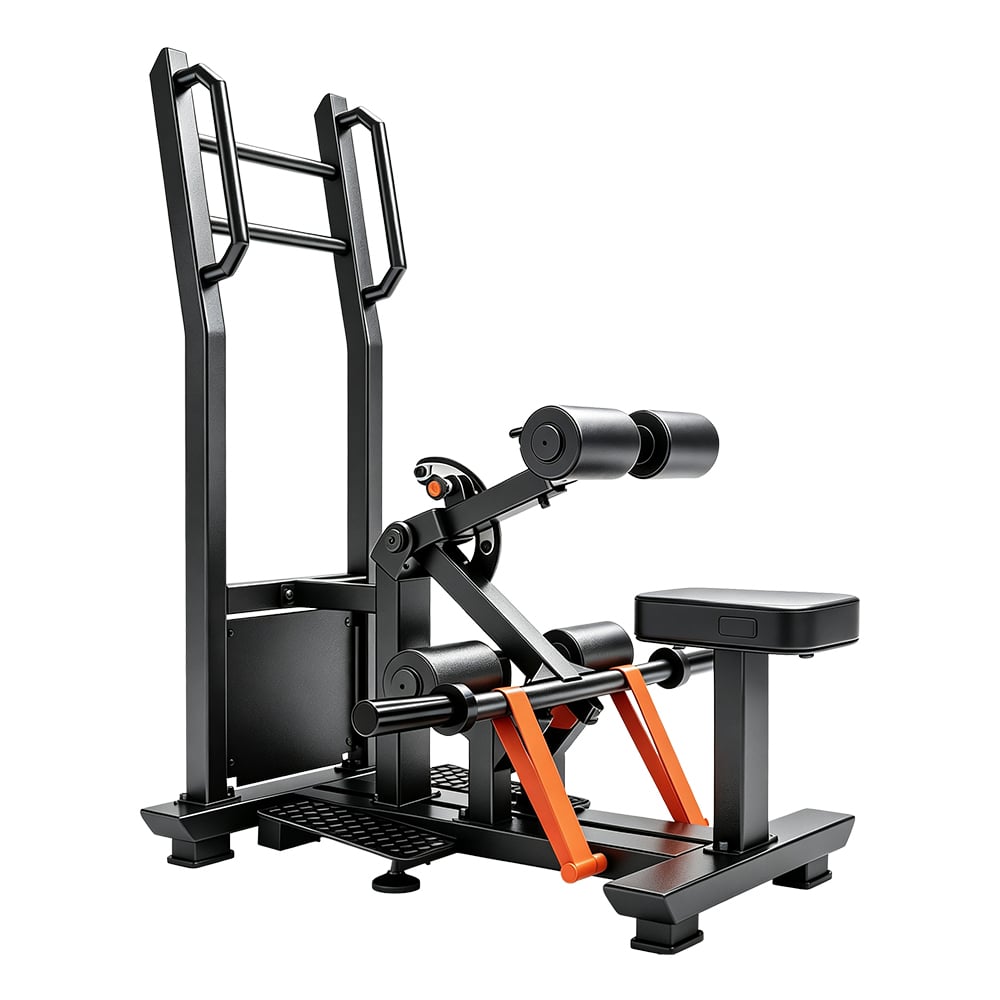
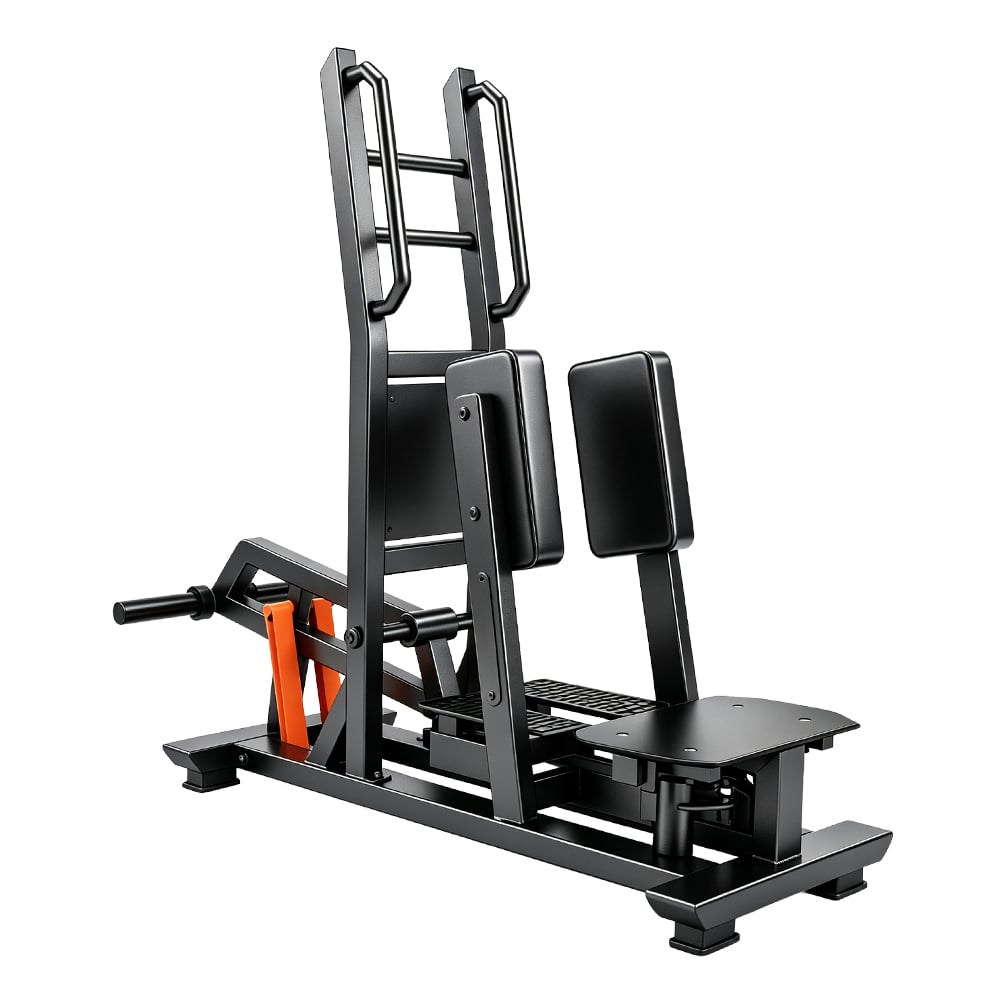
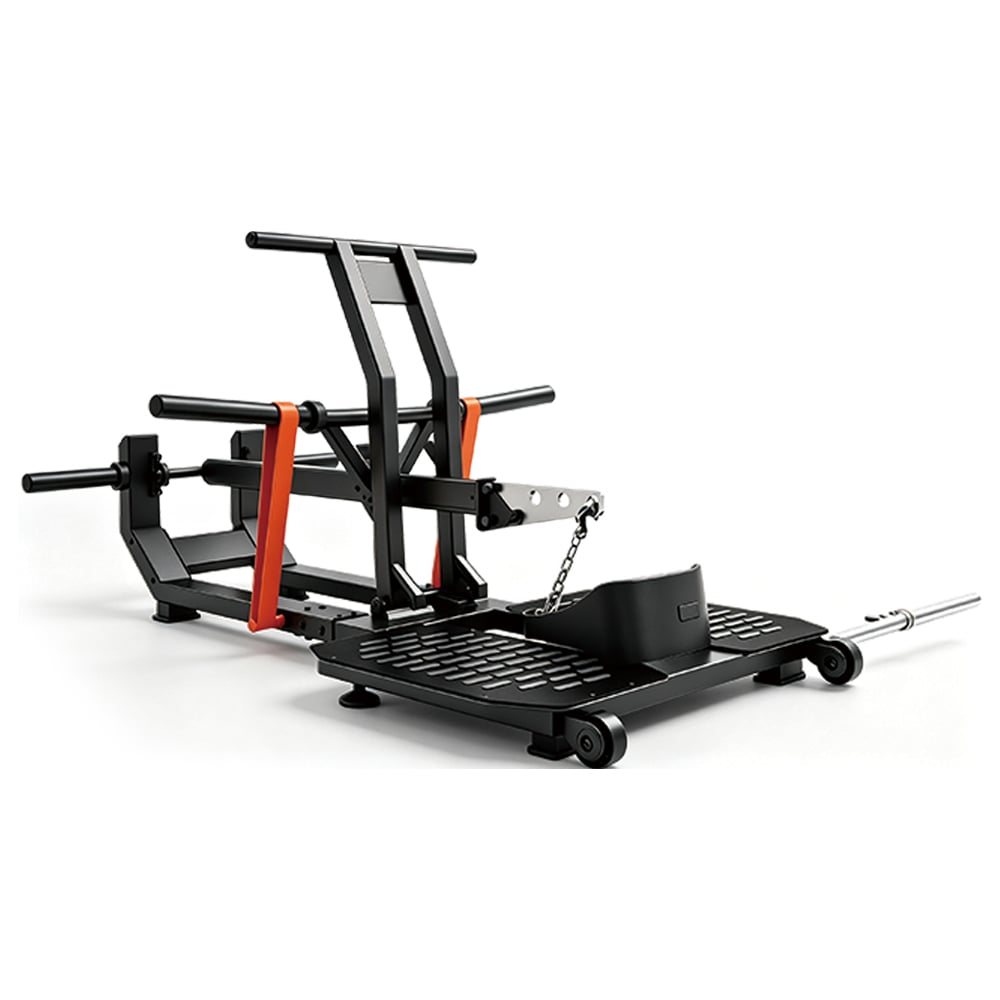
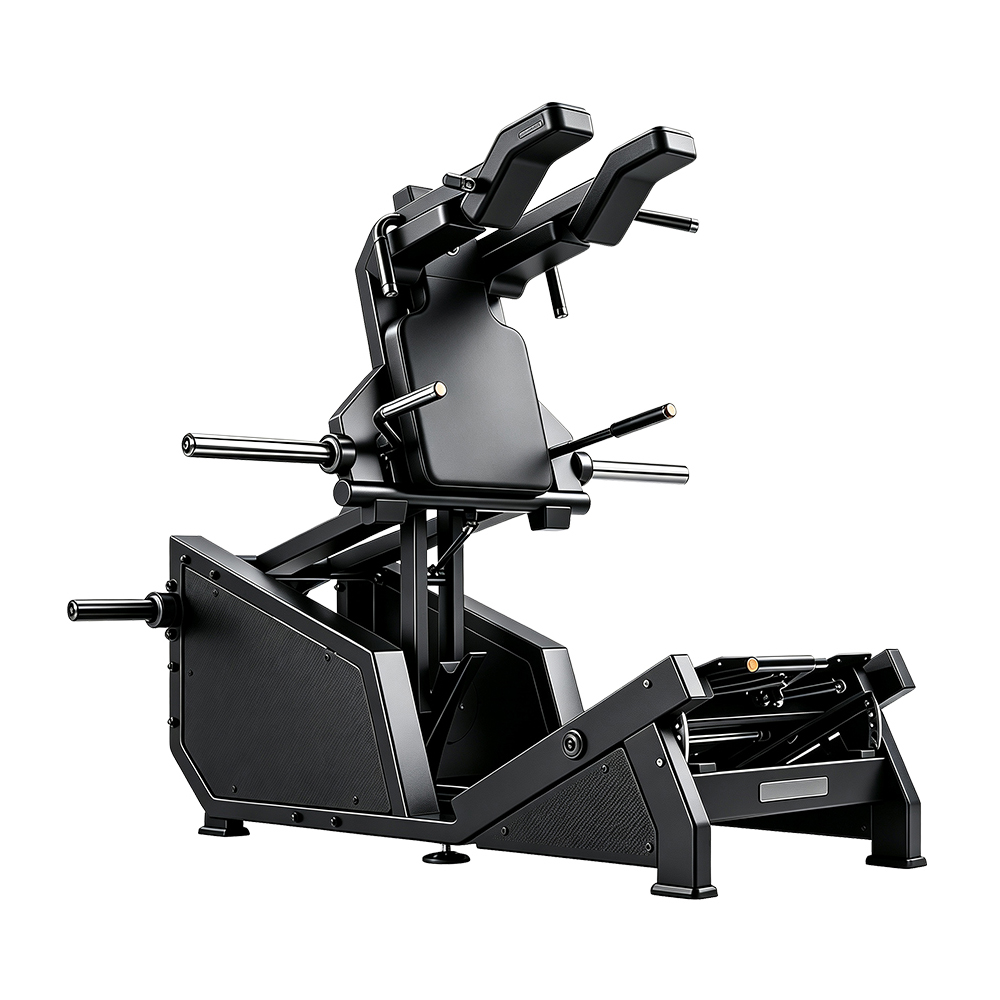
The choice of materials in strengthening equipment significantly impacts its durability and performance. Here’s a comparison of common materials:
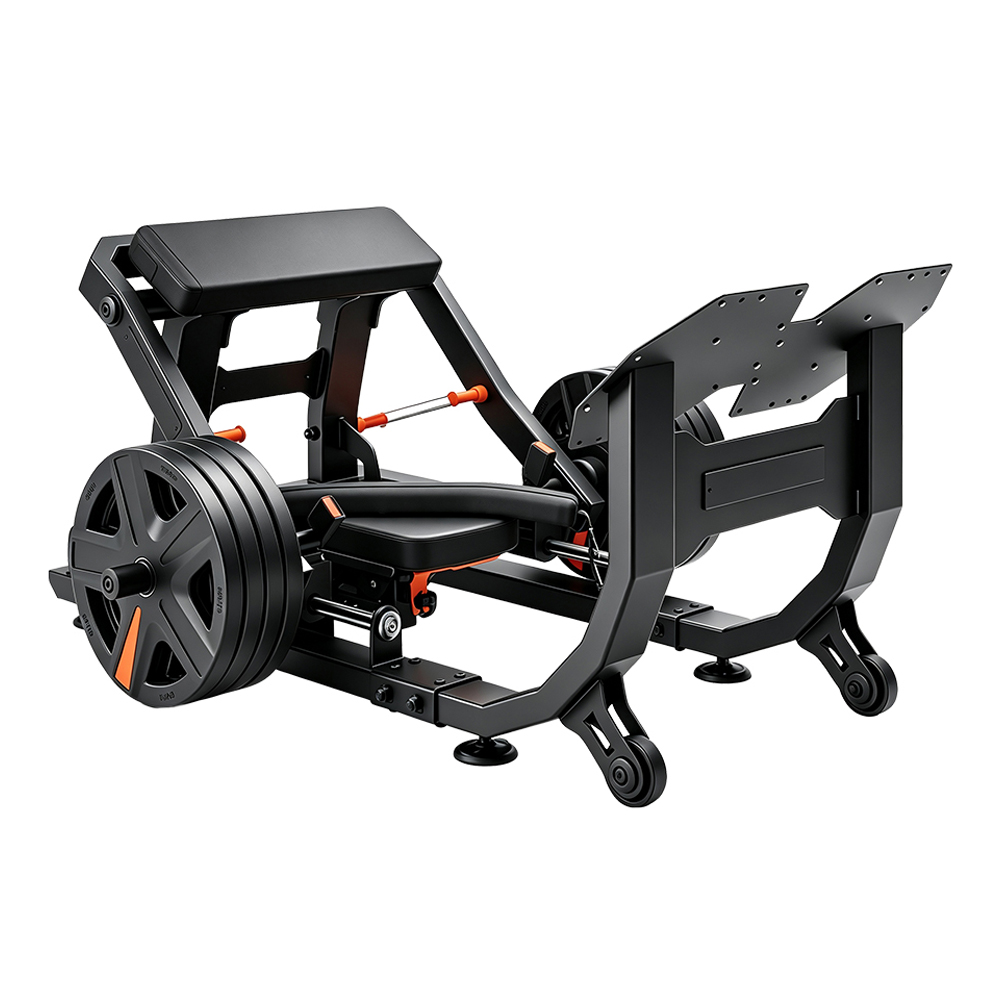
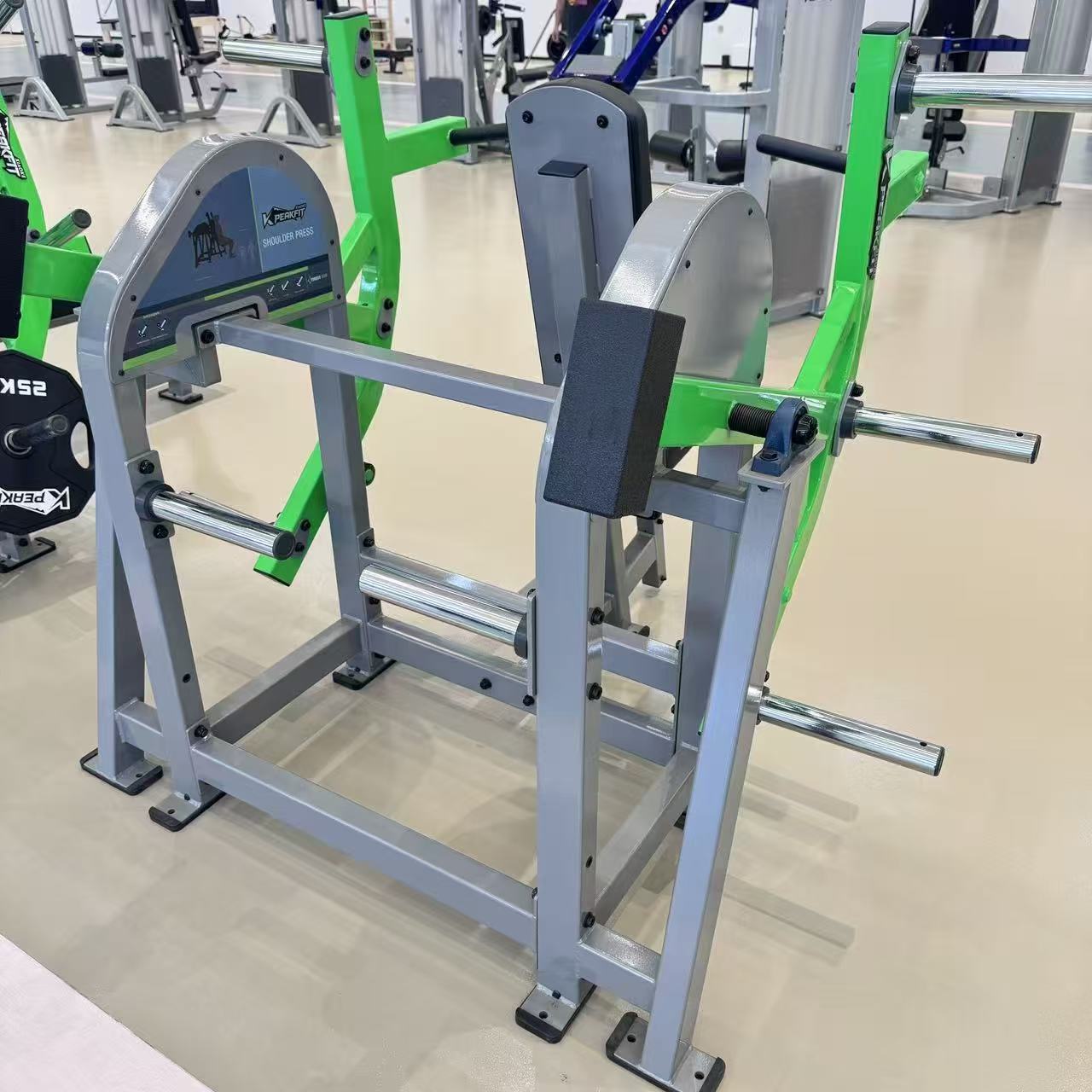
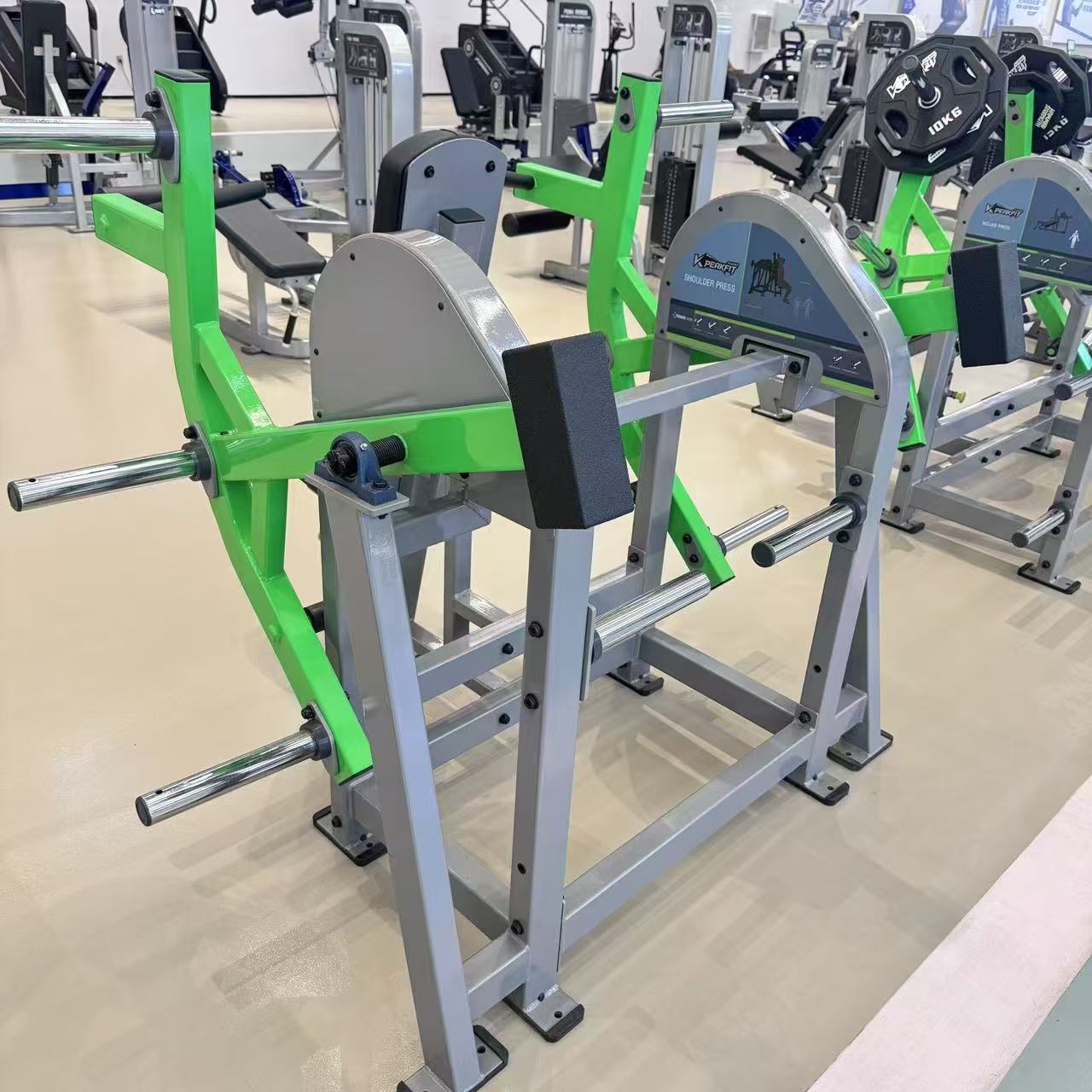
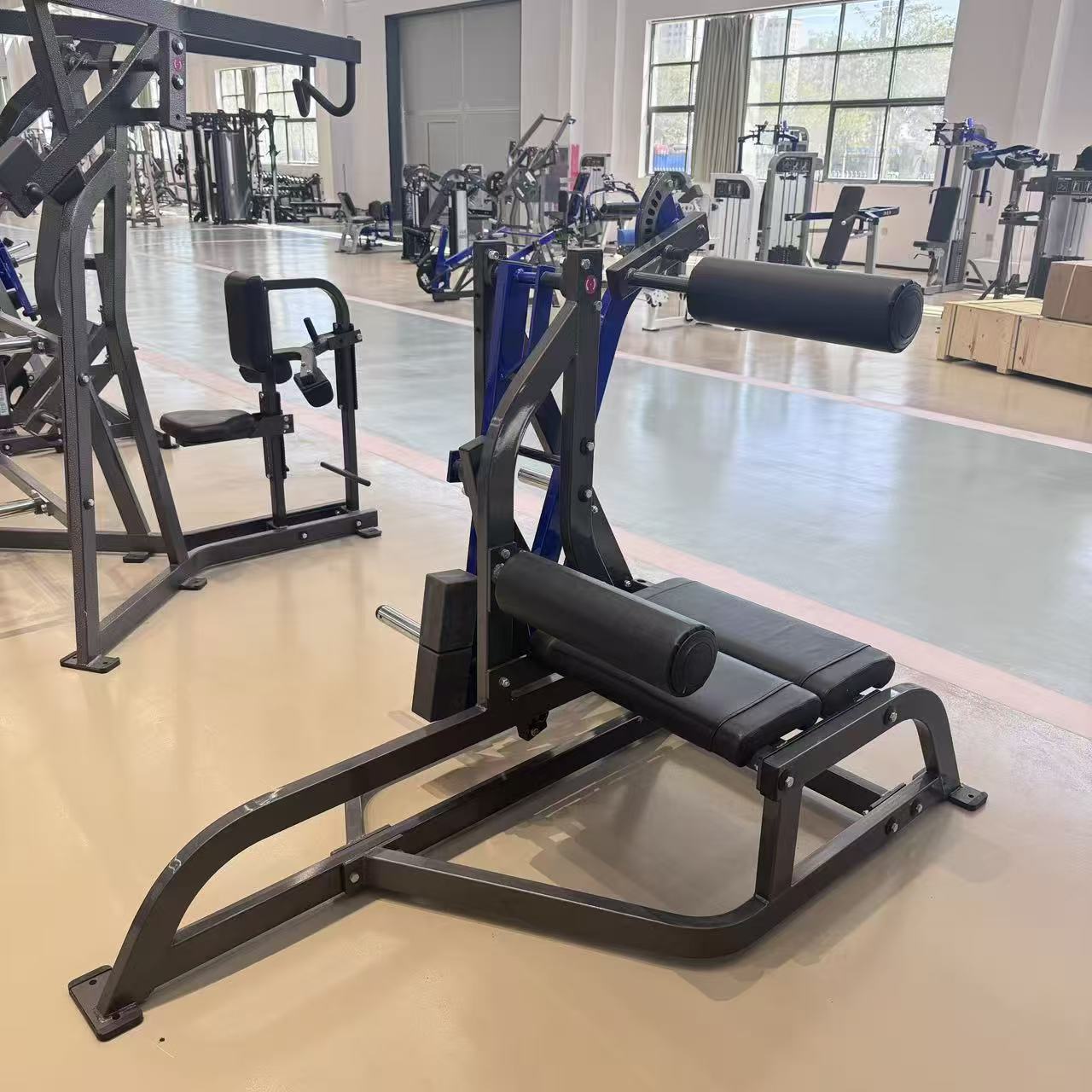
Steel: Known for its strength and durability, steel is often used for structural components of equipment. However, it can be prone to rust if not properly coated.
Aluminum: Lightweight and resistant to corrosion, aluminum is an excellent option for portable equipment. However, it may not provide the same level of strength as steel, making it suitable for lighter-duty applications.
High-Density Plastic: Used in components that require less structural strength, high-density plastics can resist wear and tear effectively. They are often used in padding and non-slip surfaces.
Rubber: Commonly used for grips and mats, rubber provides excellent traction and shock absorption. Its durability makes it suitable for various applications, especially in high-traffic areas.
Composite Materials: These materials combine various elements to enhance performance, such as increased strength and reduced weight. They are often used in advanced equipment to improve functionality.
When selecting strengthening equipment, consider how the material choices align with your intended use, maintenance capabilities, and environmental conditions. A careful evaluation of materials will ensure that the chosen equipment meets your durability and performance standards.
 EN