Choosing the Right Strength Building Equipment

Kpeakfit, full-chain manufacturer with 10+ years & 90,000㎡ workshop.

Exhibit at IWF Shenzhen(H4A10) & WFF Shaoxing for global buyers.

Certified fitness gear, one-stop service for worldwide partners.

application/strength-building-equipment, application/strength-building-equipment, 
Inquiry
Inquiry

strength building equipment

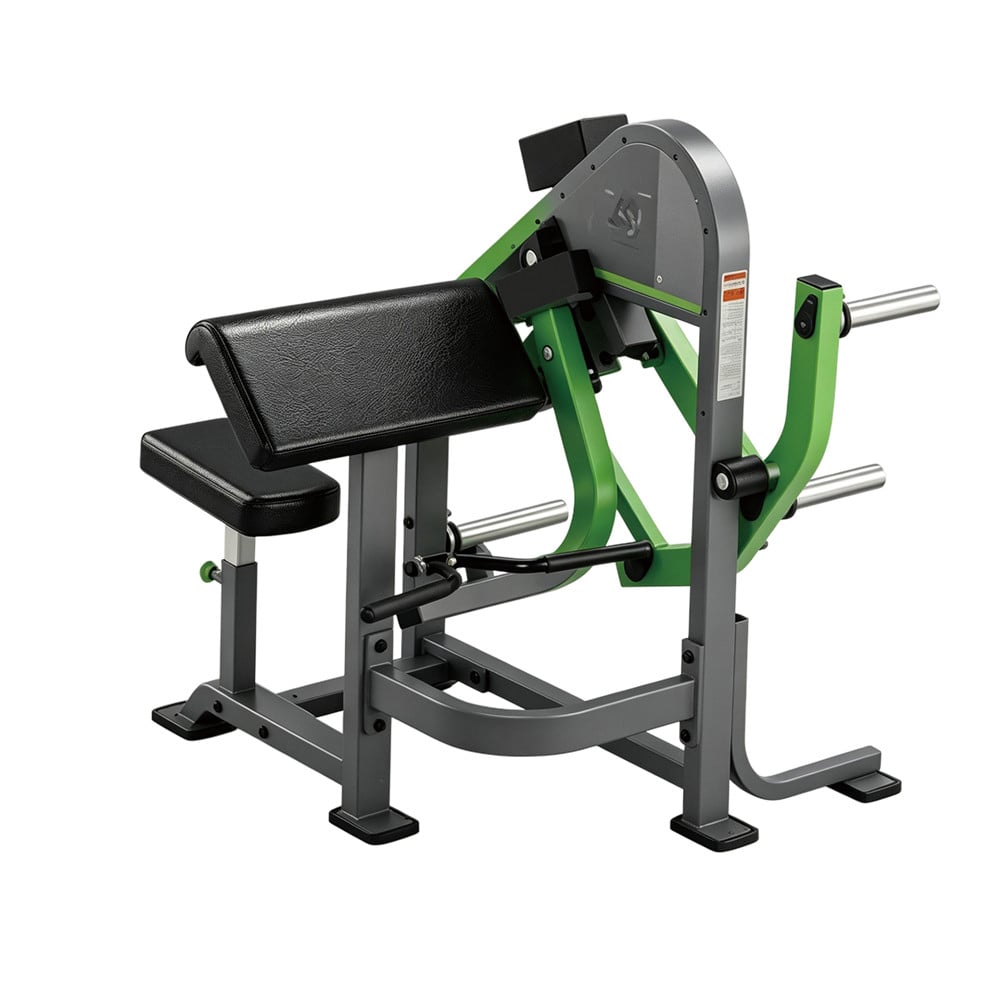
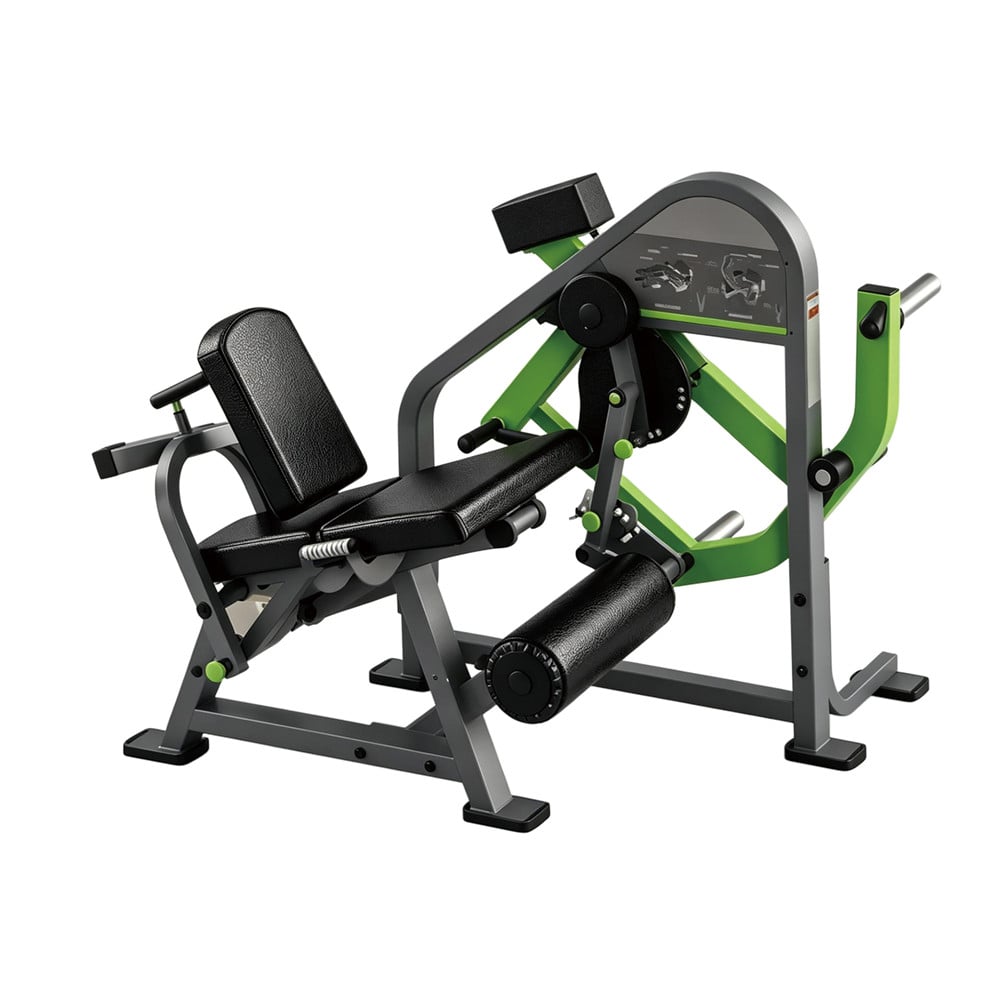
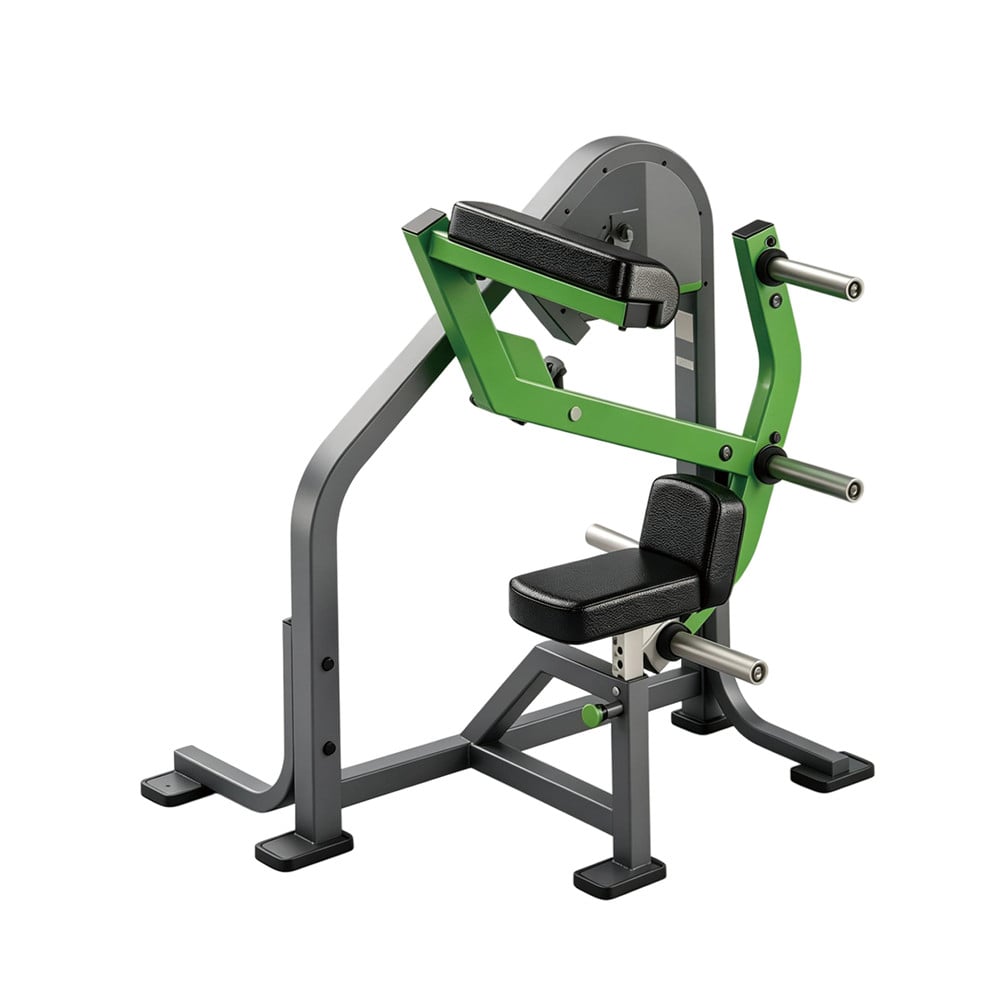
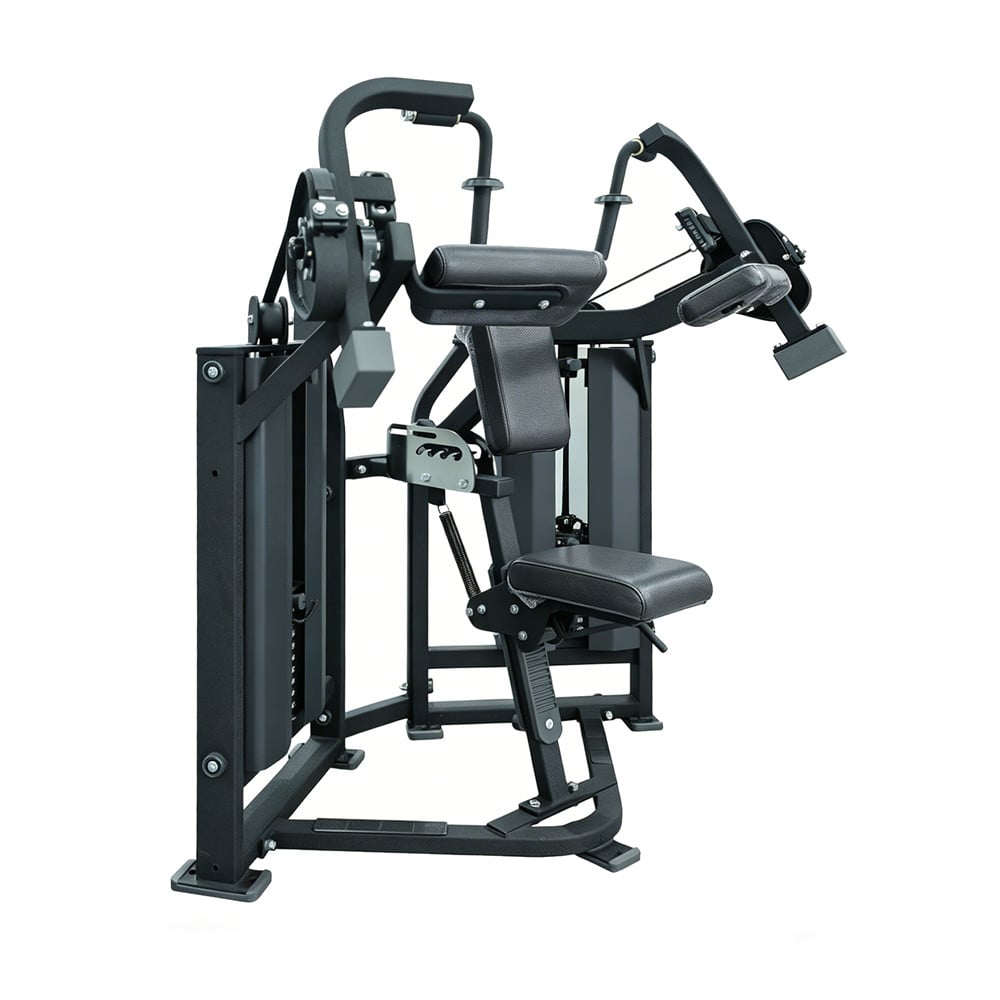
Strength building equipment plays a crucial role in enhancing physical fitness and performance across various sectors, from commercial gyms to rehabilitation centers. As a purchasing manager or facility operator, your primary concerns likely include product quality, suitability for specific applications, and supplier reliability. This article will guide you through the essential considerations when selecting strength building equipment, helping you make informed purchasing decisions that align with your operational needs.

How to Evaluate the Quality of Strength Building Equipment Suppliers

How to Evaluate the Quality of Strength Building Equipment Suppliers

When evaluating potential suppliers of strength building equipment, focus on their manufacturing capabilities and quality assurance processes. A reputable supplier should have a robust quality control system in place, ensuring that all products meet stringent safety and performance standards. Ask about their certifications; for instance, ISO 9001 certification indicates a commitment to quality management.

In addition to certifications, consider the supplier's experience in the industry. A manufacturer with a strong track record and positive customer reviews can provide insights into their reliability and product performance. Moreover, inquire about their ability to accommodate customization requests, as this can be critical for meeting specific user needs or branding requirements. Finally, request samples or visit the supplier’s facility to see production processes firsthand, which can provide valuable assurance of quality.

Key Specifications to Consider for Strength Building Equipmen

Key Specifications to Consider for Strength Building Equipmen

Understanding the key specifications of strength building equipment is vital for ensuring that the products selected align with your operational needs. Important specifications include:

Material Quality: The materials used in construction should be durable and capable of withstanding frequent use. Look for equipment made from high-grade steel or reinforced plastics that offer both strength and longevity.

Weight Capacity: Ensure that the equipment can accommodate the maximum weight intended for use. This is particularly important for commercial settings where varied user weights are expected.

Dimensions and Space Requirements: Review the equipment dimensions to confirm that they fit within your designated area. Additionally, consider the footprint of the equipment to maximize space efficiency.

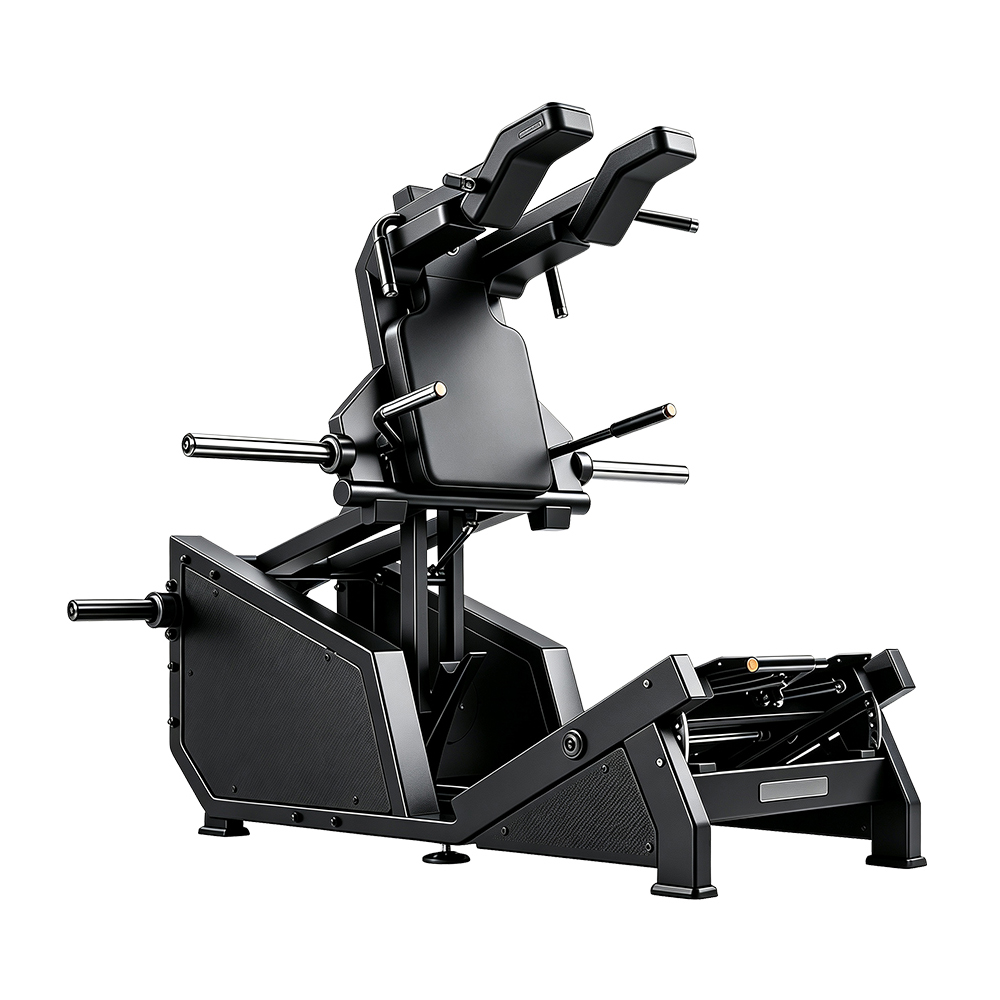
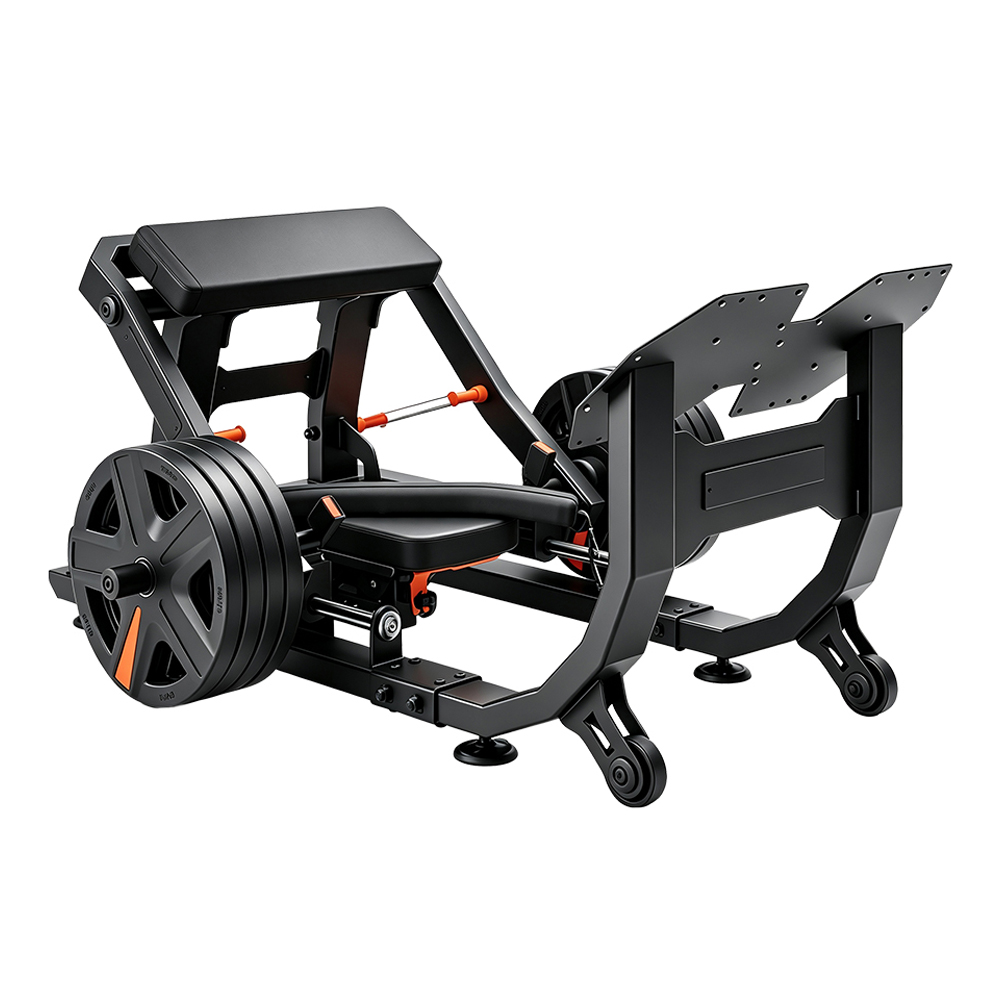
Adjustability: Equipment that offers adjustable settings can cater to users of different sizes and fitness levels, enhancing usability and safety. For instance, the BD1004 Hack Squat Trainer is designed to accommodate various user needs.

By closely examining these specifications, you can select equipment that not only meets performance standards but also aligns with your facility's layout and user demographics.

Understanding the Cost Factors of Strength Building Equipmen

Understanding the Cost Factors of Strength Building Equipmen

The cost of strength building equipment can vary significantly depending on various factors, including materials, manufacturing processes, and design complexity. When budgeting, consider the following cost factors:

Material Costs: Higher-quality materials typically lead to increased durability and safety but may also raise the price. It's crucial to balance initial costs with long-term performance.

Customization Options: Customization can enhance the functionality of equipment but will typically add to the overall cost. Discuss your specific requirements with suppliers to understand how customization impacts pricing.

Manufacturing and Shipping: Equipment sourced from overseas may incur additional shipping costs and tariffs. It’s essential to factor these into your total budget to avoid unexpected expenses.

Warranty and Service Agreements: Equipment that comes with robust warranty options may have higher upfront costs but can save money in the long run through reduced maintenance and repair needs.

By being aware of these factors, you can better manage your budget and ensure that you invest in quality equipment that provides value over time.

Applications of Strength Building Equipment in Various Industries

Strength building equipment serves a wide range of applications across multiple industries, each with unique requirements. In commercial gyms, equipment must cater to a diverse clientele, necessitating a variety of machines and free weights to support different fitness goals. Rehabilitation facilities, on the other hand, often require specialized equipment designed for safe, controlled strength training to aid recovery from injuries.

Additionally, corporate wellness programs are increasingly adopting strength training solutions to promote employee health and productivity. This trend highlights the need for adaptable equipment that can serve various users in different settings, whether in a gym, corporate office, or rehabilitation clinic. For example, the BM1016 Strength Trainer is a versatile option that can fit into multiple environments.

Understanding these applications can help guide your equipment selection, ensuring that it meets the specific needs of your target market or operational environment. By investing in the right strength building equipment, you can enhance user satisfaction and promote healthier outcomes in your facility.

Choosing the Right Strength Building Equipment for Your Needs

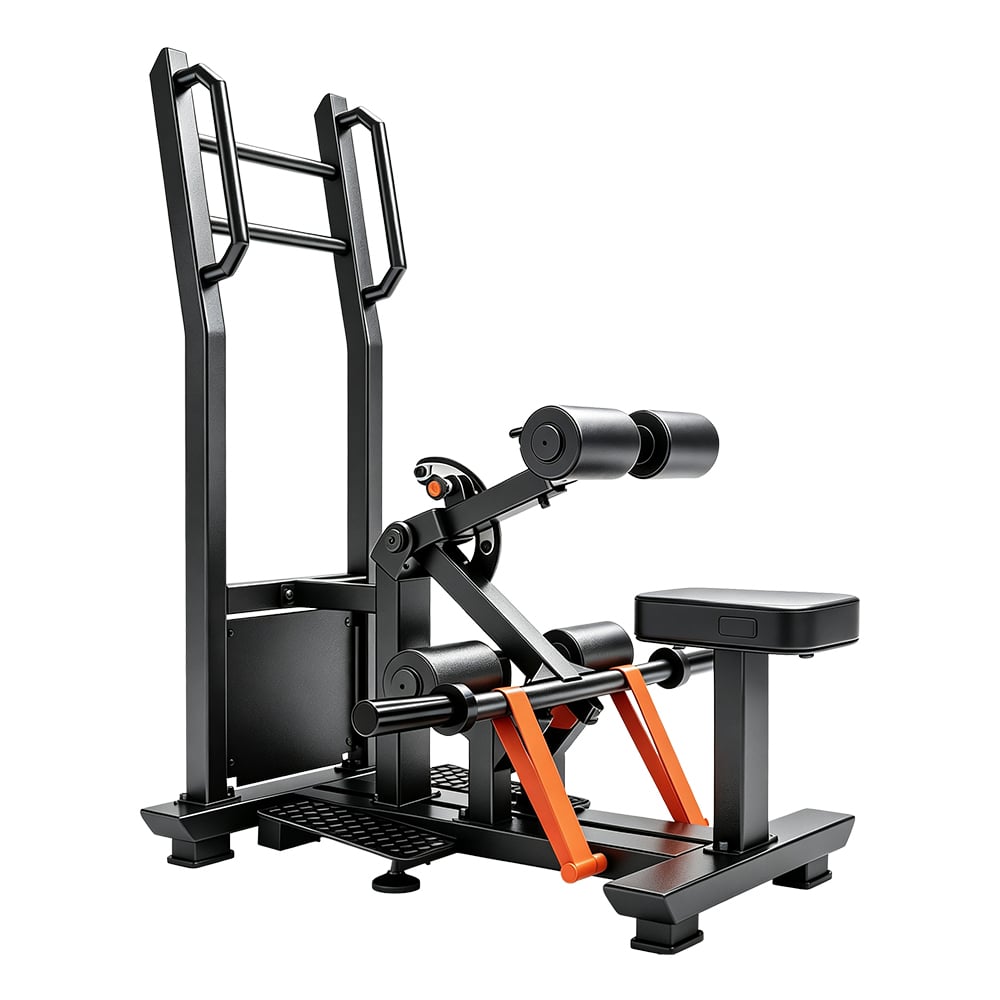
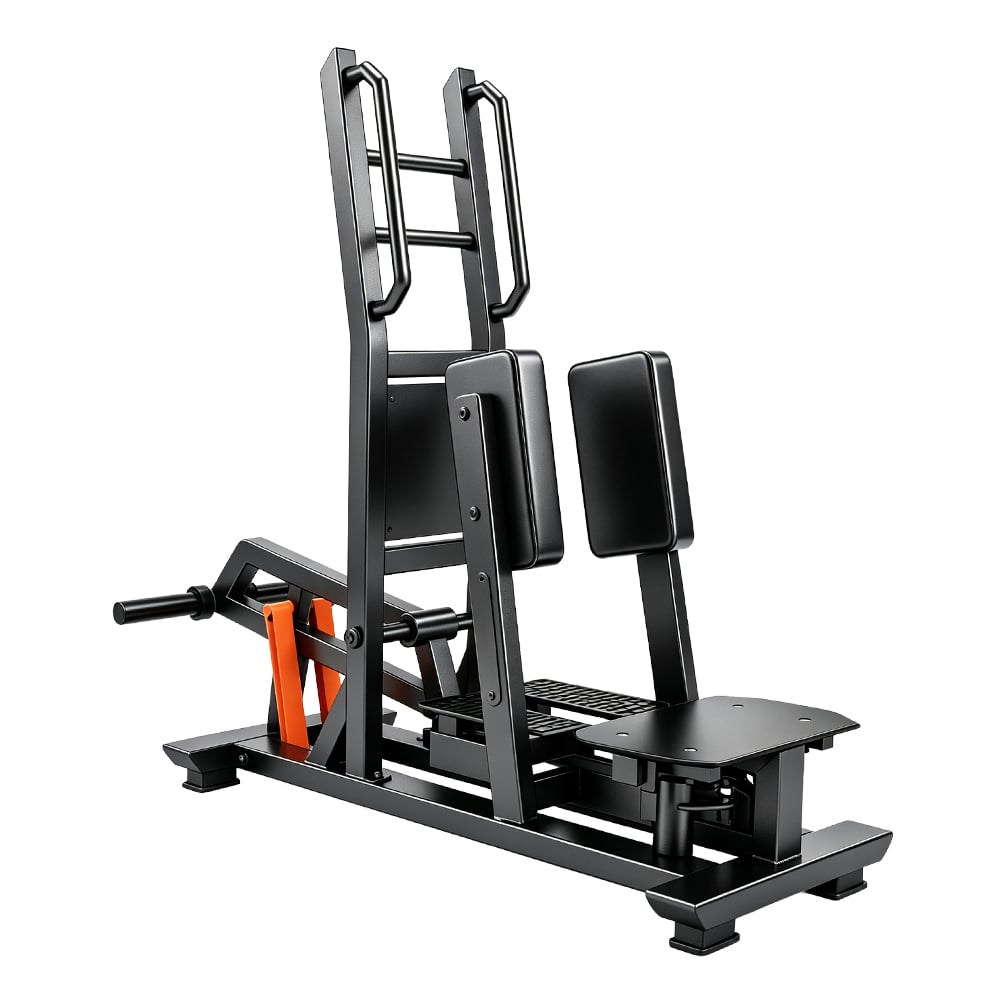
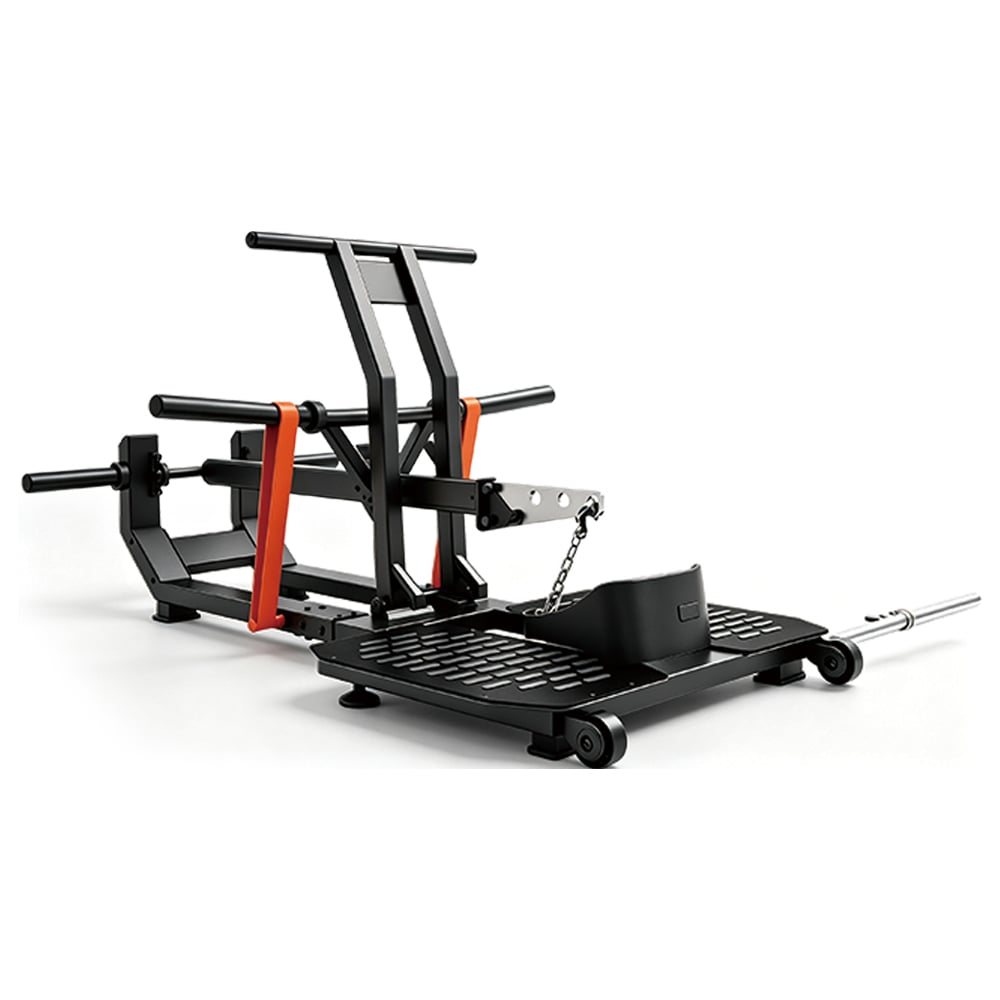
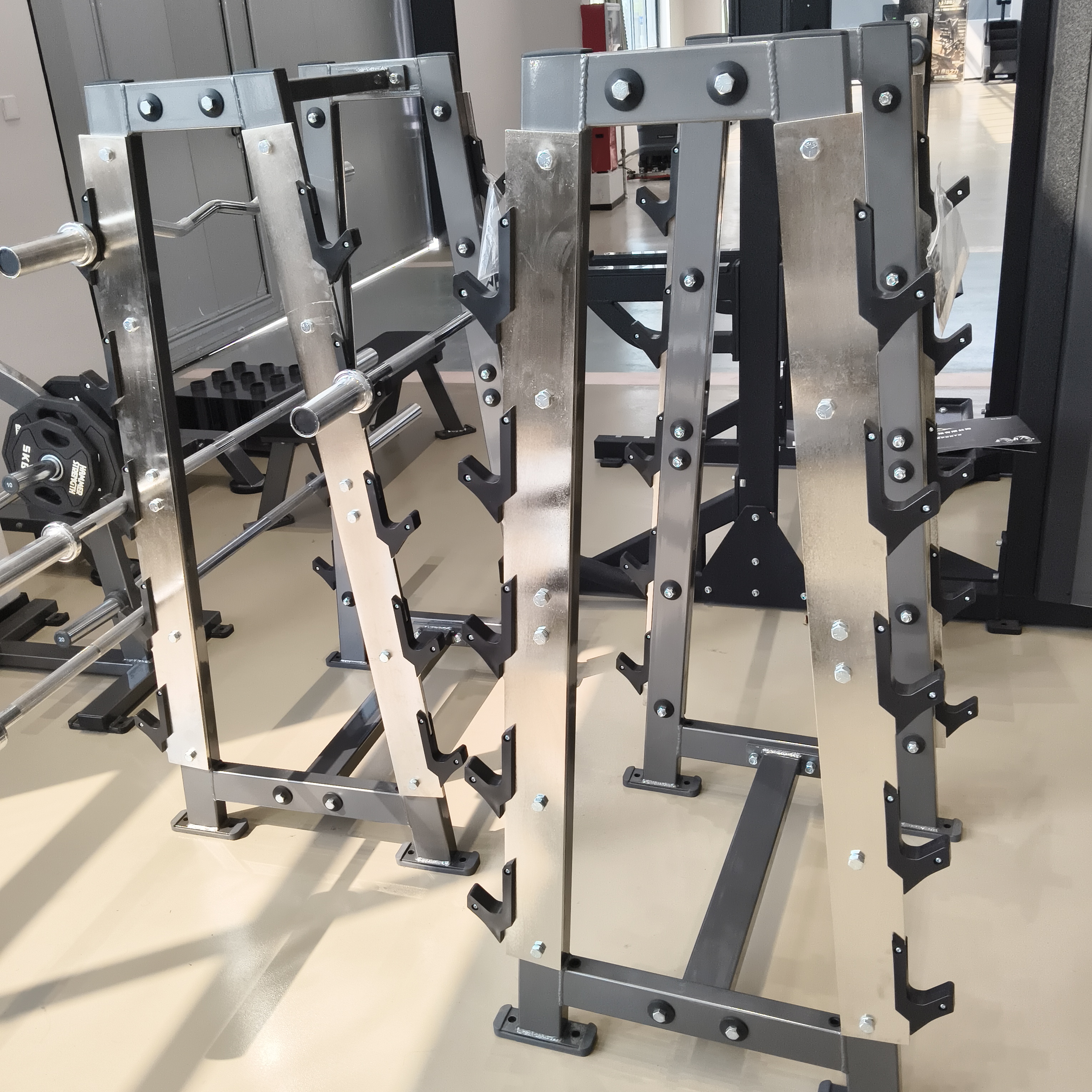
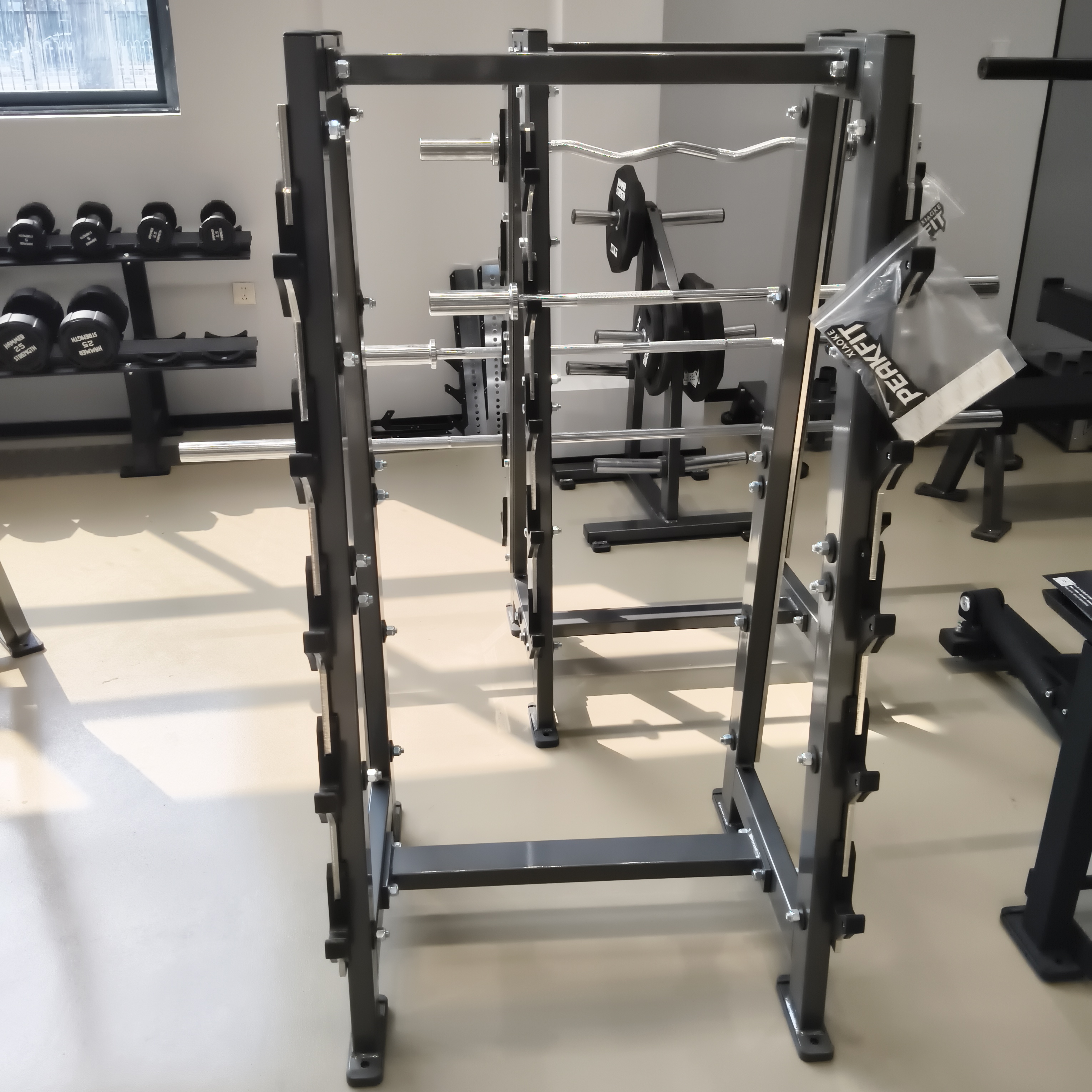
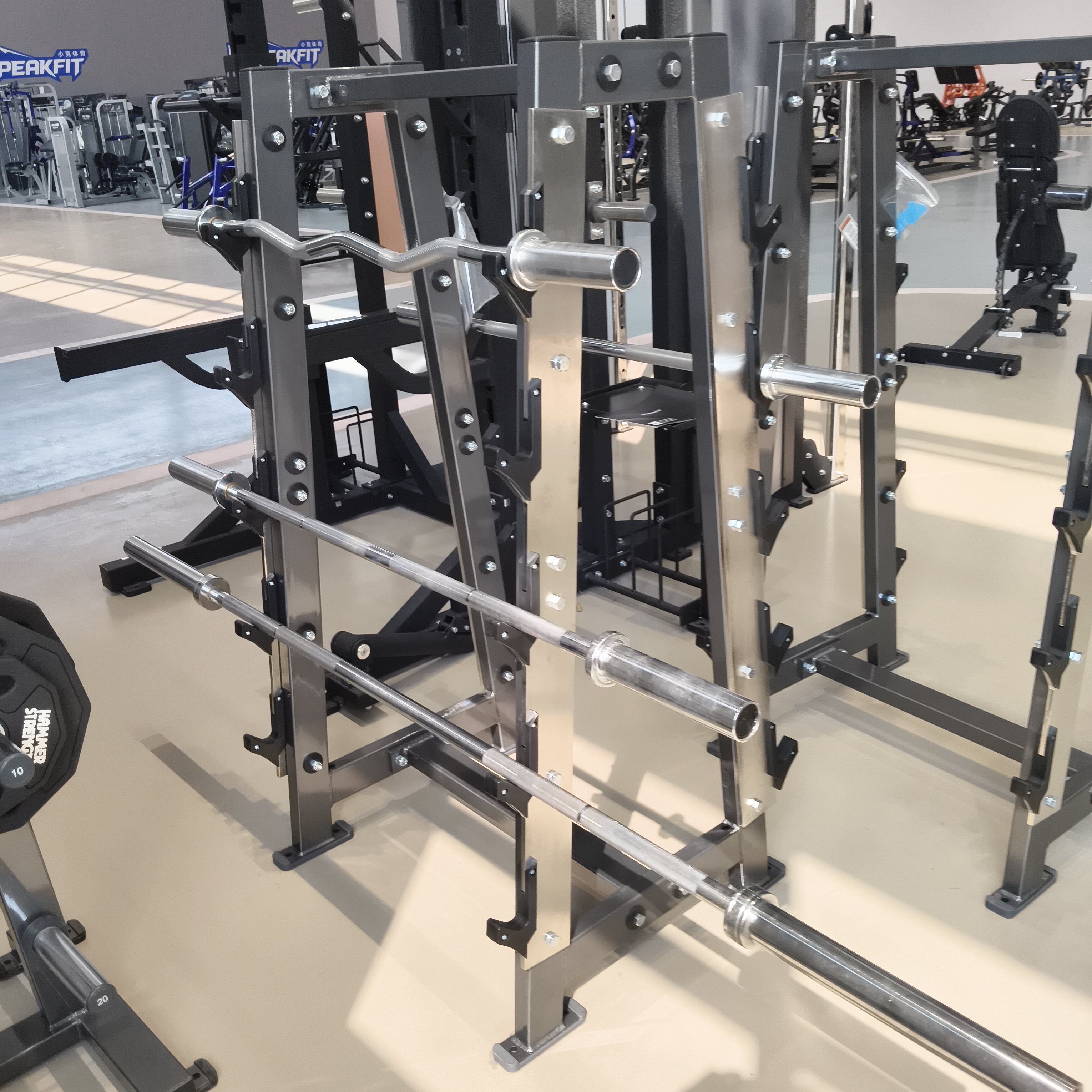
Selecting the appropriate strength building equipment requires a clear understanding of your specific requirements and the intended application. Start by considering the types of exercises you want to facilitate, whether it be free weights, machines, or functional training tools. Each type of equipment offers different benefits; for example, free weights promote stability and core strength, while machines like the BD1005 Hip Push Trainer can provide targeted muscle engagement with added safety.

Additionally, assess the space available for equipment, as this will influence the size and type of machinery you can accommodate. It is also essential to consider the user demographics—equipment for commercial gyms may differ from that for rehabilitation or personal training settings. Finally, think about the potential for future expansion or changes in training modalities, which may necessitate versatile or modular equipment solutions.

Frequently Asked Questions

What types of strength building equipment do you offer?

We offer benches, racks, barbells, dumbbells, cable machines, and functional trainers designed for home and commercial use, all manufactured with precision in our advanced facility.
Yes. Our equipment is engineered for commercial use with durable materials, high-precision manufacturing, and strict quality control to withstand continuous daily operation.
We use automated production lines, rigorous inspections, and standardized testing throughout manufacturing to ensure stable quality and consistent performance for global markets.
Yes. We provide customization for colors, logos, load capacities, and dimensions to meet client needs, supported by our integrated R&D and design teams.
Lead time varies by order size and customization, typically ranging from a few weeks to a couple of months. Contact us with details for an accurate production and delivery estimate.

Get a Free Quote

Our representative will contact you soon.
0/1000