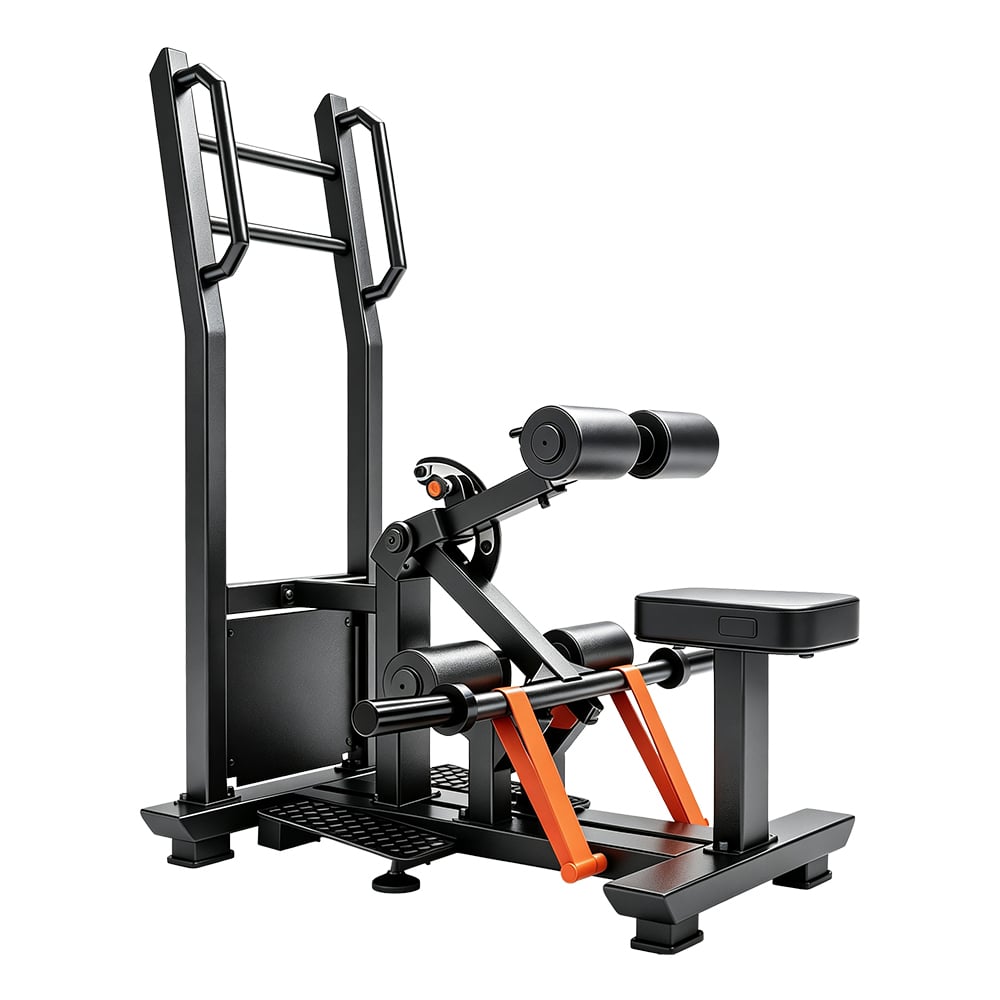
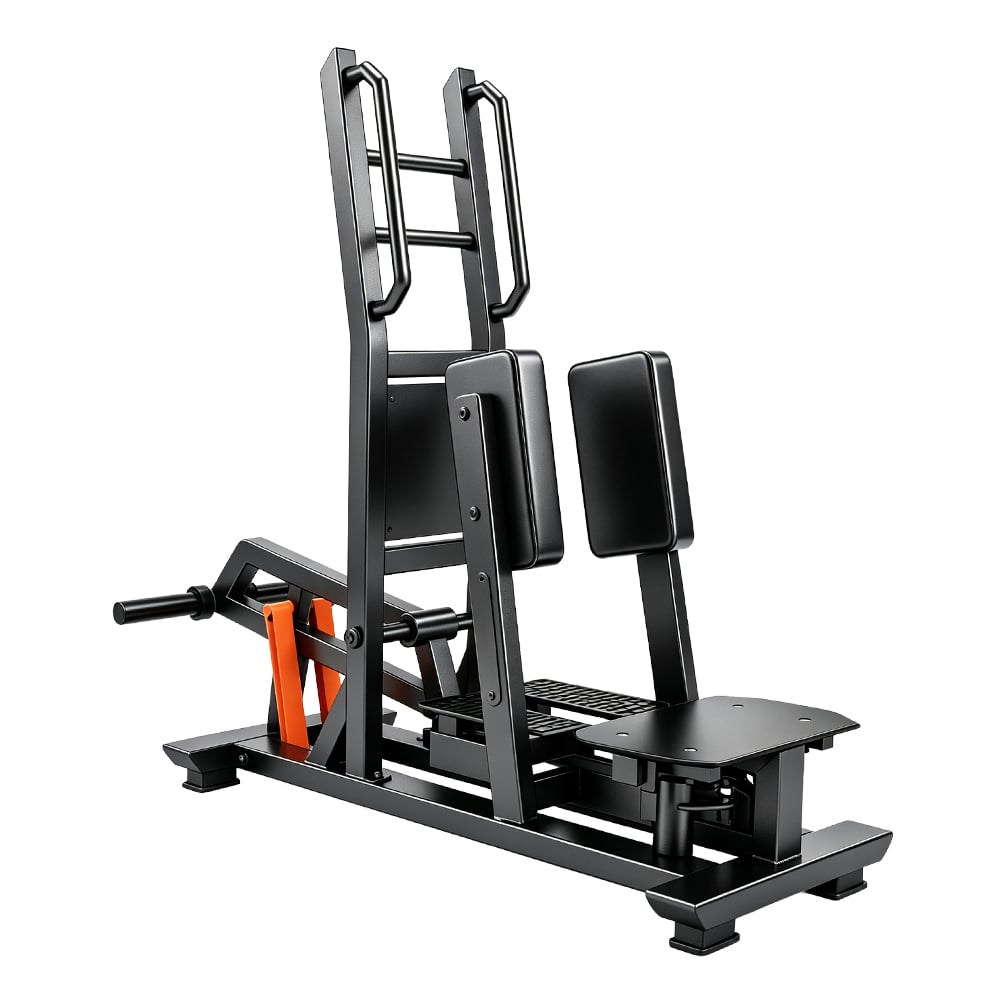
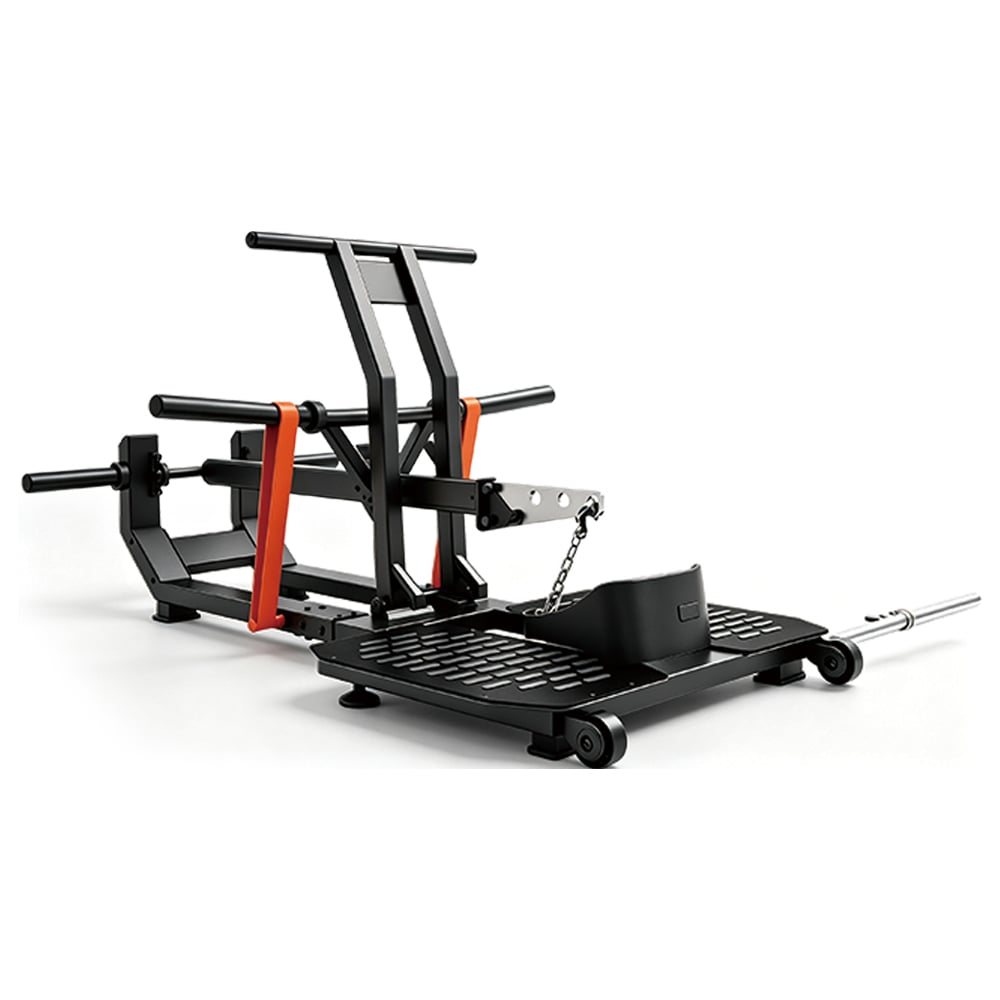
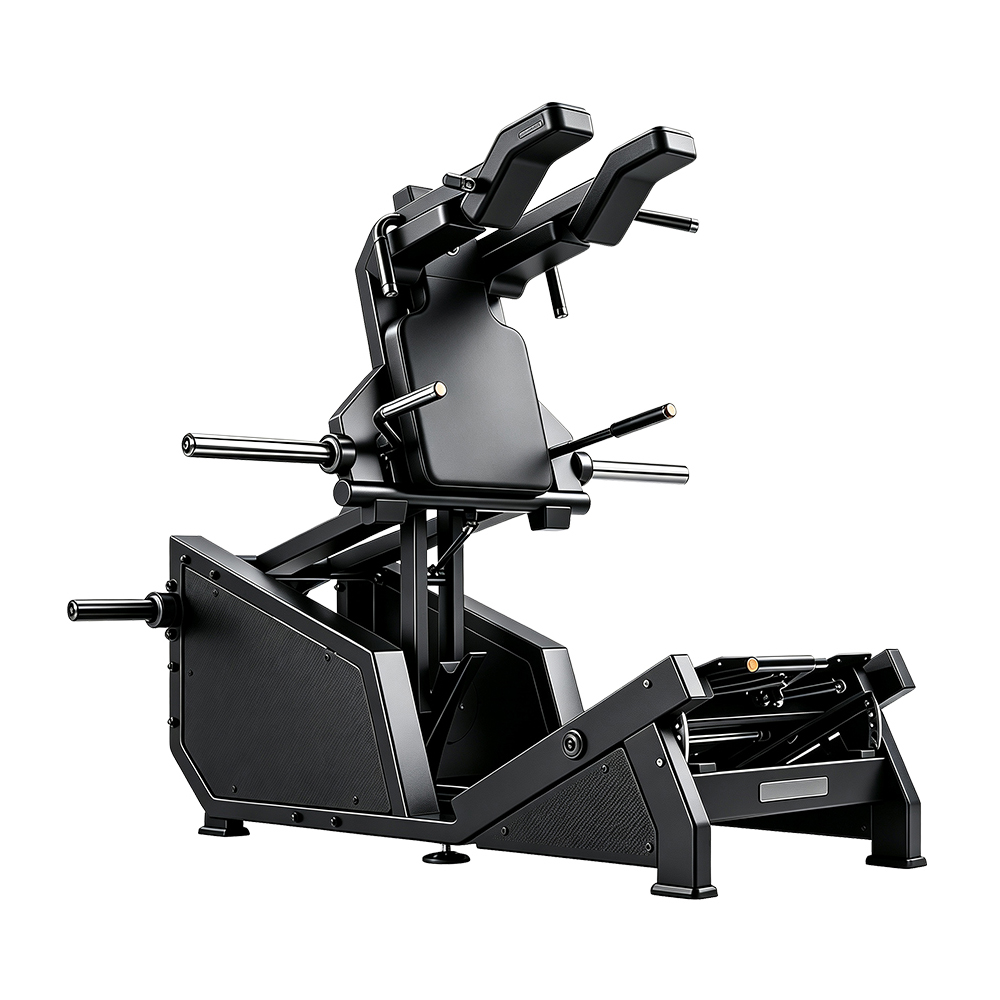
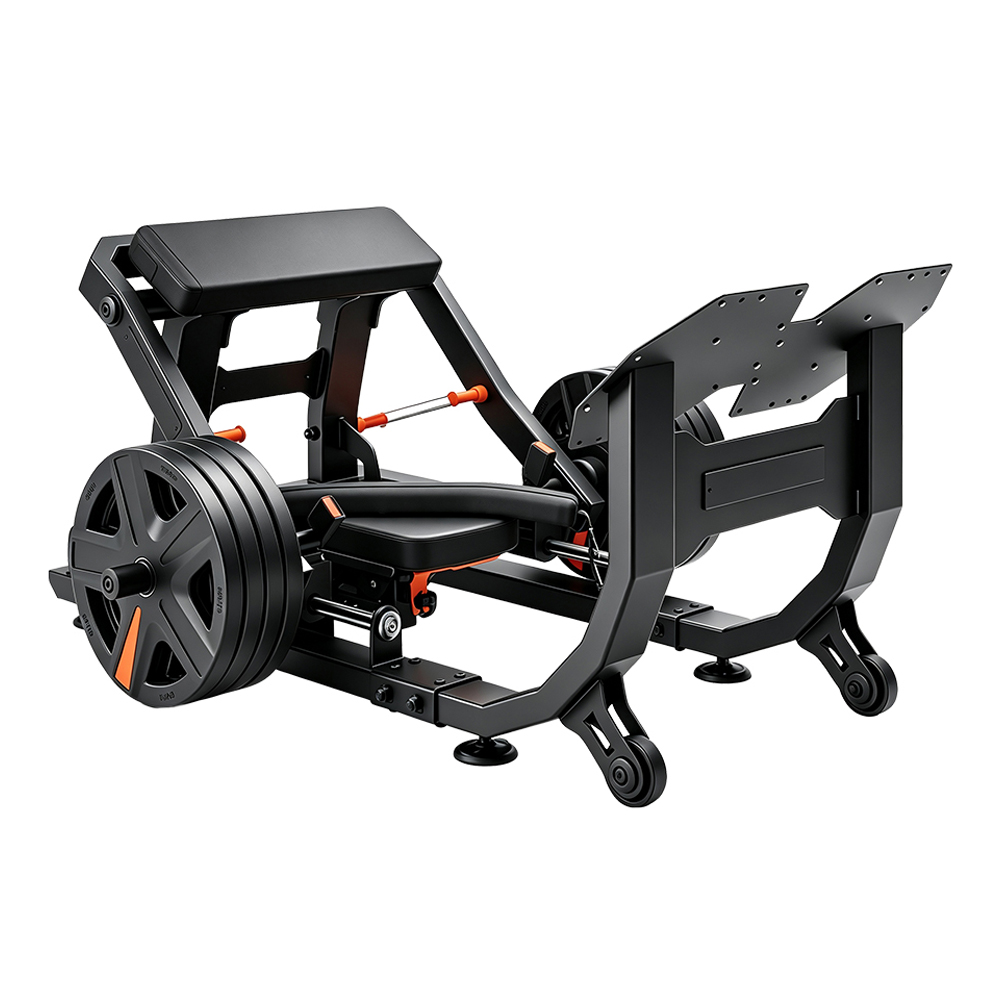
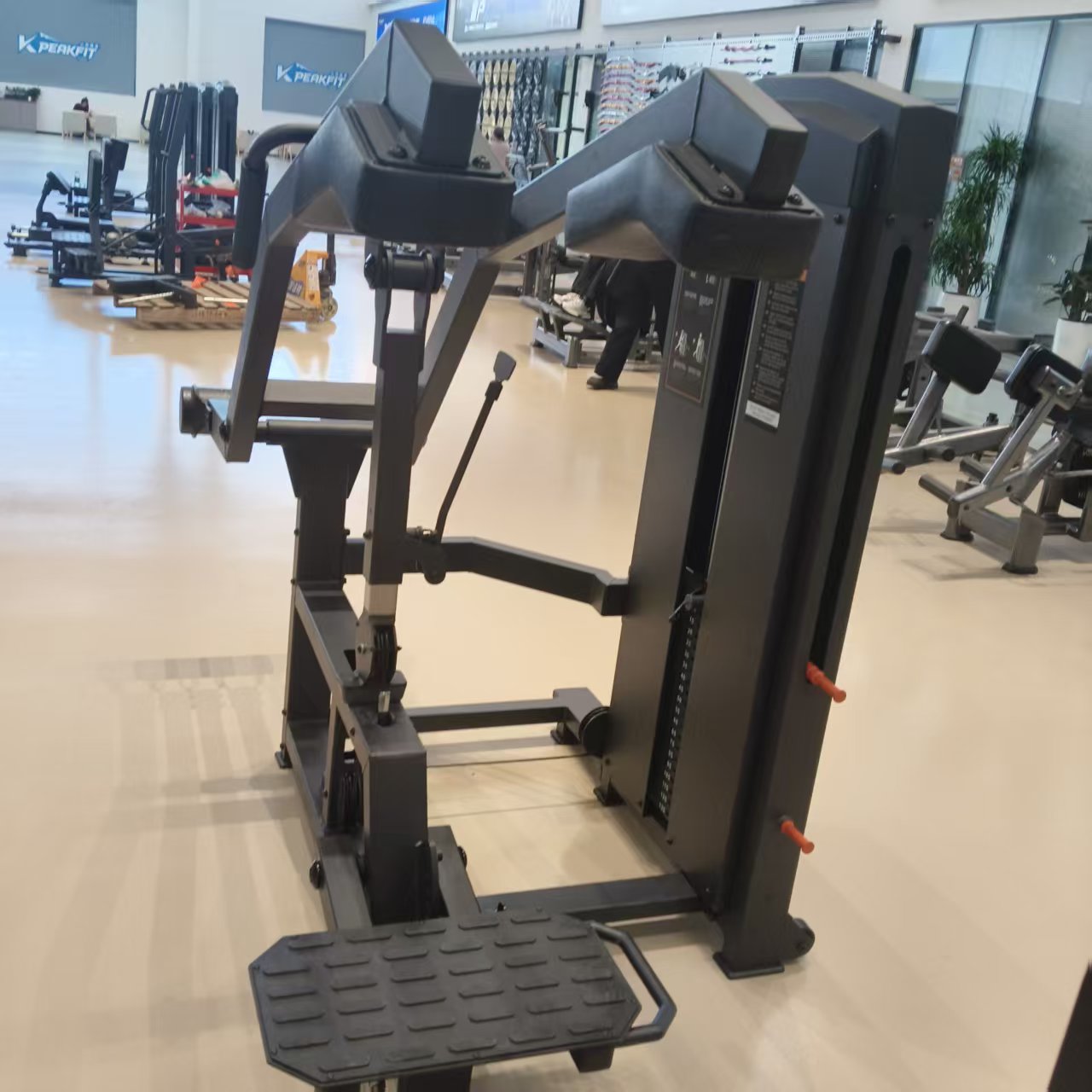
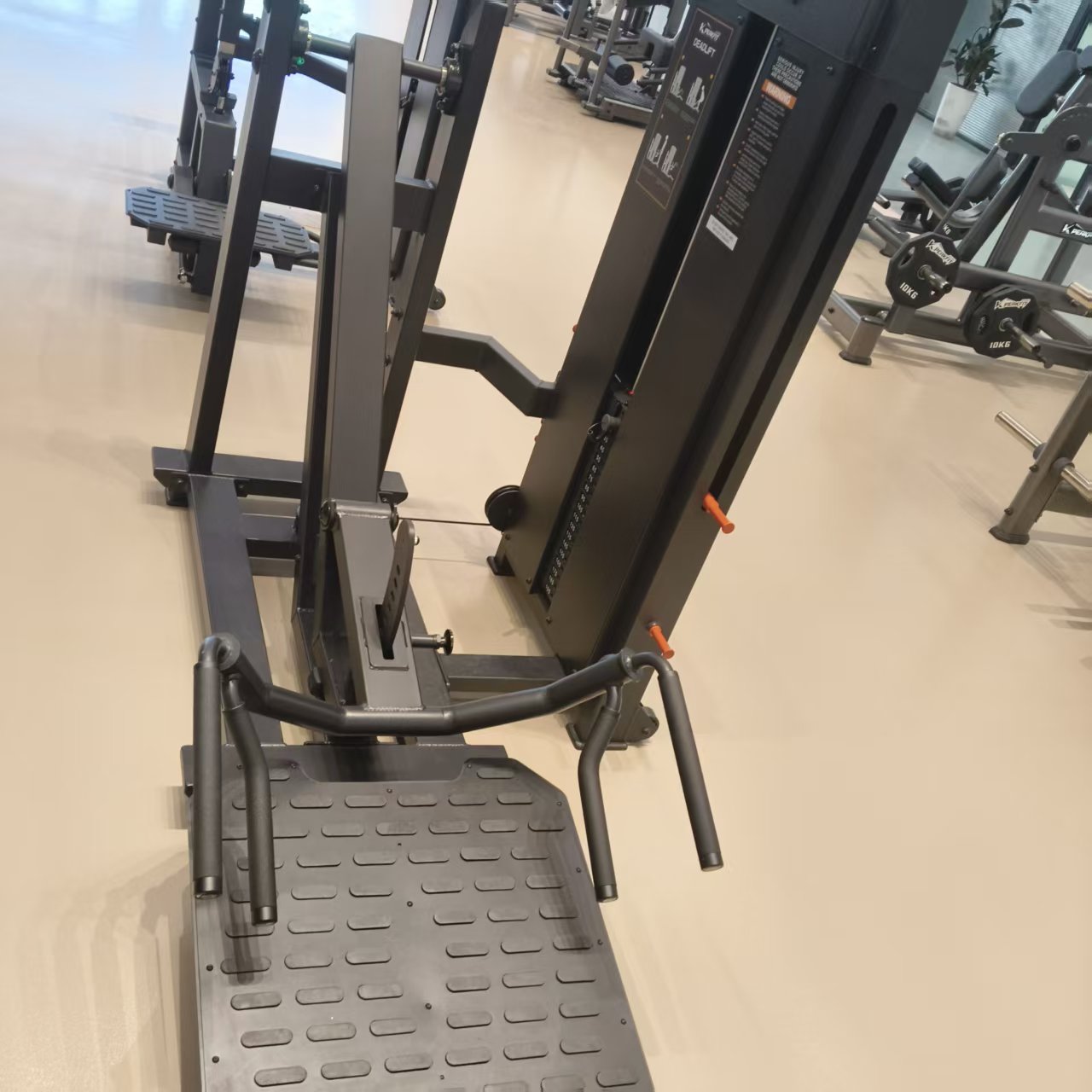
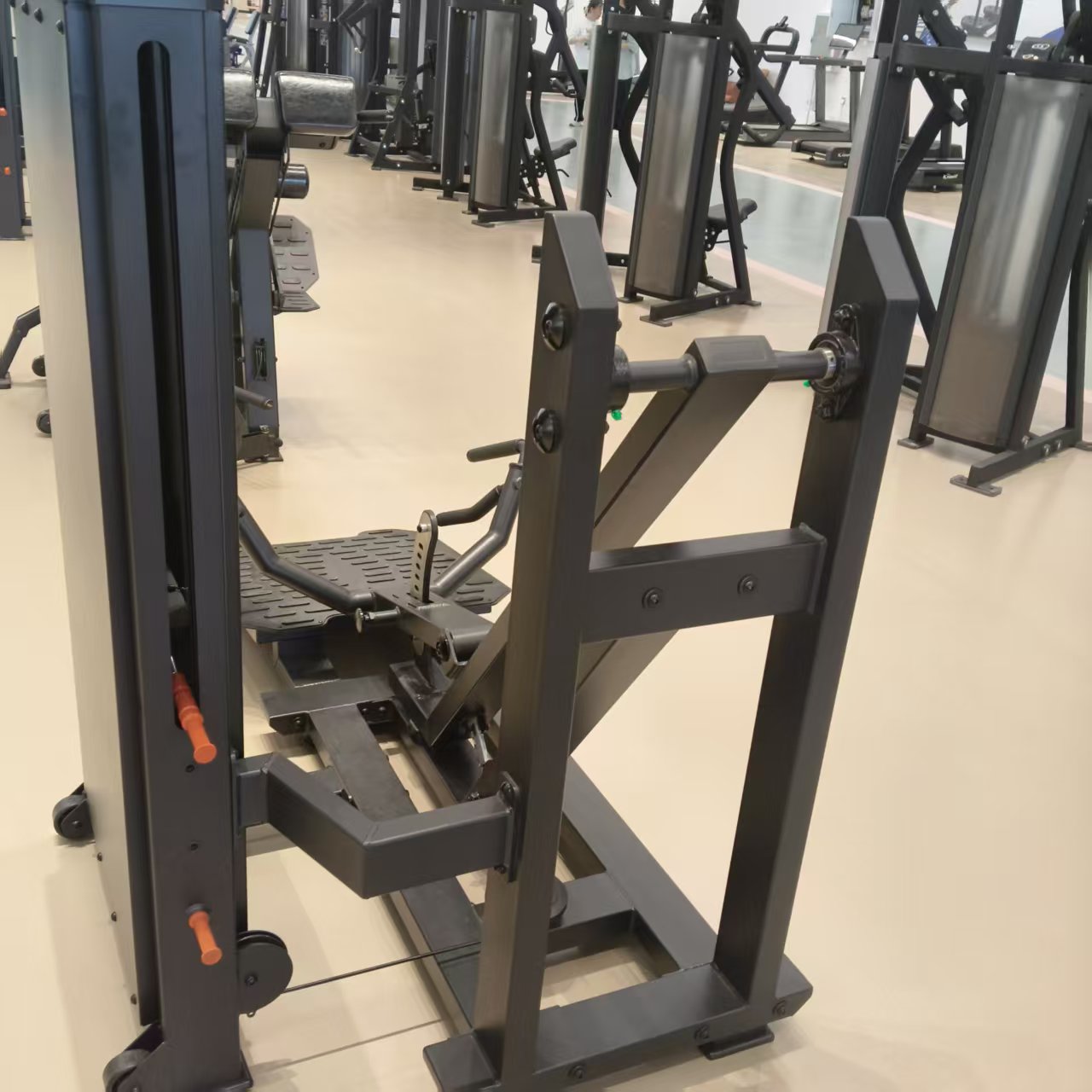
Key Specifications to Consider for Strength Workout Equipmen
When selecting strength workout equipment, several specifications should be prioritized to ensure suitability for intended applications:
Weight Capacity: Assess the maximum load the equipment can handle. This is crucial for ensuring safety and effectiveness. For example, commercial-grade equipment should typically support higher weights than home-use models.
Dimensions: Evaluate the size of the equipment, including length, width, and height. It should fit the intended space while allowing for safe usage, which often requires additional clearance around the equipment.
Adjustability: Look for features that allow customization to suit various user needs, such as adjustable seat heights, backrests, and resistance levels. This ensures versatility in use, accommodating different body types and fitness levels.
Ergonomics: Equipment should be designed with user comfort in mind. Features like padded grips, contoured seats, and natural movement patterns reduce the risk of injury and enhance the workout experience.
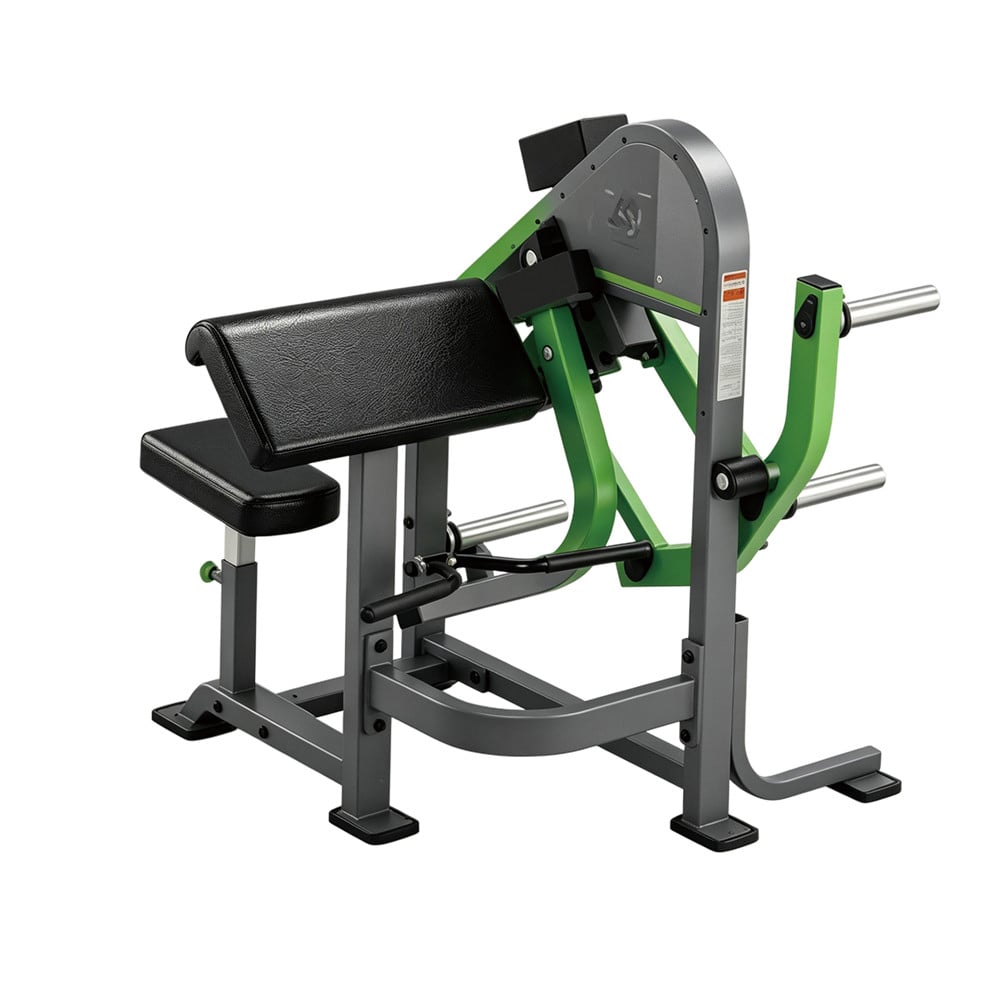
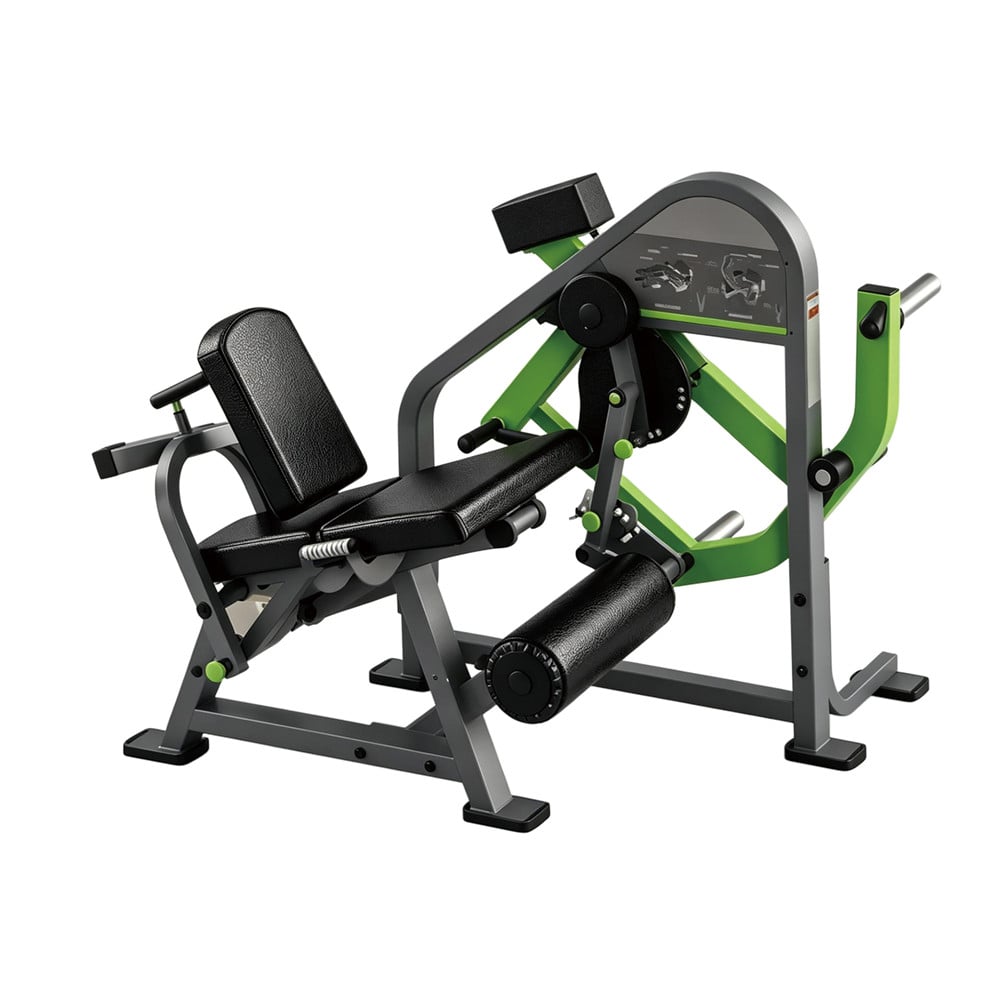
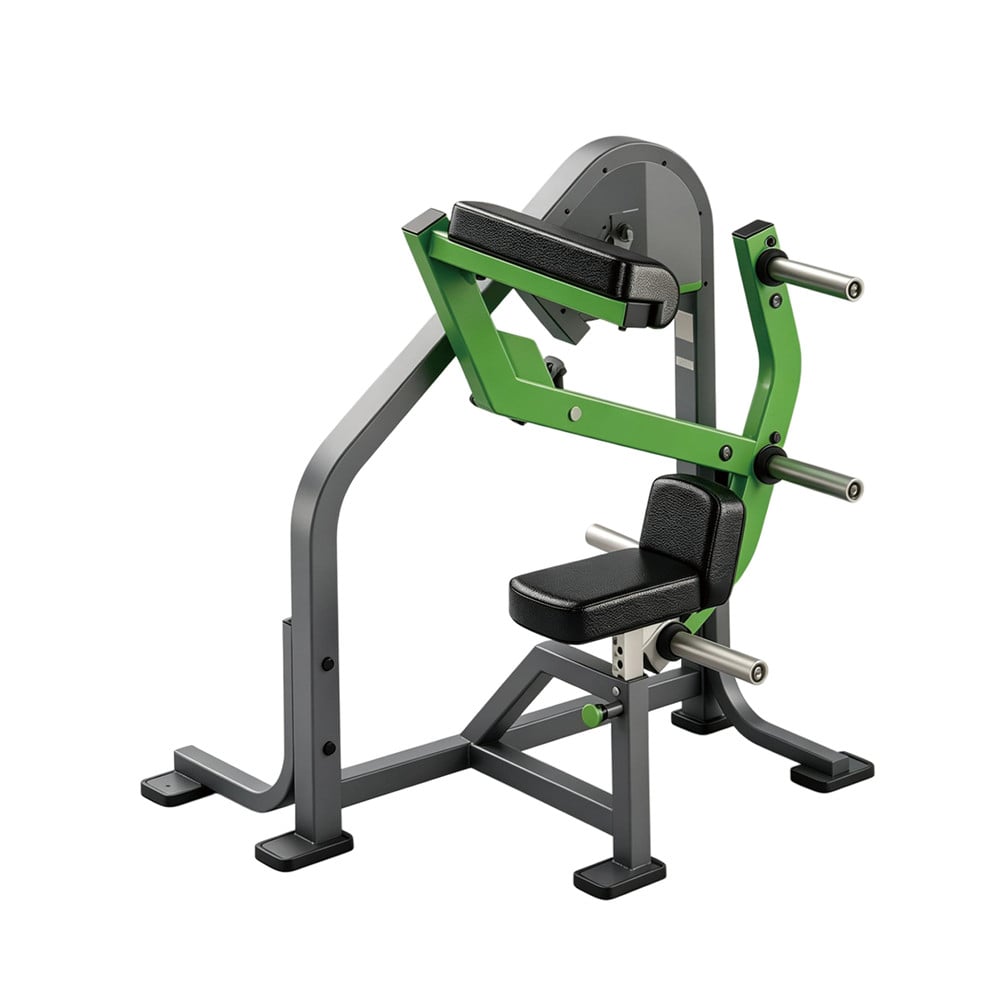
Durability: Consider the thickness of the materials used, particularly in high-stress areas. Equipment designed for heavy usage should have reinforced components to withstand wear over time. The durability of equipment like those from the BH1000 Series is particularly noteworthy.
By thoroughly evaluating these specifications, buyers can make informed decisions that align with their operational needs.
 EN