Guide to Female Strength Training Equipment

Kpeakfit, full-chain manufacturer with 10+ years & 90,000㎡ workshop.

Exhibit at IWF Shenzhen(H4A10) & WFF Shaoxing for global buyers.

Certified fitness gear, one-stop service for worldwide partners.

application/female-strength-training, application/female-strength-training, 
Inquiry
Inquiry

female strength training

When considering female strength training, it's essential to select equipment that meets both performance and safety standards. Buyers, including purchasing managers and fitness facility operators, often face challenges in ensuring that the equipment is appropriate for their specific needs. This article will guide you through critical considerations when choosing female strength training equipment, evaluating quality, understanding specifications, and installation guidance to support informed purchasing decisions.

How to Evaluate Quality in Female Strength Training Products

How to Evaluate Quality in Female Strength Training Products

Quality evaluation is vital when selecting female strength training products. Start with material selection; equipment made from high-grade steel and durable plastics can withstand rigorous use while maintaining structural integrity.

Next, examine the manufacturing capabilities of the supplier. A reputable manufacturer, like XiaoKe Fitness Technology Co., Ltd., employs advanced automated production lines, which enhance precision and ensure consistent quality across batches. It’s also important to ask about the quality control processes in place, including testing for safety and performance standards before products reach the market.

Another aspect to consider is the certifications that the equipment holds. Products that comply with international safety and performance standards provide an added layer of assurance. Look for evidence of third-party testing and certifications that validate the product's quality claims.

A Guide

A Guide

When preparing to select female strength training equipment, buyers should compile a clear list of specifications to share with potential suppliers. This list should include:

Product Type: Identify whether you need machines, free weights, or resistance bands.Dimensions: Specify space constraints in your facility to ensure compatibility.Weight Capacity: Confirm the maximum load the equipment can handle, aligned with the target user group.Material Requirements: Discuss preferences for materials, focusing on durability and safety.Performance Requirements: Clarify how the equipment should perform under various conditions, including usage frequency and intensity.

Including these details in your communications will streamline the quoting process and enable suppliers to provide tailored recommendations.

Comparing Specifications of Female Strength Training Machines

Comparing Specifications of Female Strength Training Machines

When comparing specifications of female strength training machines, focus on several critical parameters:

Resistance Type: Determine whether the machine uses weight stacks, pneumatic systems, or electromagnetic resistance. Each type has different implications for user experience and training effectiveness.

Adjustability Features: Assess how easily machines can be adjusted for different users. Machines with multiple settings for seat height, backrest angle, and grip width enhance versatility and user comfort.

Safety Features: Look for built-in safety mechanisms, such as automatic shut-off or safety levers, especially on machines that handle significant weights.

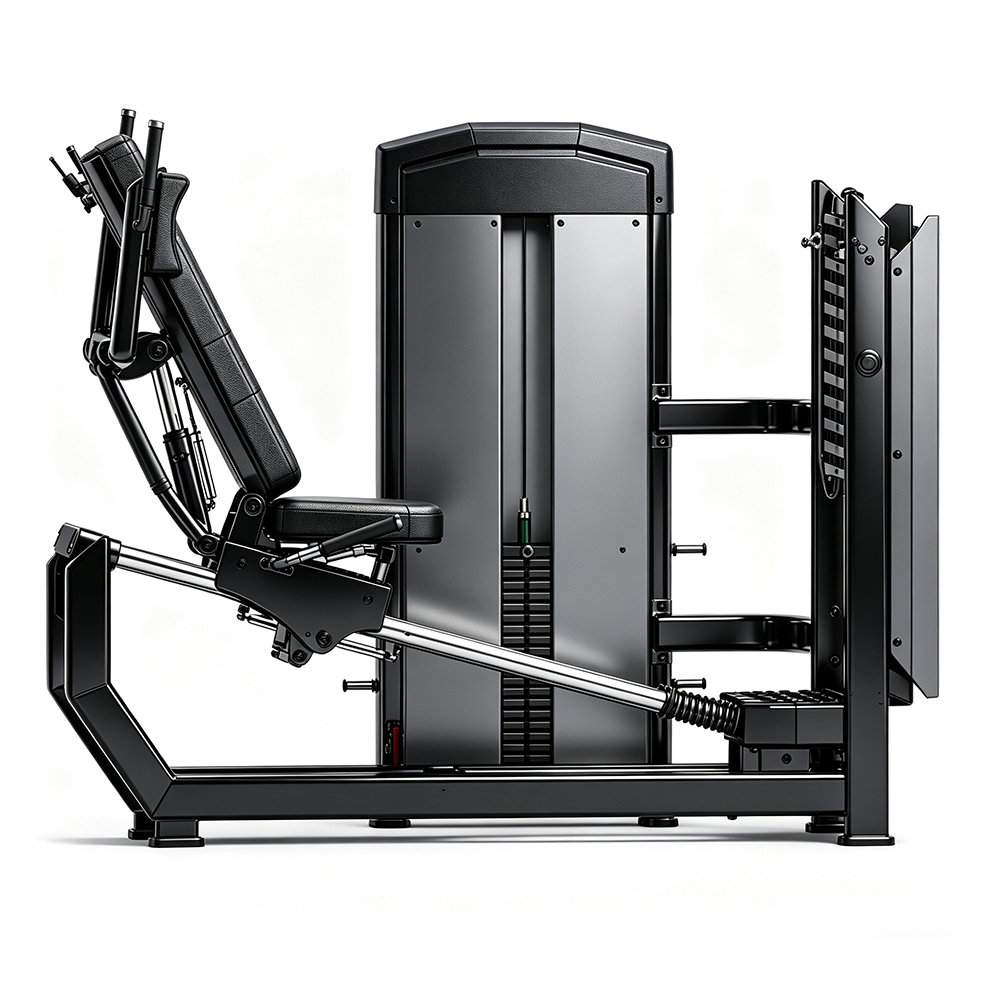
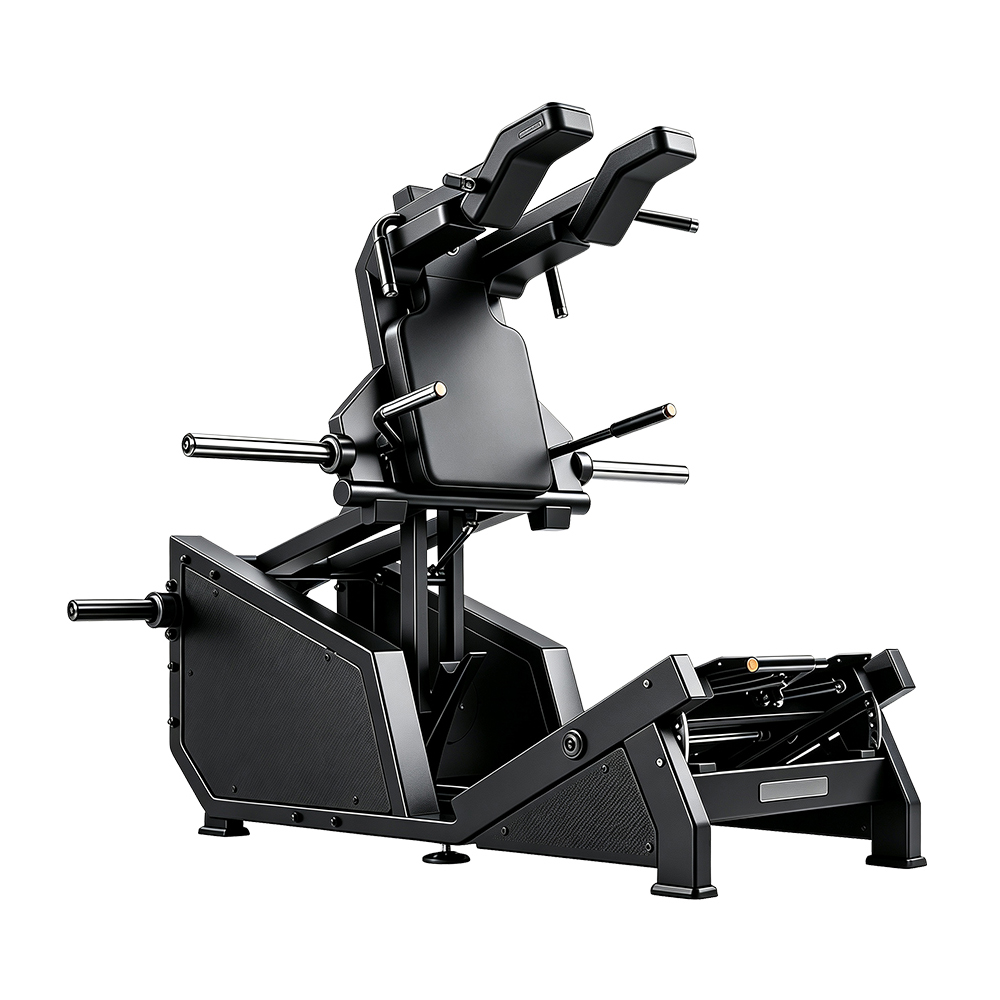
User Interface: A clear, intuitive interface allows users to focus on their workouts rather than struggling with controls. BM1015 Leg Press Machine provides an excellent user interface to enhance workout efficiency.

Warranty and Support: Understand the warranty terms and any post-purchase support offered, as this can significantly affect long-term satisfaction and reliability.

Comparing these specifications will help you make informed decisions when selecting equipment that aligns with your facility's goals.

Installation Guidance for Female Strength Training Equipmen

Proper installation of female strength training equipment is crucial for safety and functionality. Here are key steps to ensure successful installation:

Site Preparation: Ensure that the installation area is cleared and measured accurately to accommodate the equipment dimensions. This includes checking for ceiling height and floor strength to support heavy machines.

Follow Manufacturer Instructions: Adhere to the installation manual provided by the manufacturer. Each piece of equipment may have unique assembly requirements, and neglecting these can lead to safety hazards.

Leveling and Stability Checks: After installation, check that all equipment is level and stable. Use a spirit level to ensure that machines are not wobbling, which can lead to user injury.

Conduct a Safety Inspection: Before the equipment is used, perform a thorough safety check to confirm that all components are securely fastened and functioning correctly. This includes testing emergency stop functions and verifying that weight stacks are correctly aligned.

User Training: Finally, ensure that staff are trained on the equipment's operation and safety features. Proper training can prevent misuse and enhance user experience.

By following these guidelines, you can ensure that your female strength training equipment is installed correctly and ready for safe use, ultimately supporting your clientele's training goals.

What to Consider When Choosing Female Strength Training Equipmen

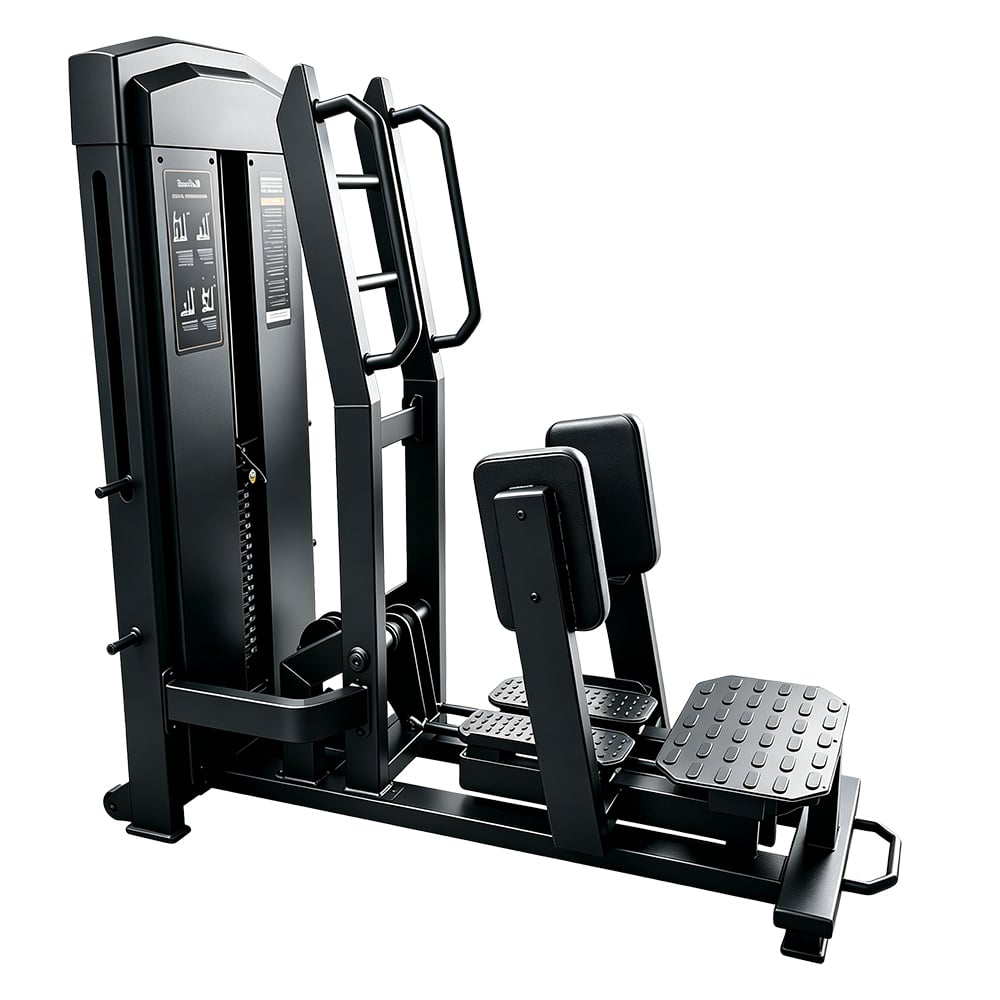
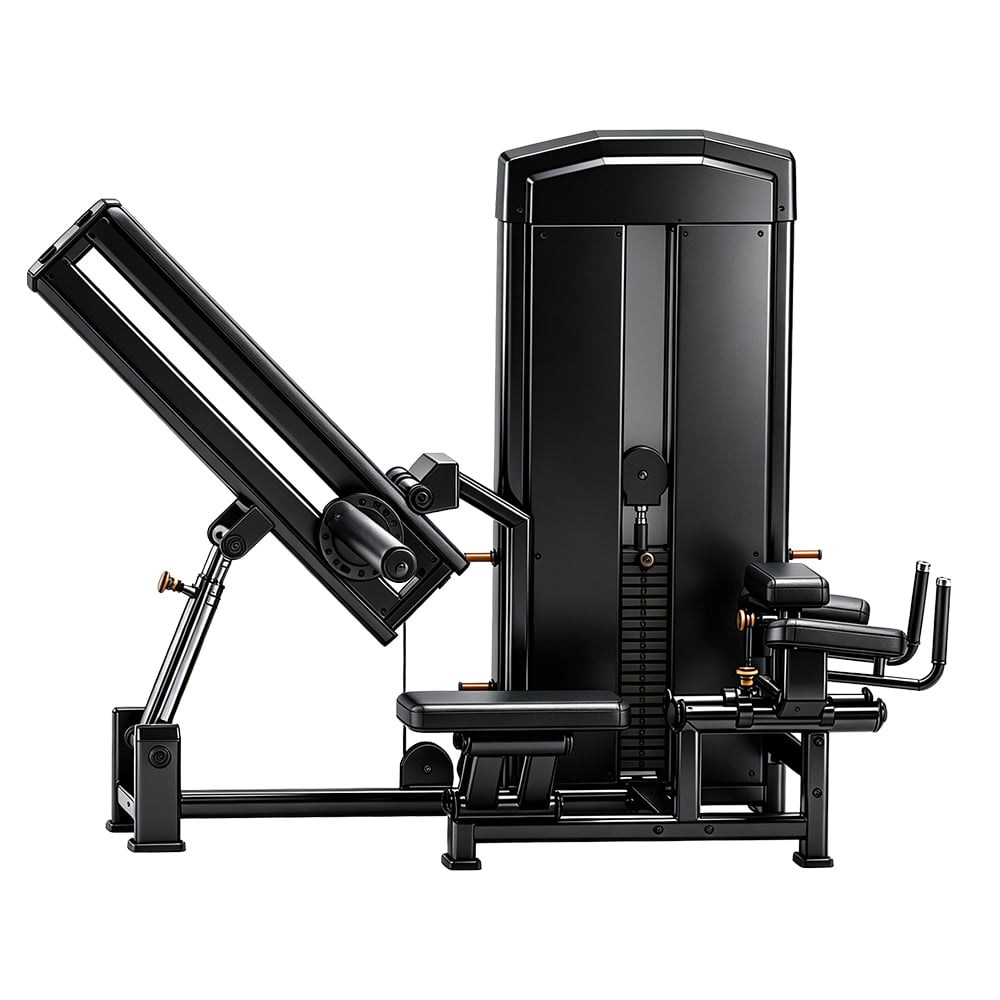
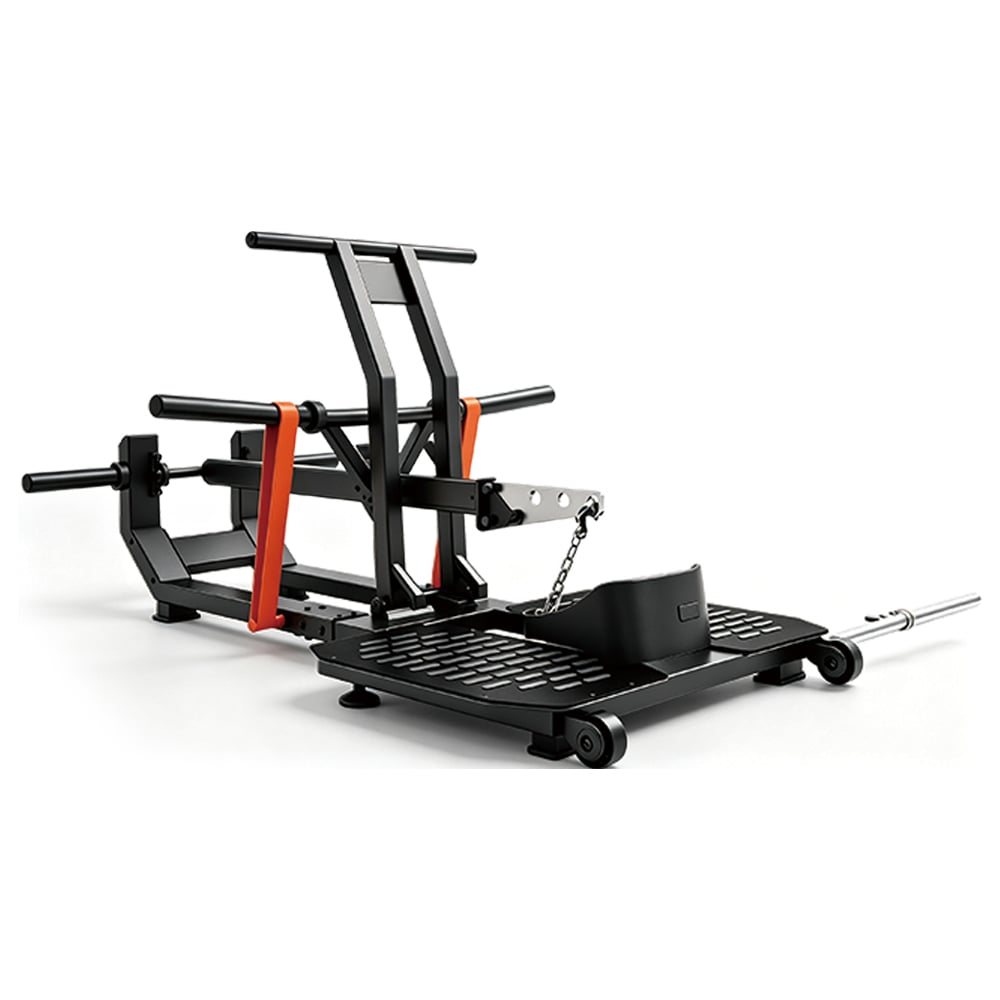
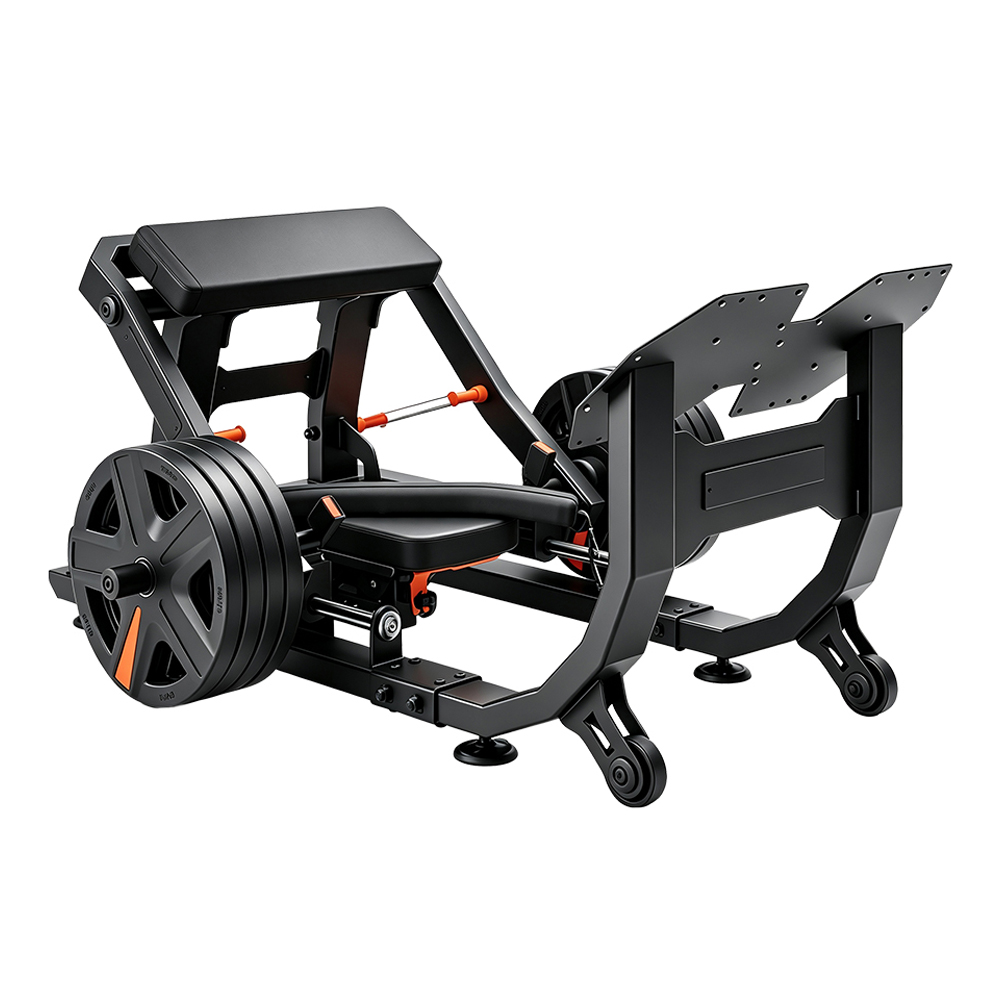
When selecting female strength training equipment, several key factors should be prioritized to ensure optimal performance and suitability for the intended users. Firstly, consider the specific training goals of your clientele, as this will influence the type of equipment needed. For example, machines designed for hypertrophy differ from those aimed at endurance training. Equipment such as the BD1005 Hip Push Trainer can be great for specific training goals.

Next, assess the ergonomic design of the equipment. Features such as adjustable seats, grips, and weight stacks should cater to various body types and sizes, enhancing comfort and safety during workouts. Additionally, equipment with integrated safety features, such as emergency stop buttons and secure weight locking mechanisms, is crucial for minimizing injury risks.

Finally, evaluate the equipment's durability and maintenance needs. High-quality materials and robust construction will ensure longevity, while ease of maintenance should be a consideration for keeping operational costs in check.

Frequently Asked Questions

What is female strength training and its benefits?

Female strength training focuses on resistance exercises to build muscle, improve bone density, enhance metabolism, and boost overall functional fitness and confidence.
Yes. Programs can be tailored for beginners with progressive loading, guided technique, and safety measures to build strength gradually.
Recommend 2–4 strength sessions per week, combined with rest and proper nutrition, to achieve measurable strength and body composition improvements.
You can start with bodyweight, resistance bands, dumbbells, or machines. Our facility supports a range of high-quality equipment for varied training needs.
No. Strength training sculpts lean muscle, improves tone and metabolic rate. Programs can be customized to individual aesthetic and performance goals.

Get a Free Quote

Our representative will contact you soon.
0/1000