Reliable Suppliers for Leg Machines in Bulk

Kpeakfit, full-chain manufacturer with 10+ years & 90,000㎡ workshop.

Exhibit at IWF Shenzhen(H4A10) & WFF Shaoxing for global buyers.

Certified fitness gear, one-stop service for worldwide partners.

application/leg-machines, application/leg-machines, 
Inquiry
Inquiry

leg machines

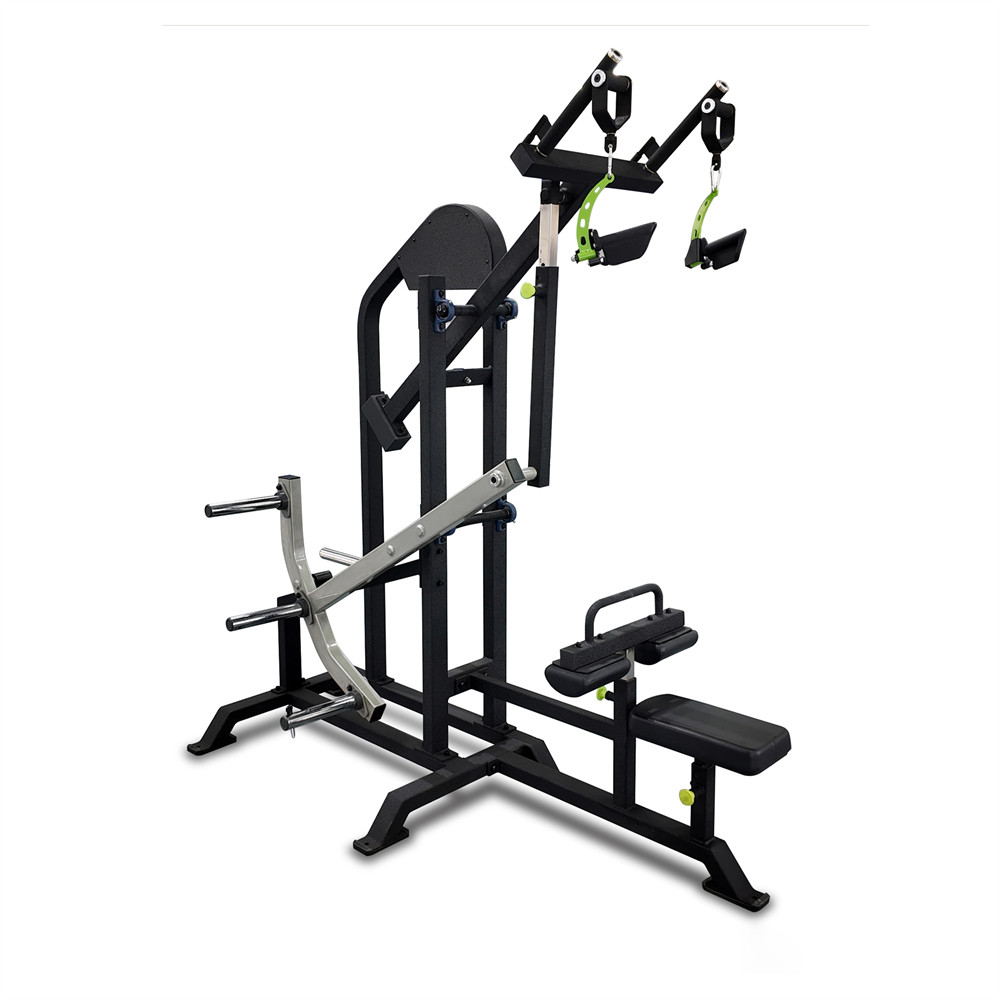
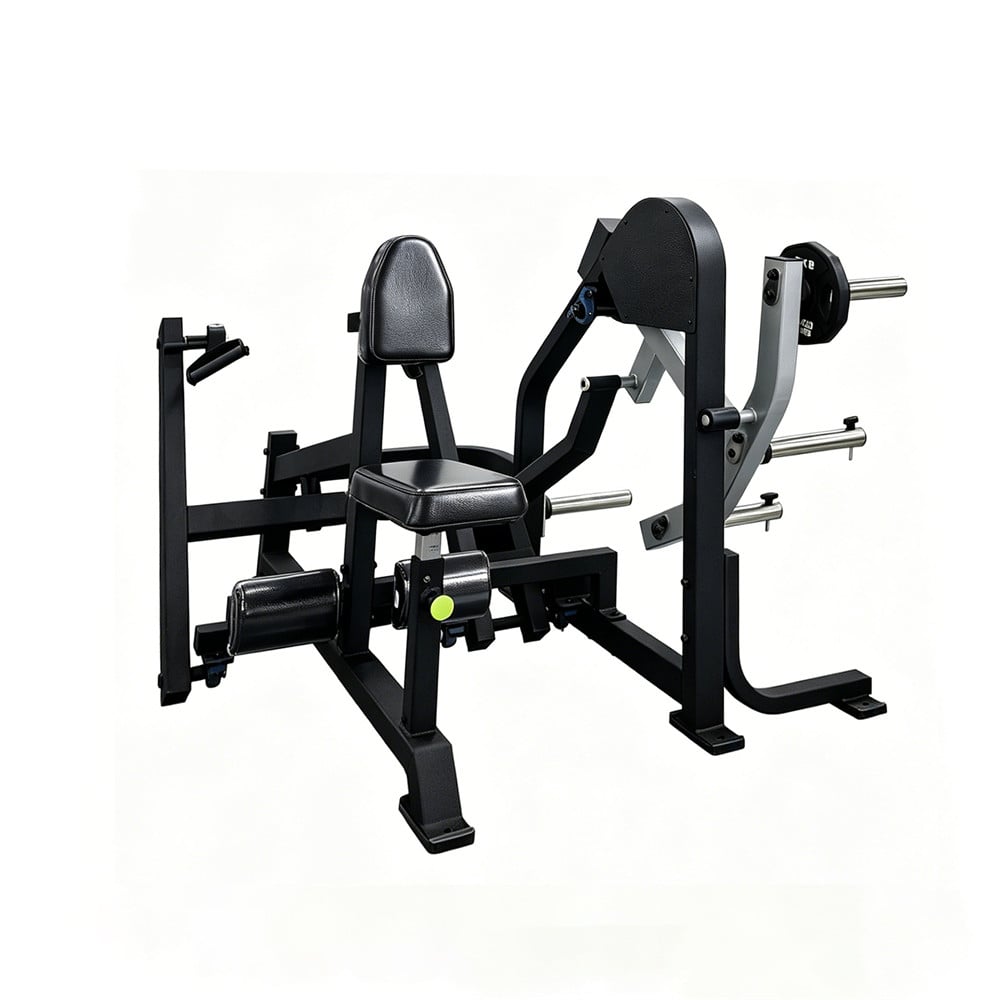
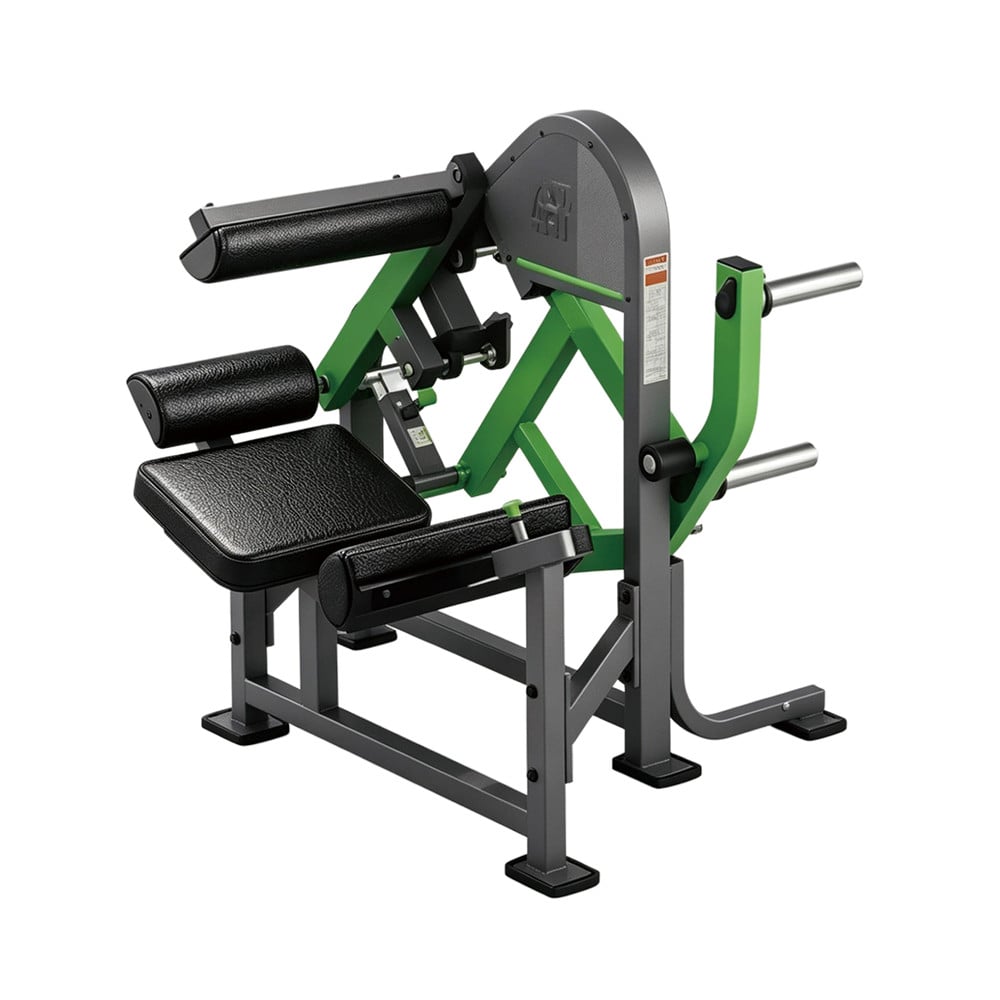
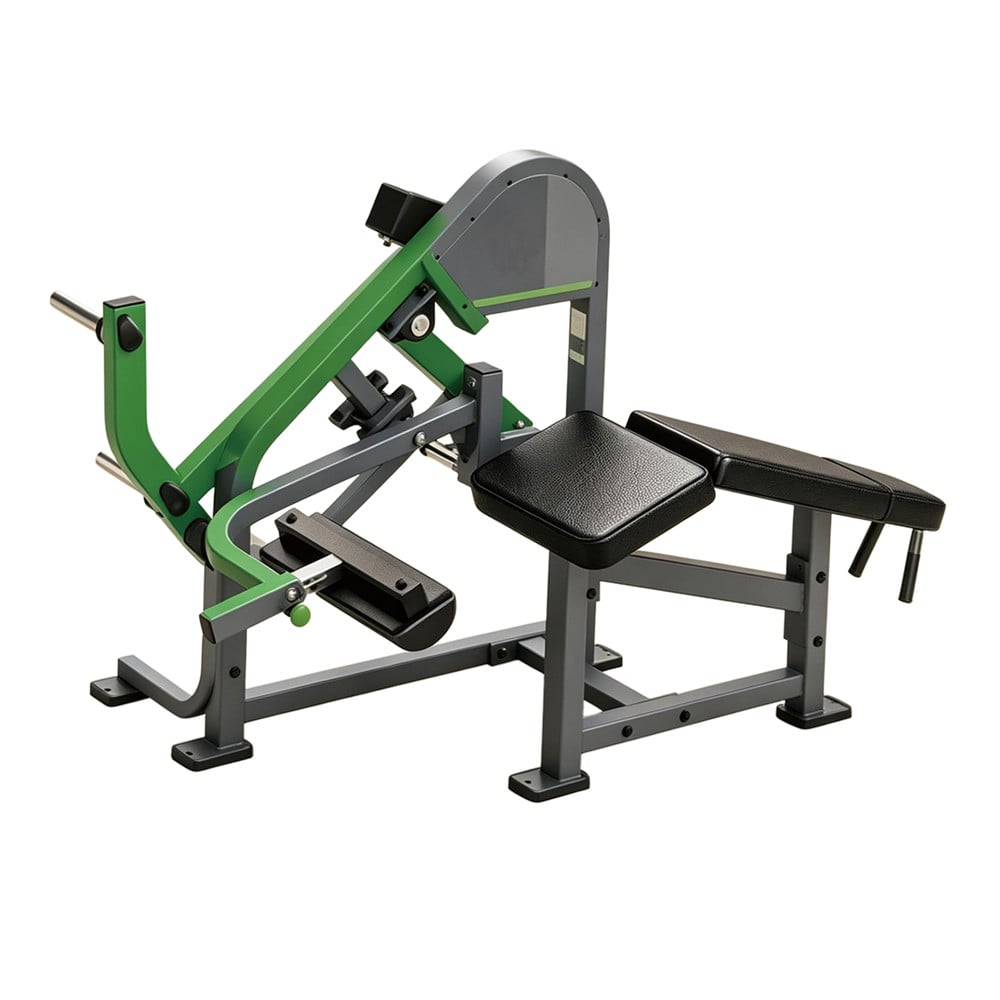
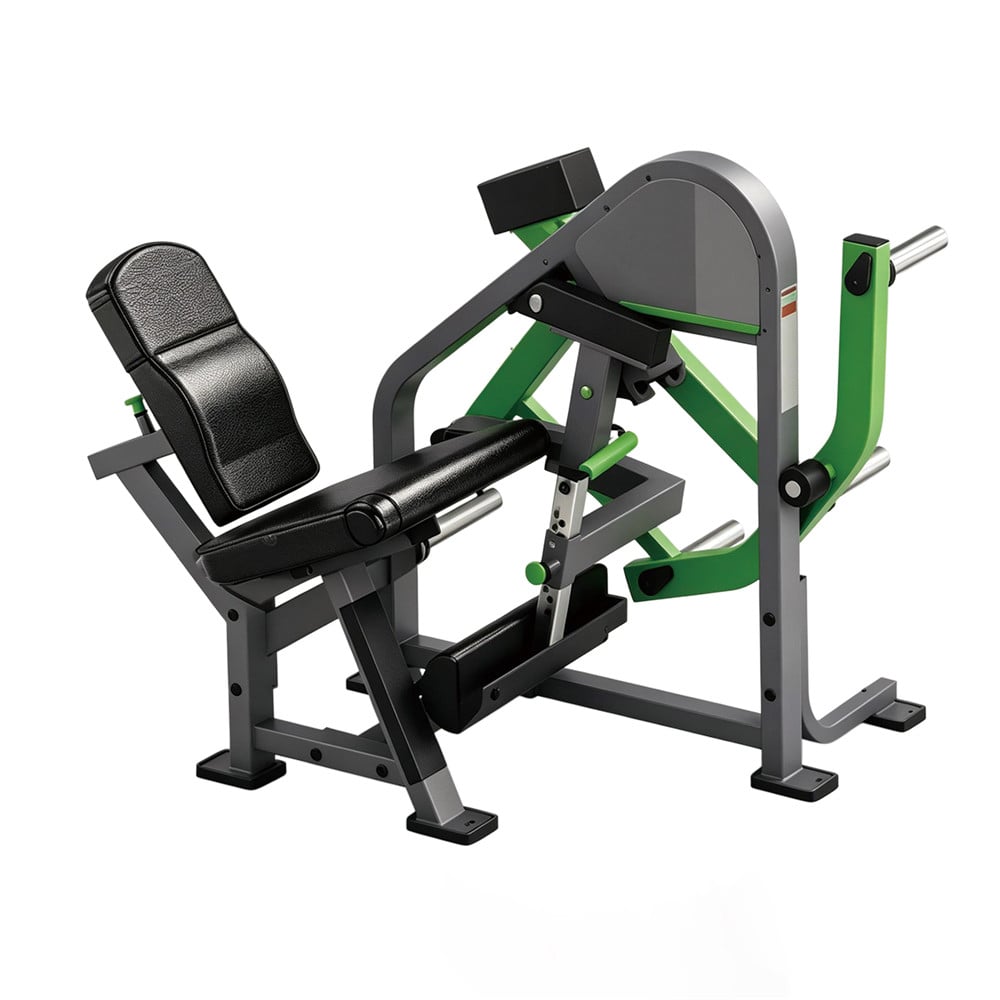
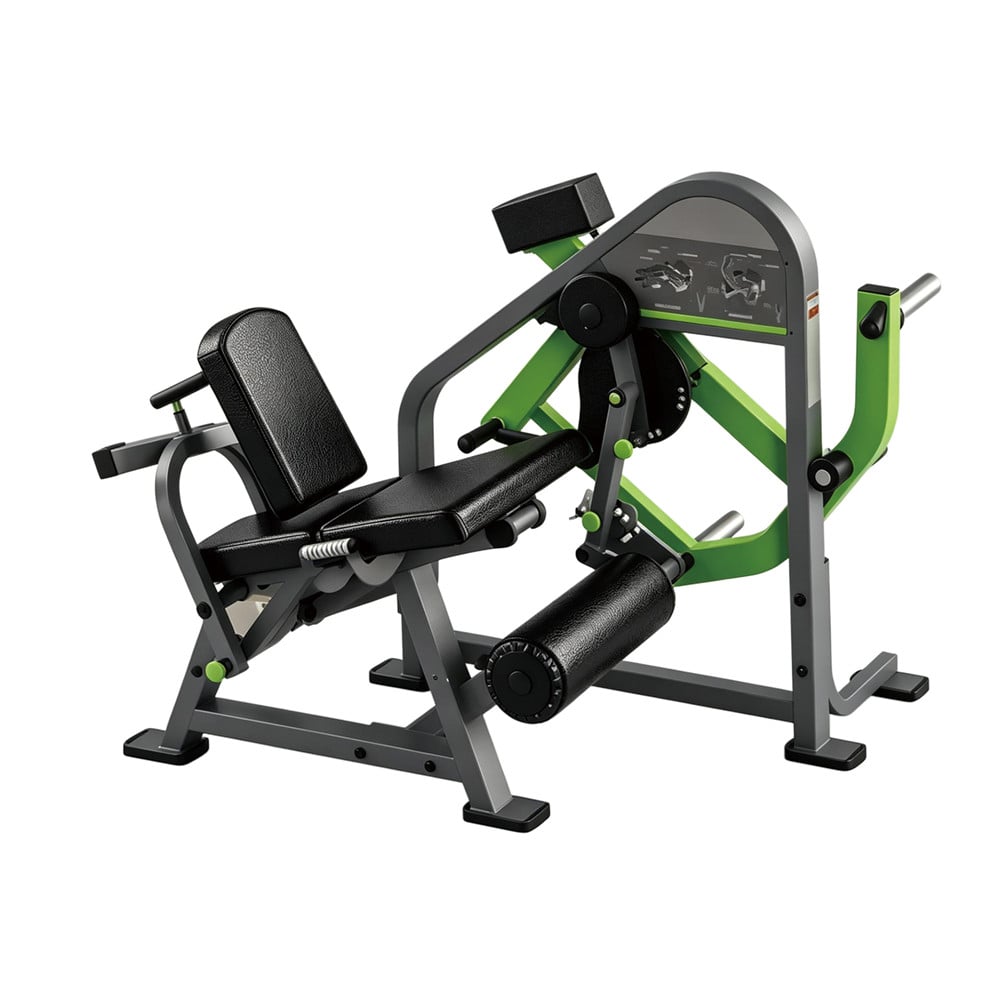
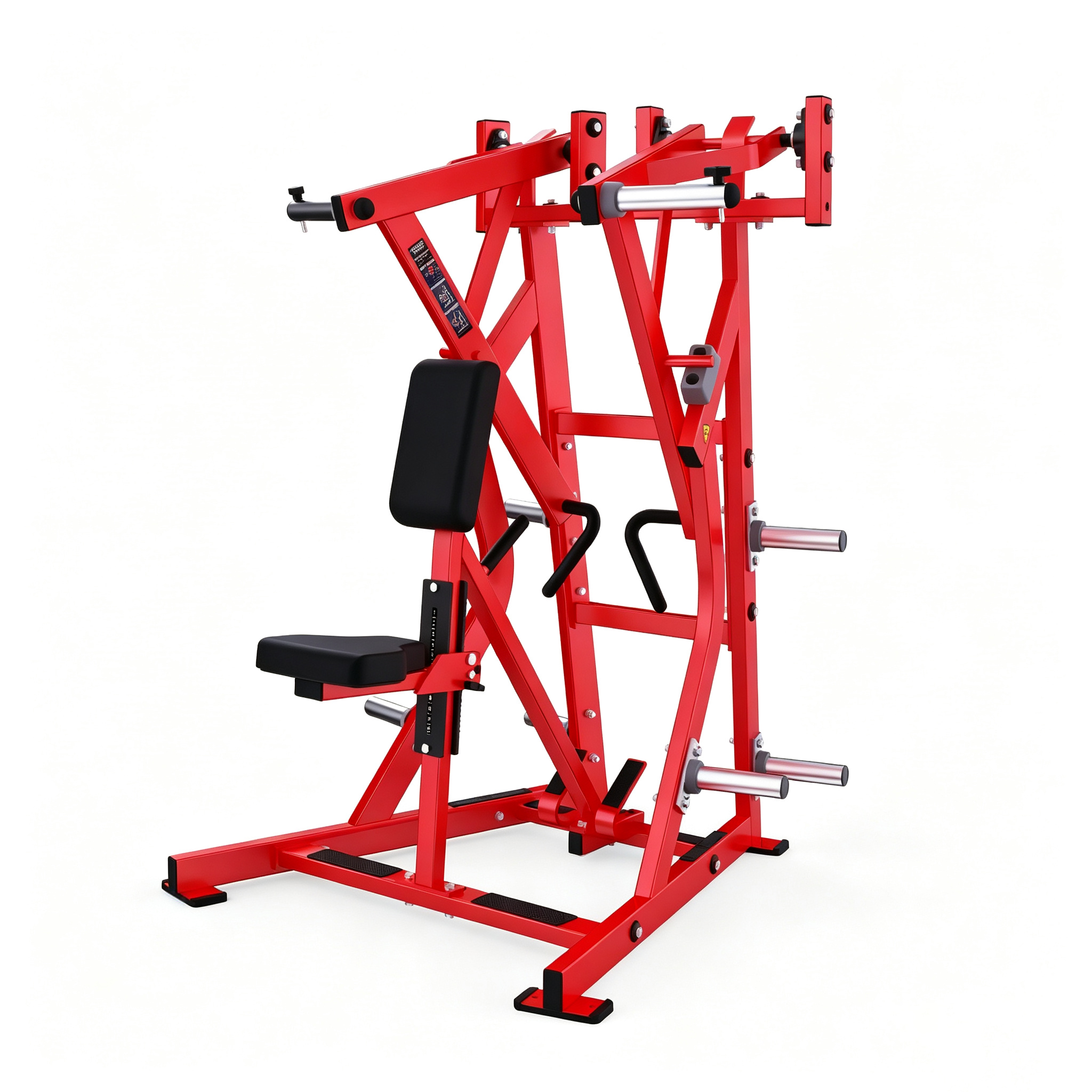
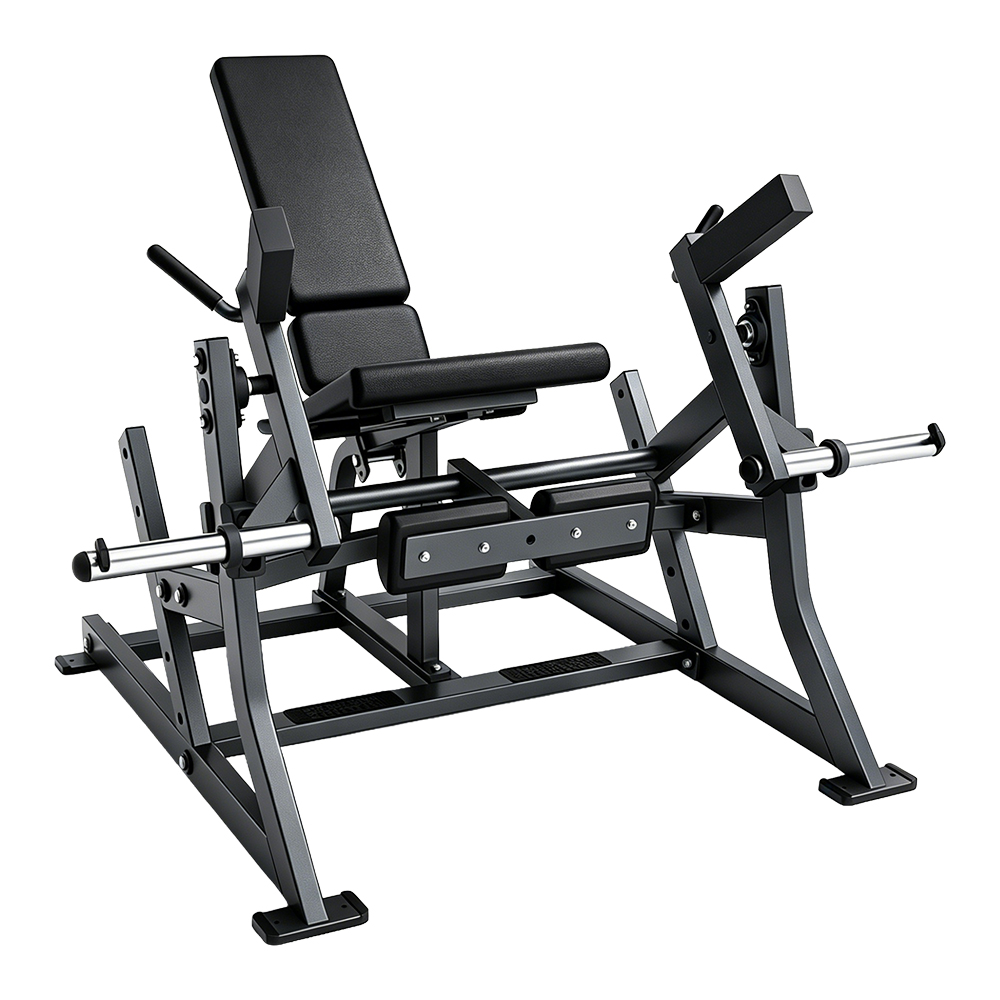
Leg machines are essential fitness equipment designed to target and strengthen the lower body, specifically the quadriceps, hamstrings, calves, and glutes. For B2B buyers in the fitness equipment industry—such as purchasing managers, gym owners, and fitness equipment distributors—understanding the nuances of leg machines is crucial for making informed purchasing decisions. This article will address key considerations for sourcing, comparing models, evaluating costs, troubleshooting common issues, and exploring various applications of leg machines.

Comparing Different Leg Machine Models for Contractor Projects

Comparing Different Leg Machine Models for Contractor Projects

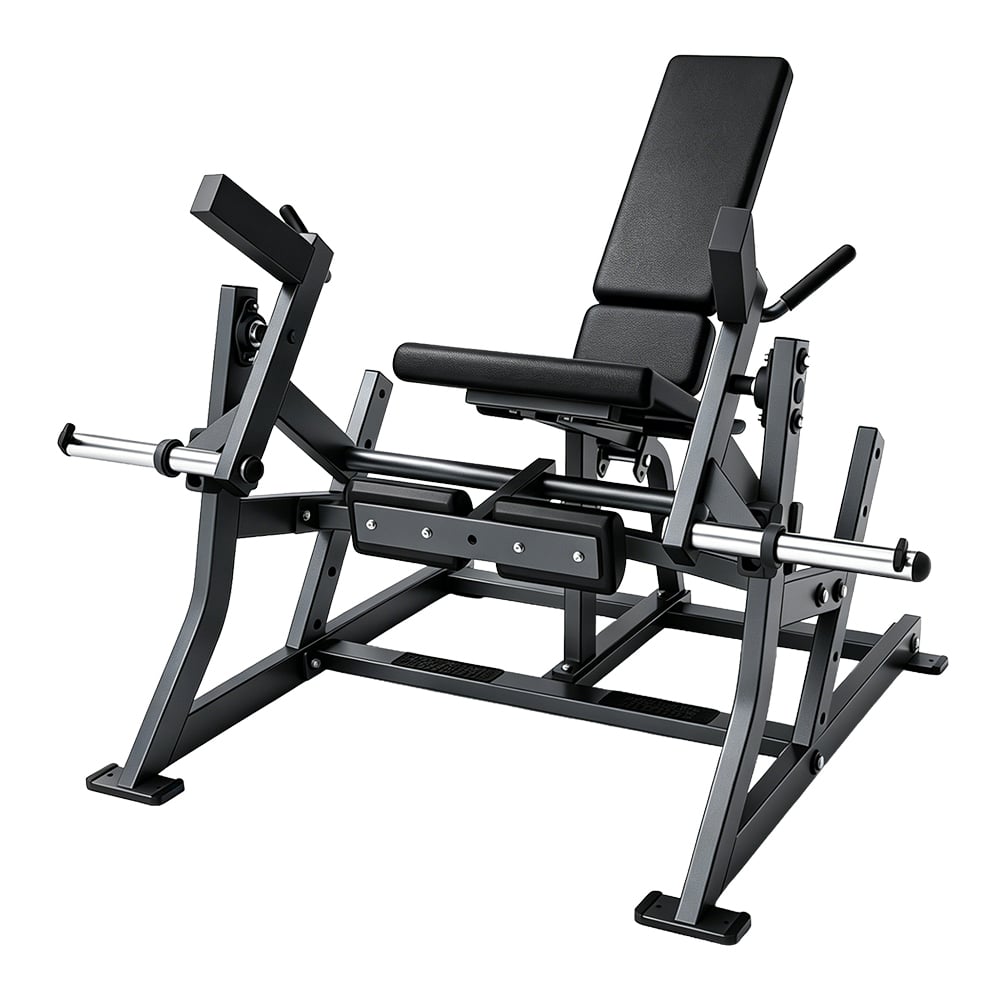
When evaluating leg machines for contractor projects, it's essential to compare various models based on key specifications and features. Consider the following factors:

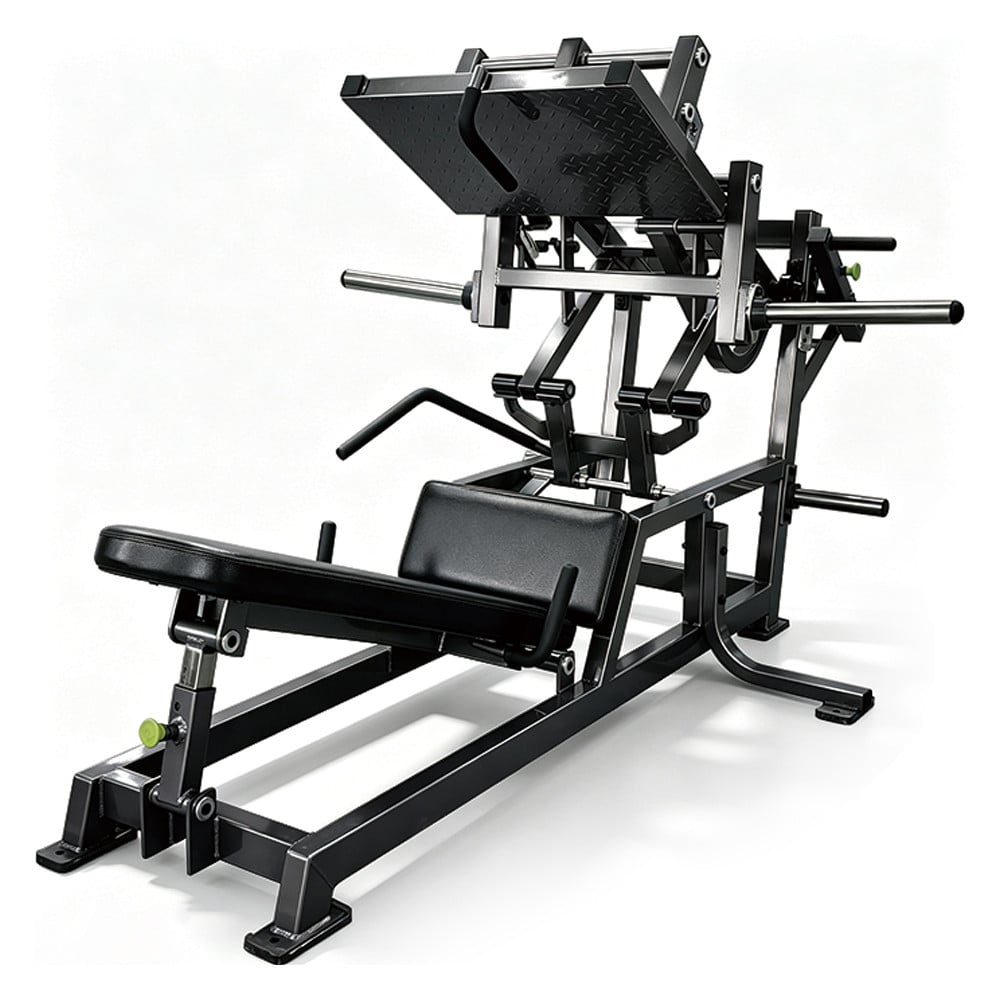
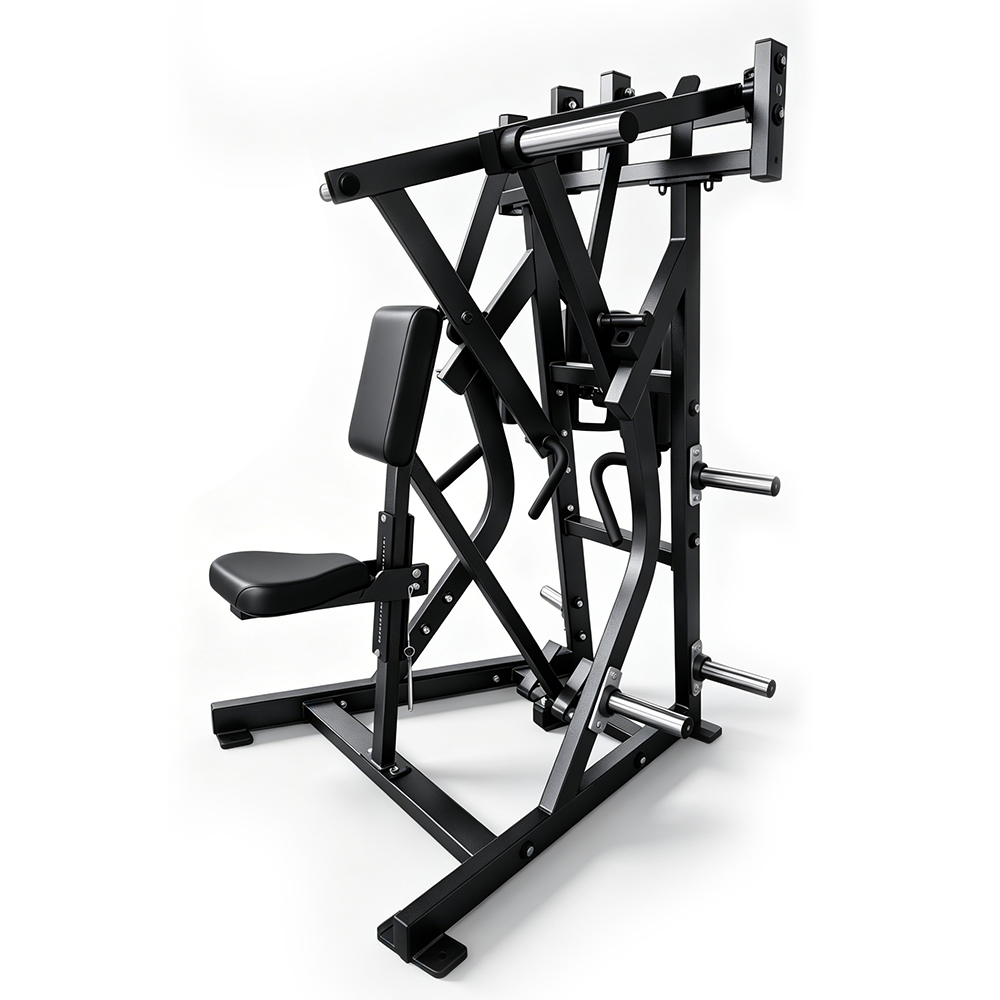
Type of Leg Machine: Different models serve different purposes; for instance, leg press machines target overall leg strength, while leg extension and curl machines isolate specific muscle groups. You might also want to review the Plate Loaded Series for additional options.Weight Capacity: Assess the maximum weight the machine can handle to ensure it meets the demands of your clientele. This varies by design and construction materials.Footprint and Design: The size of the machine is crucial, especially for facilities with limited space. Ensure the design fits the layout of the intended environment.Adjustability: Look for machines with adjustable components to accommodate users of various sizes and fitness levels, enhancing their usability and appeal.Durability and Build Quality: Materials used in construction significantly impact the longevity and performance of the equipment. Common materials include steel frames and heavy-duty upholstery, which should be evaluated for wear resistance.

By thoroughly comparing these factors, you can recommend the most suitable leg machine models for your projects, ensuring that they meet both performance and aesthetic requirements.

Understanding the Cost Factors Involved in Purchasing Leg Machines

Understanding the Cost Factors Involved in Purchasing Leg Machines

The cost of leg machines can vary widely based on several factors. Understanding these can aid in budget planning and negotiation with suppliers:

Material Quality: Machines made from high-grade materials, such as commercial-grade steel, will typically cost more but offer better durability and safety.Manufacturing Processes: Advanced manufacturing techniques, like automated welding and precision machining, can increase production costs but result in higher-quality products.Customization Options: Customized machines tailored to specific user needs or branding requirements may come at a premium.Volume Discounts: Purchasing in bulk often results in lower per-unit costs. Establishing long-term contracts with suppliers can also lead to better pricing.Shipping and Handling: Consider logistics costs, especially if importing equipment from overseas. Shipping fees, tariffs, and handling charges can significantly impact the overall cost.

By clearly understanding these cost factors, you can make more strategic purchasing decisions that align with your budget and project requirements.

Common Problems with Leg Machines and Their Effective Solutions

Common Problems with Leg Machines and Their Effective Solutions

While leg machines are generally reliable, they can encounter several common issues that may impact performance and user experience. Here are some frequent problems and practical solutions:

Noise During Operation: If a leg machine squeaks or rattles, it may need lubrication or tightening of loose components. Regular maintenance checks can prevent this issue.Wear and Tear on Upholstery: Over time, the upholstery can degrade. Opt for machines with high-quality, tear-resistant materials and consider replacing the upholstery periodically to maintain aesthetic appeal.Mechanical Failures: Issues such as resistance plate malfunction or cable fraying can arise. Ensure that your supplier provides warranty support and clear maintenance guidelines.Stability Concerns: Machines that wobble can cause safety issues. Ensure proper installation and periodic inspections to identify and rectify any stability concerns.

By proactively addressing these common issues, you can enhance the longevity and performance of your leg machines, improving customer satisfaction in the long run.

Applications of Leg Machines in Various Fitness Environments

Leg machines are versatile pieces of equipment that find applications across different fitness environments, including:

Commercial Gyms: In commercial settings, leg machines are essential for attracting clients looking to enhance their lower body strength. Machines like leg presses and extensions can handle high volumes of use.Rehabilitation Centers: In rehab settings, leg machines can be adjusted for lower resistance to aid recovery from injuries, allowing patients to regain strength safely.Home Gyms: For personal trainers and home gym enthusiasts, compact and multi-functional leg machines can provide effective workouts in limited spaces.Sports Training Facilities: Athletes benefit from specialized leg machines that can be customized for strength and conditioning programs, improving performance in their respective sports.

Understanding these applications helps buyers align their product offerings with market demands and client needs, ultimately leading to greater customer satisfaction and retention. Additionally, incorporating specialized equipment like Multifunctional Equipment can further enhance training versatility.

By considering these various aspects of leg machines, B2B buyers can make informed decisions that support their business goals and enhance the value they offer to their customers.

Where to Source Reliable Suppliers for Leg Machines in Bulk

Finding a reliable supplier for leg machines is critical for ensuring quality and consistency in your fitness offerings. Start by identifying manufacturers with a solid reputation in the industry, such as XiaoKe Fitness Technology Co., Ltd., which integrates research and development, design, production, and sales under one roof. This vertical integration often leads to better quality control and product consistency. Consider exploring the Series Strength Equipment for comprehensive strength solutions.

When searching for suppliers, consider the following:

Industry connections: Leverage industry networks and trade shows to gather recommendations and meet manufacturers face-to-face.Factory visits: If possible, visit the facilities of potential suppliers to assess their manufacturing capabilities and quality control processes.Certifications: Ensure that suppliers hold relevant certifications that guarantee product quality and safety standards.Minimum Order Quantity (MOQ): Check their MOQs to ensure that they align with your purchasing needs, as this can vary significantly between suppliers.

Establishing a solid relationship with a reliable supplier can lead to better pricing, priority service, and customization options.

Frequently Asked Questions

What types of leg machines do you offer?

We offer seated leg press, leg extension, leg curl and multi-function leg machines designed for gyms and home use, with customizable configurations to suit different training needs.
Machines are built with high-strength steel, precision welding, powder-coated finish and durable upholstery, manufactured in our automated facility to ensure stable, high-precision quality.
Yes. We provide customizable colors, weight stack options, seat adjustments and OEM branding solutions to meet specific market or client requirements.
We offer standard warranty coverage, spare parts supply and technical support. Our team is available for installation guidance, maintenance advice and global customer service.
MOQ varies by model; typical orders start from small commercial batches. Lead times depend on quantity and customization, usually ranging from weeks to a few months.

Get a Free Quote

Our representative will contact you soon.
0/1000