Key Specifications for Plate Loaded Leg Extensions

Kpeakfit, full-chain manufacturer with 10+ years & 90,000㎡ workshop.

Exhibit at IWF Shenzhen(H4A10) & WFF Shaoxing for global buyers.

Certified fitness gear, one-stop service for worldwide partners.

application/plate-loaded-leg-extension, application/plate-loaded-leg-extension, 
Inquiry
Inquiry

plate loaded leg extension

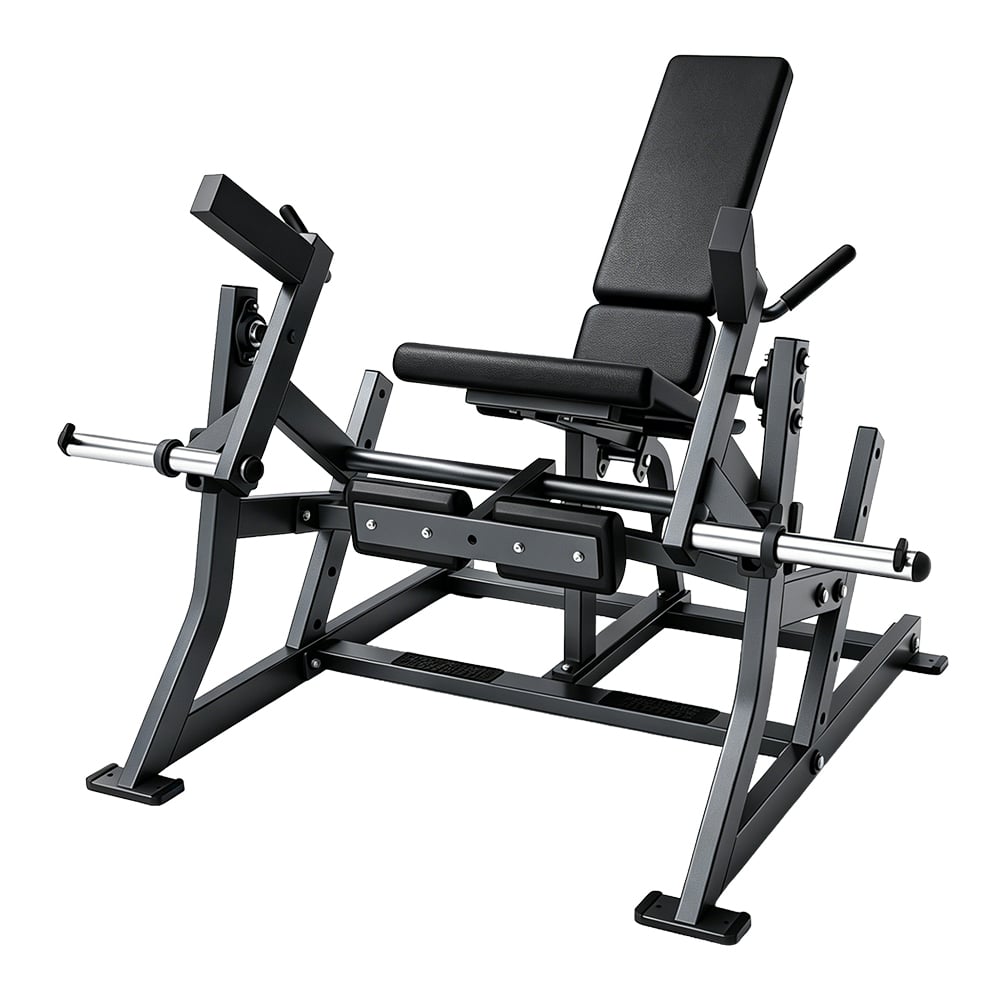
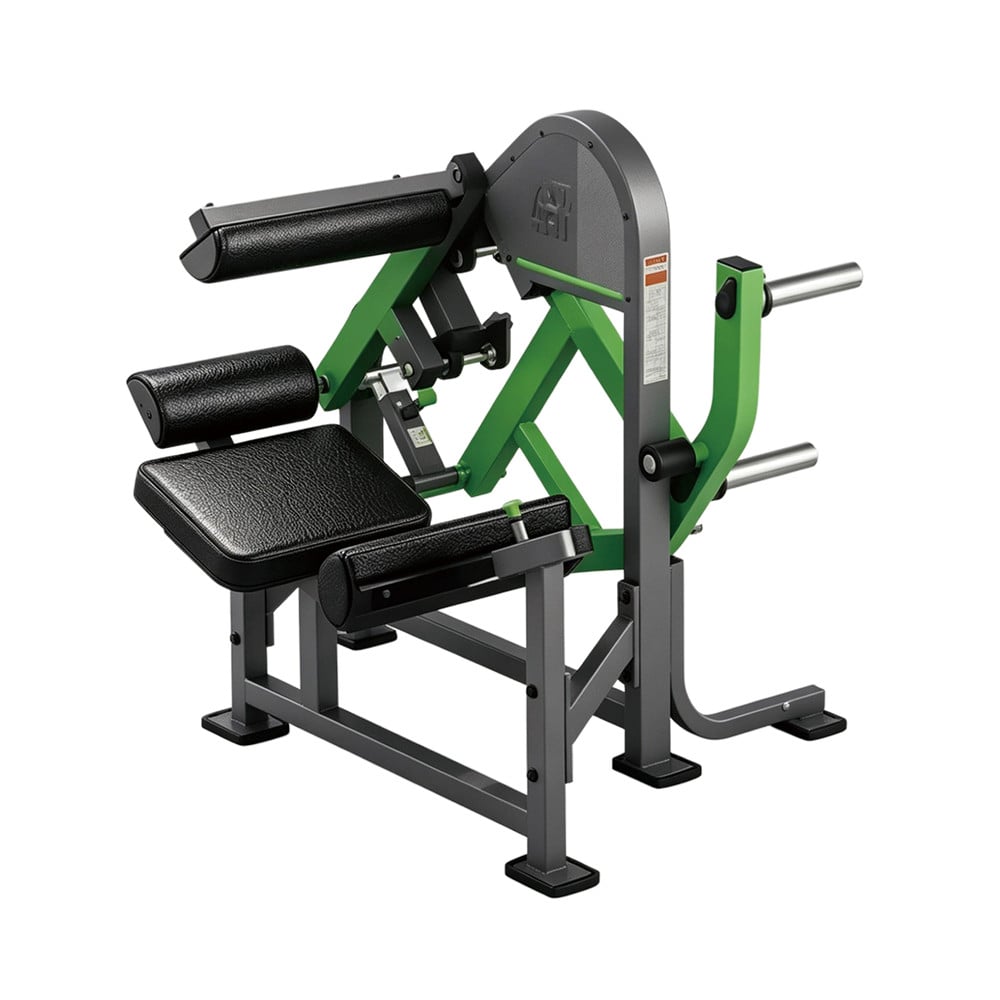
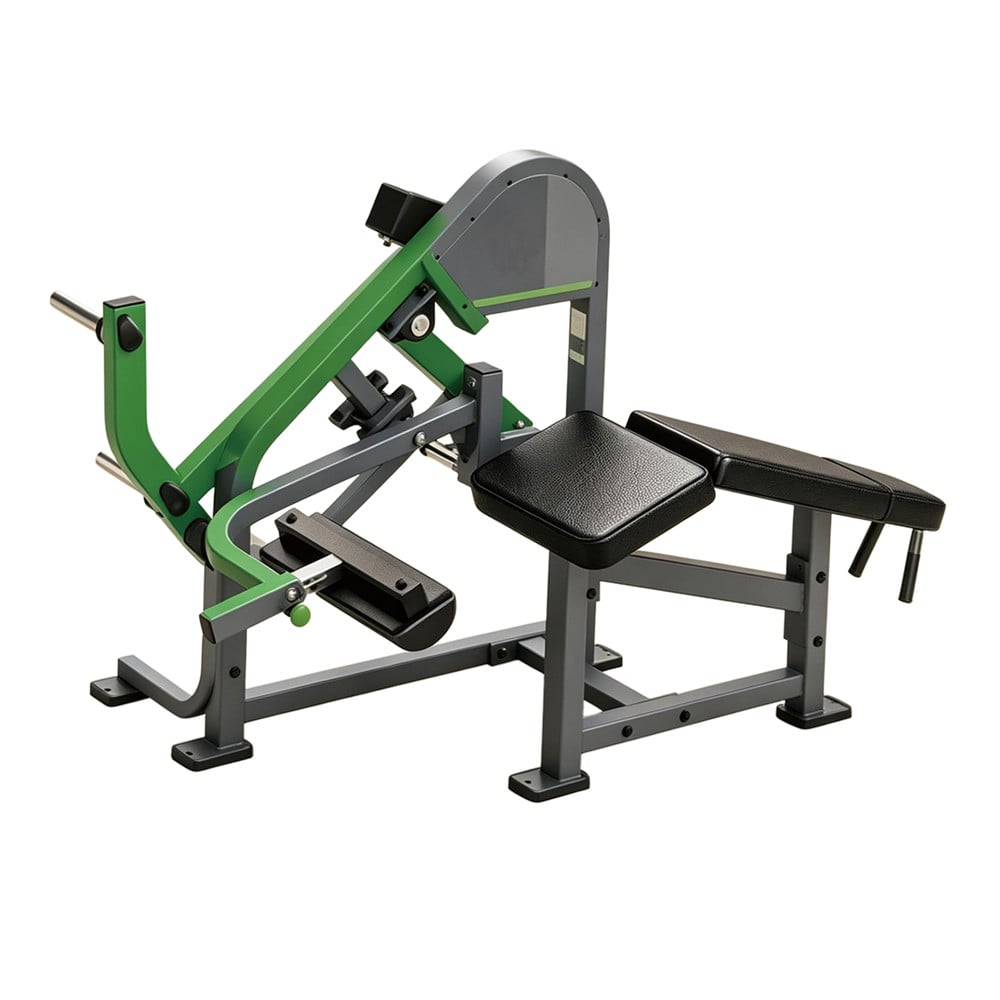
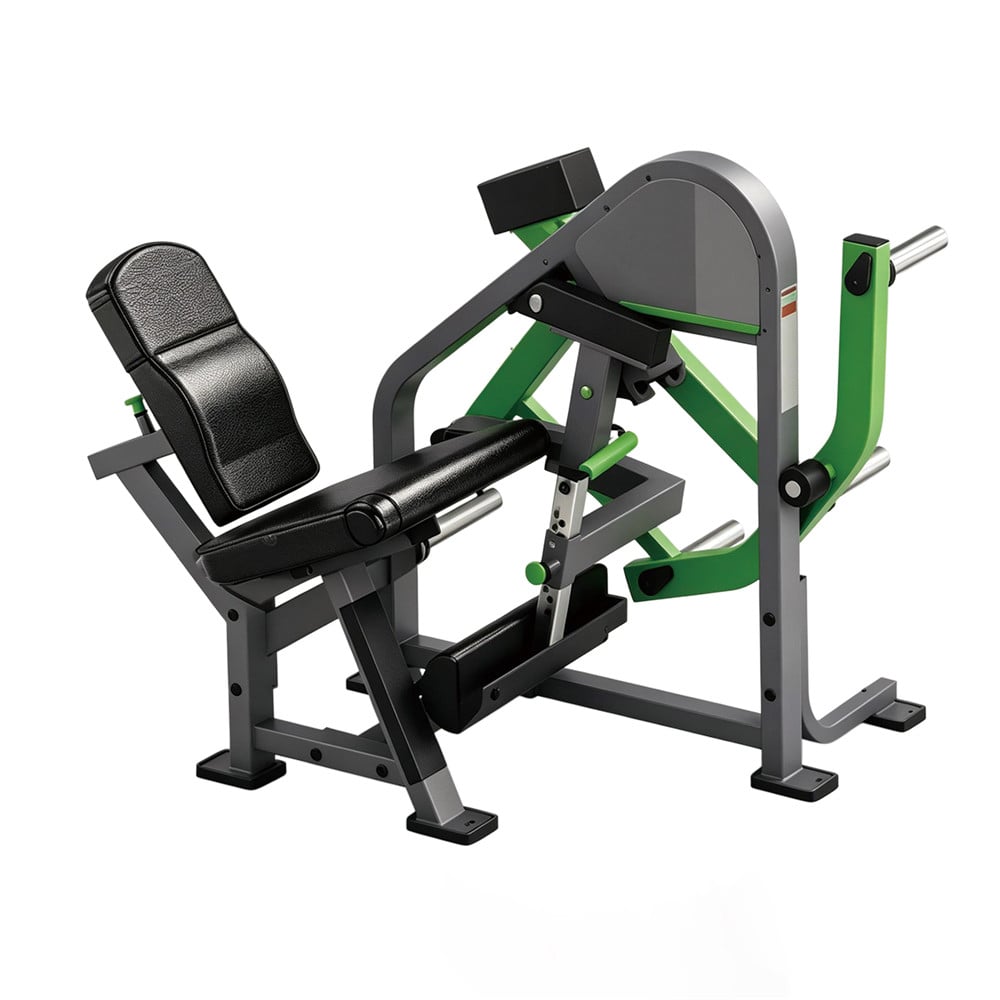
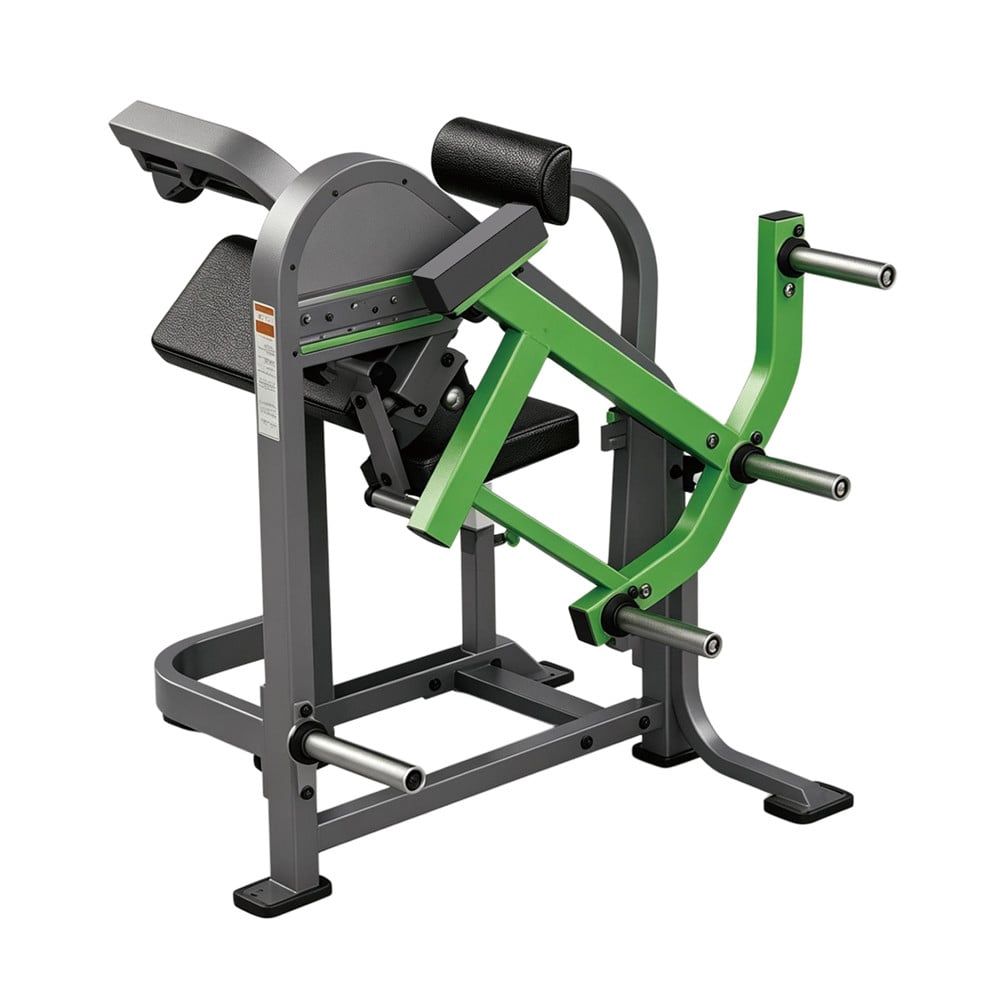
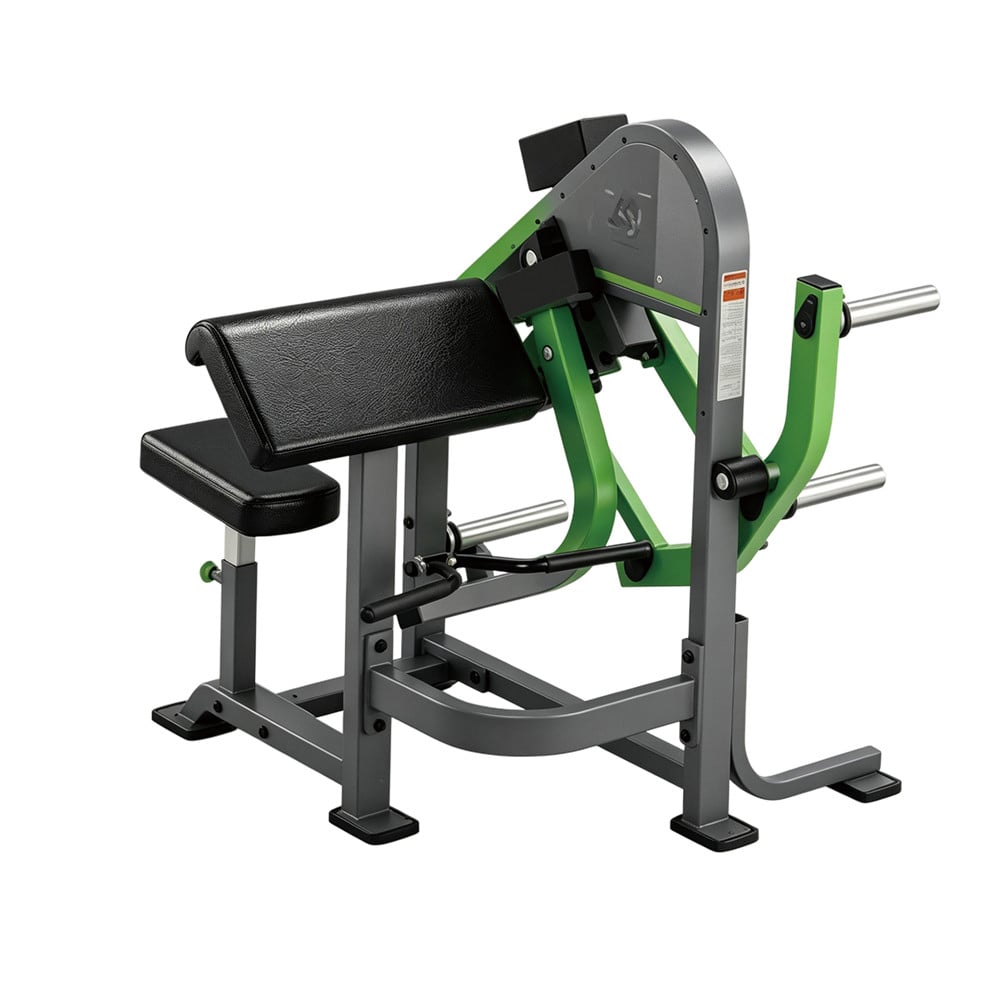
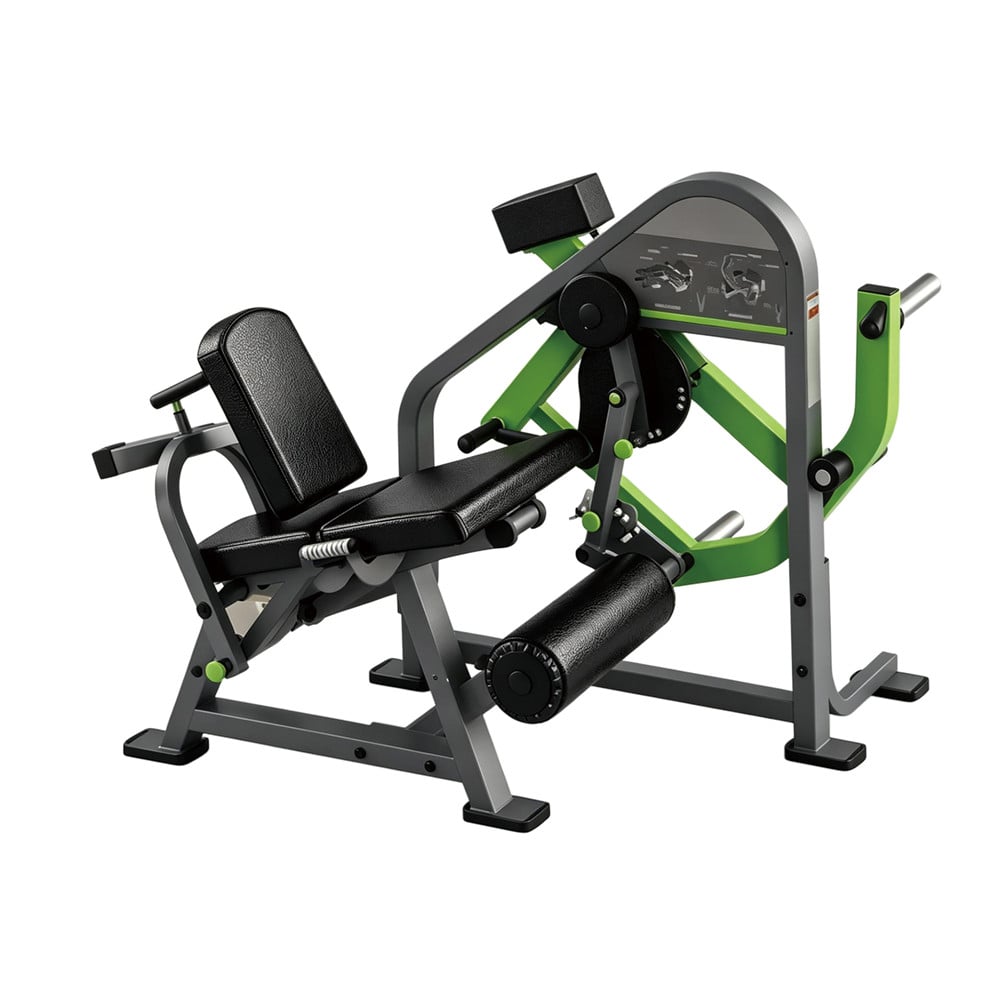
Plate loaded leg extensions are specialized fitness machines designed to target the quadriceps muscles through a controlled extension motion. They are essential in strength training and rehabilitation settings, making them a popular choice for fitness facilities and gyms. Understanding the specifications, cost factors, and applications of plate loaded leg extensions is crucial for B2B buyers, including purchasing managers, distributors, and facility operators. This article aims to provide detailed insights into these machines, helping buyers make informed decisions.

Understanding Cost Factors in Plate Loaded Leg Extension Purchases

Understanding Cost Factors in Plate Loaded Leg Extension Purchases

The price of plate loaded leg extensions can vary significantly based on several factors. One primary consideration is the manufacturing process. Equipment produced in facilities with advanced automated lines, like those utilized by XiaoKe Fitness Technology Co., Ltd., typically reflects higher precision and consistent quality, which can influence pricing.

Material selection also plays a role; premium materials like reinforced steel and high-density foam may increase the initial cost but can lead to lower maintenance costs and longer equipment lifespan. Customization options—such as branding or specific color choices—might also affect pricing. Multifunctional Equipment often provides additional features that can justify a higher price point.

Buyers should be aware of additional costs such as shipping, installation, and warranty options. A comprehensive warranty can protect against defects and unexpected failures, providing long-term value. It's essential to consider the total cost of ownership, which includes not just the upfront purchase price but also maintenance and potential replacement costs over time.

Applications of Plate Loaded Leg Extensions in Fitness Facilities

Applications of Plate Loaded Leg Extensions in Fitness Facilities

Plate loaded leg extensions are versatile machines commonly found in various fitness environments, including commercial gyms, rehabilitation centers, and personal training studios. Their primary application is to isolate the quadriceps, making them ideal for strength training programs aimed at muscle hypertrophy and endurance.

In rehabilitation settings, these machines help patients recover from knee injuries by allowing for controlled and gradual strengthening of the leg muscles. This controlled motion is crucial in preventing re-injury and facilitating safe recovery.

Moreover, for sports facilities, incorporating plate loaded leg extensions into training regimens can enhance athletic performance by improving leg strength and stability, which are vital for sports requiring explosive movements, such as sprinting or jumping.

Comparing Features of Plate Loaded Leg Extensions for Distributors

Comparing Features of Plate Loaded Leg Extensions for Distributors

Distributors looking to stock plate loaded leg extensions should compare features across different models to identify the best options for their clientele. Key comparison points include the machine's weight capacity, dimensions, and adjustability features.

Evaluate the design of the leg extension arms—the best machines often feature a linear guide system that ensures smooth movement and reduces wear over time. Additionally, consider the type of foot plate used; a larger, non-slip surface can enhance safety during use. Series Strength Equipment can provide a broad range of options for fitness facilities.

Customization options are also worth noting. Some manufacturers may offer the ability to add specific branding or color finishes, which can be a selling point for gyms looking to maintain a cohesive aesthetic.

Lastly, it’s essential to review warranty details and customer service support. A manufacturer with a strong commitment to customer satisfaction can provide distributors with the confidence they need to promote the product effectively.

Bulk Order Considerations for Plate Loaded Leg Extensions in Manufacturing

When considering bulk orders for plate loaded leg extensions, several factors should be taken into account. Minimum Order Quantities (MOQs) can significantly impact purchasing decisions. Suppliers like XiaoKe Fitness Technology Co., Ltd. often set MOQs based on production capabilities and inventory levels, so it’s essential for buyers to clarify these details upfront.

Lead times are another critical consideration. A well-established manufacturer with efficient production and logistics processes can offer shorter lead times, which is advantageous for distributors needing to restock quickly. It’s advisable to inquire about the timelines for sample approval, as testing a sample under actual operating conditions can prevent costly mistakes later in the order process.

Quality control processes should also be reviewed. Understanding how the manufacturer ensures consistent quality across bulk orders—such as inspection methods and compliance with industry standards—will help buyers mitigate risks associated with large-scale purchases.

Lastly, discuss packaging options, as effective packaging can prevent damage during transportation and make the final product more appealing to end-users. Custom packaging solutions that reflect branding can enhance the unboxing experience for gyms and fitness centers.

By considering these factors, B2B buyers can make more informed purchasing decisions regarding plate loaded leg extensions, ensuring they select the right equipment for their needs.

Key Specifications of Plate Loaded Leg Extensions for Wholesale Buyers

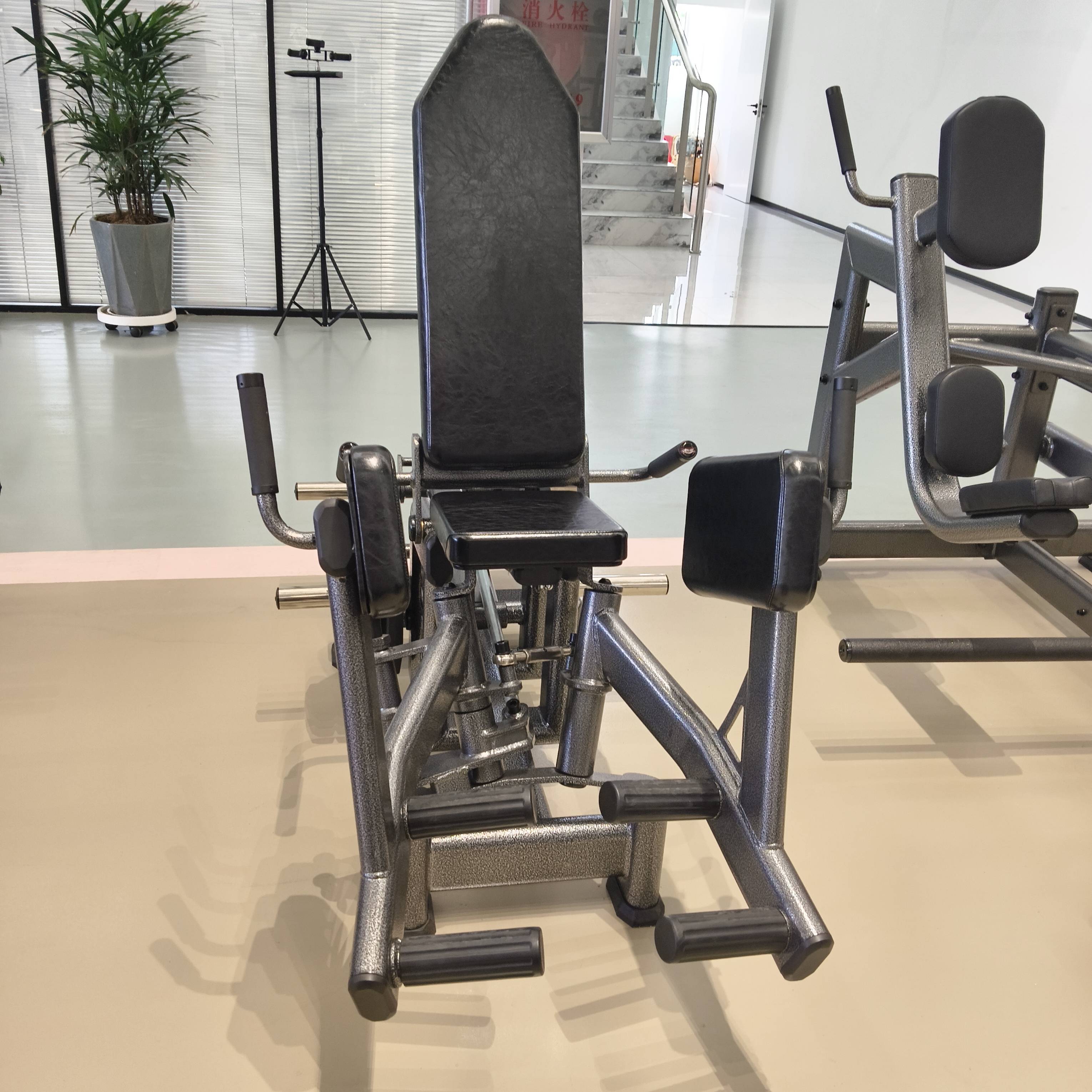
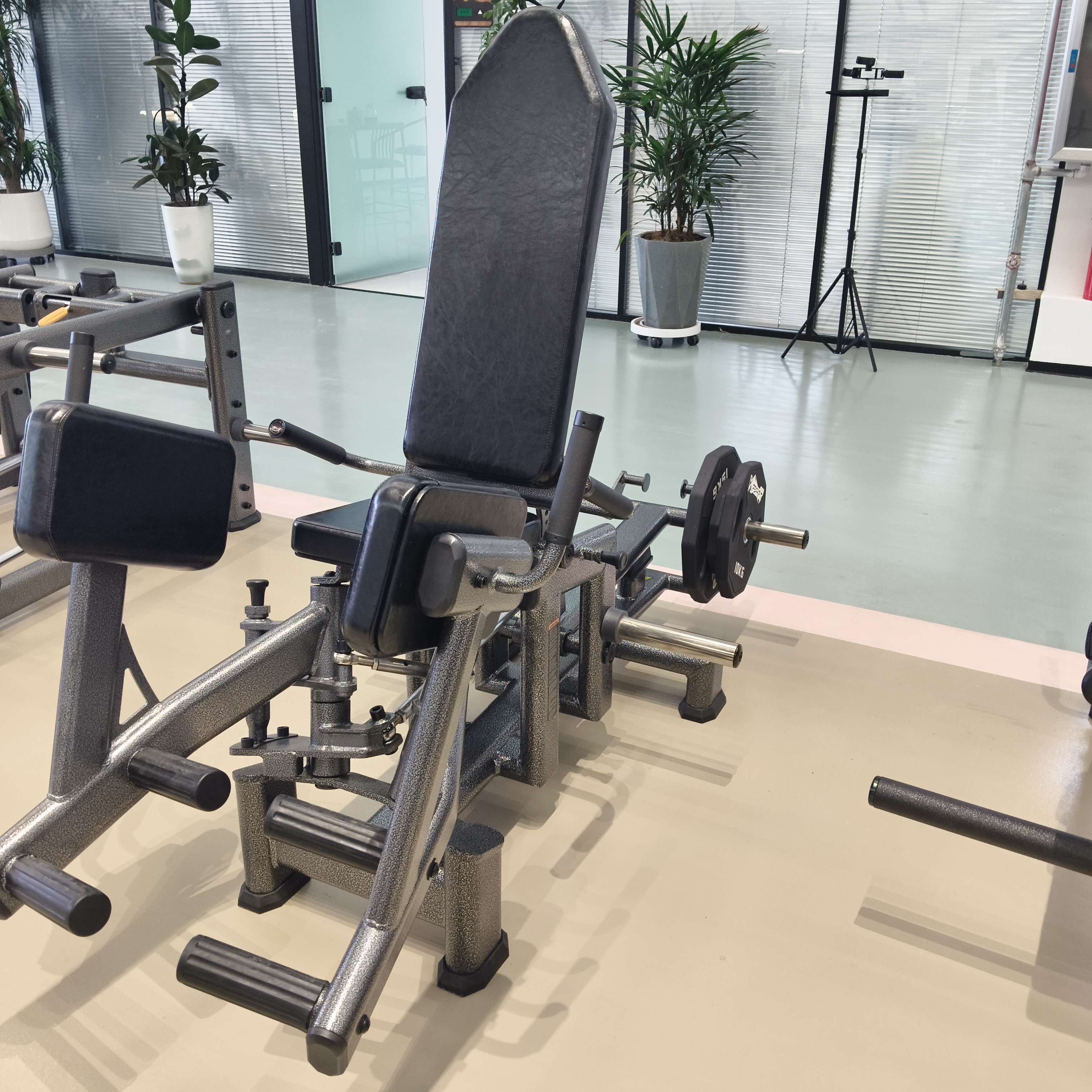
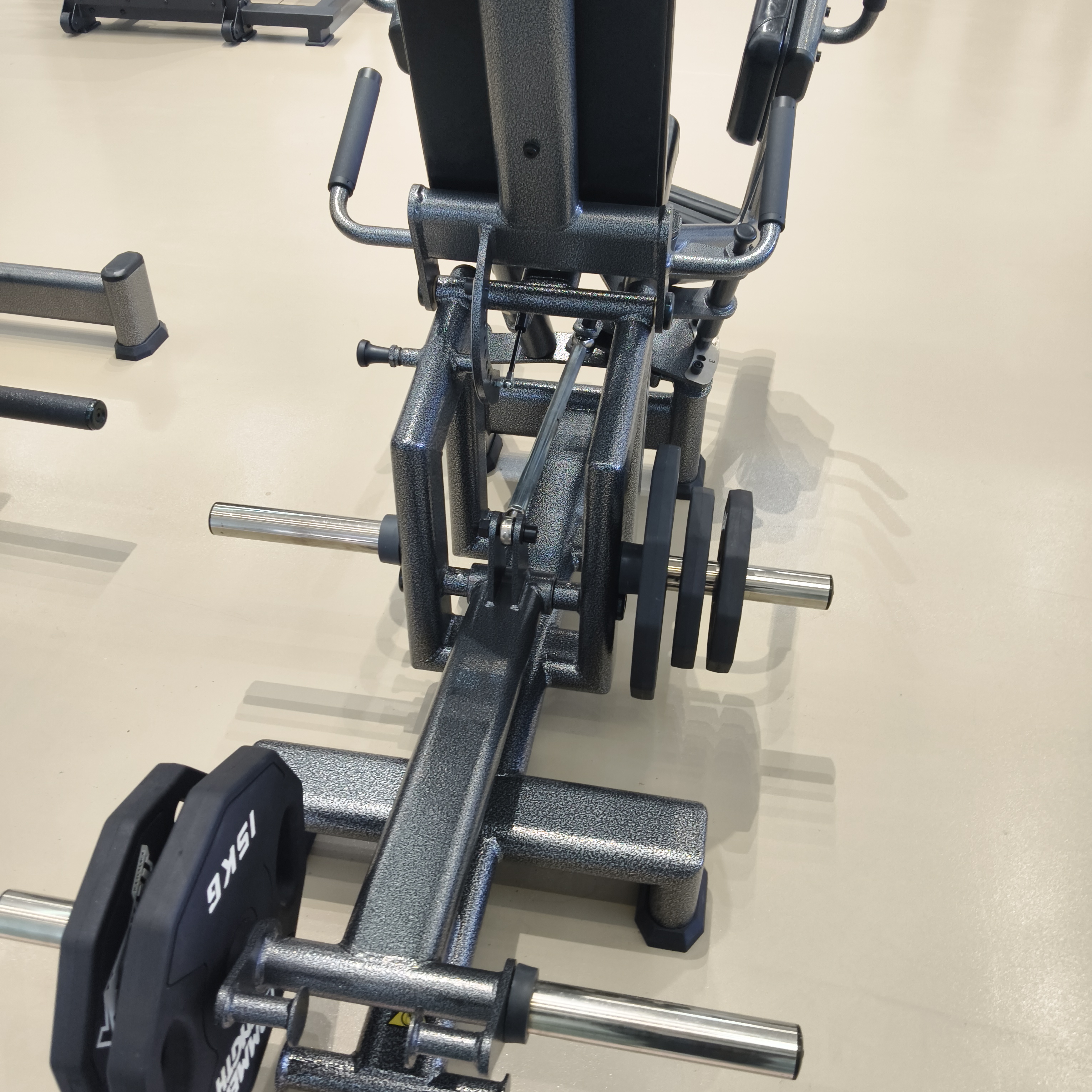
When evaluating plate loaded leg extensions, several key specifications should be considered to ensure the equipment meets operational needs. First and foremost, the weight capacity is critical; most machines are designed to handle loads ranging from 200 to 600 pounds, catering to various user levels. Additionally, the dimensions of the machine, including length, width, and height, should align with available space in the fitness facility.

The choice of materials is equally important. High-quality steel frames are standard, providing durability and stability. Look for machines with powder-coated finishes to resist wear and corrosion. The padding used in the seat and leg rollers should be thick and comfortable to enhance user experience while minimizing the risk of injury.

Another vital specification is the adjustment mechanism. A good plate loaded leg extension should offer multiple height and angle settings to accommodate users of different sizes and training preferences. Additionally, check the presence of safety features, such as locking mechanisms and a wide base to prevent tipping during use. Plate Loaded Series machines often excel in these areas, providing enhanced functionality for users.

Frequently Asked Questions

What is the plate loaded leg extension used for?

It isolates and strengthens the quadriceps using adjustable plate resistance for controlled extension movements, suitable for rehabilitation and strength training.
Constructed with heavy-duty steel frames, durable bushings and commercial-grade upholstery, produced on automated lines to ensure precision and stable quality.
Standard Olympic 50mm plate sleeves compatible with most plate types; capacity varies by model—check specifications for max load.
Yes. Ergonomic seat and back adjustments accommodate various leg lengths and body sizes for safe, proper alignment.
We offer factory warranty coverage and technical support for parts and service; contact our sales team for specific warranty terms and global service options.

Get a Free Quote

Our representative will contact you soon.
0/1000