How Material Choice Impacts the Performance of Multi-Functional Trainers
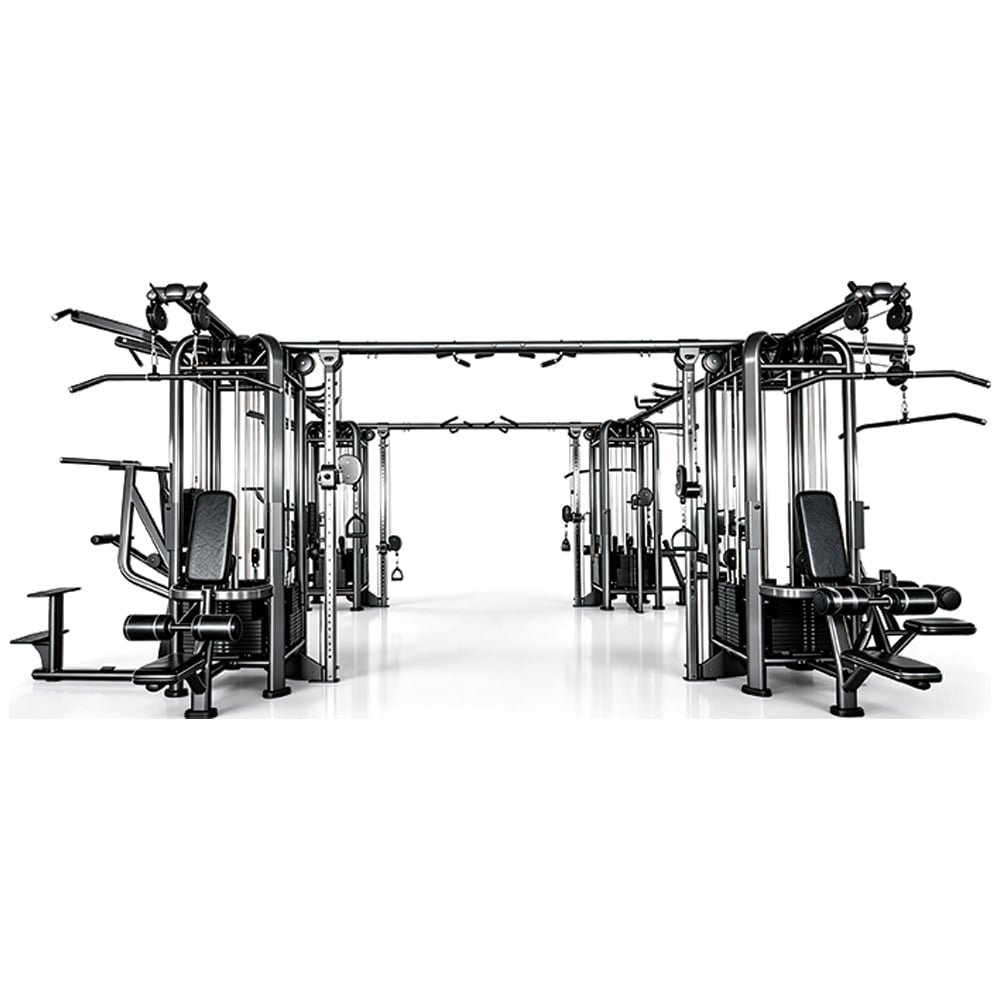
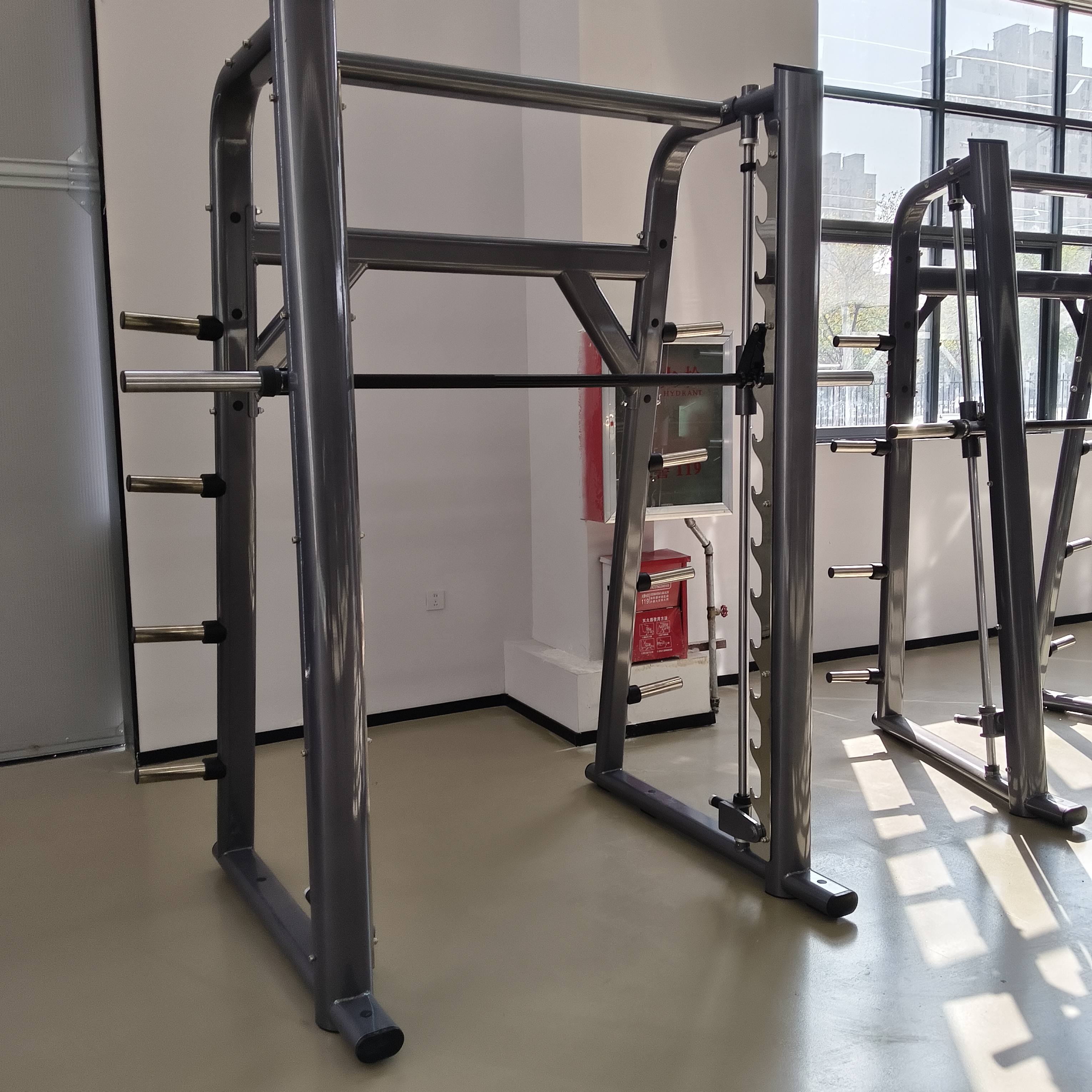
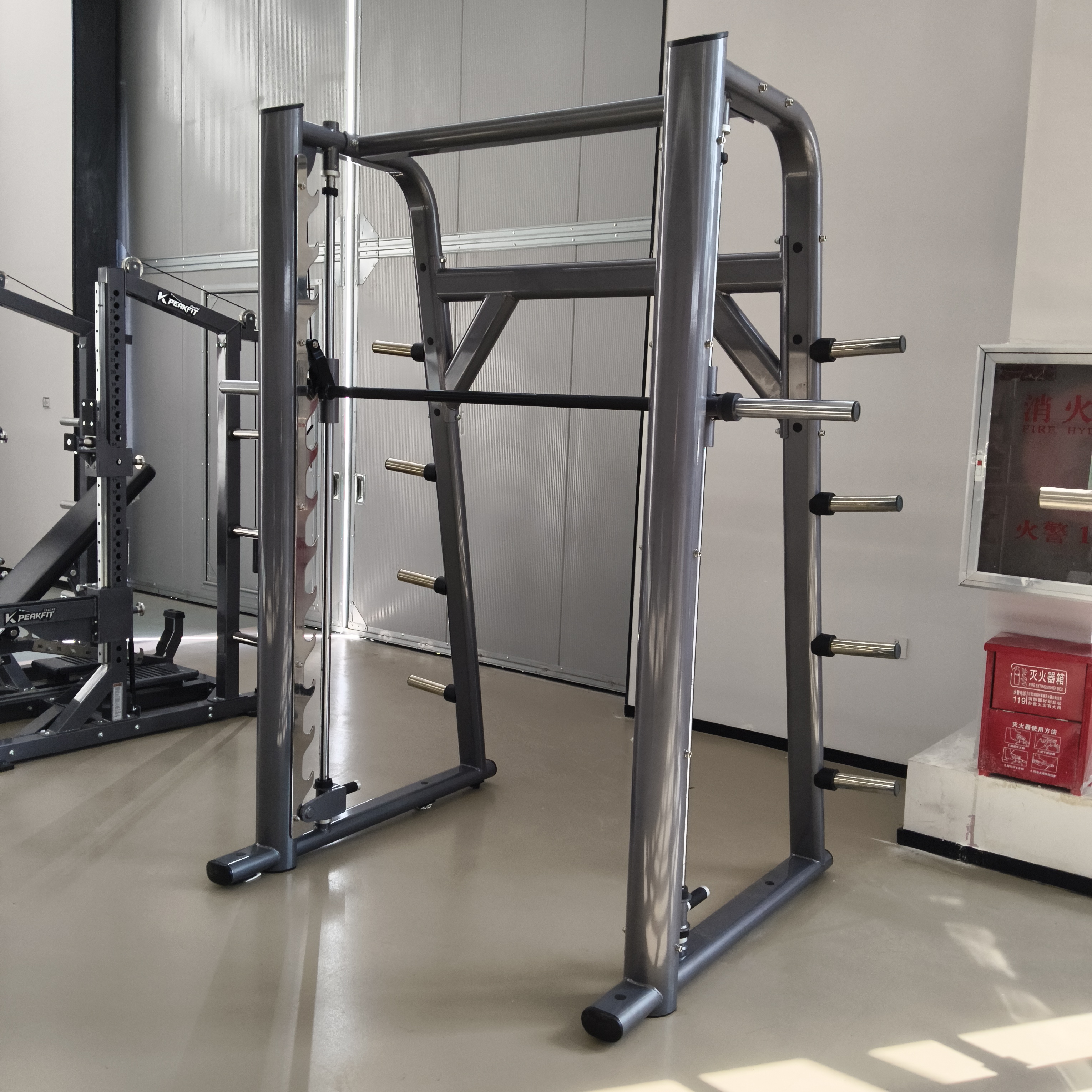
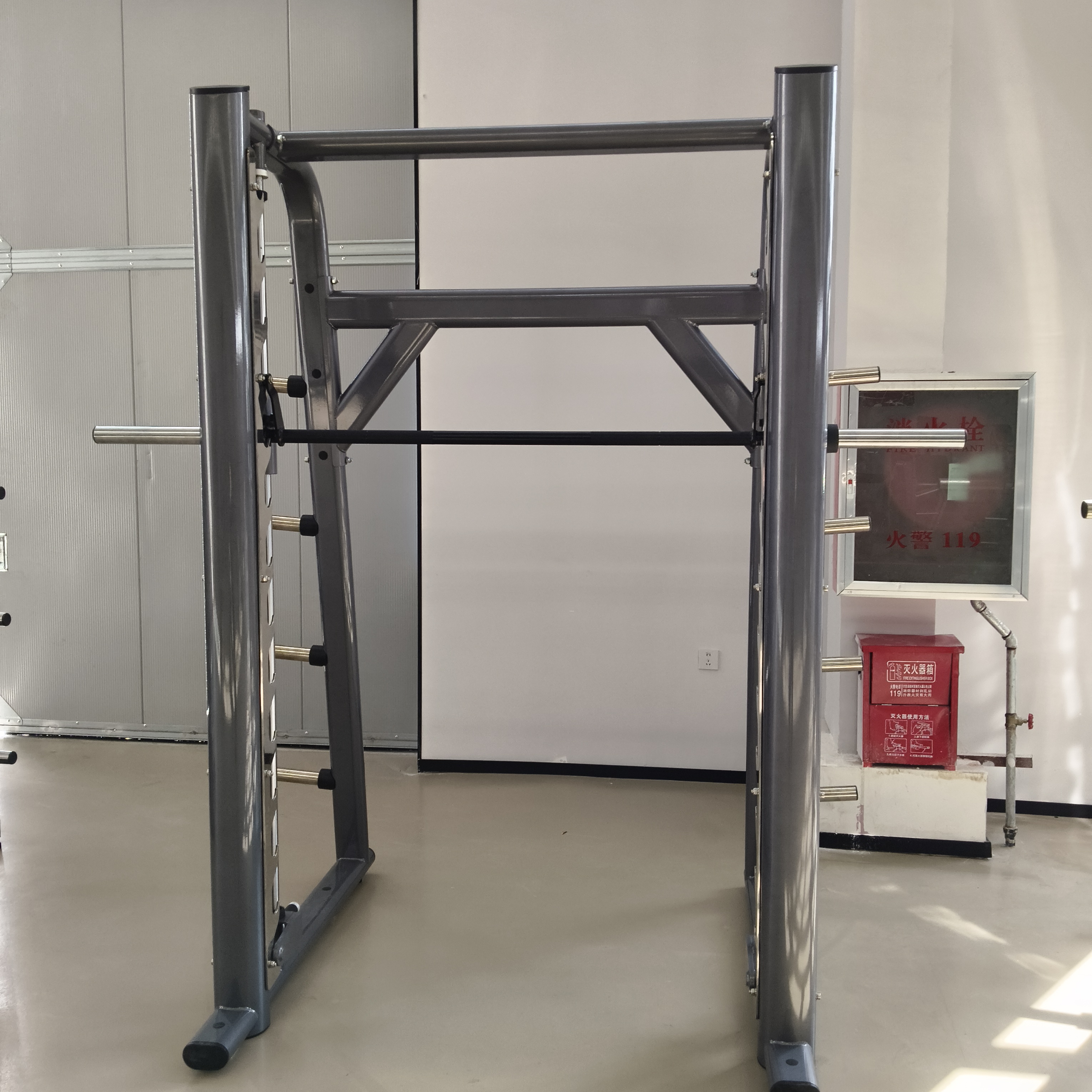
The choice of materials significantly impacts the performance and durability of multi-functional trainers. Steel is commonly favored for frames due to its strength and ability to withstand repeated use without bending or warping. In contrast, lower-quality materials like plastic or thin metals may lead to quicker wear and pose safety risks.
Additionally, consider the type of finish applied to the trainer. Powder coating can enhance corrosion resistance, while rubberized grips improve user comfort and safety during workouts.
When evaluating the material, think about the specific environments in which the trainer will be used. For instance, equipment intended for outdoor use must be constructed from weather-resistant materials to prevent deterioration.
Finally, customization options may involve material choices that align with branding or specific aesthetic preferences. Discussing these options with your supplier can lead to better alignment with your business's needs and enhance overall customer satisfaction.
Selecting the right multi-functional trainer for your business requires careful consideration of various factors, including market needs, quality evaluation, key specifications, cost assessments, and material choices. By following these guidelines, you can confidently make informed decisions that will benefit your fitness equipment offerings and ultimately satisfy your customers.
 EN