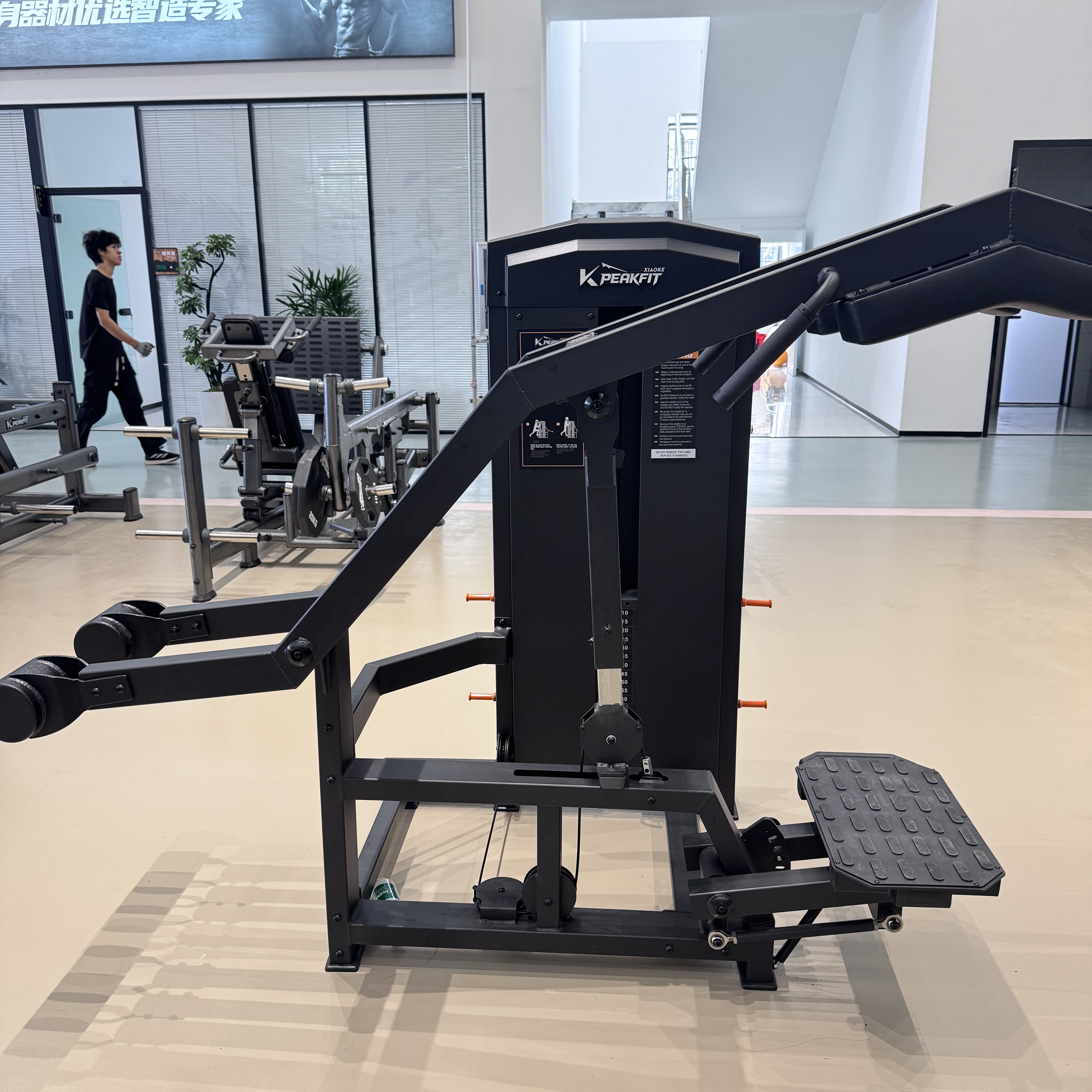
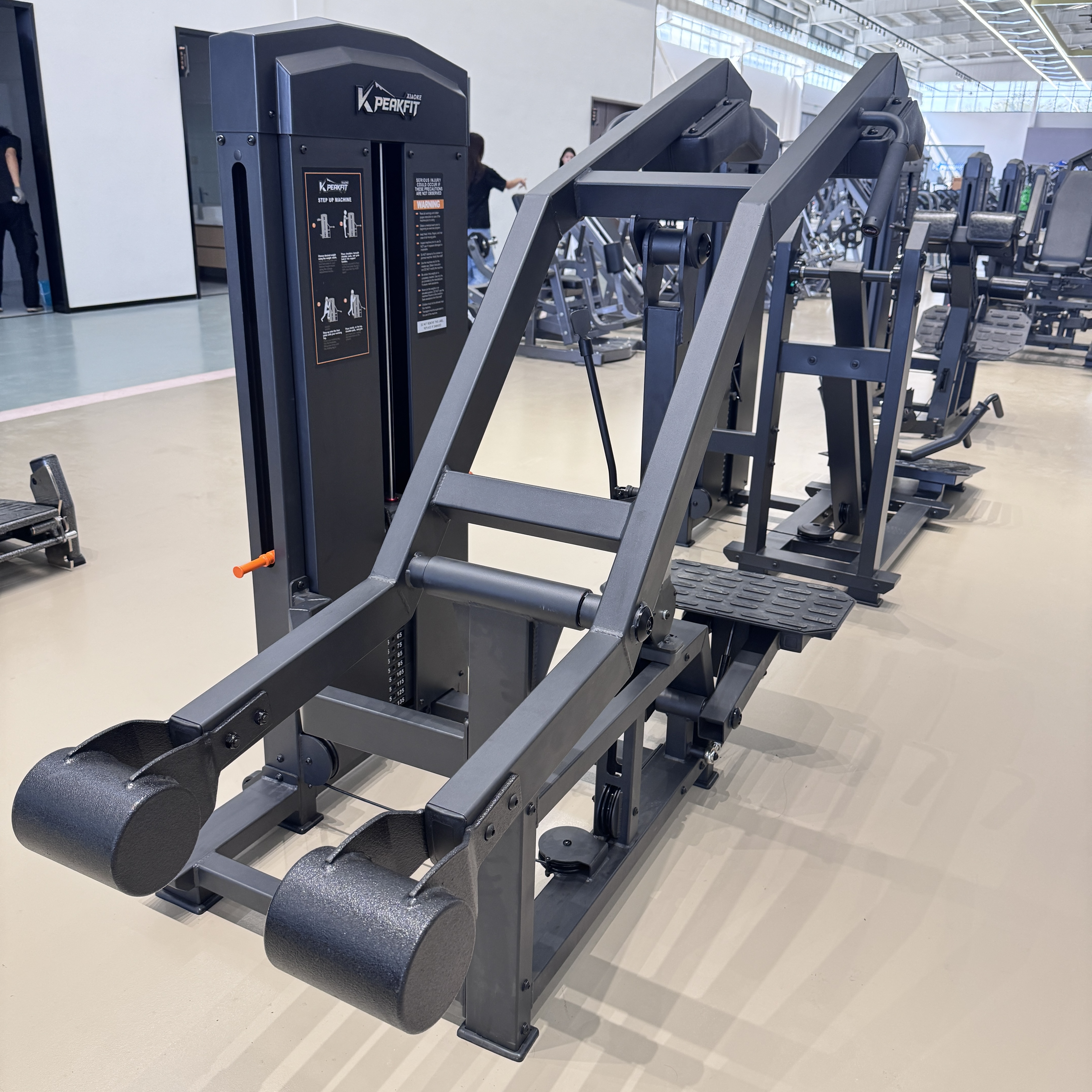
Extension Leg Machine: Key Considerations for Bulk Orders

Kpeakfit, full-chain manufacturer with 10+ years & 90,000㎡ workshop.

Exhibit at IWF Shenzhen(H4A10) & WFF Shaoxing for global buyers.

Certified fitness gear, one-stop service for worldwide partners.

application/extension-leg-machine, application/extension-leg-machine, 
Inquiry
Inquiry

extension leg machine

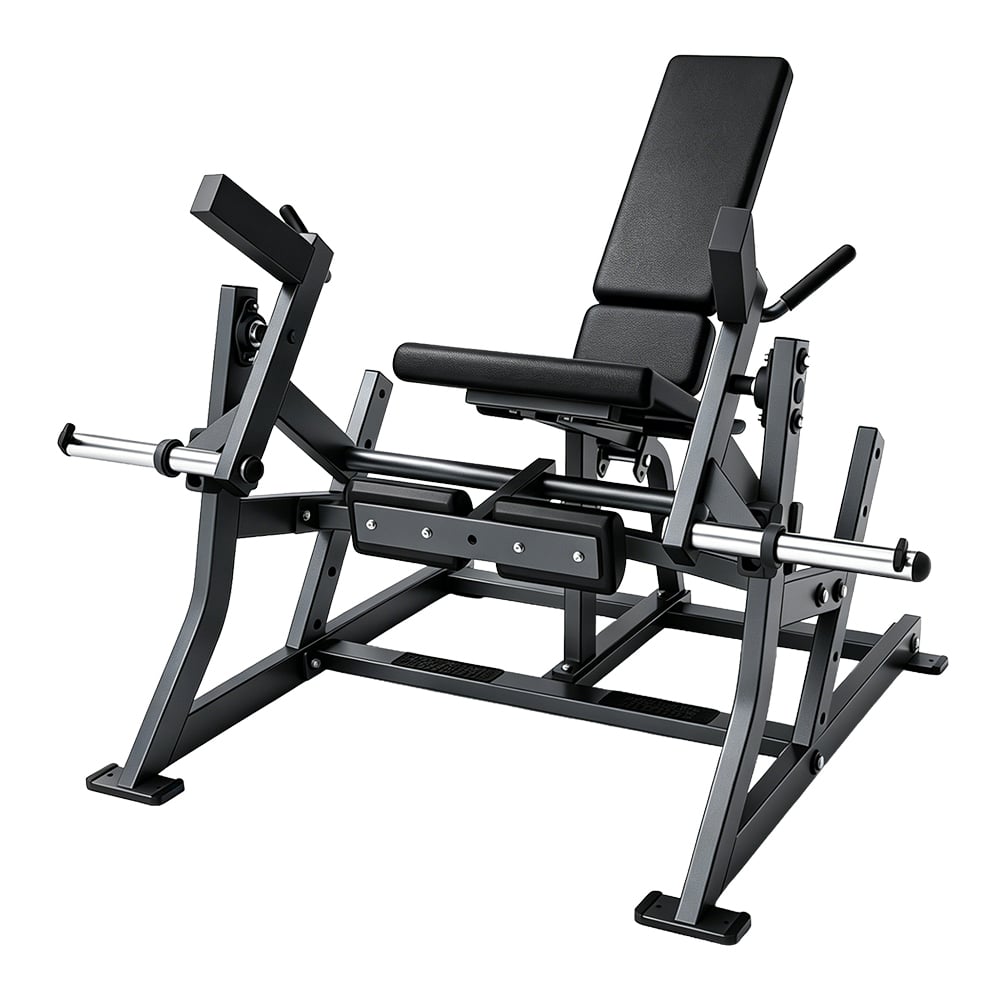
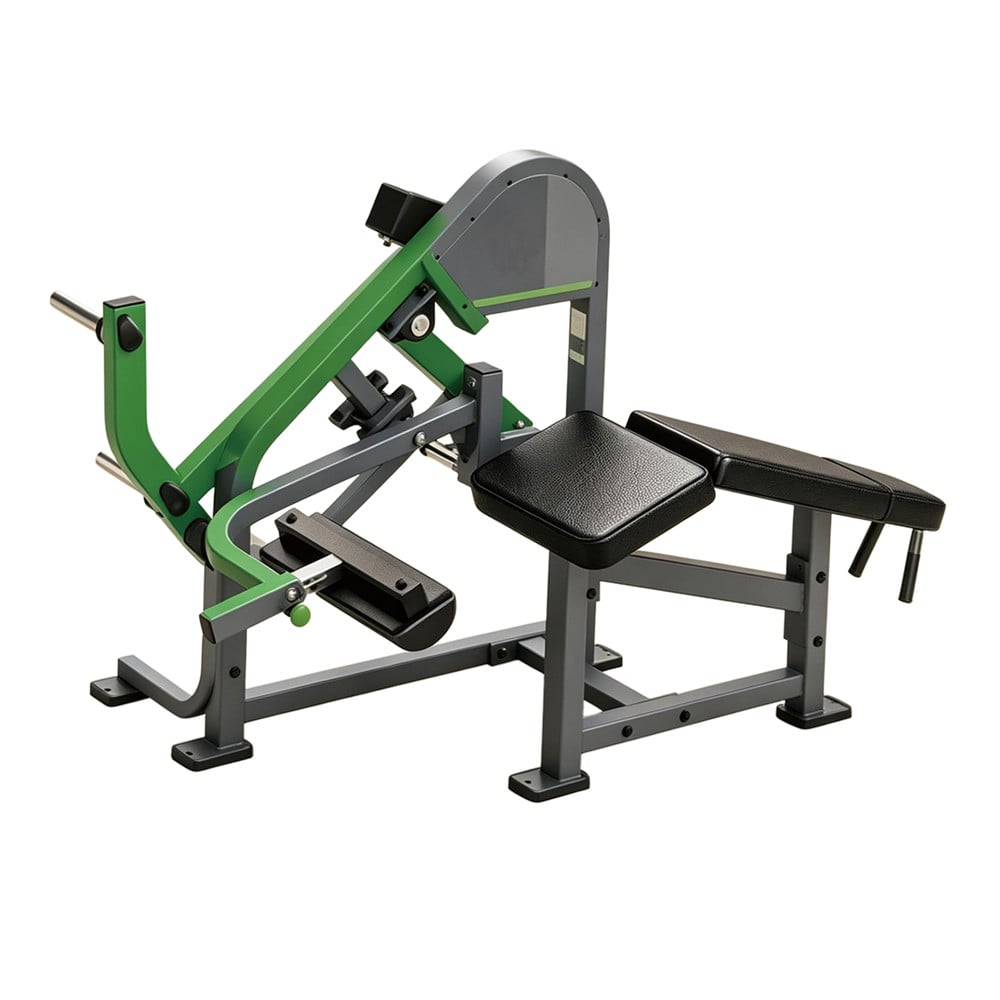
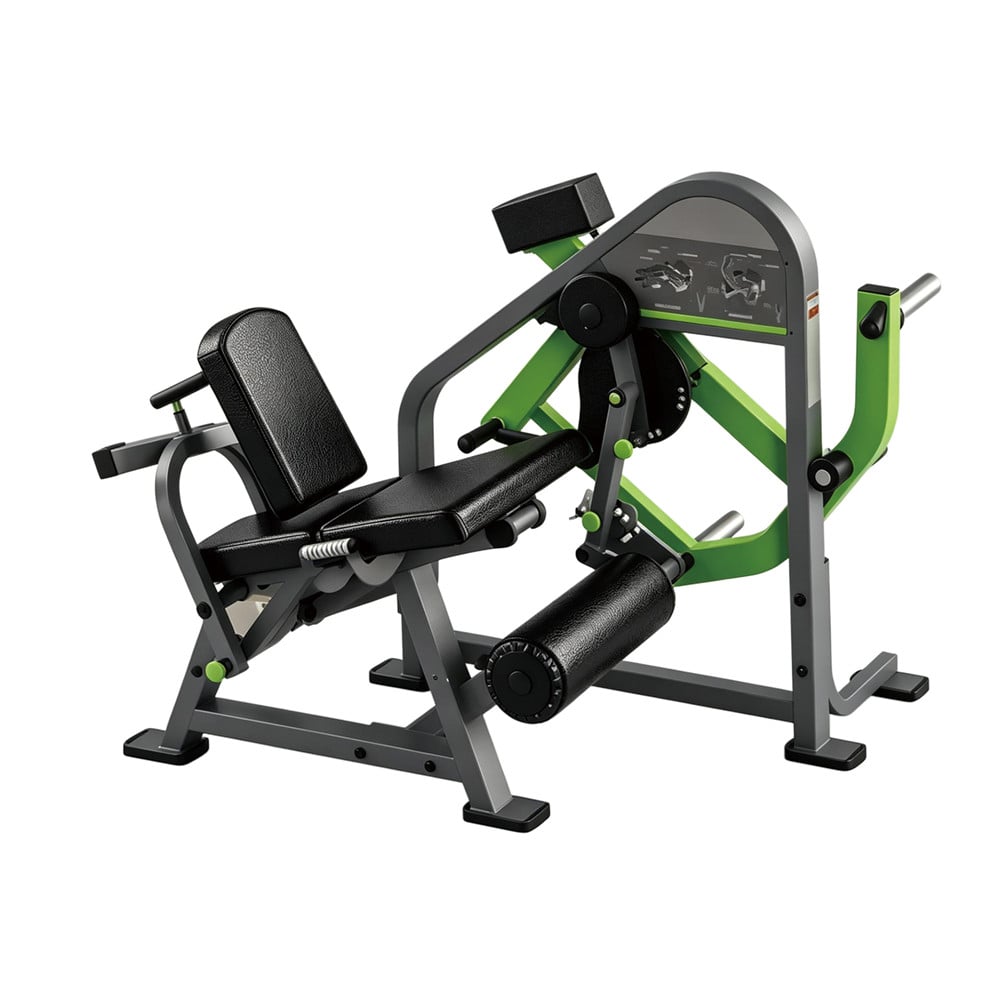
An extension leg machine is a critical piece of fitness equipment designed to target the quadriceps and improve leg strength. For B2B buyers, such as purchasing managers and facility operators, selecting the right extension leg machine involves considering various factors, including product specifications, quality, and supplier reliability. This article will guide you through important considerations when sourcing extension leg machines for bulk orders, how to evaluate suppliers, and the specific applications of these machines in commercial settings.

Where to Find Reliable Suppliers for Extension Leg Machines

Where to Find Reliable Suppliers for Extension Leg Machines

Identifying reputable suppliers for extension leg machines involves thorough research. Start by exploring:

Industry Networking: Attend trade shows and fitness expos to meet manufacturers and suppliers face-to-face. This allows you to see products firsthand and ask questions directly.

Online Platforms: Utilize platforms like Alibaba, ThomasNet, or Global Sources, where you can find manufacturers and read reviews from other buyers. Pay attention to supplier ratings and feedback to gauge reliability.

Industry Associations: Engage with industry associations related to fitness equipment. They often provide directories of certified manufacturers and suppliers.

Referrals: Ask for recommendations from other fitness facilities or peers in the industry. Personal experiences can offer valuable insights into supplier performance and product quality.

Certifications: Verify that suppliers hold relevant certifications (like ISO 9001) that demonstrate their commitment to quality control and manufacturing standards.

By utilizing these resources, you can build a list of potential suppliers for further evaluation.

How to Compare Extension Leg Machines for Your Fitness Facility

How to Compare Extension Leg Machines for Your Fitness Facility

When comparing extension leg machines, it’s vital to establish a systematic approach. Here’s how you can perform an effective comparison:

Create a Specification Checklist: List the critical specifications you gathered earlier and create a comparison chart for different models. Include aspects like material, weight capacity, adjustability, and dimensions.

Evaluate Performance Reviews: Look for independent reviews or customer testimonials about the machines you are considering. Equipment performance in real-world settings can differ from specifications alone.

Request Demonstrations: If possible, arrange for demonstrations of the machines. Testing them in action allows you to assess comfort, ease of use, and effectiveness.

Analyze Price vs. Value: Don’t just focus on the lowest price; consider the total cost of ownership, which includes durability, warranty support, and potential maintenance costs over time.

Consider Customization Options: If your facility has specific branding or functional needs, check whether the supplier offers customization options (like color or branding). For instance, the BM1015 Leg Press Machine may have customizable features suited for specific user needs.

This comprehensive approach will enable you to make informed comparisons and select the best machines for your facility.

Understanding Cost Factors for Wholesale Extension Leg Machines

Understanding Cost Factors for Wholesale Extension Leg Machines

The pricing of wholesale extension leg machines can vary significantly based on several factors:

Material Costs: Higher-quality materials typically result in a higher price but offer better durability and performance.

Manufacturing Complexity: Machines with more sophisticated designs or additional features (like digital displays or enhanced adjustability) often come at a premium.

Order Volume: Many suppliers offer tiered pricing based on order quantity. Always inquire about discounts for bulk purchases.

Shipping and Handling: Consider logistics costs, including shipping, customs duties, and handling fees, especially if importing from overseas.

Market Demand: Prices can fluctuate based on market demand and trends in the fitness industry. Staying informed about market conditions will help you negotiate better terms.

Supplier Reputation: Established suppliers may charge more due to their reputation for quality and reliability, while newer suppliers may offer lower prices to gain market entry.

Understanding these factors will help you budget appropriately and negotiate effectively with suppliers.

Applications of Extension Leg Machines in Commercial Settings

Extension leg machines serve various applications in commercial fitness settings, including:

Gyms and Health Clubs: These machines are essential in commercial gyms as they help users strengthen their quadriceps, improving overall leg power and stability.

Rehabilitation Centers: In rehabilitation facilities, extension leg machines can be used to aid recovery from knee injuries. They allow controlled exercise that can be adjusted based on the patient's needs.

Sport Training Facilities: Athletes often require strong quadriceps for performance in sports. These machines can be integrated into training regimens to enhance leg strength and performance.

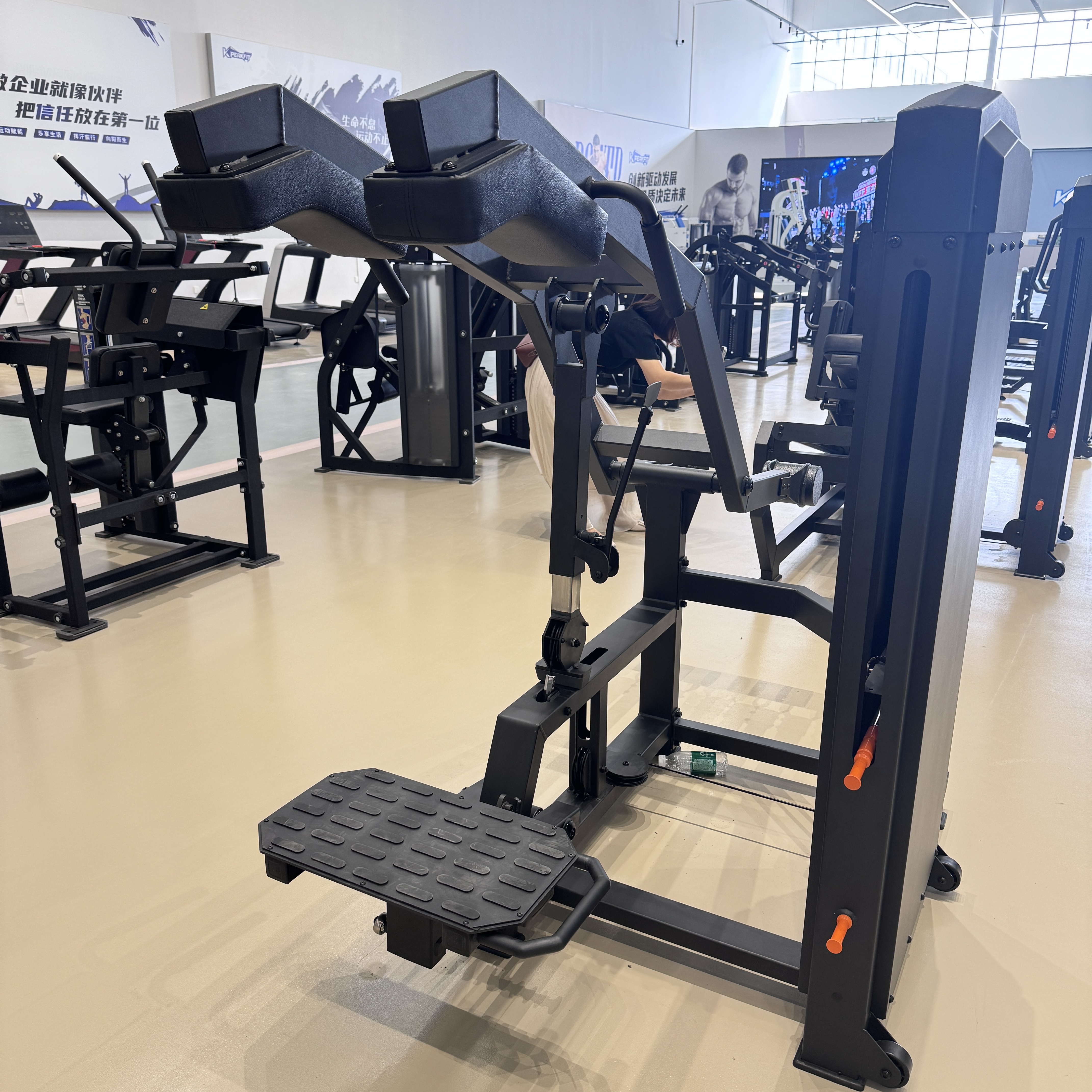
Corporate Wellness Programs: Many companies are incorporating fitness equipment like extension leg machines into their wellness programs, promoting employee health and productivity. Consider options such as the BD1001 Standing Hip Thruster for corporate wellness.

By understanding these applications, you can better position your offering to meet the specific needs of various commercial buyers.

By considering these factors and applying the guidance provided, you will be well-equipped to make informed purchasing decisions regarding extension leg machines.

What to Consider When Choosing an Extension Leg Machine for Bulk Orders

When selecting an extension leg machine for bulk orders, it's essential to focus on several key specifications that influence both performance and durability. Key factors include:

Material Quality: The frame should be constructed from high-grade steel or aluminum to ensure stability and longevity. Look for machines with powder-coated finishes to resist corrosion and wear.

Weight Capacity: Ensure the machine can accommodate the maximum user weight expected in your facility. A higher weight capacity usually indicates a more robust construction.

Adjustability and Comfort: The machine should offer adjustable seat and leg pads to accommodate users of varying sizes. Ergonomic design is crucial for comfort during workouts.

Dimensions: Consider the space available in your facility. The dimensions of the machine should fit your layout without overcrowding.

Safety Features: Look for machines that include safety lock mechanisms and non-slip surfaces to prevent accidents during use. Additionally, consider options like the BD1009 Prone Leg Bending Trainer for enhanced safety features.

Warranty and Support: A good warranty reflects the manufacturer's confidence in the product. Look for machines with at least a one-year warranty and available customer support.

Understanding these specifications will help you identify machines that meet your facility's needs and ensure a satisfactory return on investment.

Frequently Asked Questions

What is the extension leg machine designed for?

The extension leg machine targets quadriceps strengthening and knee rehabilitation. It provides adjustable resistance for isolated leg extension movements, suitable for gyms, rehab centers, and home training.
Constructed with high-precision steel frames, corrosion-resistant coatings, and durable upholstery. Manufactured in a 90,000 m² facility with automated lines to ensure stable quality and long service life.
Yes. Resistance adjusts via a weight stack or pin-loaded plates depending on model, allowing incremental load changes for progressive training and rehab protocols.
Dimensions and capacity vary by model. Typical units support 200–400 kg load and compact footprints for commercial use. Contact sales for exact specifications and custom options.
Yes. We provide warranty coverage, spare parts, and technical support backed by our R&D and production teams. After-sales services include troubleshooting, maintenance guidance, and parts supply.

Get a Free Quote

Our representative will contact you soon.
0/1000