Key Specifications for Leg Curl & Extension Machines

Kpeakfit, full-chain manufacturer with 10+ years & 90,000㎡ workshop.

Exhibit at IWF Shenzhen(H4A10) & WFF Shaoxing for global buyers.

Certified fitness gear, one-stop service for worldwide partners.

application/leg-curl--and--extension-machine, application/leg-curl--and--extension-machine, 
Inquiry
Inquiry

leg curl & extension machine

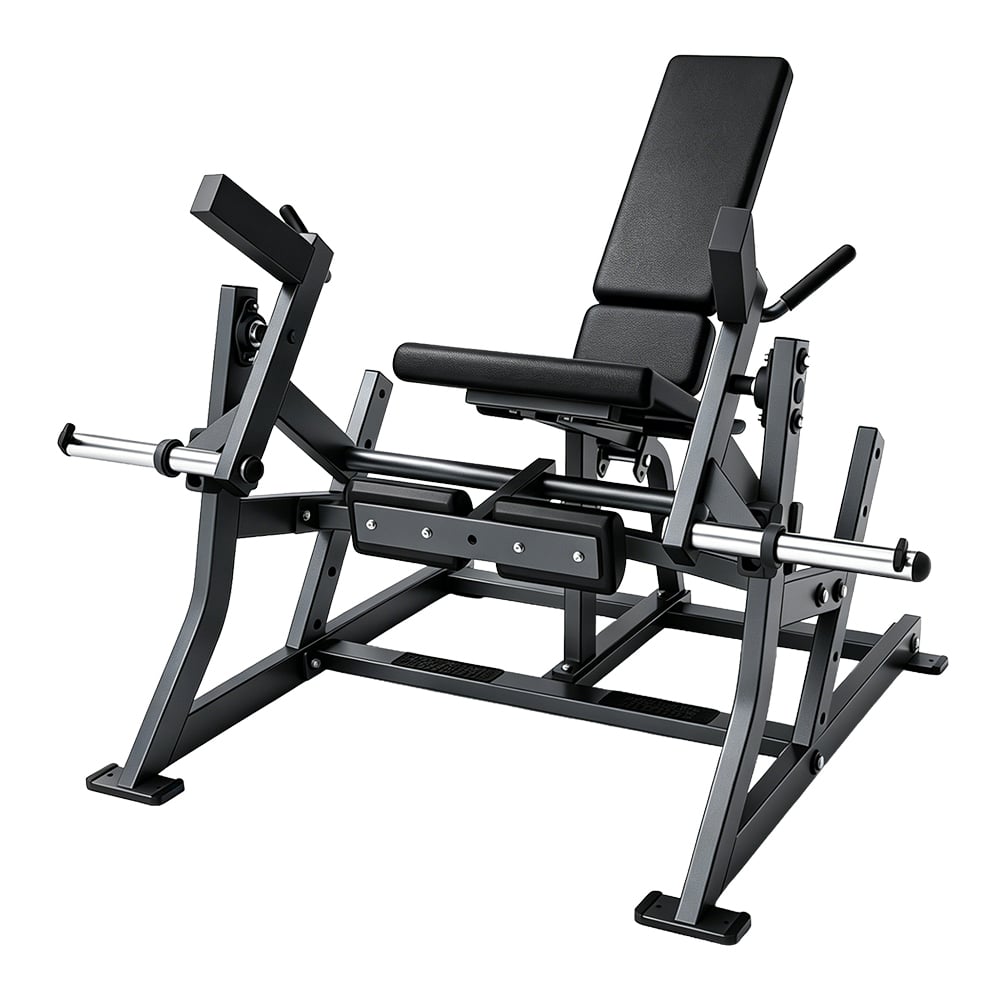
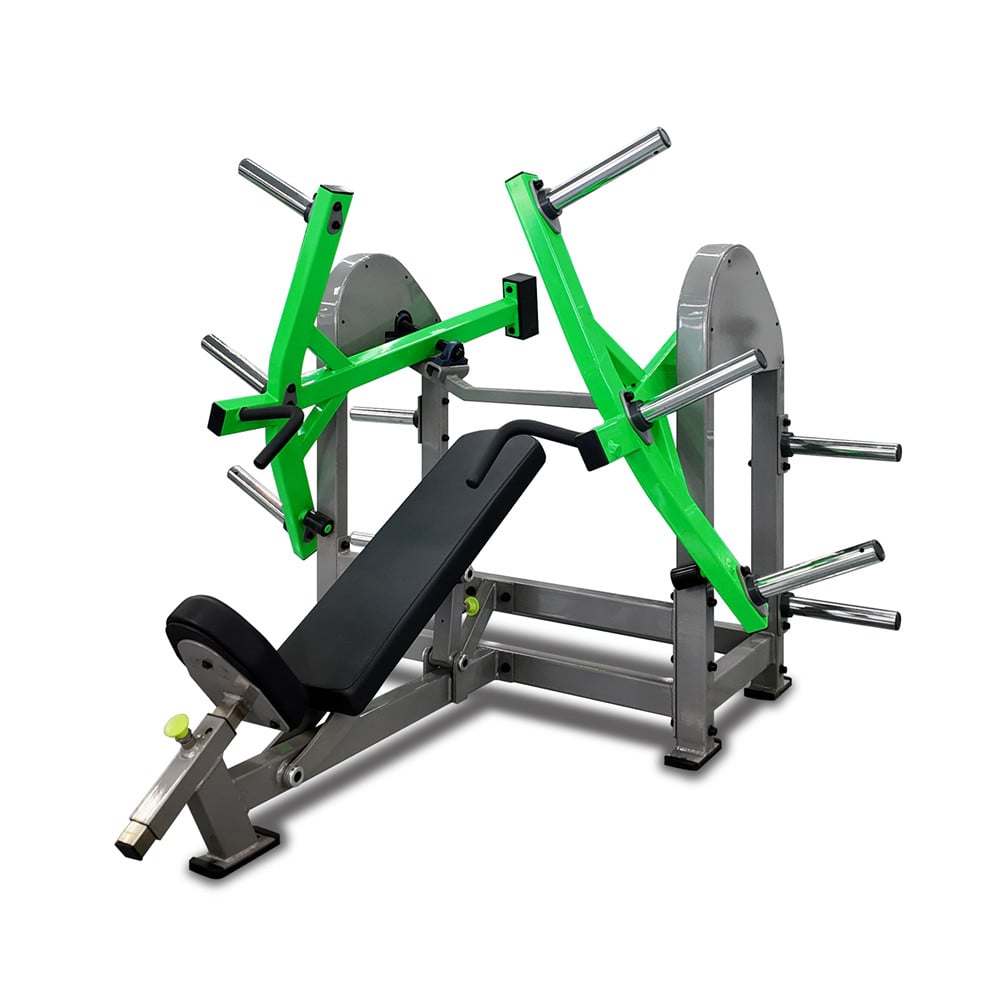
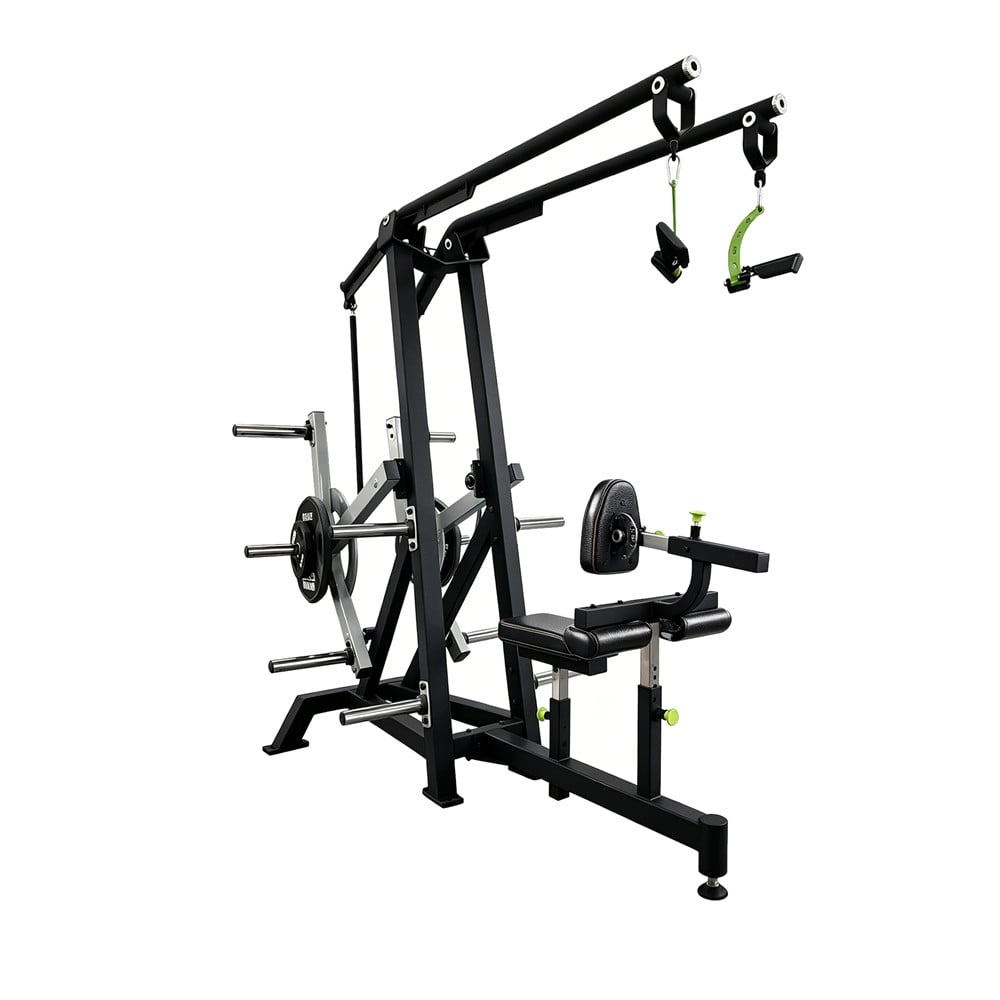
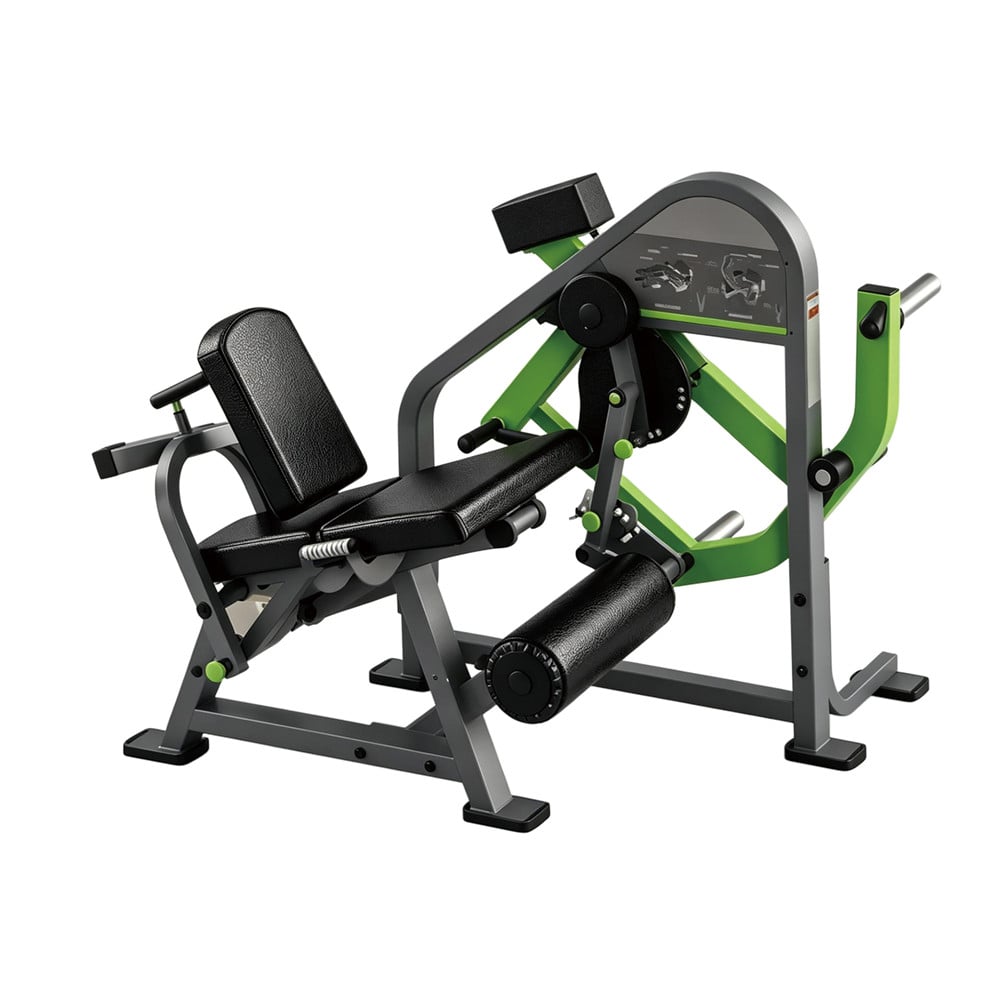
A leg curl and extension machine is a vital piece of fitness equipment designed to strengthen and tone the muscles in the legs, specifically targeting the hamstrings and quadriceps. For B2B buyers, such as purchasing managers or fitness facility owners, understanding the specifications, quality control measures, and potential issues associated with these machines is crucial. This article will provide insights into the key specifications for bulk orders, supplier selection, quality control processes, common problems and solutions, and the applications of leg curl and extension machines in commercial settings.

How to Choose the Right Leg Curl & Extension Machine Supplier

How to Choose the Right Leg Curl & Extension Machine Supplier

Selecting the right supplier for leg curl and extension machines is a critical decision that can impact the quality and reliability of your fitness equipment. Here are some considerations:

Manufacturing Capabilities: Evaluate the supplier's manufacturing capabilities, including their production capacity and the technology they use. Advanced automated lines, like those at XiaoKe Fitness Technology Co., Ltd., often lead to higher precision and consistent quality.

Experience and Reputation: Research the supplier's experience in the industry. A supplier with a strong market reputation is more likely to provide reliable products and services.

Customization Options: Ensure the supplier can accommodate specific customization requests, such as color options, branding, or unique features that meet your facility's needs.

Quality Assurance: Inquire about the supplier's quality control processes. A reputable supplier will have stringent quality checks in place throughout the manufacturing process.

Customer Support: Check if the supplier offers robust customer support, including assistance with installation, maintenance, and spare parts availability.

Certifications: Look for suppliers with relevant industry certifications that demonstrate compliance with safety and quality standards.

By carefully evaluating these factors, buyers can select a supplier that aligns with their operational goals and quality expectations, potentially integrating products like the BM1015 Leg Press Machine.

Quality Control Measures in Manufacturing Leg Curl & Extension Machines

Quality Control Measures in Manufacturing Leg Curl & Extension Machines

Quality control is paramount in the manufacturing of leg curl and extension machines to ensure that the final product meets industry standards and user expectations. Here are some key measures typically implemented:

Material Inspection: All raw materials, such as steel frames and upholstery, should undergo thorough inspections before production to ensure they meet specified standards for quality and safety.

In-Process Testing: Throughout the manufacturing process, various tests should be conducted to check for defects or inconsistencies. This includes structural integrity tests and functionality assessments at different production stages.

Final Product Testing: Once the machine is assembled, it should undergo a series of tests to verify that all components function correctly and meet performance specifications. This may include load testing to ensure it can withstand the maximum user weight.

Documentation and Traceability: Maintaining detailed records of the production process and inspections allows for traceability. This can be helpful in addressing any issues that arise post-sale.

Post-Production Audits: Regular audits of manufacturing practices help maintain quality standards and identify areas for improvement.

Implementing these quality control measures minimizes the risk of defects and enhances the overall reliability and safety of leg curl and extension machines.

Common Problems with Leg Curl & Extension Machines and Their Solutions

Common Problems with Leg Curl & Extension Machines and Their Solutions

When using leg curl and extension machines, some common issues may arise. Understanding these problems and their solutions can help ensure a smooth operation:

Inconsistent Resistance: Users may experience inconsistent resistance during workouts, often caused by faulty weight stacks or pneumatic systems. Regular maintenance checks and timely replacement of worn components can resolve this issue.

Adjustment Mechanism Malfunctions: Difficulty in adjusting seat or leg pad positions can hinder usability. Ensuring that the adjustment mechanisms are well-lubricated and free from debris can prevent these issues.

Noise During Operation: Unusual noises can indicate loose parts or inadequate lubrication. Conducting routine inspections and maintenance can help identify and fix these problems.

Wear and Tear on Upholstery: Over time, upholstery may wear out or tear, affecting user comfort. Selecting high-quality, durable materials for upholstery and ensuring regular cleaning and maintenance can prolong its lifespan.

Stability Issues: If the machine wobbles or feels unstable, it may not be properly anchored or may require leveling. Regular inspections to ensure the machine is securely positioned can mitigate this issue.

Being aware of these common problems and their solutions will help gym owners maintain their equipment effectively, ensuring a safe and enjoyable user experience.

Applications of Leg Curl & Extension Machines in Commercial Gyms and Studios

Leg curl and extension machines are versatile pieces of equipment that play a significant role in a variety of fitness settings. Here are some key applications:

Strength Training: These machines are essential for strength training programs, allowing users to isolate and develop the hamstring and quadricep muscles effectively. This is critical for athletes and bodybuilders focused on muscle growth and performance.

Rehabilitation: In physical therapy and rehabilitation settings, leg curl and extension machines can assist individuals recovering from lower body injuries. They provide a controlled environment for rebuilding strength and mobility.

Fitness Classes: Many group fitness classes incorporate these machines for targeted leg workouts, making them popular in commercial gyms and studios that offer diverse training programs.

Personal Training: Personal trainers often use leg curl and extension machines to customize workouts for individual clients, allowing for tailored training regimens that focus on specific muscle groups, often integrating machines like the BM1008 Back muscle trainer.

Functional Training: These machines can also be used in functional training programs, where improving leg strength contributes to overall athletic performance and daily activities.

Understanding these applications helps fitness facility owners and trainers maximize the benefits of leg curl and extension machines while catering to the diverse needs of their clientele.

Key Specifications for Leg Curl & Extension Machines in Bulk Orders

When considering leg curl and extension machines for bulk orders, several key specifications must be evaluated to ensure they meet the operational needs of commercial gyms or fitness studios. Weight Capacity: The machine should accommodate a range of user weights, typically between 250 lbs to 500 lbs. This is essential for catering to a diverse clientele.

Adjustability: Machines should feature adjustable settings to accommodate various body sizes and user preferences, including seat height and leg pad positioning.

Dimensions: The overall size of the machine is critical, as it needs to fit within the designated space in your facility. Standard dimensions range from approximately 60 inches in length to 30 inches in width.

Material Quality: High-grade steel frames and durable upholstery materials are necessary for longevity and user comfort. Look for options that are easy to clean and resistant to wear, such as the BD1002 Standing hip abduction trainer.

Resistance Type: Machines may use either pneumatic or weight stack resistance systems. Each has its advantages; pneumatic systems allow for smoother transitions, while weight stacks are often more straightforward and cost-effective.

Warranty and Support: A solid warranty (typically 1-3 years for parts and labor) is indicative of the manufacturer’s confidence in their product and provides peace of mind for buyers.

These specifications will help ensure that the machines meet the fitness facility's needs while providing a safe and effective workout experience for users.

Frequently Asked Questions

What is the leg curl & extension machine used for?

It targets hamstrings and quadriceps for isolated leg strengthening, rehabilitation, and muscle toning in gym or rehabilitation settings.
Made with high-precision components in our 90,000 m² facility using automated lines to ensure durable frames, smooth mechanics, and stable quality.
Partial assembly is typical; we provide detailed instructions and can offer installation support or guidance to ensure correct setup and safety.
Adjustable stops, ergonomic padding, secure weight stacks or holders, and smooth pivot points reduce injury risk and ensure safe operation.
Yes. We support customization, branding, and volume orders with consistent quality control for global market requirements.

Get a Free Quote

Our representative will contact you soon.
0/1000