Evaluating Commercial Elliptical Machines for Gyms

Kpeakfit, full-chain manufacturer with 10+ years & 90,000㎡ workshop.

Exhibit at IWF Shenzhen(H4A10) & WFF Shaoxing for global buyers.

Certified fitness gear, one-stop service for worldwide partners.

application/commercial-elliptical-machine, application/commercial-elliptical-machine, 
Inquiry
Inquiry

commercial elliptical machine

In the world of commercial fitness equipment, the commercial elliptical machine stands out as a versatile and effective option for gyms and fitness centers. Buyers are often concerned about quality, cost, installation, and potential issues that may arise with these machines. This article delves into essential aspects to consider when evaluating commercial elliptical machines, providing insights that can help purchasing managers and fitness facility owners make informed decisions.

Comparing Cost Factors for Bulk Orders of Elliptical Machines

Comparing Cost Factors for Bulk Orders of Elliptical Machines

When it comes to purchasing commercial elliptical machines in bulk, several cost factors must be weighed. First, consider the minimum order quantity (MOQ); manufacturers often set a threshold that can affect pricing. XiaoKe Fitness Technology Co., Ltd., for instance, may have specific MOQ requirements that influence overall cost effectiveness.

Bulk orders typically benefit from reduced unit prices, but it’s essential to evaluate the total cost of ownership, including shipping, installation, and maintenance expenses. Negotiating terms with suppliers can yield significant savings, especially when committing to larger orders. Additionally, assess the availability of financing options or discounts for early payments, which can further enhance affordability.

Another critical consideration is the customization options. Many manufacturers offer the ability to tailor machines to meet specific needs, such as branding or feature enhancements. However, customization can impact lead times and pricing, so it’s important to balance these factors against your budget and timeline.

Installation Guidance for Commercial Elliptical Machines

Installation Guidance for Commercial Elliptical Machines

Proper installation of commercial elliptical machines is crucial for their performance and user safety. Before installation, ensure that the designated space is adequate, considering not just the machine's dimensions but also space for user movement and maintenance access. The typical footprint should allow for several feet of clearance around the machine to facilitate safe operation.

Follow the manufacturer's guidelines during assembly, as improper installation can lead to mechanical issues or safety hazards. It’s advisable to have trained personnel conduct the installation, ensuring that all components are correctly assembled and secured. This may include checking that all bolts are tightened to the specified torque settings and that electrical components are correctly connected if the machine has electronic features.

Moreover, consider conducting a functional test post-installation. This involves running the machine through various settings to confirm that it operates smoothly and meets the expected performance standards. Documenting the installation process and any adjustments made can aid in future maintenance and troubleshooting.

Common Problems with Elliptical Machines and Their Solutions

Common Problems with Elliptical Machines and Their Solutions

Understanding common issues that may arise with commercial elliptical machines can help buyers prepare for effective maintenance and support. One of the most frequent problems is resistance failure, which may be caused by a malfunctioning motor or worn-out components. Regularly inspecting the drive system and replacing worn parts can prevent this issue from escalating.

Another common concern is noise during operation, which can detract from the user experience. This problem is often linked to loose parts or lack of lubrication in the moving components. Implementing a routine maintenance schedule that includes lubrication of pivot points and tightening of screws can significantly reduce operational noise. Additionally, using machines like the BM1008 Back Muscle Trainer can help ensure a quieter workout environment.

Lastly, software glitches in electronic models can lead to erratic performance. Regular updates and proper user training on machine operation can mitigate these issues. Ensure that users are familiar with the machine's functions and that any software-related problems are promptly addressed by contacting the manufacturer’s support team.

Exploring the Applications of Commercial Elliptical Machines in Gyms

Commercial elliptical machines serve various applications in gyms and fitness centers, making them a popular choice among facility owners. They provide a low-impact cardiovascular workout, suitable for users of all fitness levels. This feature is particularly beneficial for those recovering from injuries or looking to improve cardiovascular health without excessive strain on the joints.

In addition to traditional gym settings, elliptical machines can also be integrated into rehabilitation centers, offering patients a controlled environment to regain strength and mobility. Their versatility allows for various workout programs, which can be tailored to meet specific fitness goals, whether for weight loss, endurance training, or general health improvement.

Moreover, elliptical machines can be effectively utilized in group fitness classes, promoting a sense of community among users. By incorporating these machines into a diverse fitness regimen, gym owners can enhance user engagement and satisfaction, ultimately contributing to member retention and attracting new clientele.

Understanding the intricacies of commercial elliptical machines—from quality evaluation to addressing common issues—enables purchasing managers and fitness facility owners to make informed decisions that enhance their offerings and meet the needs of their clientele.

How to Evaluate the Quality of Commercial Elliptical Machines

When assessing the quality of commercial elliptical machines, several specifications and factors come into play. First, consider the frame material; typically, high-quality machines are constructed from heavy-duty steel, which ensures durability and stability during use. Look for machines with a powder-coated finish to resist scratches and corrosion, enhancing their longevity.

Additionally, pay attention to the weight capacity. A robust elliptical should support a wide range of user weights, typically around 300 pounds or more, which is crucial for commercial settings. The quality of the components, such as the drive system and pedals, is also vital. A smooth, quiet operation is indicative of a well-designed machine, often achieved through high-precision manufacturing processes, such as those utilized by companies like XiaoKe Fitness Technology Co., Ltd.

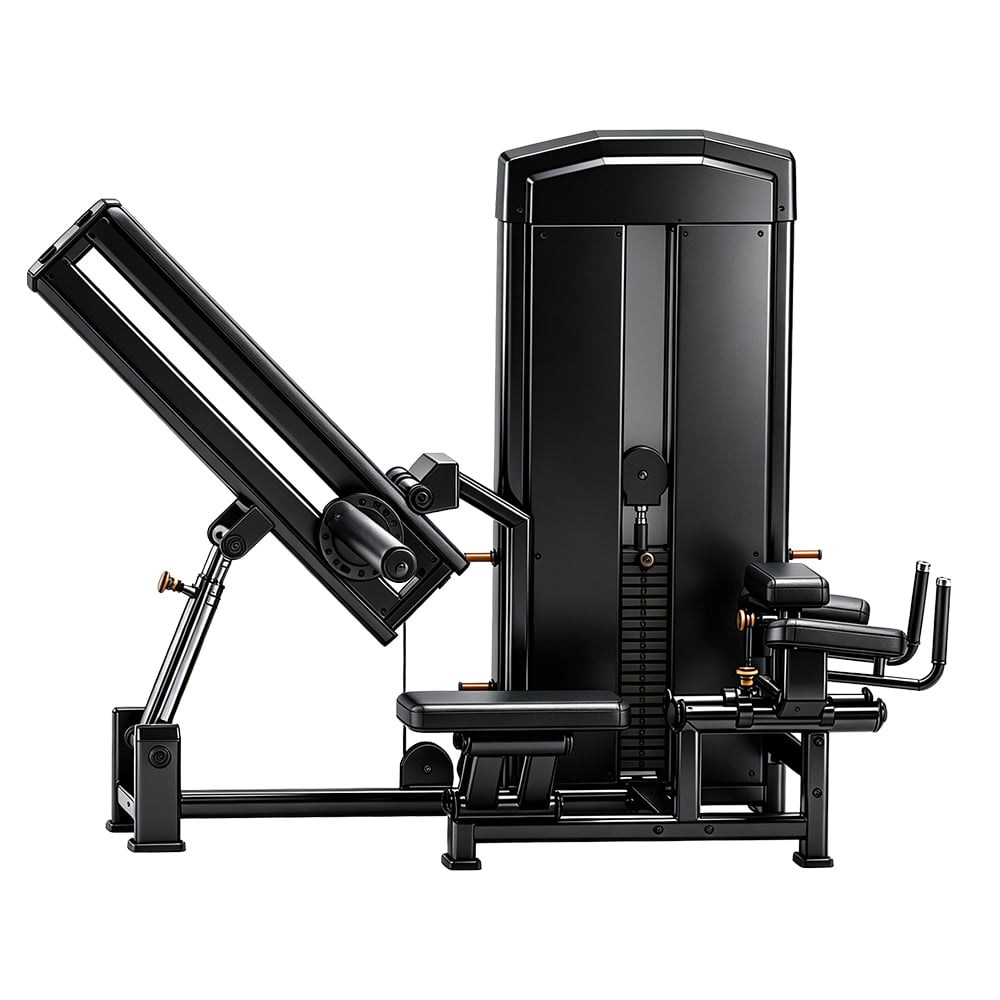
Furthermore, consider certifications that indicate compliance with industry standards. Machines that meet or exceed safety and performance benchmarks will provide peace of mind for buyers and users alike. Finally, a thorough inspection of the machine's warranty and service support can also reflect its quality. Look for manufacturers who offer comprehensive warranties, as this is a strong indicator of confidence in their product. For example, the BD1001 Standing Hip Thruster offers a solid warranty that ensures durability and reliability.

Get a Free Quote

Our representative will contact you soon.
0/1000