Commercial Gym Equipment: Essential Buying Guide

Kpeakfit, full-chain manufacturer with 10+ years & 90,000㎡ workshop.

Exhibit at IWF Shenzhen(H4A10) & WFF Shaoxing for global buyers.

Certified fitness gear, one-stop service for worldwide partners.

application/Commercial-Gym-Equipment, application/Commercial-Gym-Equipment, 
Inquiry
Inquiry

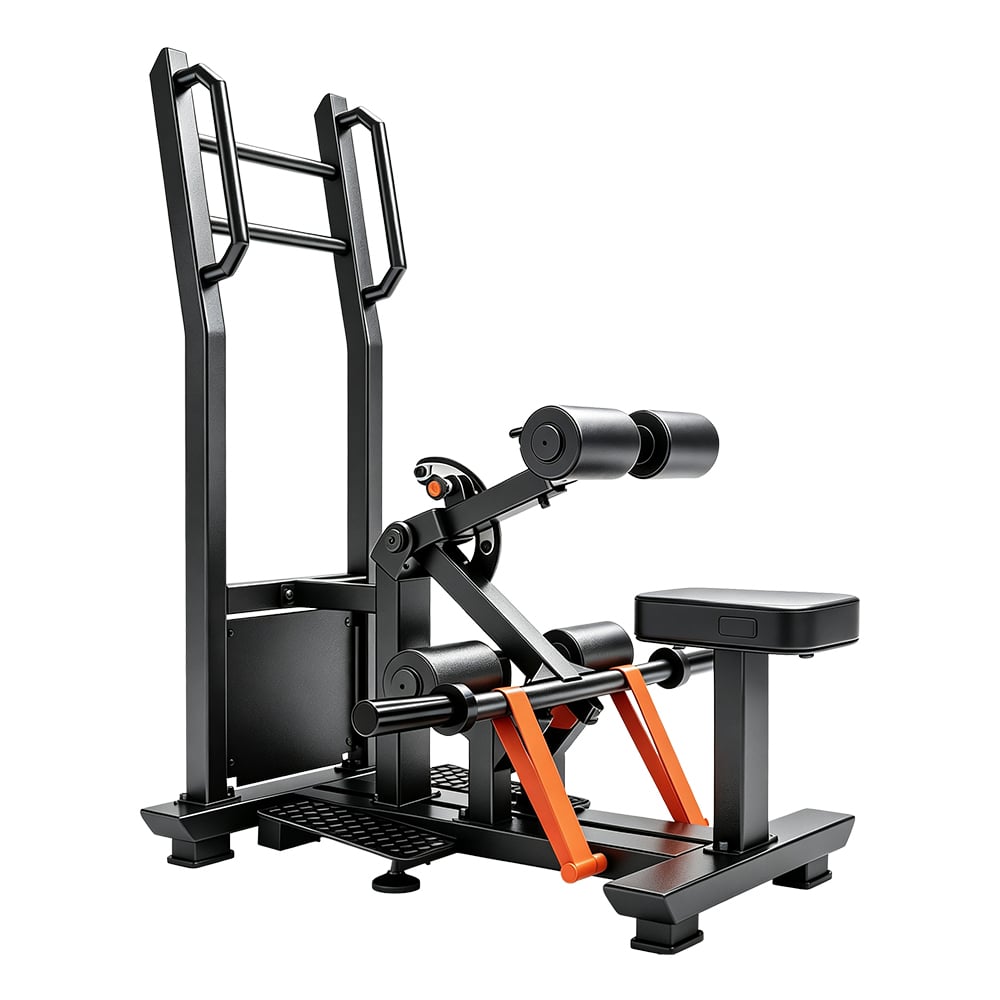
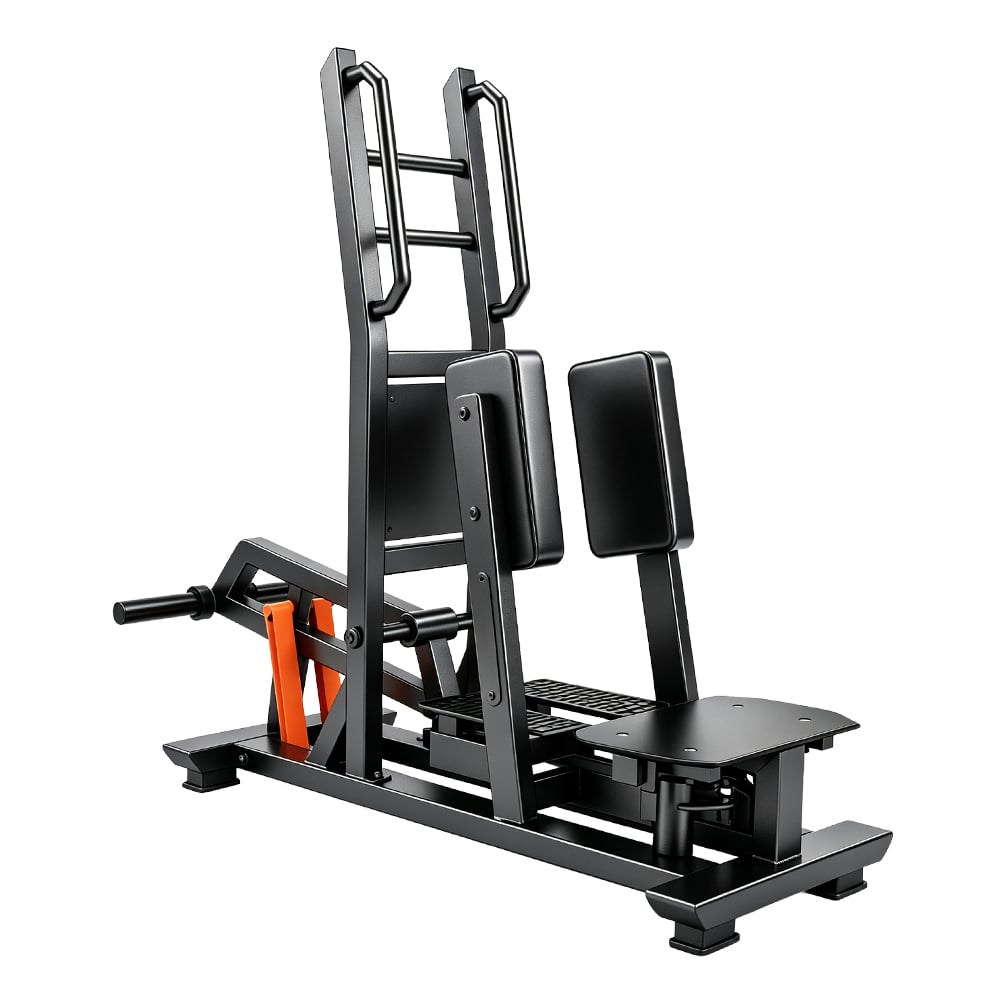
Commercial Gym Equipment

Choosing the right commercial gym equipment is crucial for businesses looking to invest in fitness facilities, whether for gyms, hotels, or corporate wellness programs. As a buyer, you need to consider various factors such as equipment specifications, compatibility with your space, and overall quality. This article will guide you through essential aspects of commercial gym equipment to help you make informed purchasing decisions.

How to Assess Commercial Gym Equipmen

How to Assess Commercial Gym Equipmen

Assessing commercial gym equipment involves evaluating several critical factors before making a purchase.

Performance and Reliability: Test the equipment to ensure it operates smoothly and meets the demands of high usage. Look for machines that have a proven track record in busy environments.

Warranty and Support: A reliable warranty can significantly reduce long-term costs. Check for warranties covering parts and labor, as well as the manufacturer’s commitment to customer service and support.

User Reviews and Case Studies: Research customer feedback and case studies from existing users to gauge the equipment’s performance in real-world settings. This can provide insights into common issues and overall satisfaction.

Quality Control Processes: Inquire about the manufacturer's quality control measures. A robust quality assurance process ensures that equipment meets industry standards and reduces the likelihood of defects.

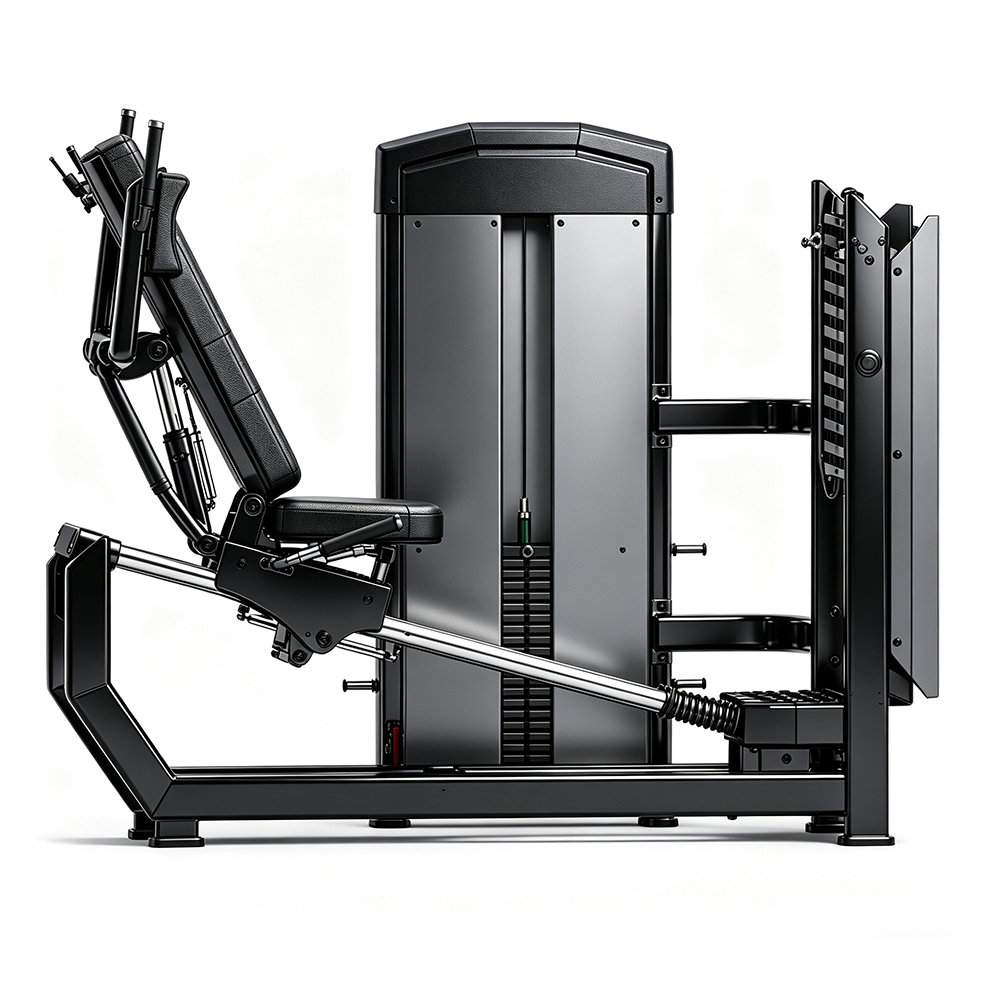
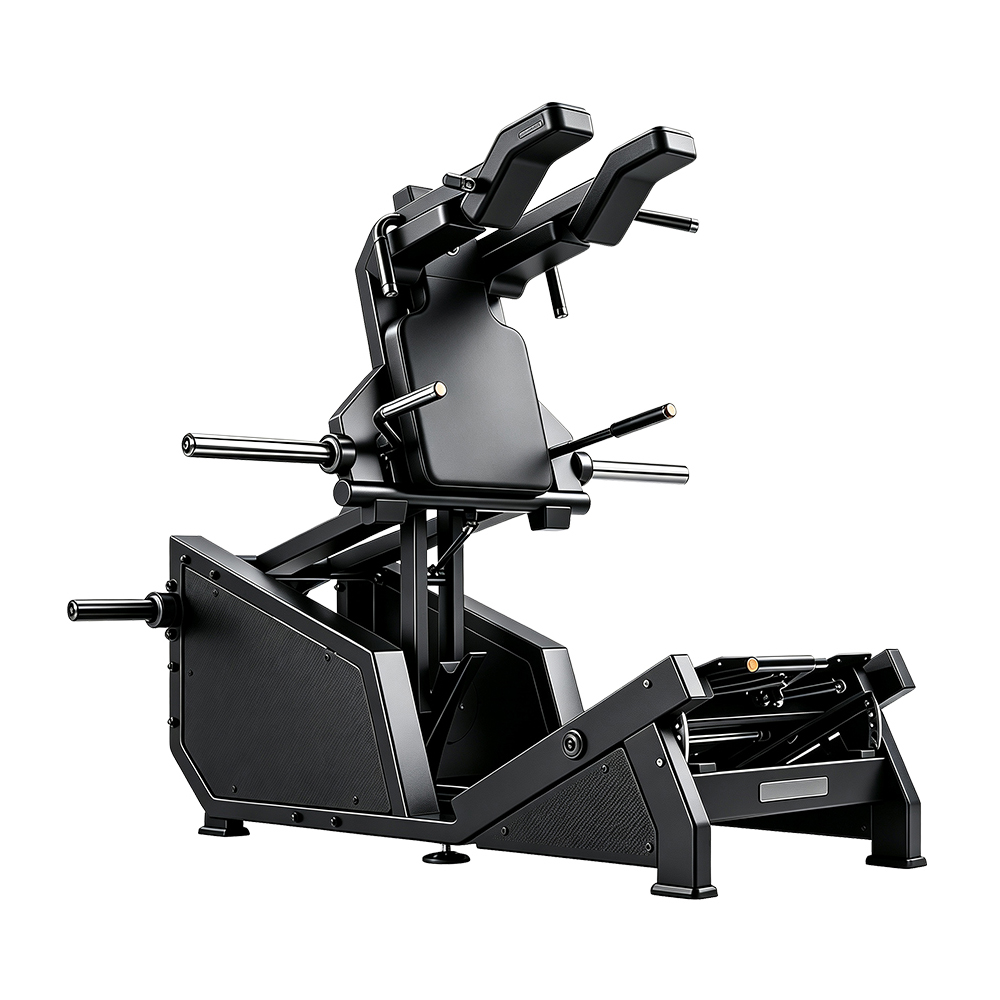
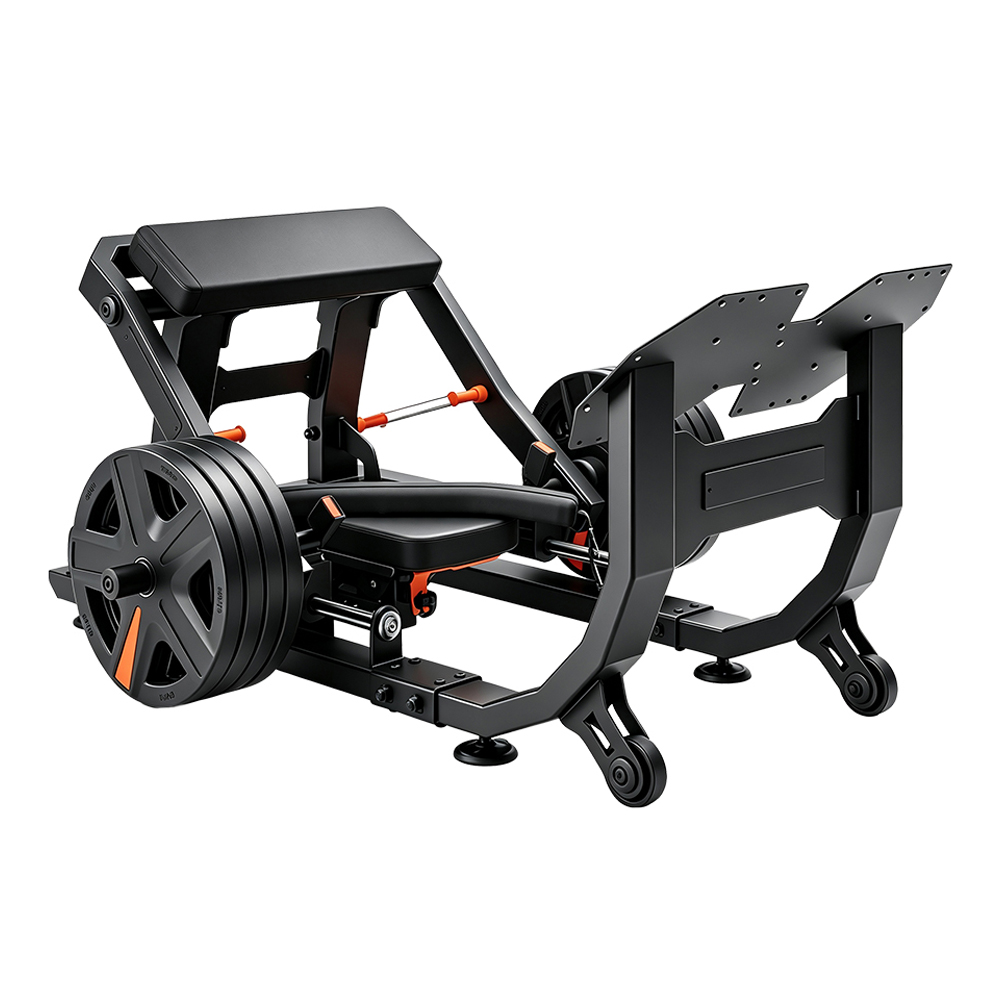
By focusing on these aspects, buyers can better ensure they are investing in reliable and effective gym equipment, including options like the BM1015 Leg Press Machine.

Installation Guidance for Commercial Gym Equipment Purchases

Installation Guidance for Commercial Gym Equipment Purchases

Proper installation of commercial gym equipment is vital for safety and functionality. Here are key points to consider:

Professional Installation: Opt for professional installation services provided by the manufacturer or a certified technician. This ensures that equipment is set up correctly and complies with safety standards.

Space Planning: During installation, consider the flow of traffic around the equipment. Adequate spacing allows users to move freely and minimizes the risk of accidents.

Power and Connectivity: For machines requiring power or internet connectivity, ensure that outlets are positioned appropriately. Verify that the electrical supply meets the equipment's requirements to avoid operational issues.

Testing After Installation: After installation, conduct a thorough inspection and test all features to ensure they function as intended. This is the best time to address any concerns with the installation team.

By following these steps, you can guarantee that your gym equipment is safely and effectively set up, providing an optimal experience for users.

Common Problems with Gym Equipment and Effective Solutions

Common Problems with Gym Equipment and Effective Solutions

While investing in commercial gym equipment, it’s crucial to be aware of common issues that may arise and how to address them effectively:

Equipment Malfunctions: Regular maintenance is essential to prevent breakdowns. Establish a routine inspection schedule and keep records of all maintenance performed.

Wear and Tear: High-usage equipment may exhibit signs of wear over time. Regularly check components such as cables, pads, and electronics. Replace worn parts promptly to maintain safety and performance.

User Misuse: Educating users on proper equipment usage can minimize the risk of damage and injuries. Consider implementing orientation sessions for new users or providing instructional signage on the equipment itself.

Compatibility Issues: As your facility expands, you may want to add new equipment. Ensure any new pieces are compatible with existing machines or the overall layout to maintain a cohesive user experience.

By being proactive about these common challenges, buyers can ensure a longer lifespan for their investments and a safer environment for users.

How to Compare Different Commercial Gym Equipment Options

When comparing different commercial gym equipment options, focus on several key criteria:

Specifications and Features: Create a checklist of required specifications for each piece of equipment, including dimensions, weight capacity, and additional features like heart rate monitors or interactive displays.

Price vs. Value: While cost is a critical factor, consider the value provided. A higher initial investment may yield better durability, user satisfaction, and lower maintenance costs over time.

Brand Reputation: Research the manufacturer's reputation. Established brands often have a history of providing reliable and effective gym equipment, backed by customer support and warranties.

Customization Options: Look for manufacturers that offer customization capabilities. This can include personalized branding, specific color choices, or unique features tailored to your facility's needs.

After-Sales Support: Evaluate the level of support provided post-purchase. Effective customer service can be vital for troubleshooting and maintenance, ensuring your equipment remains operational.

By following a structured comparison process, buyers can make informed decisions that align with their specific needs and budget constraints. With these considerations in mind, you can navigate the complexities of purchasing commercial gym equipment, ensuring your investment supports a successful fitness facility.

Choosing the Right Commercial Gym Equipment for Wholesale Buyers

When selecting commercial gym equipment, wholesale buyers should prioritize understanding their target market's needs. Consider the type of clientele your facility will serve. For instance, a high-end fitness center may require premium cardio machines and strength training equipment, while a budget gym might focus on essential, durable models.

Key considerations include:

Product Specifications: Look for machines with adjustable features, user-friendly interfaces, and safety mechanisms. Equipment should cater to various fitness levels to accommodate a diverse clientele.Material Quality: Ensure that the equipment is made from high-quality materials like steel or reinforced plastics that can withstand heavy usage without compromising safety or durability.Space Requirements: Accurately assess the available space to determine the layout and number of machines you can accommodate. This will help in selecting equipment that maximizes usability and adheres to safety standards.

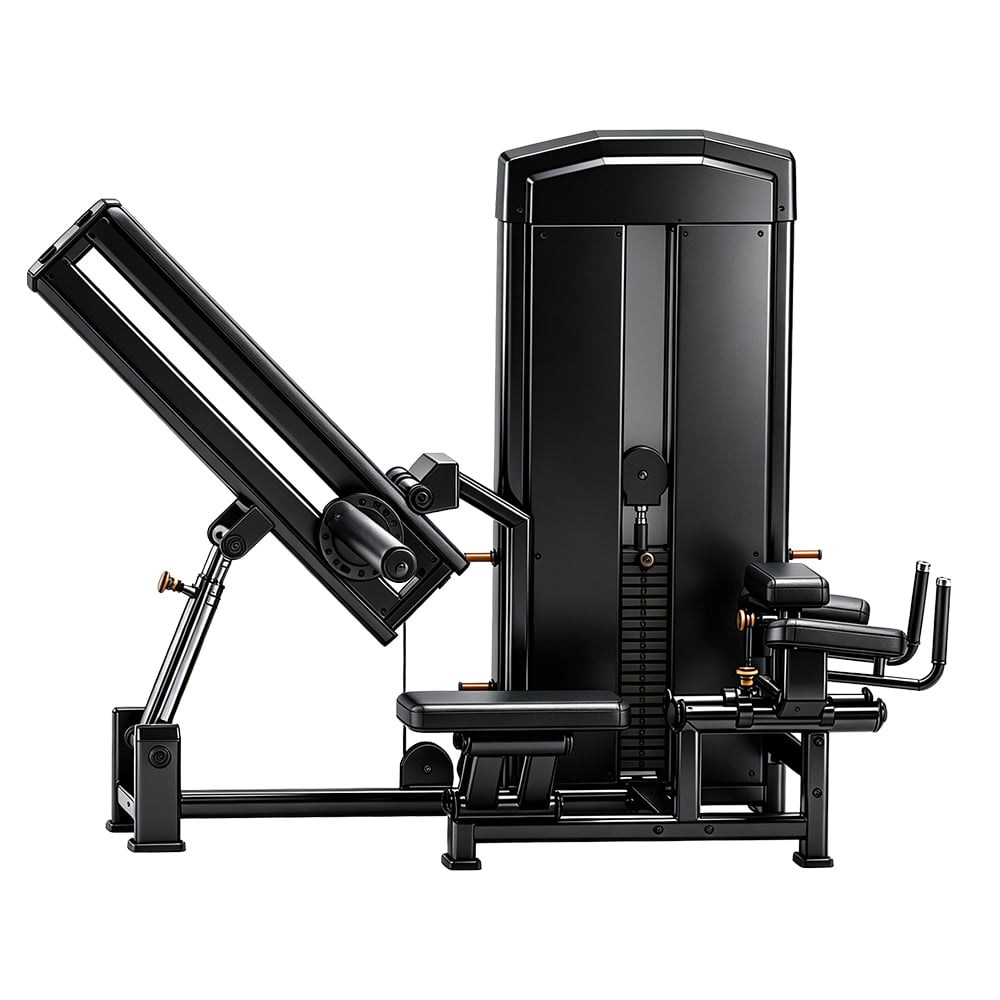
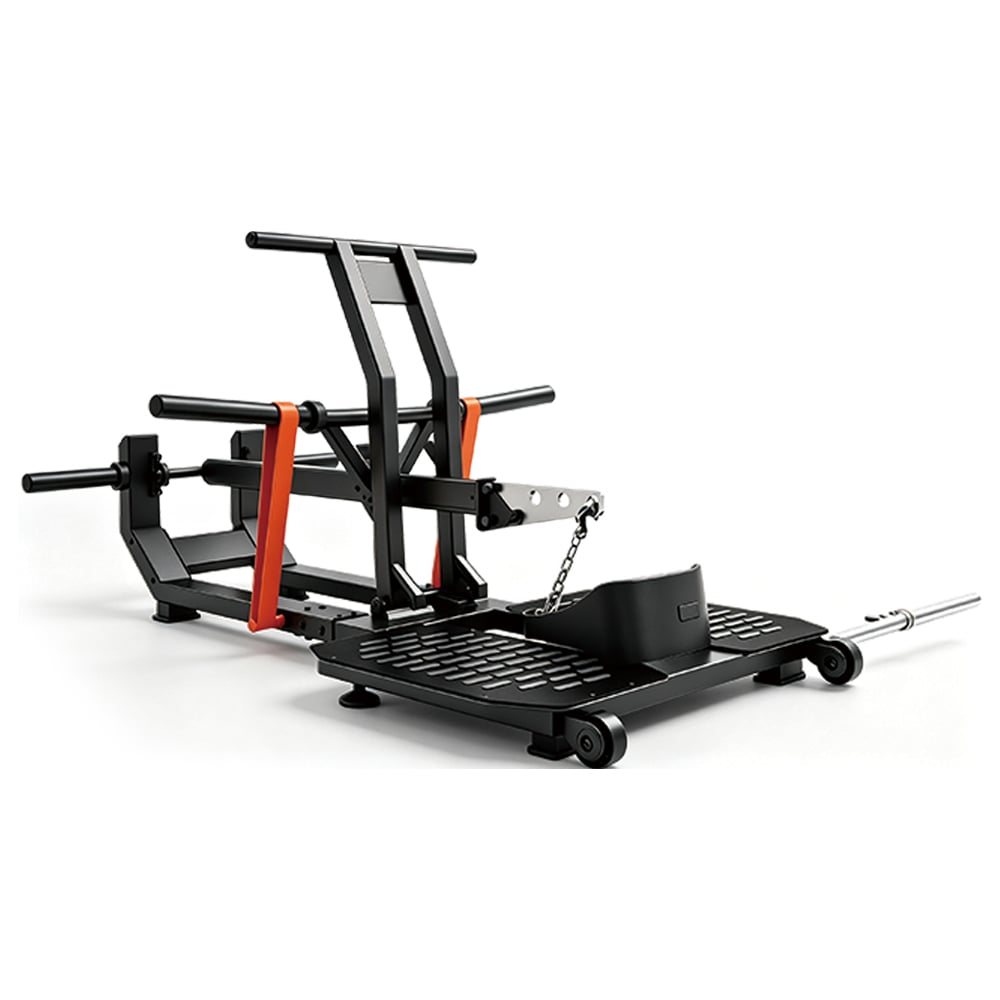
Buyers should also consider the manufacturer's capabilities in terms of customization and after-sales support. With the right equipment, such as the BD1005 Hip Push Trainer, your facility can enhance user experience and satisfaction.

Frequently Asked Questions

What types of commercial gym equipment do you offer?

We provide a full range including strength machines, cardio equipment, racks, benches, functional rigs, and customized commercial solutions for fitness centers and clubs.
Yes. We offer design and customization services to fit your space, branding, and training needs, leveraging our R&D and production capabilities.
Our 90,000 m² facility and automated lines enable high-precision manufacturing and consistent quality control for large-scale orders.
We offer installation guidance, technical support, spare parts, and maintenance services to ensure reliable operation and customer satisfaction.
Lead time varies by order size and customization but is generally efficient due to our advanced production lines; contact us with specifics for an accurate timeline.

Get a Free Quote

Our representative will contact you soon.
0/1000