Lateral Raise Machine for Fitness Facilities

Kpeakfit, full-chain manufacturer with 10+ years & 90,000㎡ workshop.

Exhibit at IWF Shenzhen(H4A10) & WFF Shaoxing for global buyers.

Certified fitness gear, one-stop service for worldwide partners.

application/Lateral-Raise-Machine, application/Lateral-Raise-Machine, 
Inquiry
Inquiry

Lateral Raise Machine

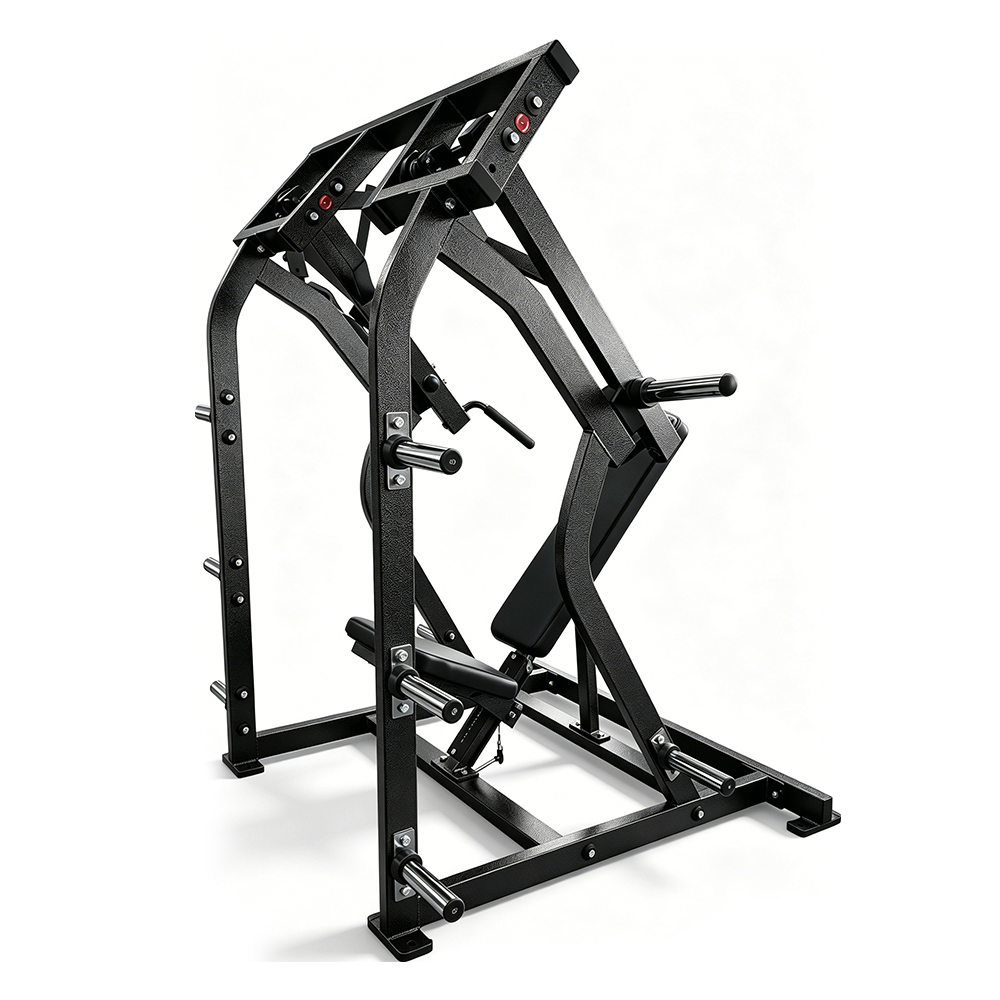
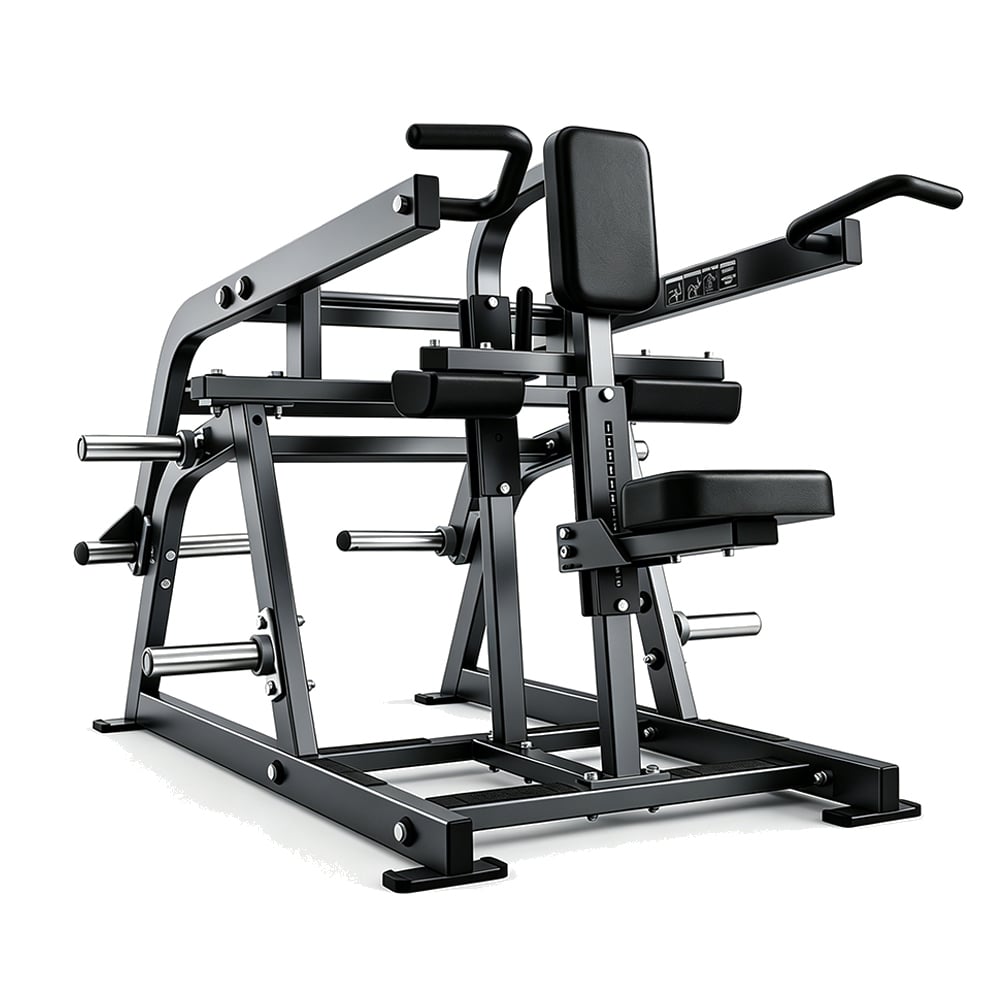
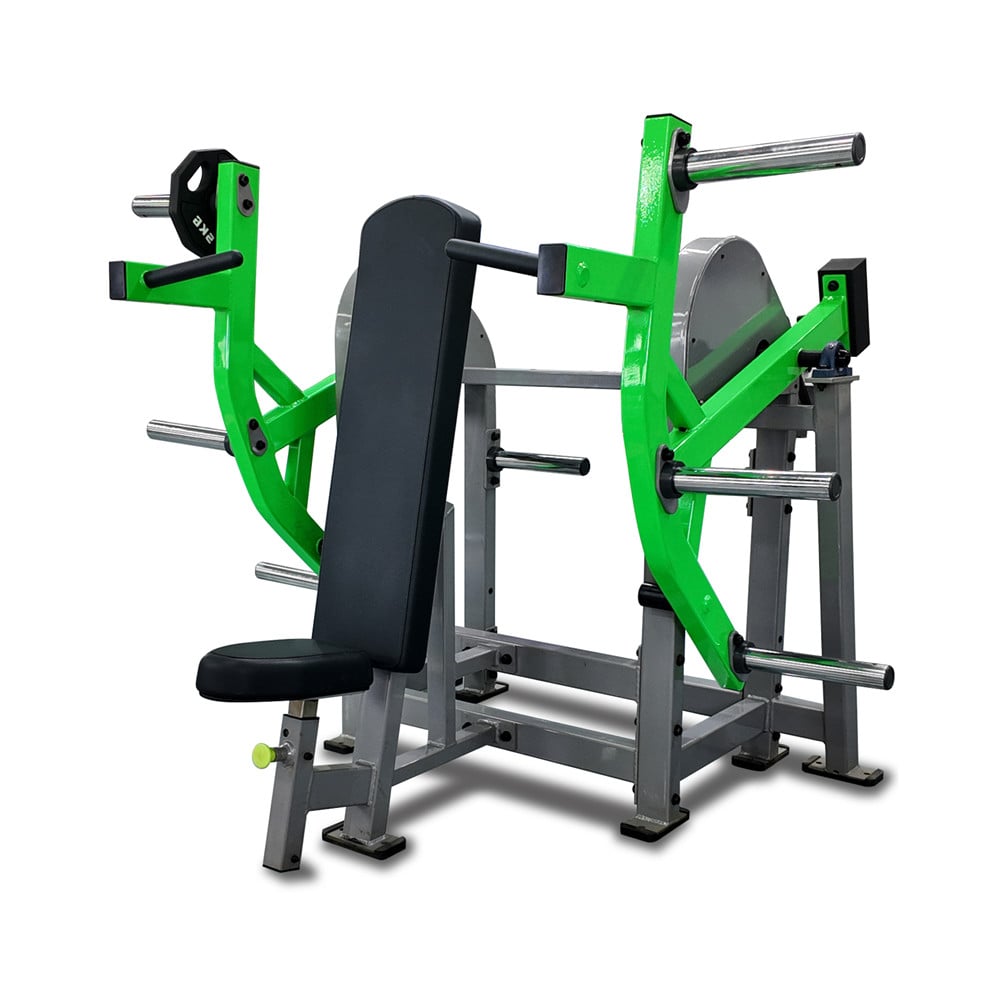
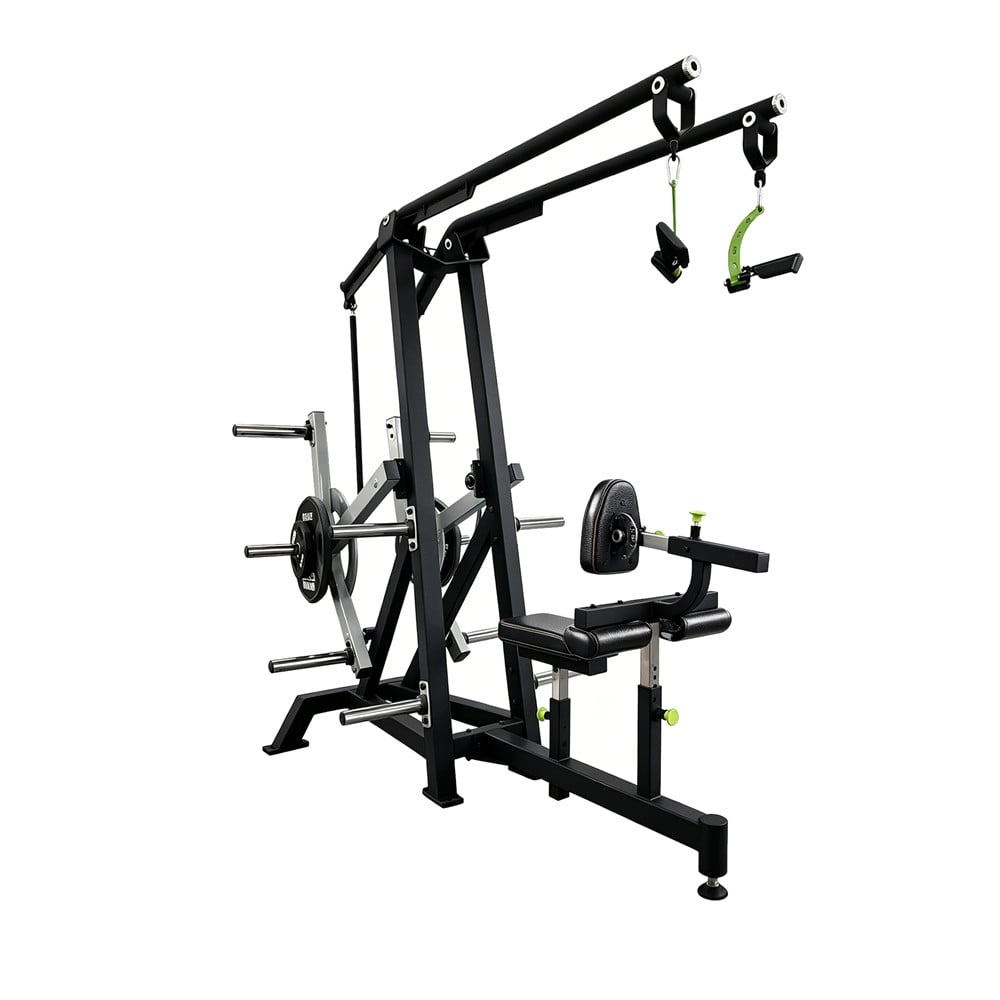
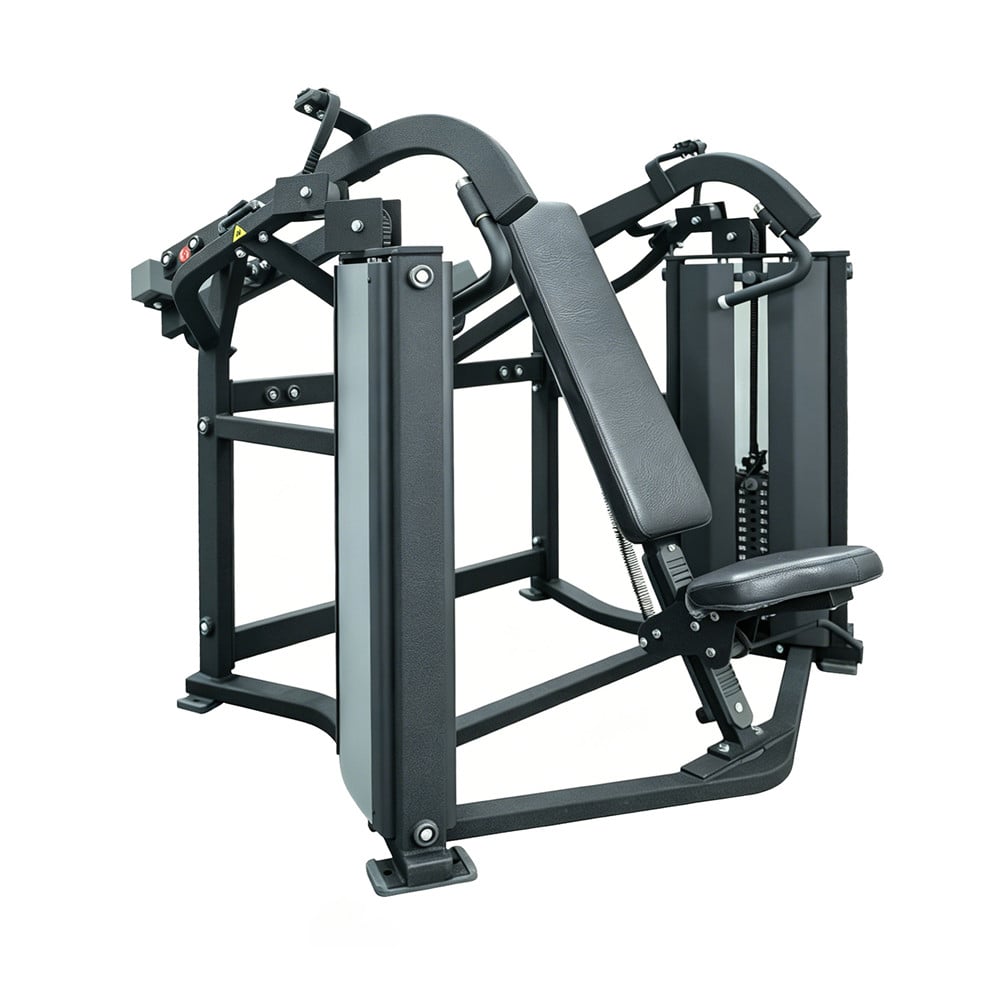
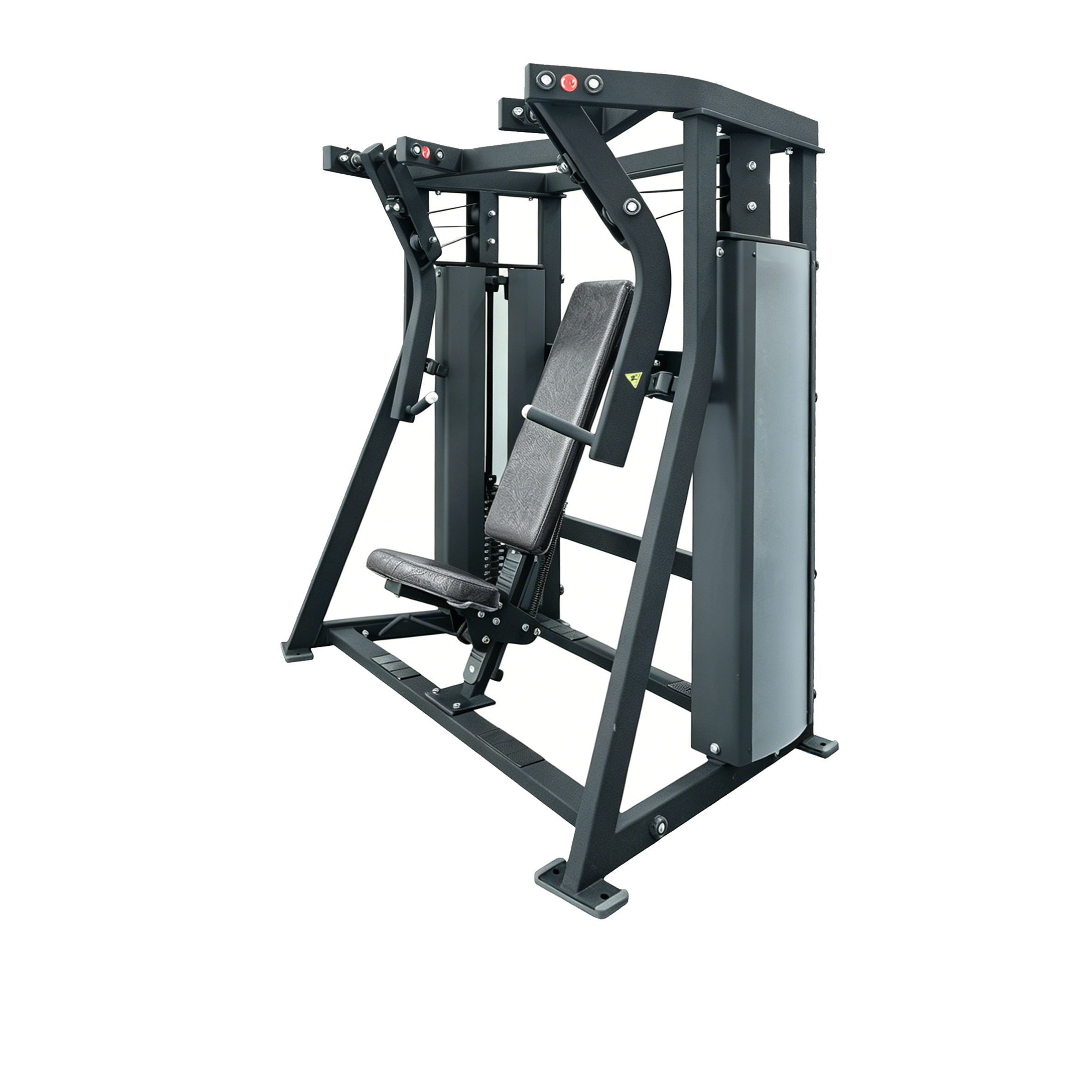
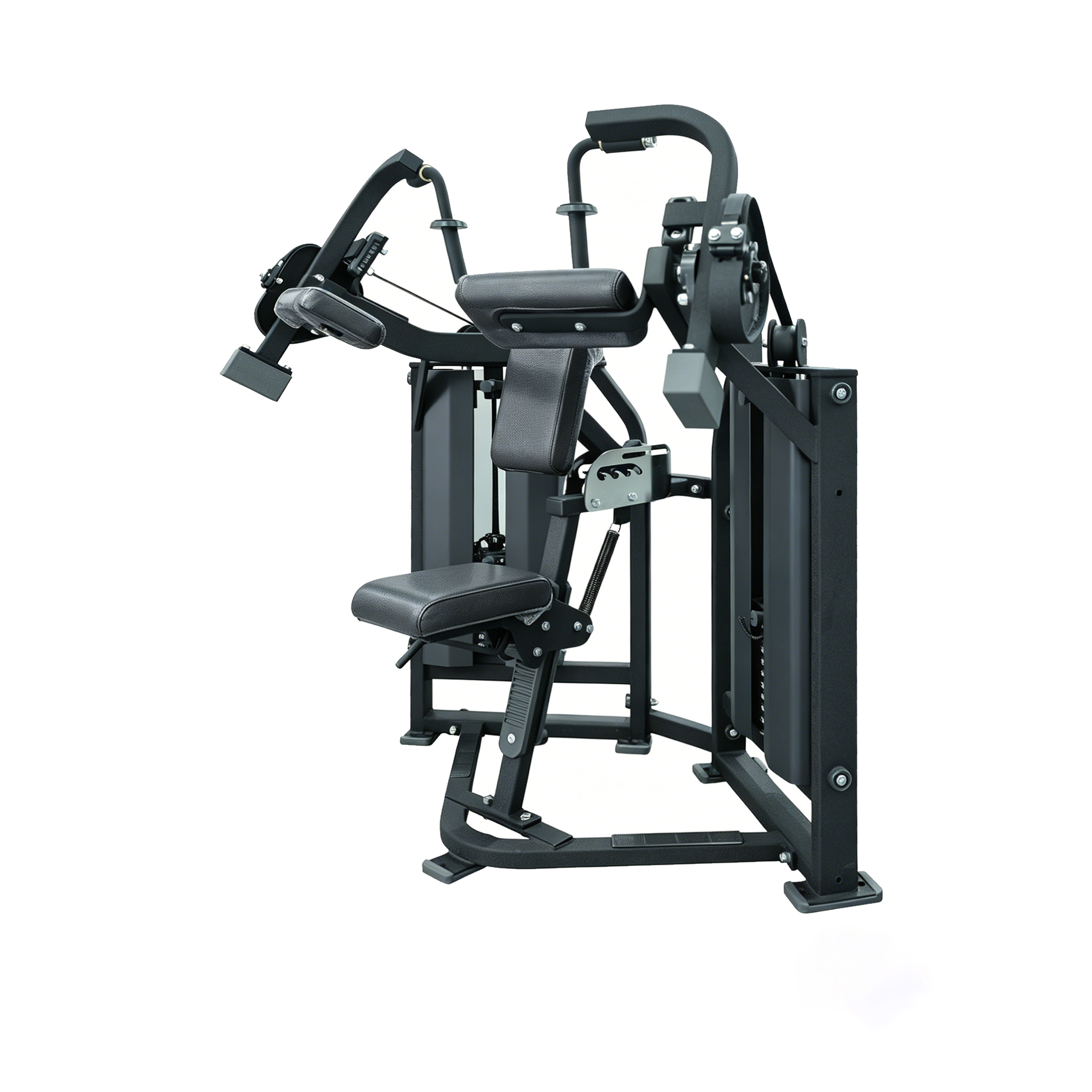
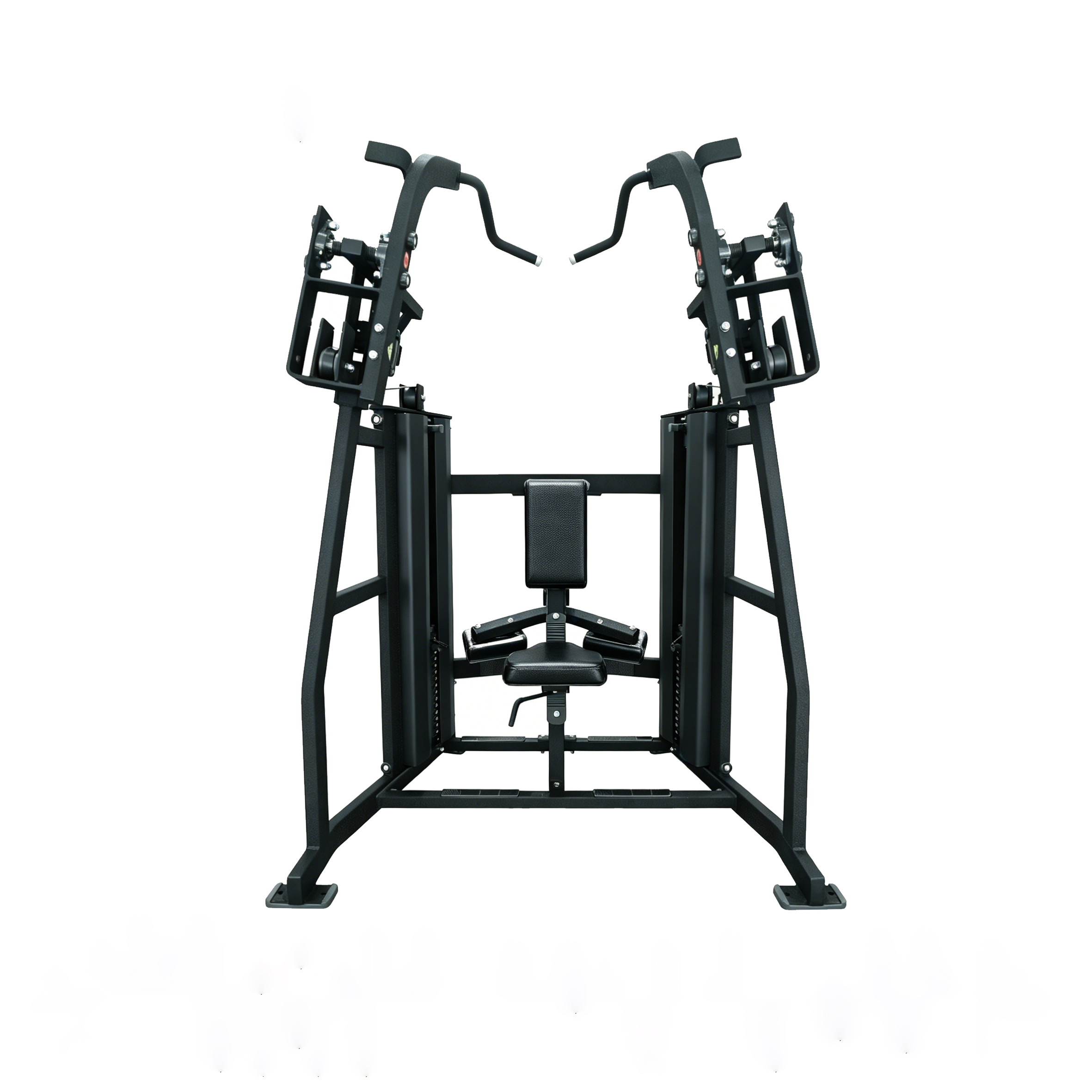
Lateral raise machines are essential pieces of fitness equipment designed to target the shoulder muscles, particularly the deltoids. For B2B buyers—such as purchasing managers, gym owners, and distributors—understanding the specifications, quality evaluation methods, cost factors, and best practices for these machines is crucial. This article aims to provide insights into these areas, helping you make informed decisions when sourcing lateral raise machines for your commercial fitness needs.

What You Need to Know

What You Need to Know

Quality evaluation of lateral raise machines is essential to ensure longevity and safety. Here are several strategies to conduct an effective quality assessment:

Sample Testing: Before placing a bulk order, request a sample machine. Test its functionality, stability, and comfort under actual operating conditions. This firsthand experience can reveal potential issues that specifications alone may not highlight.

Material Inspection: Evaluate the materials used in the machine's construction. High-quality steel should be rust-resistant and robust, while upholstery should be durable and easy to clean.

Manufacturing Processes: Inquire about the manufacturer's production processes. Advanced manufacturing techniques and strict quality control measures generally indicate a higher likelihood of producing reliable equipment.

Certifications: Check for relevant certifications that demonstrate compliance with safety and quality standards. Certifications from recognized organizations can provide reassurance about the product's quality.

Warranty and Support: A strong warranty and responsive customer support are indicators of a manufacturer’s confidence in their product. This can be crucial for addressing any issues post-purchase.

Understanding Quality Control in Lateral Raise Machine Manufacturing

Understanding Quality Control in Lateral Raise Machine Manufacturing

Understanding the cost factors associated with lateral raise machines is vital for making a financially sound purchase. Key considerations include:

Initial Price vs. Total Cost of Ownership: While the initial purchase price is important, consider the total cost of ownership, which includes maintenance, potential repairs, and durability over time. A higher-priced machine may offer better long-term value due to its durability. For example, investing in a Pin Loaded Series machine can provide both quality and longevity.

Shipping and Logistics: Factor in shipping costs, especially if importing from overseas. Costs can vary significantly based on distance, weight, and shipping methods.

Customization Options: Custom features can increase the overall cost but may be worthwhile for meeting specific market needs or branding requirements.

Minimum Order Quantity (MOQ): Many manufacturers impose MOQs that can affect your purchasing strategy. Understanding these requirements helps in budgeting and inventory planning.

Market Trends: Keep an eye on market trends and competitor pricing. This can provide insights into fair market prices and help negotiate better deals with suppliers.

Evaluating Cost Factors When Purchasing Lateral Raise Machines

Evaluating Cost Factors When Purchasing Lateral Raise Machines

Implementing best practices in the procurement and maintenance of lateral raise machines can enhance operational efficiency. Here are some key recommendations:

Regular Maintenance Checks: Schedule regular maintenance to ensure that machines remain in good working order. This includes checking for loose bolts, wear on cables, and upholstery damage. Regular maintenance extends the equipment's lifespan and keeps users safe.

User Training: Provide training for gym staff and users on the proper usage of the lateral raise machine. Educating users on correct form can prevent injuries and enhance workout effectiveness.

Feedback Mechanism: Establish a feedback mechanism to gather user insights on the machine's performance. This information can help identify potential issues and guide future purchasing decisions.

Inventory Management: Monitor usage patterns and manage inventory accordingly. Understanding peak usage times can inform decisions about additional equipment purchases or rotation schedules.

Common Problems with Lateral Raise Machines and Effective Solutions

Lateral raise machines find diverse applications in commercial fitness settings, making them valuable assets for gym owners. Here are some key applications:

Strength Training: These machines are primarily used for strength training, targeting the shoulder muscles effectively. They are ideal for both beginners and advanced users, providing a safe environment to build shoulder strength.

Rehabilitation: Lateral raise machines are often used in rehabilitation settings to help patients regain strength and mobility in the shoulder area post-injury. Their controlled motion allows for safe and targeted rehabilitation exercises.

Group Classes: Incorporating lateral raise machines into group training sessions can enhance workout variety and cater to users focusing on upper body strength. They provide structured support that can benefit participants of varying fitness levels.

Personal Training: Personal trainers often utilize lateral raise machines to design specific workout programs targeting shoulder development. The machine's adjustable features allow for tailored workouts that meet individual client needs.

By understanding these applications, purchasing managers can better evaluate how lateral raise machines fit into their overall fitness offerings and meet customer demands effectively.

Choosing the Right Lateral Raise Machine for Your Fitness Facility

When evaluating lateral raise machines, several key specifications are critical to consider. These include:

Weight Capacity: The maximum weight the machine can handle is often indicative of its sturdiness and suitability for different user demographics. Machines with higher weight capacities accommodate a wider range of users and training intensities.

Adjustable Features: Look for machines with adjustable seat heights and arm positions, allowing for a customizable fit for various body types. This feature enhances user comfort and effectiveness during workouts.

Dimensions: The overall size of the machine is important, especially for gyms with limited space. Ensure that the machine fits within the layout of your facility while still allowing for safe usage and maintenance access.

Materials Used: The materials of the frame and upholstery affect durability and comfort. High-grade steel frames offer strength and stability, while high-density foam padding ensures user comfort during use. Additionally, considering options from our Series Strength Equipment can provide insights into various materials and designs available.

Safety Features: Consider machines equipped with safety features such as non-slip grips and stabilizing bases to prevent accidents during operation.

Each of these specifications plays a vital role in the performance and longevity of the equipment, making them crucial for importers and distributors to assess.

Frequently Asked Questions

What muscles does the Lateral Raise Machine target?

It primarily targets the lateral deltoids, with secondary engagement of anterior/posterior deltoids and trapezius for shoulder shaping and stability.
Yes. It offers adjustable seat height and arm positions to accommodate various body sizes and ensure proper range of motion.
Manufactured with high-precision steel framing, durable padding and industrial-grade bearings from our automated production lines for stable, long-lasting performance.
Regularly wipe down upholstery, lubricate pivot points per manual, inspect bolts and cables monthly, and schedule professional service as needed to maintain optimal function.
We offer product warranty and global after-sales support through our service team. Contact customer service with model and purchase details for warranty assistance.

Get a Free Quote

Our representative will contact you soon.
0/1000