How to Choose Quality Bumper Plates for Wholesale

Kpeakfit, full-chain manufacturer with 10+ years & 90,000㎡ workshop.

Exhibit at IWF Shenzhen(H4A10) & WFF Shaoxing for global buyers.

Certified fitness gear, one-stop service for worldwide partners.

application/Bumper-Plates, application/Bumper-Plates, 
Inquiry
Inquiry

Bumper Plates

Bumper plates are a crucial component of modern fitness equipment, designed for weightlifting and strength training. These specialized weights are typically made from durable rubber, which helps reduce noise and protect gym floors during intense workouts. For B2B buyers—including purchasing managers, gym owners, and fitness equipment distributors—understanding the right specifications, quality control processes, and sourcing practices for bumper plates is essential to ensure optimal performance and customer satisfaction. This article will guide you through selecting the right bumper plates, sourcing reliable suppliers, and understanding the manufacturing quality control processes involved.

Sourcing Reliable Suppliers for Bulk Orders

Sourcing Reliable Suppliers for Bulk Orders

When sourcing bumper plates for your fitness facility or retail operation, it's essential to find reliable suppliers who can meet your quality and quantity requirements. Here are some steps to ensure a successful sourcing process:

Evaluate Manufacturer Capabilities: Look for manufacturers with advanced automated production lines, like XiaoKe Fitness Technology Co., Ltd., which can ensure high-precision manufacturing and stable quality. Assess their production capacity and lead times to ensure they can meet your bulk order needs.

Request Samples: Before placing a bulk order, always request samples. This allows you to assess the quality, weight accuracy, and material durability firsthand. Verify that the samples meet your specifications and expectations.

Check Certifications: Ensure that your supplier complies with relevant safety and quality standards. Certifications can indicate a manufacturer's commitment to quality control and industry best practices.

Confirm Minimum Order Quantities (MOQ): Understand the supplier's MOQ, as this can vary significantly between manufacturers. Ensure that their minimum order requirements align with your purchasing plans.

Communication and Support: Establish clear communication channels with your supplier. A responsive and knowledgeable supplier can provide valuable support during the purchasing process and address any concerns that may arise. For example, partnering with a supplier who offers BD1004 Hack Squat Trainer can enhance your product line.

By following these steps, you can source bumper plates that align with your business objectives and enhance your product offerings.

Understanding the Quality Control Process of Bumper Plate Manufacturing

Understanding the Quality Control Process of Bumper Plate Manufacturing

Quality control is a critical aspect of bumper plate manufacturing, ensuring that each product meets industry standards and customer expectations. Here’s how the quality control process typically works:

Material Inspection: Quality control starts with the inspection of raw materials. Manufacturers should assess the rubber compounds for consistency in density, color, and odor. This initial check helps prevent defects in the final product.

Production Monitoring: During production, manufacturers implement rigorous checkpoints to monitor the molding process. This includes verifying that the weight, dimensions, and hardness of each plate align with specified tolerances.

Testing for Performance: After production, samples from each batch should undergo performance testing. This includes drop tests to evaluate shock absorption and durability, as well as dimensional checks to ensure they meet IWF standards.

Final Inspection: Before packaging, a final inspection should be conducted to identify any cosmetic defects or deviations in weight. Plates should be visually inspected for uniformity and consistency.

Documentation and Certification: Reliable manufacturers provide documentation certifying the quality standards met during production. This can include testing results, compliance certificates, and detailed product specifications.

Understanding this quality control process helps buyers ensure they are sourcing high-quality bumper plates that will perform reliably in their facilities.

When to Use Bumper Plates in Your Projects

When to Use Bumper Plates in Your Projects

Bumper plates are versatile and can be utilized in various settings. Here are some common applications:

Commercial Gyms: For fitness facilities, offering a range of bumper plates is essential for strength training and Olympic lifting classes. They are suitable for various training programs, from powerlifting to CrossFit.

Home Gyms: For individuals looking to set up home gym spaces, bumper plates are an excellent choice for those focused on weightlifting. Their low noise and floor protection make them ideal for residential environments.

Sports Performance Centers: Bumper plates are often used in athletic training facilities, providing athletes with the ability to perform Olympic lifts safely and effectively.

Rehabilitation Centers: These plates can also support rehabilitation programs by allowing clients to perform weightlifting exercises without the risk of injury associated with traditional metal weights.

Corporate Wellness Programs: Companies investing in employee wellness initiatives may include bumper plates in their on-site gyms, promoting fitness and health among employees.

Understanding when and where to use bumper plates can enhance your project planning and ensure you meet the needs of your clientele effectively.

Expert Guidance on Sourcing Bumper Plates for Your Contracting Needs

When sourcing bumper plates for contracting purposes, consider the following expert tips to streamline your purchasing process:

Define Your Specifications: Clearly outline the specifications needed for your project. This includes weight, material, color, and any custom branding requirements. Providing detailed specifications helps suppliers deliver precisely what you need.

Leverage Manufacturer Expertise: Engage with manufacturers like XiaoKe Fitness Technology Co., Ltd. that have extensive experience in fitness equipment. Their insights can guide you in selecting the right products for your specific applications.

Request Customization Options: If your project requires unique specifications, inquire about customization capabilities. Many manufacturers can accommodate specific designs, colors, or branding elements.

Evaluate Total Cost of Ownership: When evaluating suppliers, consider not just the initial purchase price but also the total cost of ownership, including shipping, handling, and potential maintenance costs.

Establish Long-term Partnerships: Building strong relationships with reliable suppliers can lead to better pricing, improved service, and preferential access to new products. Consider long-term contracts if you anticipate ongoing needs.

By following these guidelines, you can effectively source bumper plates that meet your contracting needs and enhance your project outcomes.

How to Choose the Right Bumper Plates for Your Fitness Facility

When choosing bumper plates, several key specifications should be considered:

Weight Variations: Bumper plates come in various weight increments, typically ranging from 5 to 45 pounds. Ensure you select a range that meets the needs of your clients, including beginner and advanced lifters.

Durometer Hardness: The hardness of the rubber is measured in durometers. A higher durometer indicates a firmer plate, which provides better durability and performance during Olympic lifts. A softer plate may offer better shock absorption but could wear out faster.

Diameter: Standard bumper plates have a diameter of 450mm (about 17.7 inches) to ensure they meet the International Weightlifting Federation (IWF) standards. This is crucial for ensuring compatibility with Olympic bars and lifting platforms.

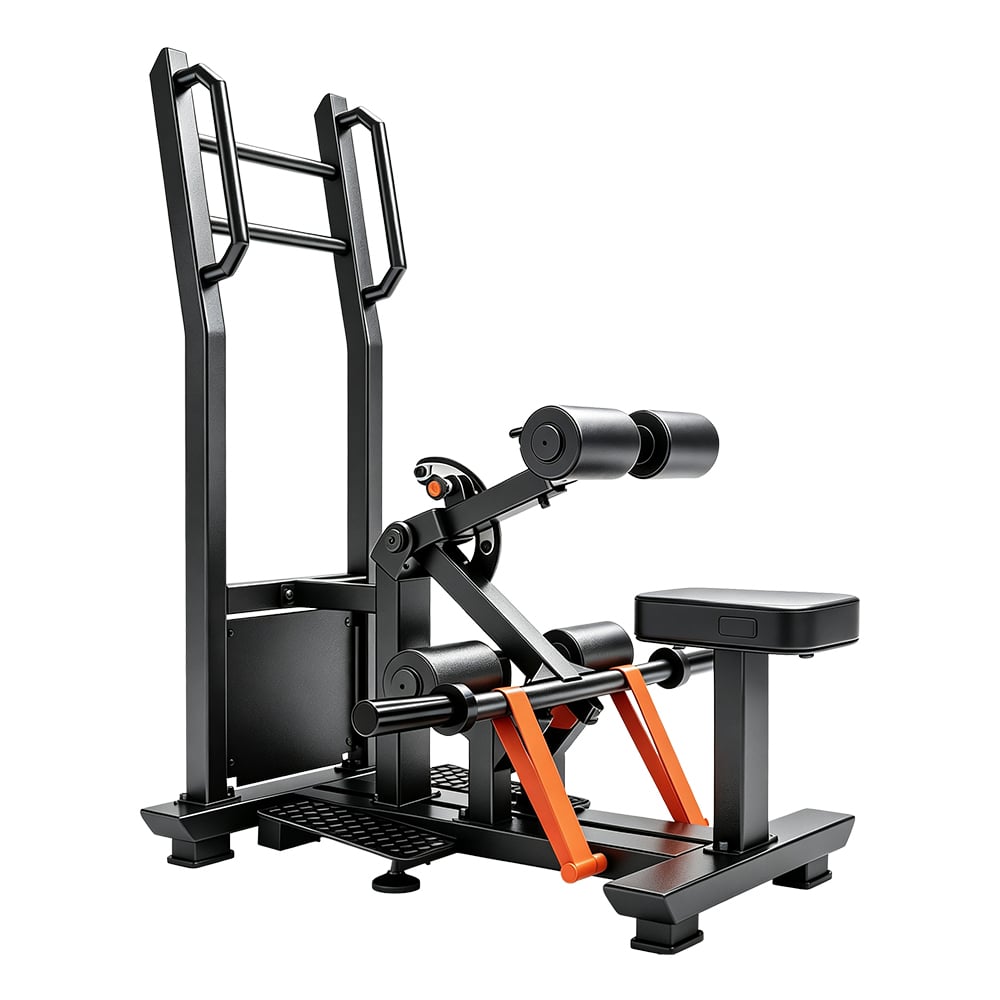
Material Quality: Look for plates made from high-quality rubber that can withstand heavy use and resist cracking. Some manufacturers may offer variations in their rubber compound, which can affect odor, durability, and performance. For instance, the BD1005 Hip Push Trainer is an example of equipment that complements the use of bumper plates effectively.

Color Coding: Color-coded bumper plates help users quickly identify weights, making it easier for both trainers and clients during workouts. Ensure your selection includes clear, vibrant color options.

By focusing on these specifications, you can select bumper plates that not only meet your facility's needs but also enhance user experience and safety.

Frequently Asked Questions

What materials are used in your bumper plates?

Our bumper plates are made from high-density virgin rubber with a solid steel hub, ensuring durability, impact resistance, and consistent bounce for heavy lifting and repeated drops.
Yes. We manufacture plates to precise weight tolerances and calibration standards to ensure accurate loading for training and competition use.
We offer standard Olympic diameter plates and multiple color-coded weight options for easy identification. Custom colors and markings can be accommodated based on order volume.
Yes. With integrated R&D and production facilities, we provide OEM/ODM services, custom logos, packaging, and specification adjustments to meet client requirements.
Our automated production lines and QC processes ensure stable quality. Typical lead time depends on order size; contact sales for specific timelines and inspection reports.

Get a Free Quote

Our representative will contact you soon.
0/1000