Key Specifications for Chest Fly Machines

Kpeakfit, full-chain manufacturer with 10+ years & 90,000㎡ workshop.

Exhibit at IWF Shenzhen(H4A10) & WFF Shaoxing for global buyers.

Certified fitness gear, one-stop service for worldwide partners.

application/Chest-Fly-Machine, application/Chest-Fly-Machine, 
Inquiry
Inquiry

Chest Fly Machine

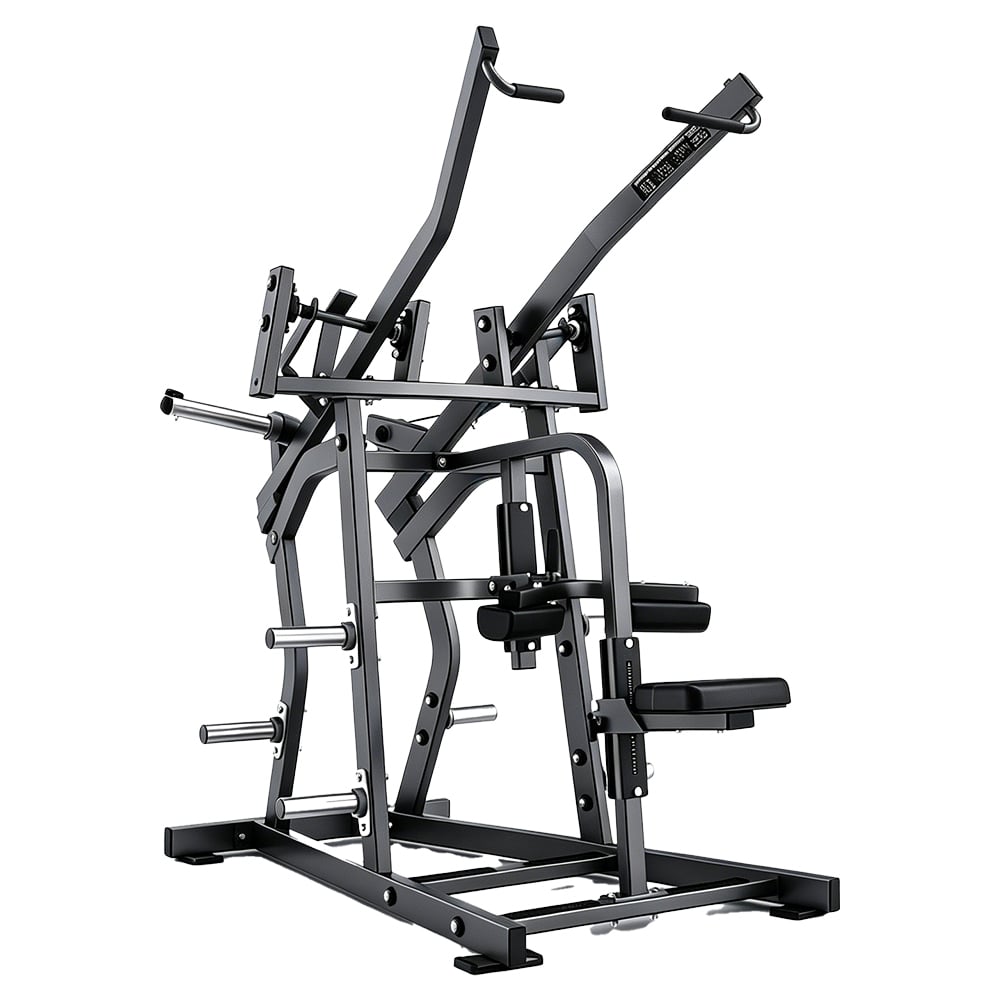
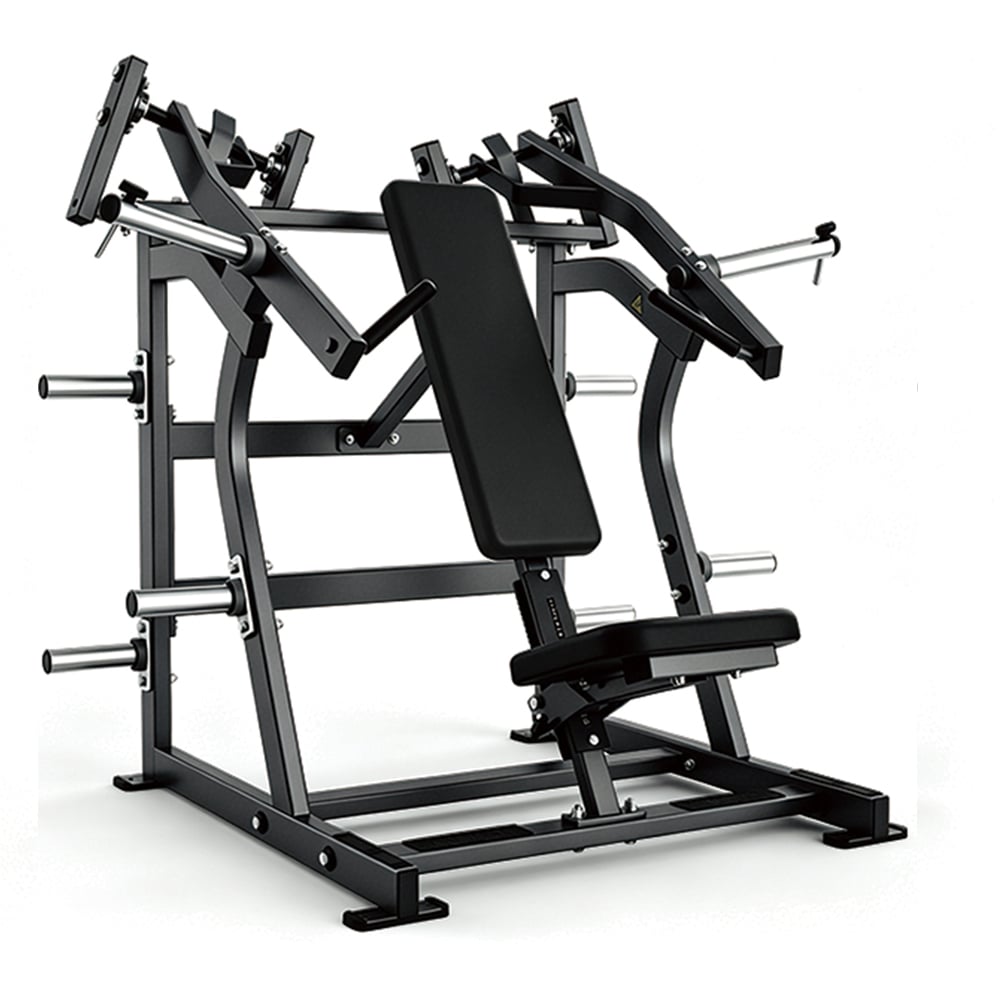
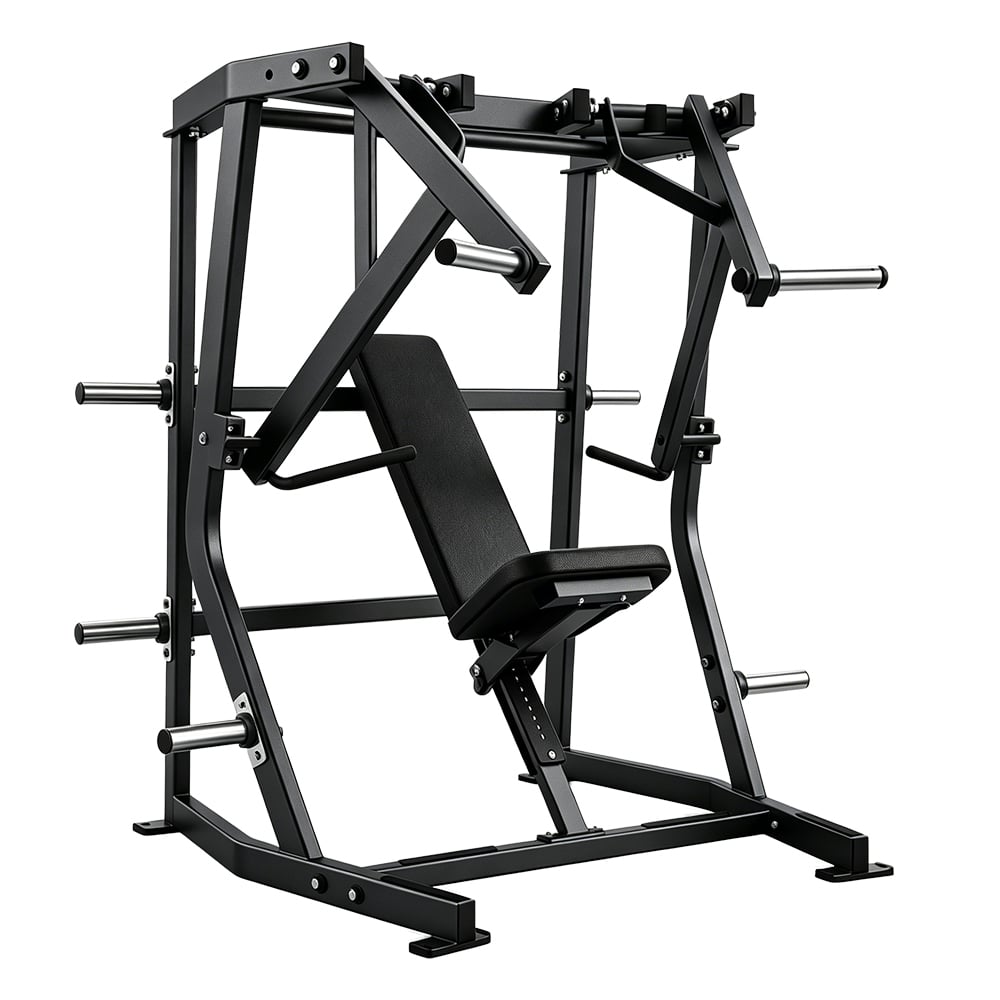
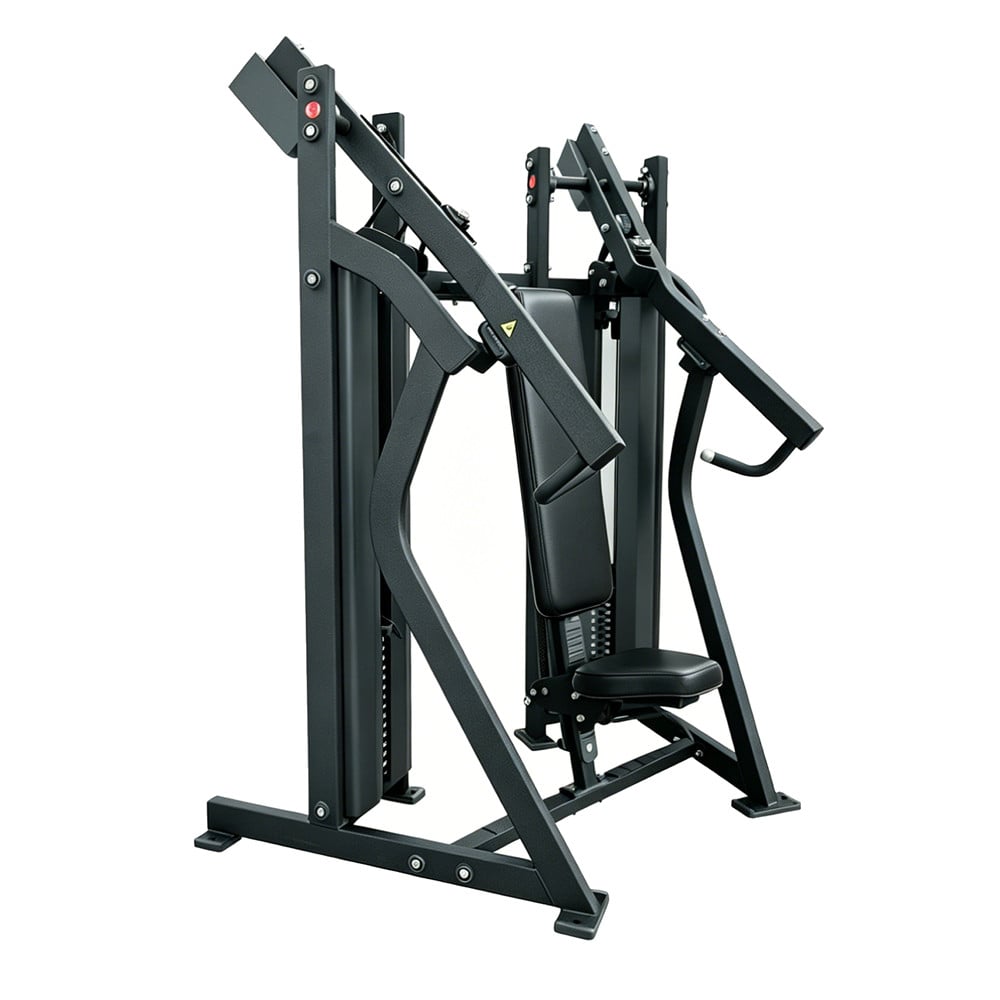
A chest fly machine is an essential piece of fitness equipment designed to target the chest muscles effectively. For wholesale buyers, understanding the intricacies of chest fly machines is critical to making informed purchasing decisions. This article addresses key specifications, what to look for, cost factors, common problems, and applications within commercial fitness centers. By the end, you will have a clearer understanding of how to choose the right chest fly machine for your needs.

What to Look for in Chest Fly Machines

What to Look for in Chest Fly Machines

When evaluating chest fly machines, several factors can impact your purchasing decision:

Brand Reputation: Research manufacturers with a solid reputation in fitness equipment. Companies like XiaoKe Fitness Technology Co., Ltd., known for integrating R&D, design, and production, are often more reliable.

Quality Assurance: Look for evidence of quality control processes, such as certifications or testing protocols. Equipment that passes rigorous inspections is generally more trustworthy.

Customization Options: If you have specific branding or functionality requirements, inquire about customization capabilities. A supplier that can tailor equipment to your needs can enhance your offering.

Maintenance Requirements: Consider machines that are easy to maintain. Features such as removable covers or easy access to internal components can make upkeep more manageable.

Warranty and Support: A robust warranty and reliable post-sale support can provide peace of mind. Ensure that the manufacturer offers comprehensive service options.

By examining these factors, you can ensure that the chest fly machines you purchase will meet your operational needs and provide value to your customers.

Cost Factors to Consider When Purchasing Chest Fly Machines

Cost Factors to Consider When Purchasing Chest Fly Machines

The cost of chest fly machines can vary widely based on several factors:

Material Quality: Machines made from higher-grade materials, like heavy-duty steel, will generally have a higher upfront cost but offer greater longevity and lower lifetime costs.

Technology Features: Machines with advanced technology features, such as integrated screens for tracking workouts, may also come at a premium. Assess whether these features align with your target market's expectations.

Customization: Customizing machines to fit specific branding or functional needs can increase costs. Understanding your budget for customization is essential.

Bulk Purchasing Discounts: If you’re purchasing multiple units, inquire about bulk pricing options. Suppliers often provide discounts for larger orders.

Shipping and Handling: Consider the additional costs associated with shipping and installation. These can significantly affect the total expenditure.

Understanding these cost factors will help you budget effectively and negotiate better deals when purchasing chest fly machines.

Common Problems with Chest Fly Machines and Their Solutions

Common Problems with Chest Fly Machines and Their Solutions

While chest fly machines are generally reliable, several common issues can arise during their use. Here are some problems and potential solutions:

Worn Out Padding: Over time, padding can become compressed or damaged. Regular inspections and prompt replacement of worn parts can maintain comfort and safety for users.

Sticking Mechanisms: Resistance mechanisms may occasionally stick, affecting performance. Regular maintenance, including lubrication, can help prevent this issue.

Incorrect Adjustments: Users may struggle with adjusting the machine to their body size, leading to improper use. Clear instructional signage or training for gym staff can mitigate this problem.

Structural Instability: If the machine feels wobbly, it may indicate loose bolts or a foundational issue. Conducting routine checks can ensure that machines remain stable and safe.

Rust or Corrosion: In humid environments, machines may succumb to rust. Selecting corrosion-resistant finishes and ensuring proper climate control can extend the life of your equipment. Additionally, consider integrating the BM1014 Abdominal Trainer to diversify your equipment options.

Being aware of these common problems and their solutions will help you manage your equipment more effectively and ensure a better user experience.

Applications of Chest Fly Machines in Commercial Fitness Centers

Chest fly machines are versatile tools in commercial fitness centers, serving various applications:

Strength Training: They primarily target the pectoral muscles, making them essential for users looking to build upper body strength.

Rehabilitation: These machines can be used in rehabilitation settings to help individuals regain strength in their chest and shoulder areas after injury.

Group Classes: Incorporating chest fly machines into group training sessions can enhance workout variety, keeping participants engaged and improving overall fitness.

Personal Training: Personal trainers can utilize chest fly machines to customize training programs that focus on specific muscle groups, catering to individual client goals.

Complementary Equipment: Chest fly machines can complement other strength training equipment, allowing users to create a well-rounded workout routine. For instance, the BD1004 Hack Squat Trainer can be an excellent addition to any training regimen.

Understanding these applications can help you position chest fly machines effectively within your fitness offerings, appealing to a broader audience and enhancing customer satisfaction.

Key Specifications of Chest Fly Machines for Wholesale Buyers

When considering chest fly machines, buyers should focus on specific technical specifications that influence performance and durability. Key specifications include:

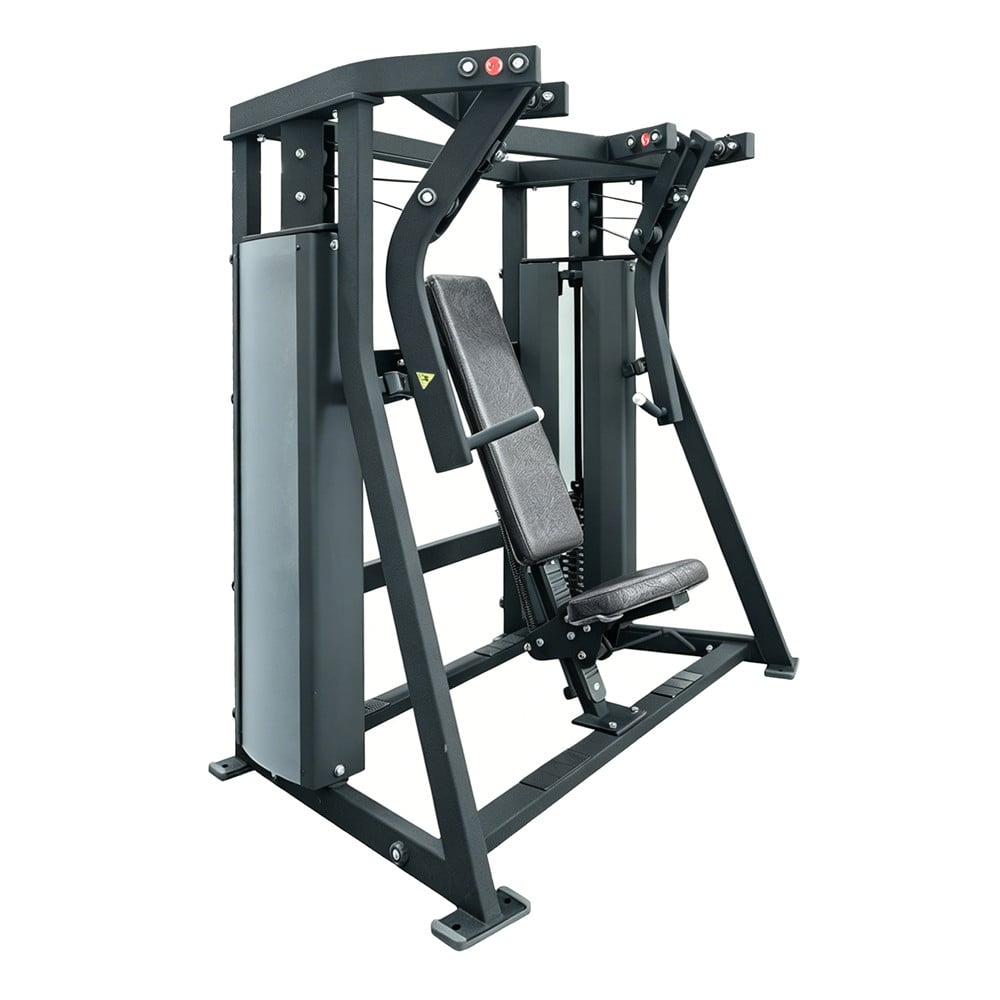
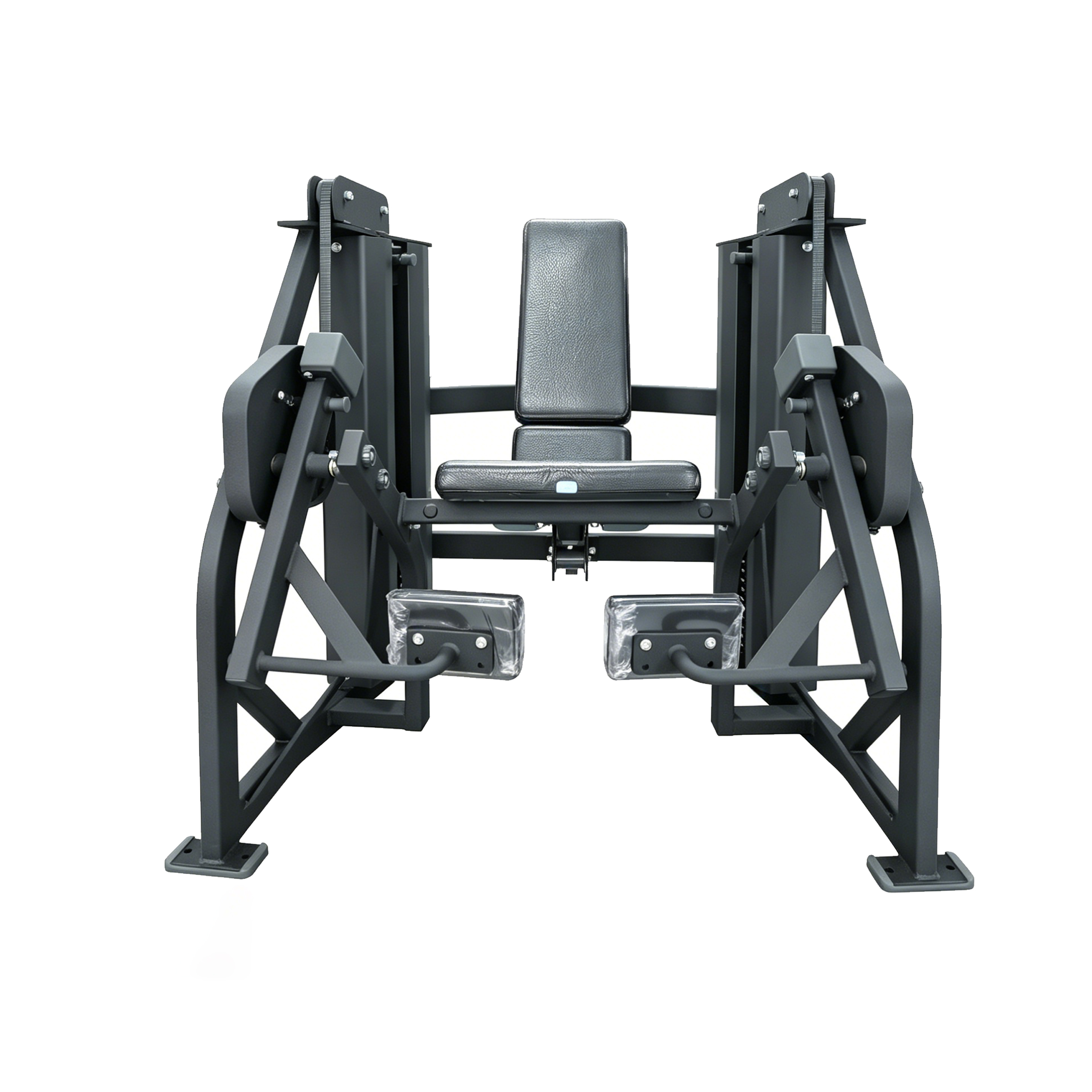
Dimensions: The machine's size affects its footprint and usability in various spaces. Ensure the dimensions fit your facility layout while providing sufficient space for users.

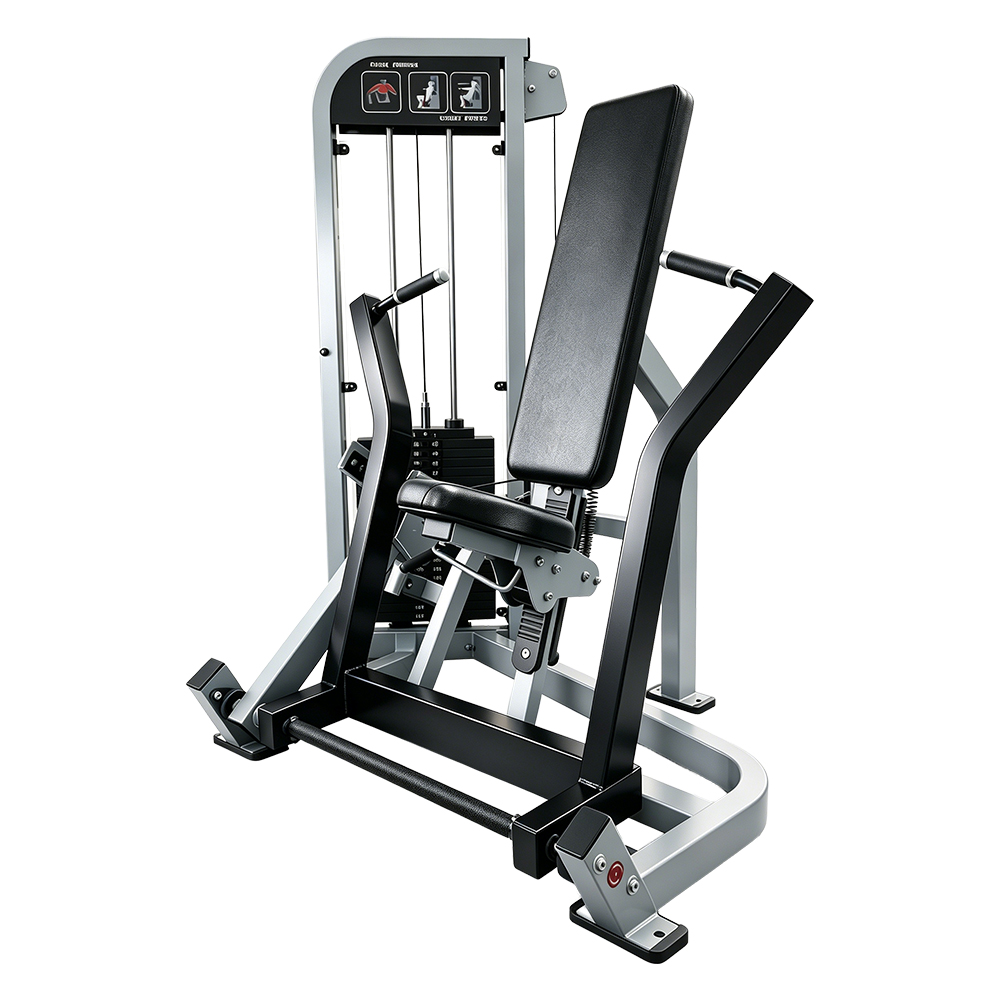
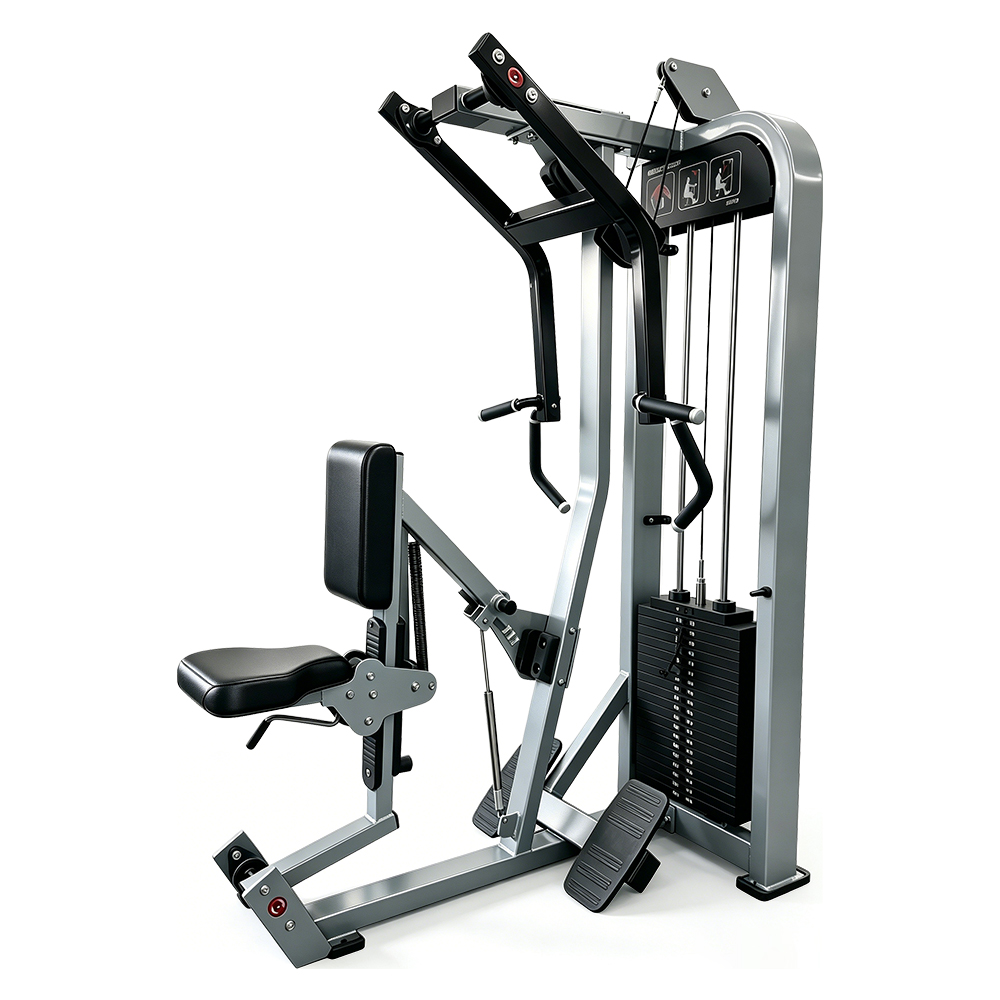
Weight Stack: A substantial weight stack is crucial for accommodating various fitness levels. Consider machines that offer adjustable weight options to cater to a wider audience.

Materials: High-quality steel construction enhances stability and longevity. Look for machines with corrosion-resistant finishes for durability, especially in commercial settings.

Adjustability: Many chest fly machines offer adjustable seat heights and arm positions, enabling diverse user body types to achieve optimal form and effectiveness.

Padding and Ergonomics: Comfortable, high-density foam padding reduces strain during workouts. Ergonomic designs minimize the risk of injury, making the machines safer for users.

Resistance Mechanism: There are various types of resistance systems, including pneumatic, hydraulic, and weighted stacks. Understanding the differences can help you choose the right one for your clientele. Additionally, incorporating equipment like the BD1005 Hip Push Trainer can enhance your offerings.

Focusing on these specifications will ensure that you select a chest fly machine that meets both your quality standards and user needs.

Get a Free Quote

Our representative will contact you soon.
0/1000