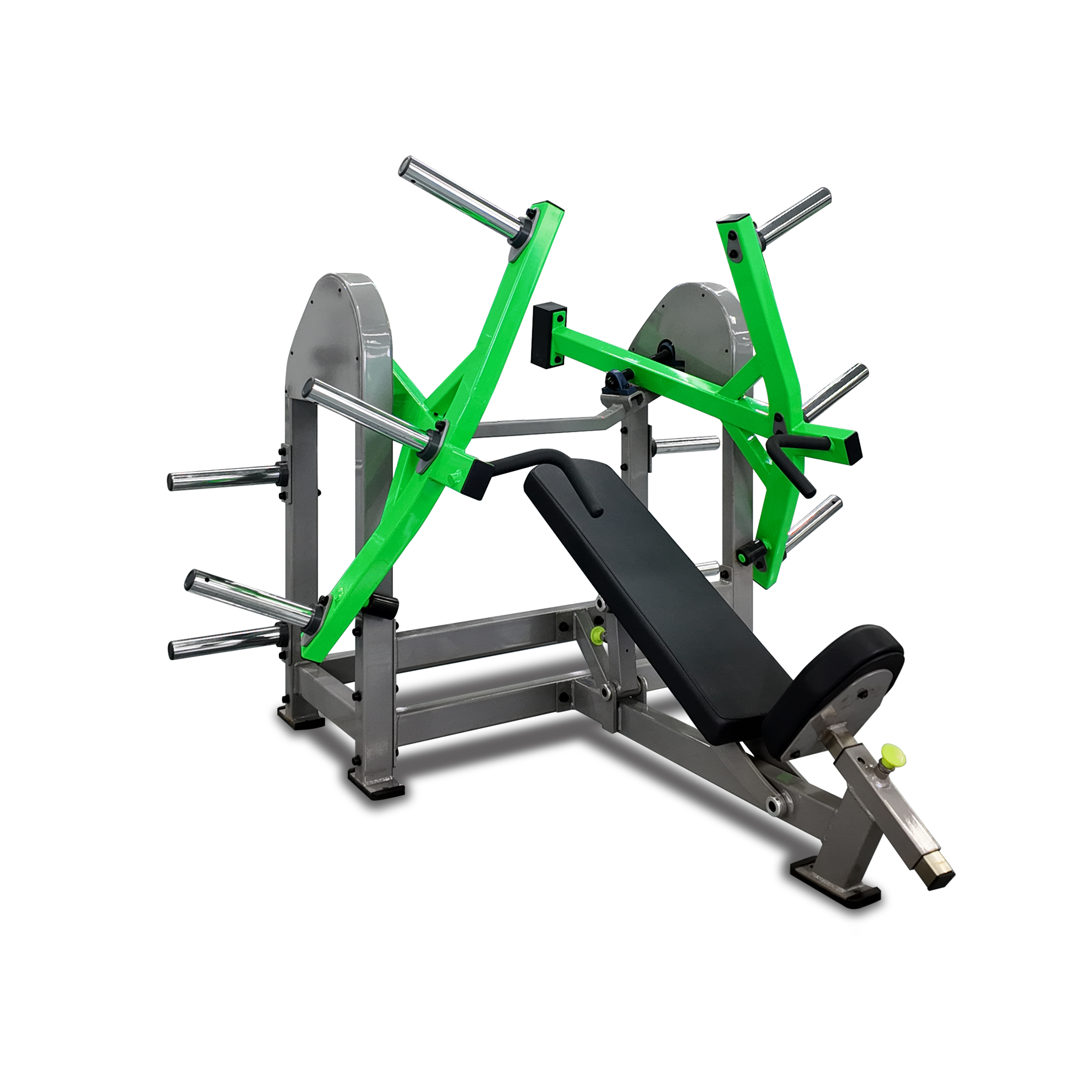
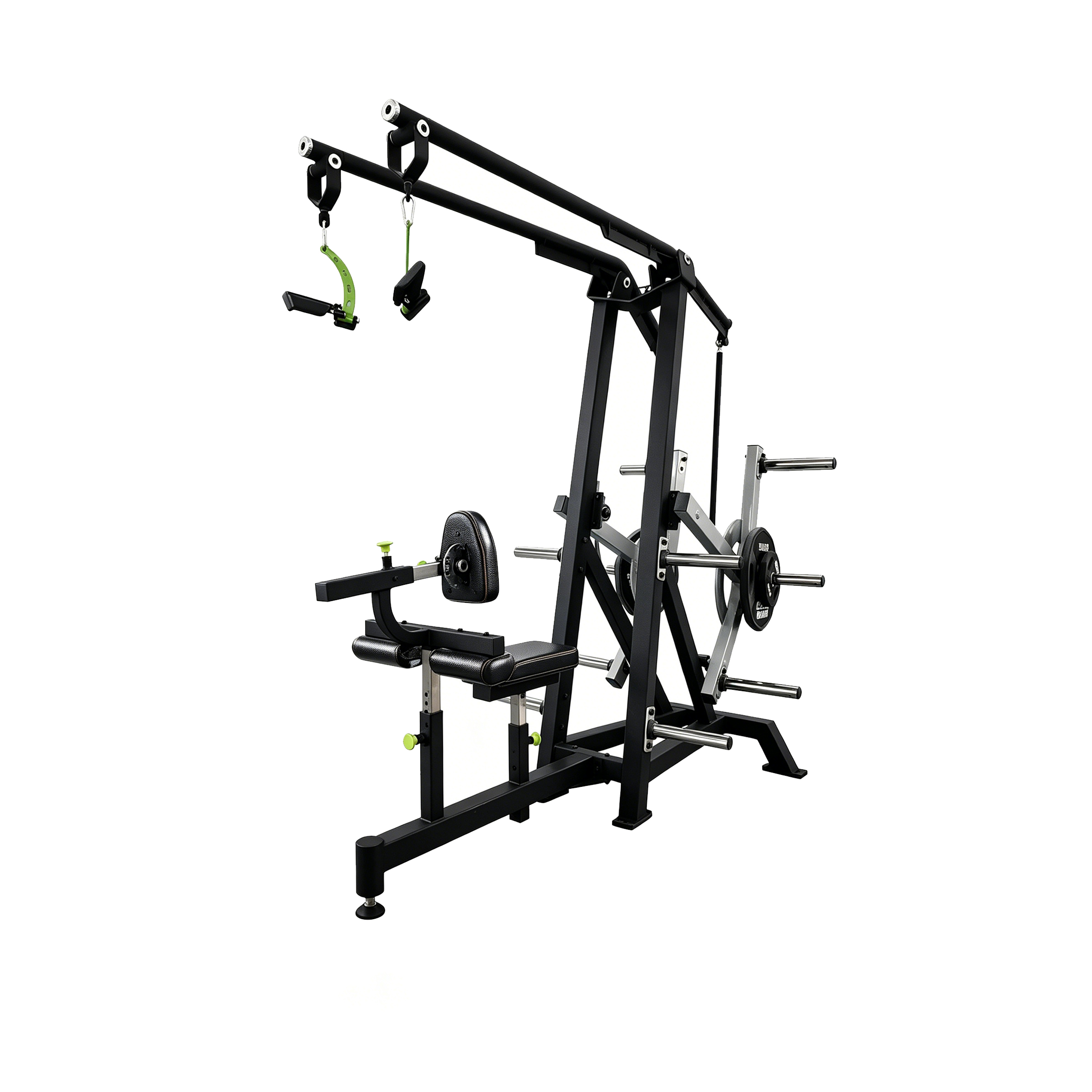
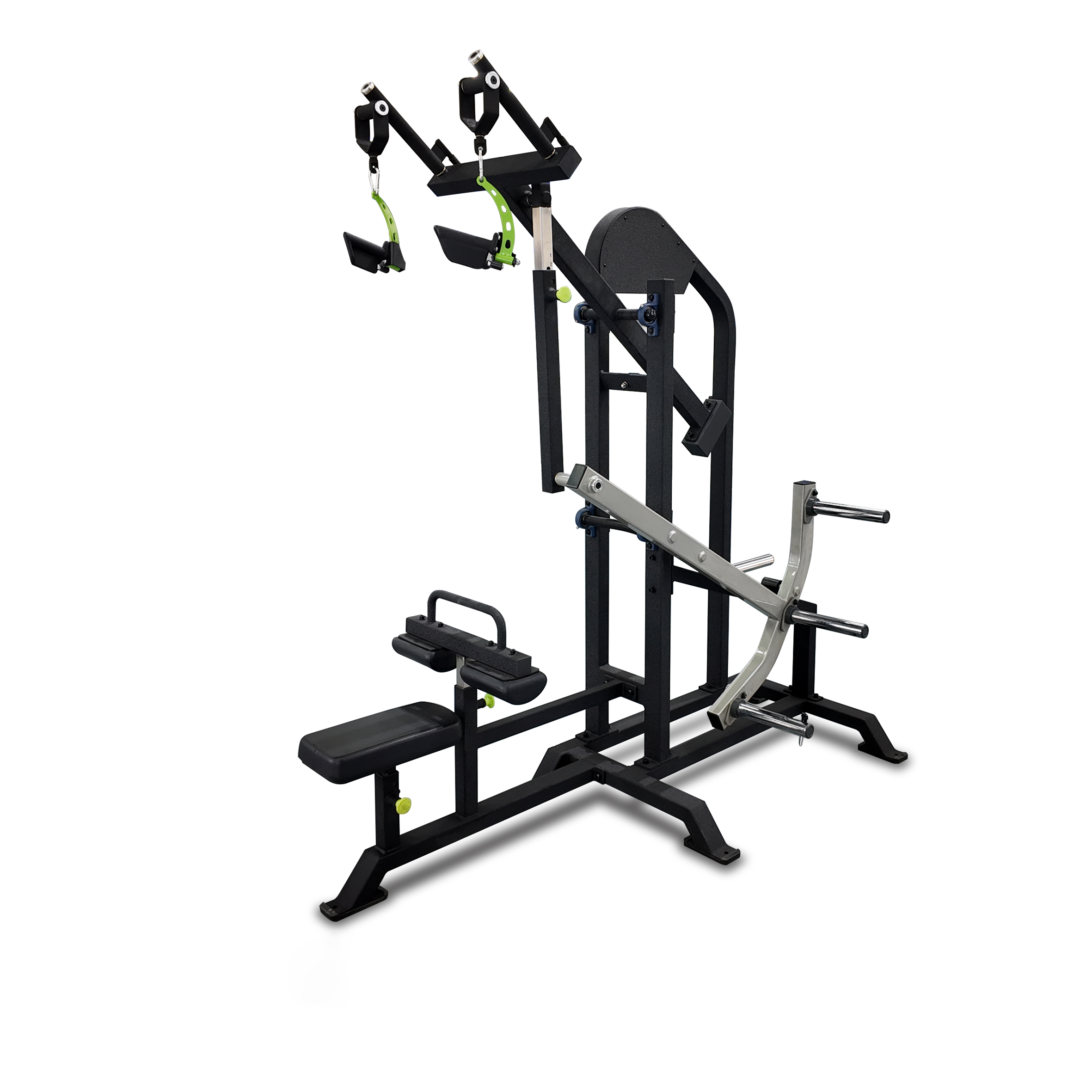
Choosing the Right Functional Trainer Machine

Kpeakfit, full-chain manufacturer with 10+ years & 90,000㎡ workshop.

Exhibit at IWF Shenzhen(H4A10) & WFF Shaoxing for global buyers.

Certified fitness gear, one-stop service for worldwide partners.

application/Functional-Trainer-Machine, application/Functional-Trainer-Machine, 
Inquiry
Inquiry

Functional Trainer Machine

Functional trainer machines are versatile fitness equipment designed for strength training and functional fitness exercises. They allow users to perform a wide range of exercises targeting different muscle groups, making them a popular choice for gyms, fitness centers, and rehabilitation facilities. As a B2B buyer in the fitness equipment sector, you may have concerns about product specifications, quality, and suitability for your specific application. This article will help you understand how to choose the right functional trainer machine for your facility, including critical specifications, common issues, material advantages, and their applications in commercial settings.

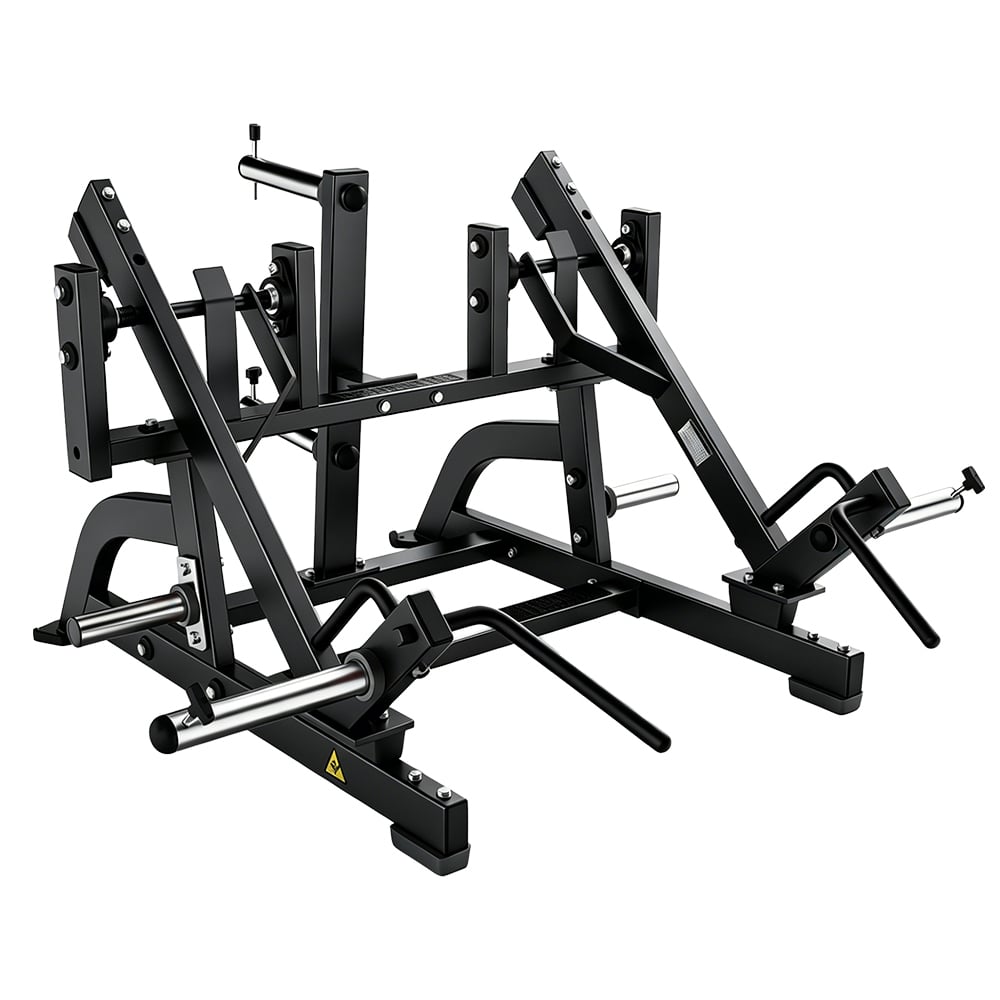
Understanding Functional Trainer Machine Specifications for Bulk Orders

Understanding Functional Trainer Machine Specifications for Bulk Orders

For bulk orders, it's essential to understand the key specifications that will affect the performance and durability of the functional trainer machines. Important specifications include:

Weight Stack Capacity: Determine the maximum weight stack based on the potential user base. A typical range is between 100 to 300 pounds.

Cable Length and Adjustability: Ensure the cables can be adjusted for a variety of exercises, allowing users to perform movements at different angles.

Frame Construction: Look for machines made from high-quality, durable materials such as steel, which can withstand rigorous use over time. Consider the Pin Loaded Series for options that emphasize robust construction.

Dimensions: Know the dimensions of the machine, including height, width, and depth, to ensure it fits in your designated space.

Warranty and Maintenance Requirements: Understand the warranty terms and what maintenance is required to keep the machine in optimal condition.

When preparing for a bulk order, provide the supplier with detailed information about your facility's needs, expected user demographics, and any customization requirements. This will ensure you receive machines that are best suited for your environment.

Common Problems with Functional Trainer Machines and Effective Solutions

Common Problems with Functional Trainer Machines and Effective Solutions

Despite their versatility, functional trainer machines can encounter issues that affect their performance. Common problems include:

Cable Wear and Tear: Over time, cables can fray or snap due to repetitive use. Regular inspections and timely replacements are crucial to maintaining safety.

Weight Stack Malfunctions: Weight stacks may become jammed or misaligned. Ensure that your staff is trained to handle minor repairs or consult the manufacturer for service options.

Stability Issues: If a machine wobbles during use, it may indicate a need for adjustment or anchoring. Regular maintenance checks should address these concerns before they become safety hazards.

User Misalignment: Educate users on proper form and technique to prevent misuse, which can lead to damage or injury.

By being proactive and implementing a maintenance schedule, you can minimize downtime and ensure that your functional trainer machines remain safe and effective for all users.

Evaluating Material Advantages in Functional Trainer Machine Design

Evaluating Material Advantages in Functional Trainer Machine Design

The materials used in the design of functional trainer machines significantly impact their performance, durability, and overall user experience. Here are key considerations:

Frame Material: Machines constructed from high-grade steel offer superior stability and longevity. Steel frames can withstand heavy use and provide a solid foundation for various exercises.

Coatings and Finishes: Powder-coated finishes can enhance resistance to scratches and corrosion, ensuring that the equipment maintains its aesthetic appeal over time.

Cable Material: High-strength cables with protective coatings can resist abrasion and improve safety. Look for cables that are designed to handle heavy loads and frequent use.

Padding and Grips: Consider machines with high-density foam padding and ergonomic grips. These features enhance user comfort and reduce the risk of injury during workouts.

When evaluating potential suppliers, inquire about the sourcing and quality of materials used in their machines. This information can help you gauge the overall quality and longevity of the functional trainer machines you are considering.

Applications of Functional Trainer Machines in Commercial Settings

Functional trainer machines are highly adaptable, making them suitable for various commercial applications. They can be used in:

Fitness Centers and Gyms: Their versatility allows for a wide range of exercises, appealing to members with diverse fitness goals.

Rehabilitation Facilities: These machines can assist in physical therapy by providing controlled resistance for patients recovering from injuries.

Corporate Wellness Programs: Companies investing in employee health can use functional trainers to promote fitness in the workplace.

Sports Training Facilities: Athletes can benefit from functional trainers by improving strength, agility, and overall performance through specific exercises. The Multifunctional Equipment can also complement training routines effectively.

By understanding these applications, you can better position functional trainer machines within your facility to maximize their usage and effectiveness. When discussing options with suppliers, emphasize the specific needs of your target audience to ensure you choose the right machines for your commercial setting.

Choosing the Right Functional Trainer Machine for Your Facility

When selecting a functional trainer machine, consider the needs of your facility and clientele. Key factors include the machine's versatility, space requirements, and user-friendliness. A functional trainer should offer multiple cable positions for various exercises, allowing users to engage in compound movements that mimic everyday activities. For instance, exploring options in Series Strength Equipment can provide additional insights into versatile machines.

Evaluate the machine's weight stack options and resistance mechanisms. Machines with adjustable weight stacks are ideal for accommodating users of different fitness levels. Additionally, consider the footprint of the machine; it should fit comfortably within your space without overcrowding. Lastly, assess the user interface—machines with clear instructions and intuitive controls can enhance the user experience, leading to higher member satisfaction.

Frequently Asked Questions

What key features does the Functional Trainer offer?

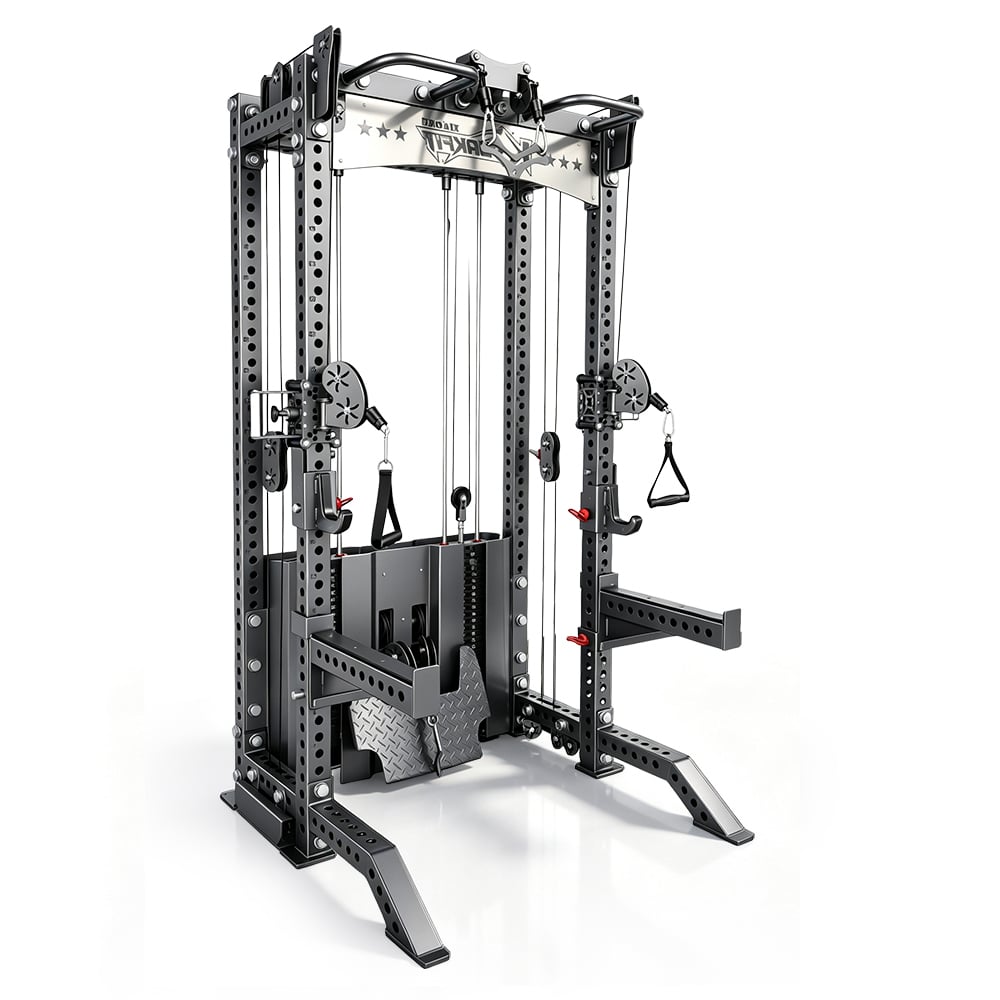
The machine provides dual adjustable pulley arms, weight stacks with smooth resistance, multiple attachment points, durable steel frame, and compact footprint for versatile strength and functional training.
Constructed from high-grade steel with precision welding, powder-coated finish, reinforced pulleys and cables, ensuring stable performance from our automated high-precision production lines.
We provide detailed assembly manuals and can offer installation support or guidance through remote assistance; on-site installation options may be available depending on order and location.
Standard warranty covers manufacturing defects for a specified period; we also offer spare parts, technical support, and service guidance to ensure long-term operation and customer satisfaction.
Yes. We offer customization in color, attachments, and branding, leveraging our R&D and production capacity to meet commercial specifications and volume requirements.

Get a Free Quote

Our representative will contact you soon.
0/1000