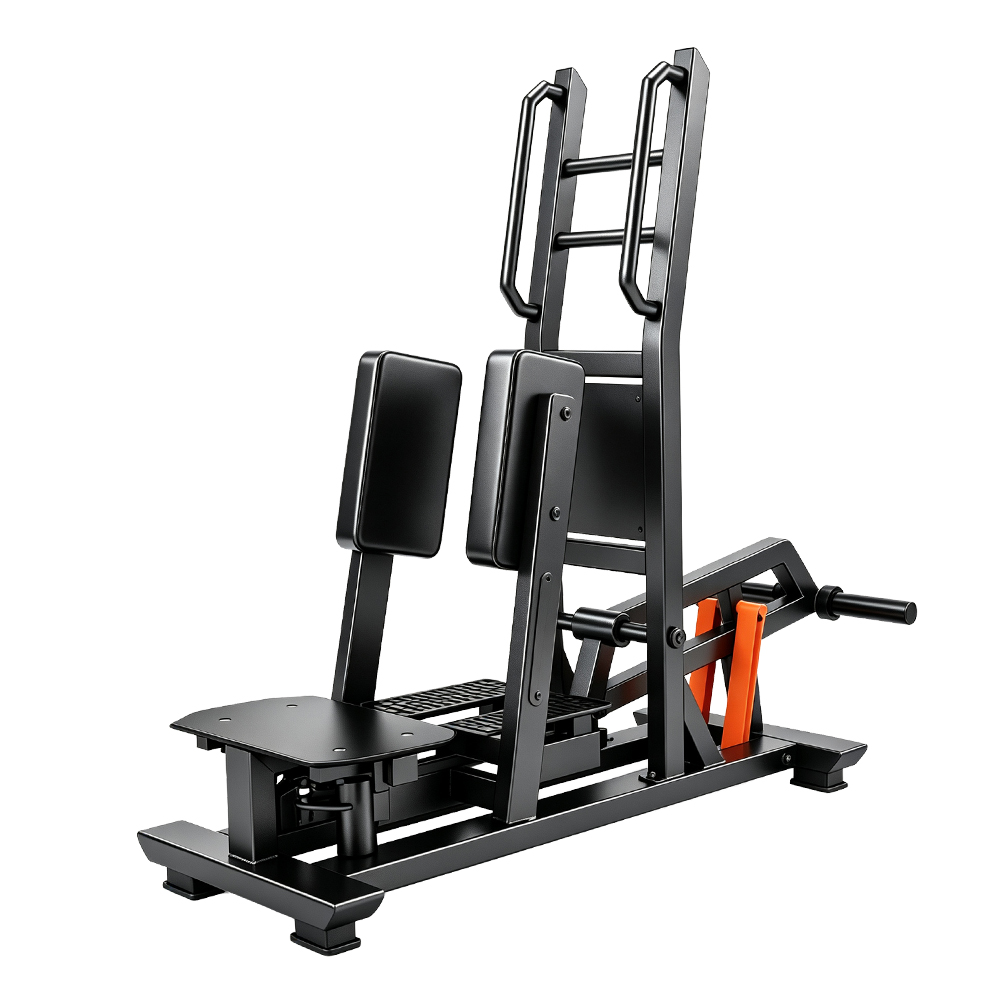
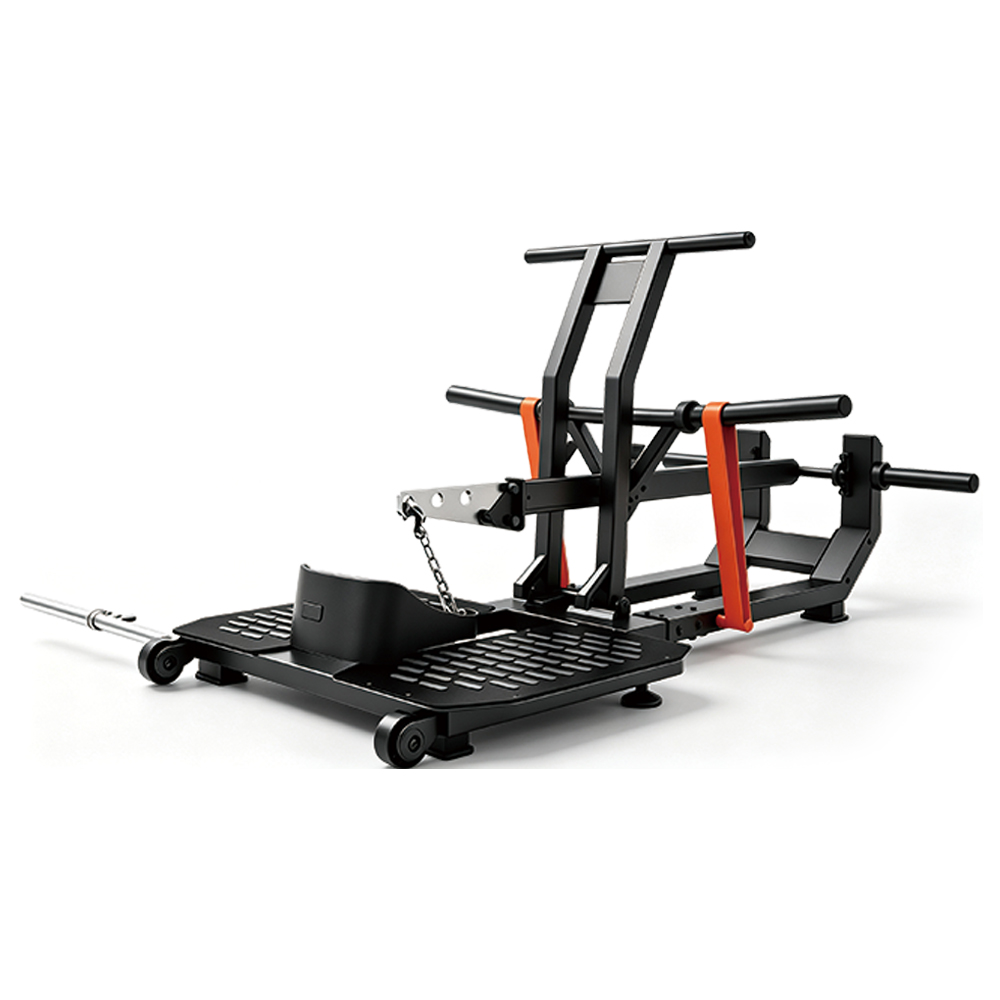
ISO Lateral Row Machine: Key Features & Applications

Kpeakfit, full-chain manufacturer with 10+ years & 90,000㎡ workshop.

Exhibit at IWF Shenzhen(H4A10) & WFF Shaoxing for global buyers.

Certified fitness gear, one-stop service for worldwide partners.

application/iso-lateral-row-machine, application/iso-lateral-row-machine, 
Inquiry
Inquiry

iso lateral row machine

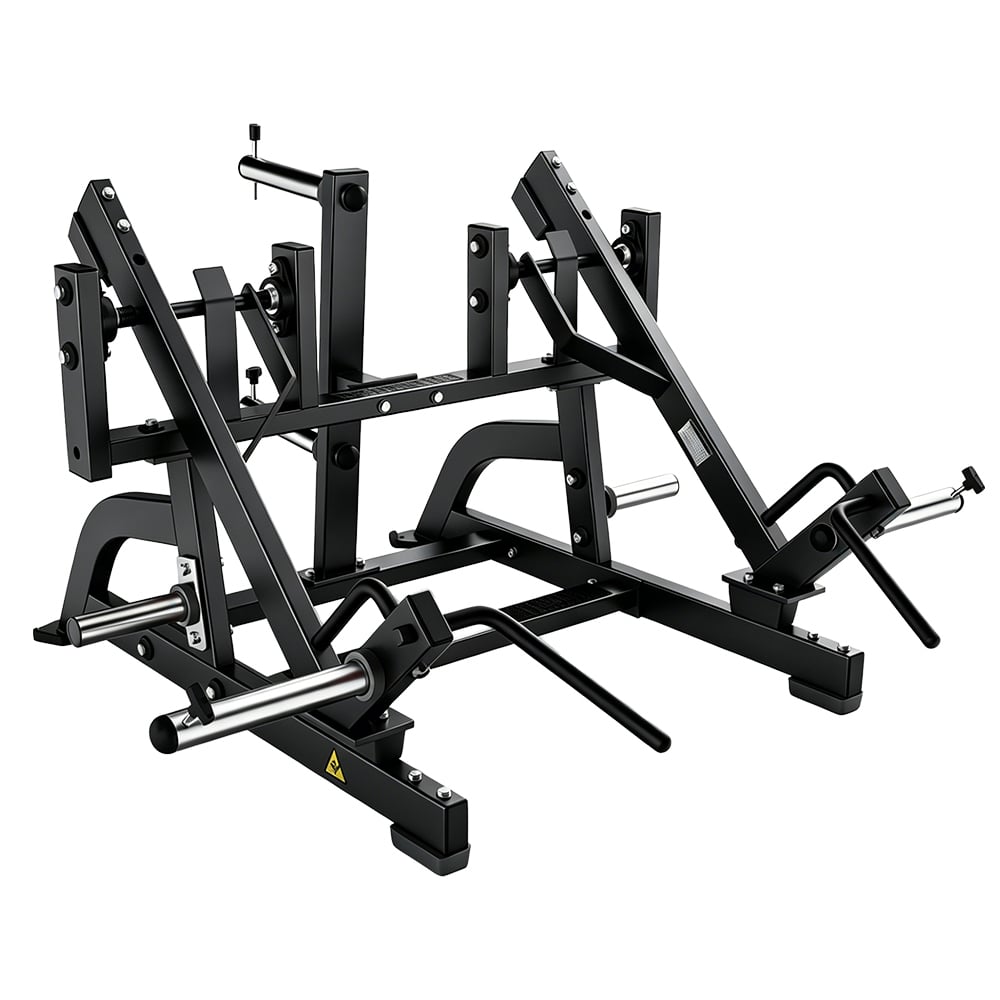
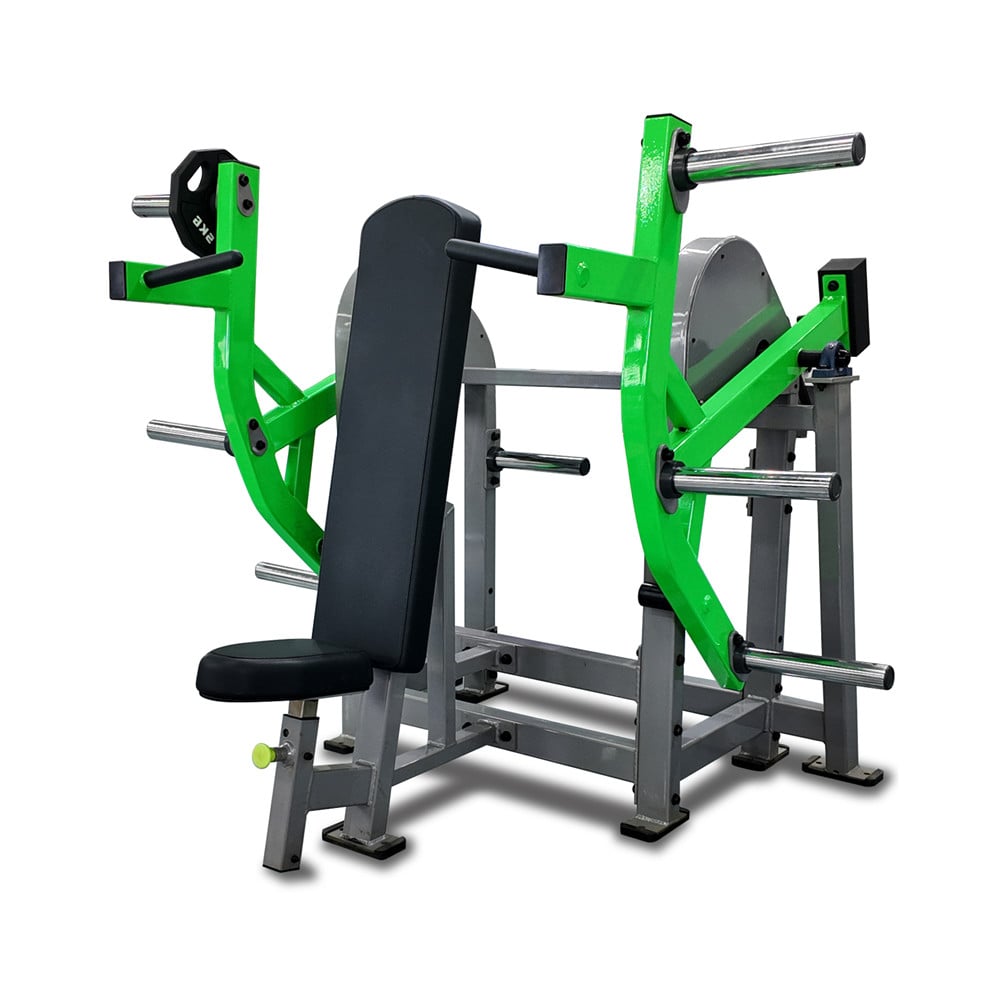
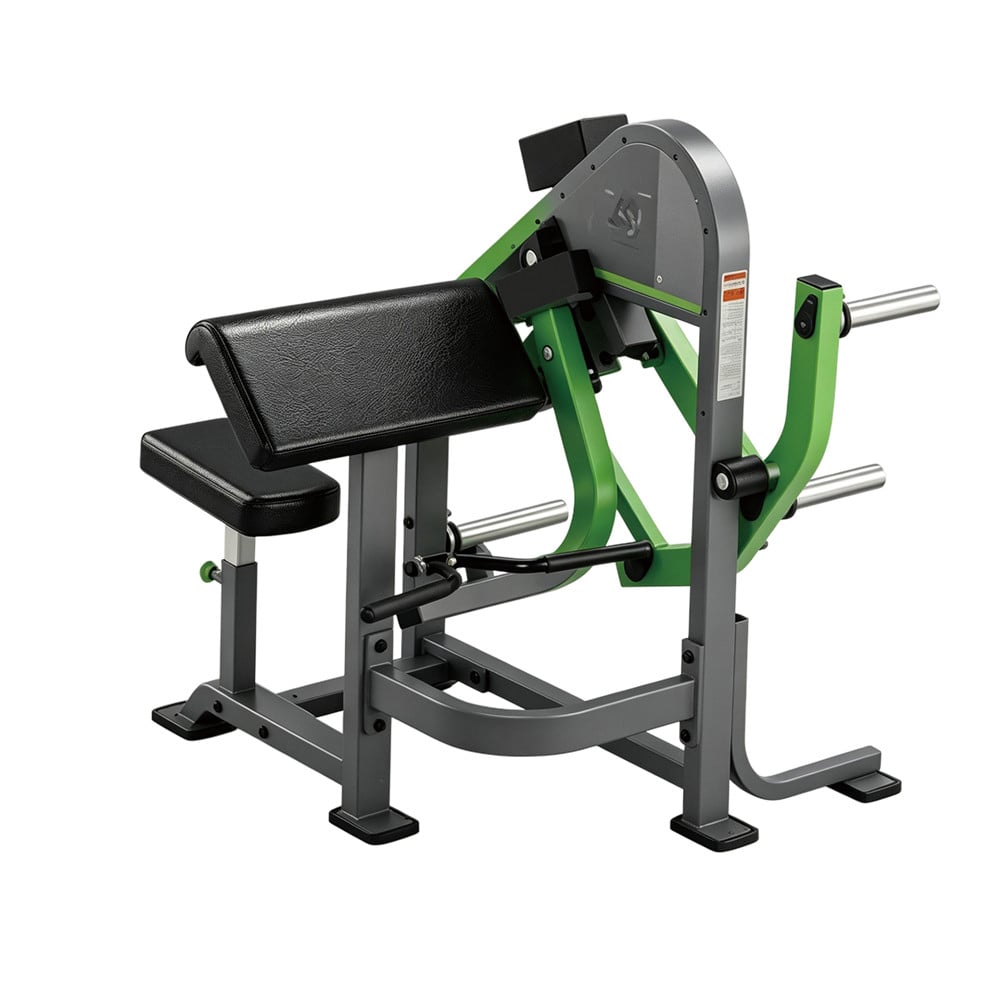
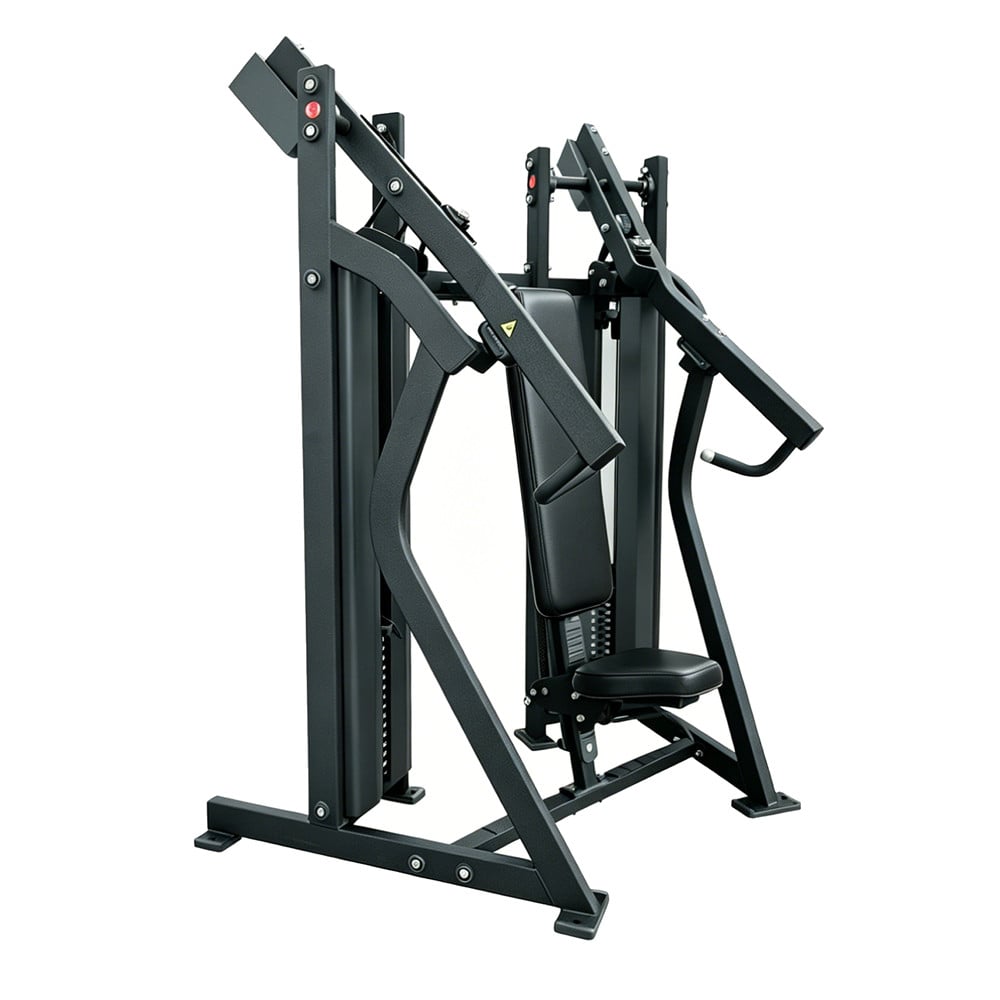
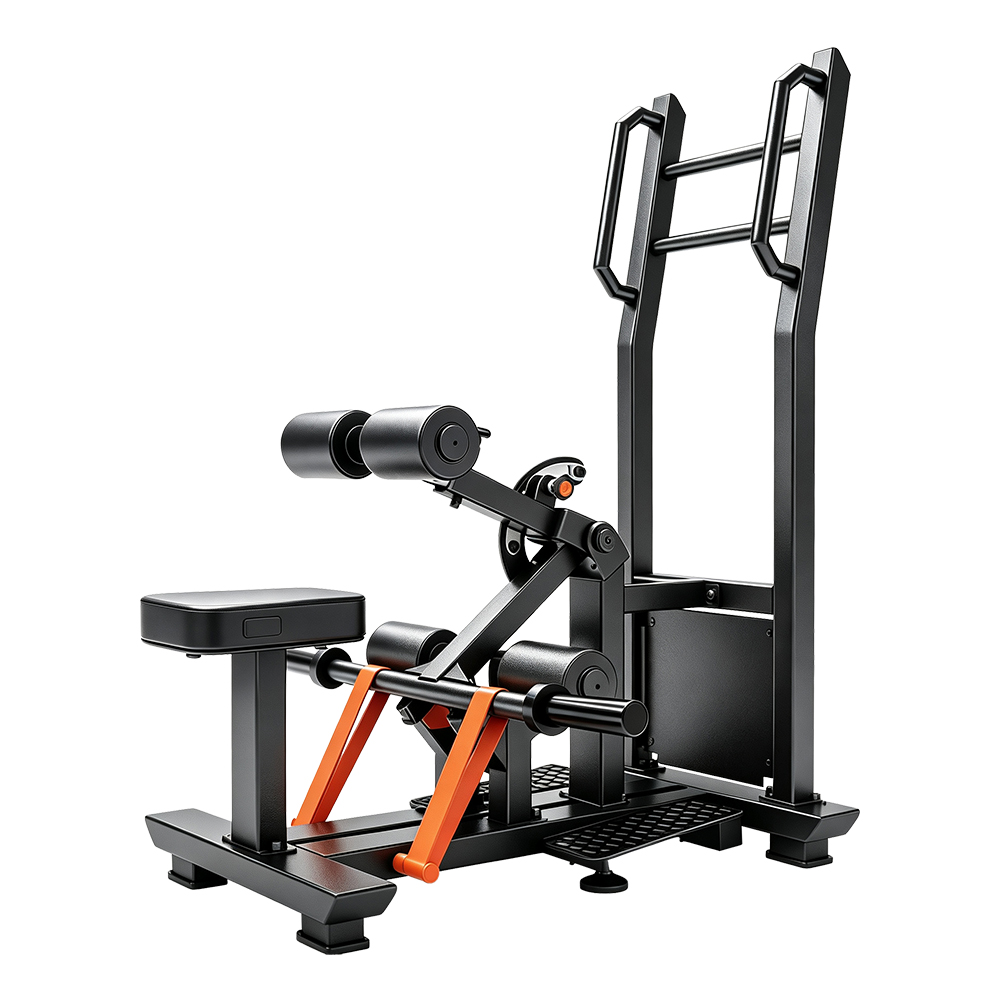
ISO lateral row machines are specialized fitness devices designed to target the upper back and shoulder muscles, enabling users to perform rowing exercises in a controlled manner. For B2B buyers like purchasing managers or gym owners, understanding the nuances of these machines is crucial for making informed purchasing decisions. This article will delve into key features to assess, pricing considerations, applications in commercial settings, wholesale purchasing tips, and how to compare different models effectively. Each section aims to provide practical insights and guidance tailored to the needs of professionals in the fitness equipment industry.

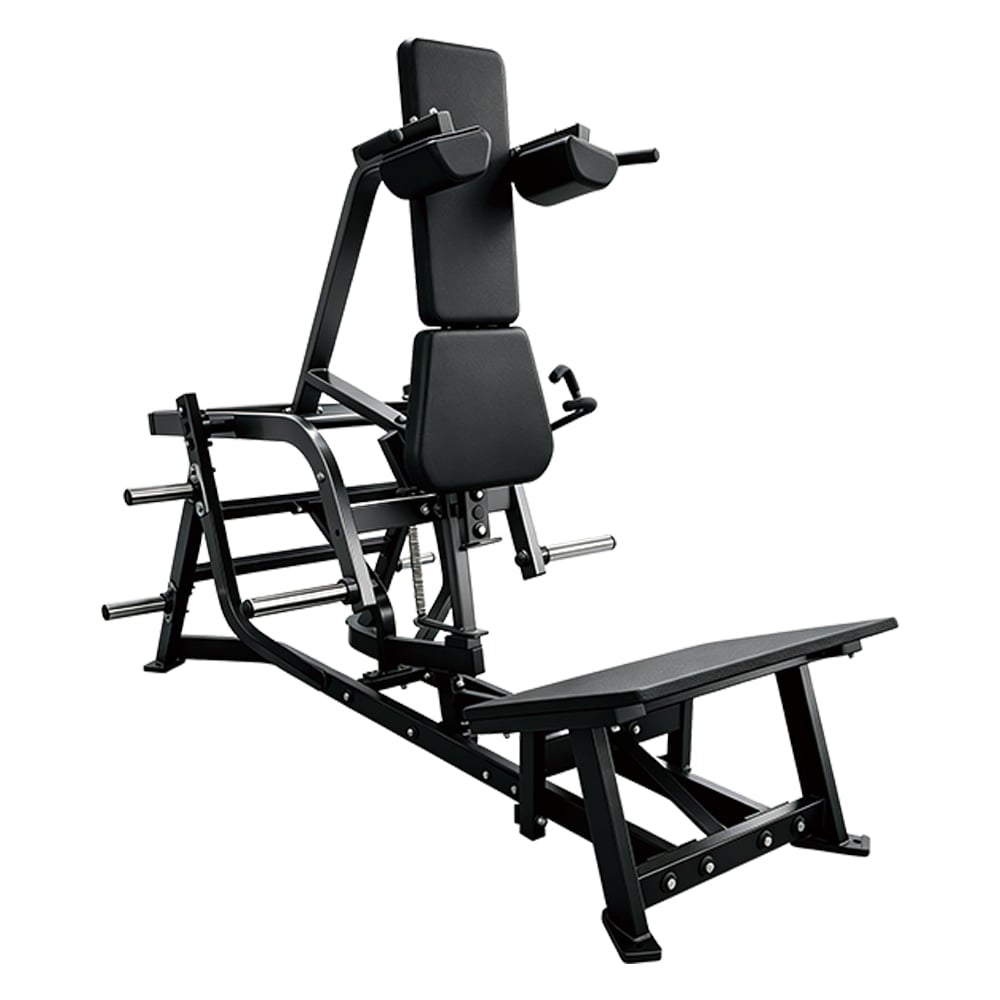
Understanding Pricing for ISO Lateral Row Machines

Understanding Pricing for ISO Lateral Row Machines

Pricing for ISO lateral row machines can vary significantly based on several factors:

Material Quality: Machines constructed with premium materials typically come at a higher price point due to their enhanced durability and aesthetic appeal.

Brand Reputation: Established brands with a proven track record in the fitness industry may command higher prices, reflecting their reliability and the support they offer.

Customization Options: If you require machines tailored to specific needs, such as custom color schemes or branding, expect additional costs.

Warranty and Service: Machines with extended warranties or exceptional after-sale service may be priced higher but can offer peace of mind and potential savings on repairs.

Bulk Purchases: Many manufacturers, including XiaoKe Fitness Technology Co., Ltd., may offer discounts on bulk orders, making it more cost-effective for gyms looking to outfit their facilities. If you're interested in a broader selection, consider exploring the Multifunctional Equipment options available.

Understanding these pricing factors can help you negotiate better with suppliers and ensure you are getting the best value for your investment.

Applications of ISO Lateral Row Machines in Commercial Fitness Settings

Applications of ISO Lateral Row Machines in Commercial Fitness Settings

ISO lateral row machines are versatile tools that find applications in various commercial fitness settings:

Commercial Gyms: These machines are essential in gyms, allowing users to strengthen their back and shoulder muscles, which is crucial for overall fitness and injury prevention. They can serve a wide range of clientele, from beginners to experienced athletes.

Physical Therapy Clinics: In rehabilitation settings, ISO lateral row machines can be utilized to help patients regain strength in their upper bodies following injuries. The controlled movement pattern is beneficial for therapeutic purposes.

Corporate Wellness Programs: Companies investing in employee wellness can include ISO lateral row machines in their fitness offerings, promoting better health and productivity among employees.

Sports Training Facilities: Athletes can benefit from training on these machines to enhance their performance, particularly in sports that require strong upper body strength and stability.

The versatility of these machines makes them a valuable addition to any facility looking to offer comprehensive fitness solutions.

Wholesale Purchasing Tips for ISO Lateral Row Machines

Wholesale Purchasing Tips for ISO Lateral Row Machines

When considering wholesale purchases of ISO lateral row machines, keep the following tips in mind:

Research Manufacturers: Look for manufacturers with a strong reputation, such as XiaoKe Fitness Technology Co., Ltd., known for integrating R&D, design, production, and sales. Their experience can be a significant factor in quality assurance.

Request Samples: Before committing to a large order, request samples to evaluate the machine's quality, design, and performance. Testing the machines can confirm they meet your standards.

Understand MOQs: Minimum Order Quantities (MOQs) can vary by manufacturer. Understanding these requirements will help you plan your purchase effectively.

Negotiate Terms: Don’t hesitate to negotiate pricing, payment terms, and delivery schedules. Manufacturers may offer flexibility, especially for bulk orders.

Evaluate Shipping Options: Consider the shipping costs and logistics involved in getting the machines to your location. Ensure that the manufacturer has reliable shipping practices.

By following these tips, you can streamline your purchasing process and ensure you obtain high-quality ISO lateral row machines that align with your business goals.

Comparing Different ISO Lateral Row Machines for Your Business Needs

When comparing different ISO lateral row machines, focus on key specifications and features that align with your business needs:

Specifications: Review the dimensions, weight capacity, and adjustability of each model. These specifications will help determine if a machine can accommodate your target clientele.

User Experience: Look for user reviews or testimonials regarding comfort and effectiveness. A machine that is well-received by users will likely enhance gym membership satisfaction.

Manufacturer Support: Consider the manufacturer’s reputation for customer service, warranty terms, and availability of replacement parts. Reliable support can minimize downtime in your facility.

Performance Characteristics: Assess the machine's performance in terms of smoothness of operation and resistance settings. Machines that provide a natural movement will be more appealing to users.

Cost of Ownership: Factor in the total cost of ownership, which includes initial purchase price, maintenance costs, and potential resale value. A more expensive machine might offer better long-term value if it requires less maintenance.

By taking the time to compare these aspects, you can make a well-informed decision that supports the success of your fitness facility.

Key Features to Assess

When evaluating ISO lateral row machines, several key features should be prioritized to ensure they meet the needs of your facility:

Adjustability: Look for machines that allow users to adjust seat height, arm positioning, and weight settings. This ensures accessibility for individuals of various sizes and fitness levels.

Construction Quality: The frame should be made from high-quality materials, such as heavy-gauge steel, to ensure durability and stability. Check for a robust design that can withstand frequent use in a commercial environment.

Weight Stack Options: Consider the range of weight options available. Machines with a wider range allow users to progressively increase resistance, catering to both novice and advanced users.

Biomechanics: Evaluate the machine's design for ergonomic considerations. Proper biomechanics reduce the risk of injury and enhance user comfort during workouts.

Footprint: Consider the space available in your facility. A compact design is beneficial for smaller gyms, while larger facilities may require machines that accommodate multiple users simultaneously. Investing in Series Strength Equipment can help provide a well-rounded offering for your clients.

These features not only contribute to user satisfaction but also affect the machine's longevity and performance in a high-demand environment.

Frequently Asked Questions

What is the iso lateral row machine used for?

The iso lateral row machine targets back muscles, especially lats, rhomboids, and rear delts, enabling isolated bilateral or unilateral rowing for strength and muscle balance.
Constructed with high-precision steel frames and durable components, manufactured in our 90,000 m² facility with automated lines to ensure stable quality and long service life.
Yes. The seat, chest pad, and handle positions are adjustable to accommodate various body sizes and to optimize range of motion for different users.
Basic assembly required; detailed manual and hardware included. Routine maintenance: check bolts, lubricate pivot points, and clean surfaces to maintain performance and longevity.
Yes. We provide OEM and customization services, including color, upholstery, and branding options, supported by our integrated RD and design teams for global markets.

Get a Free Quote

Our representative will contact you soon.
0/1000