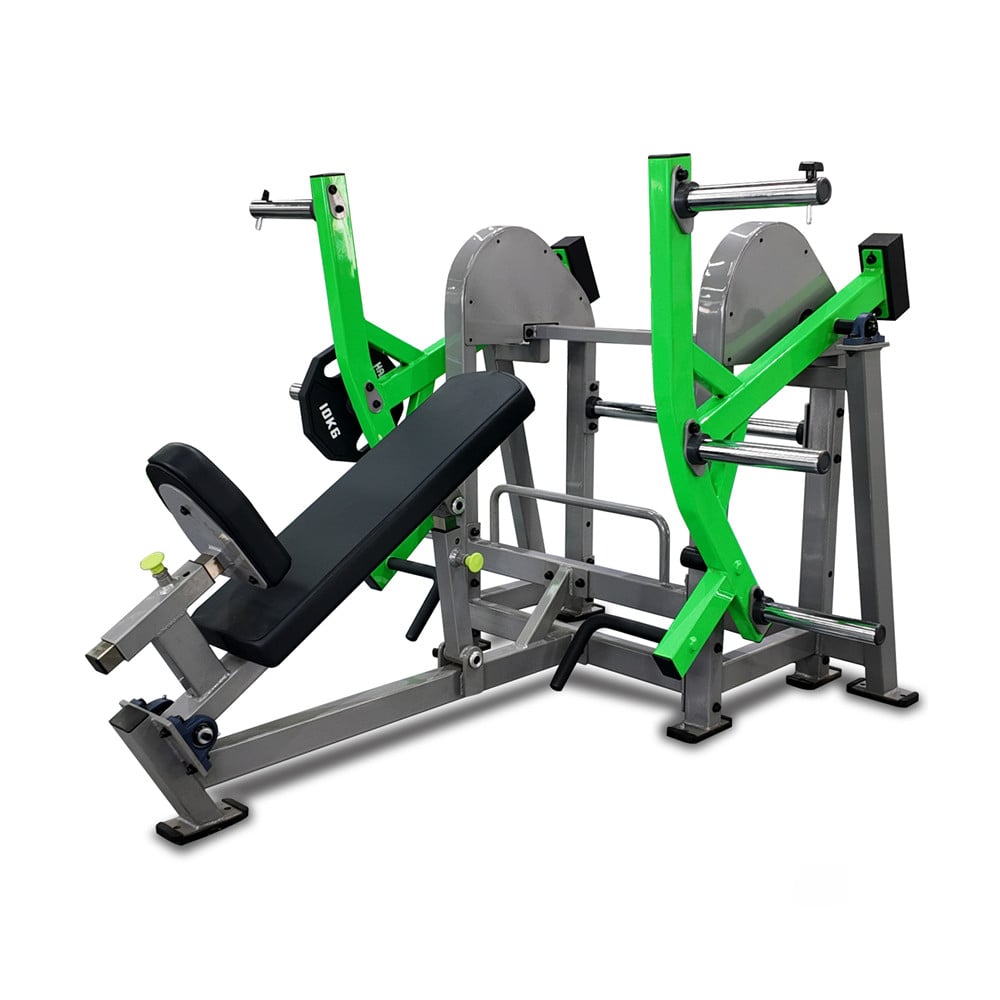
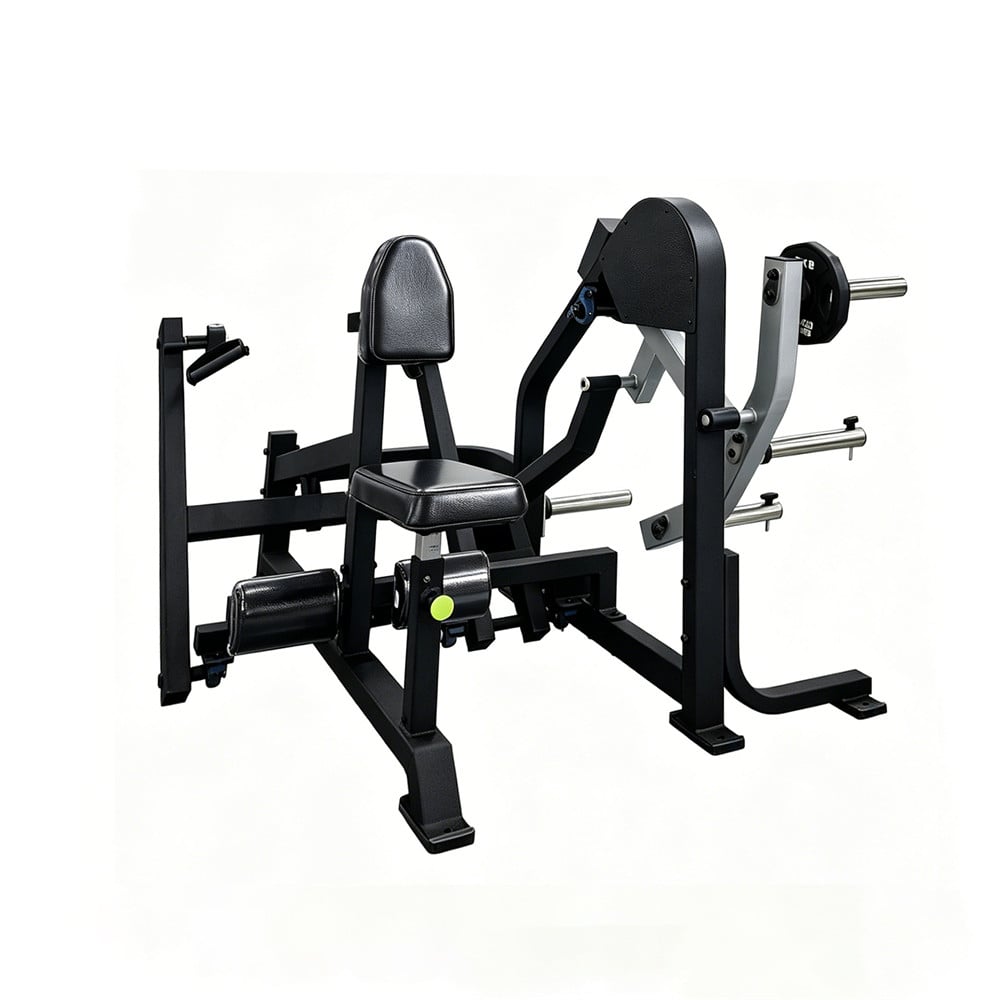
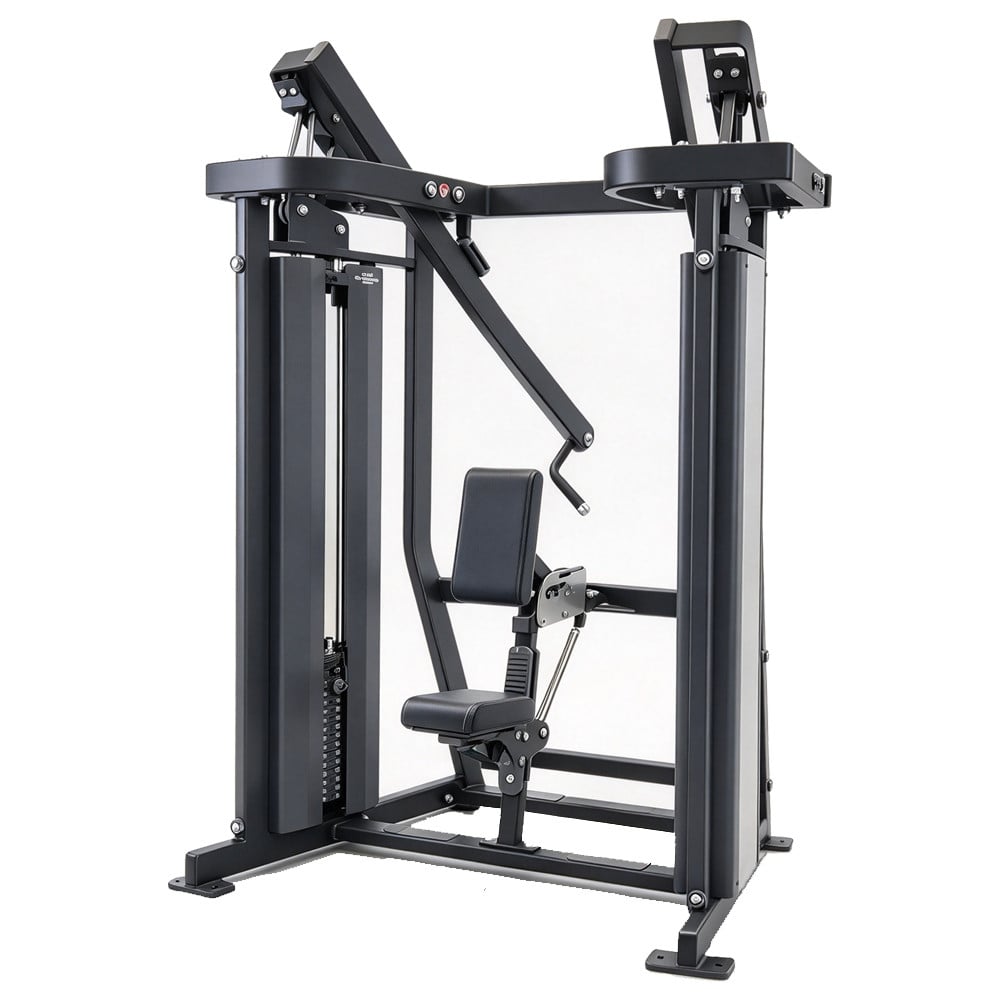
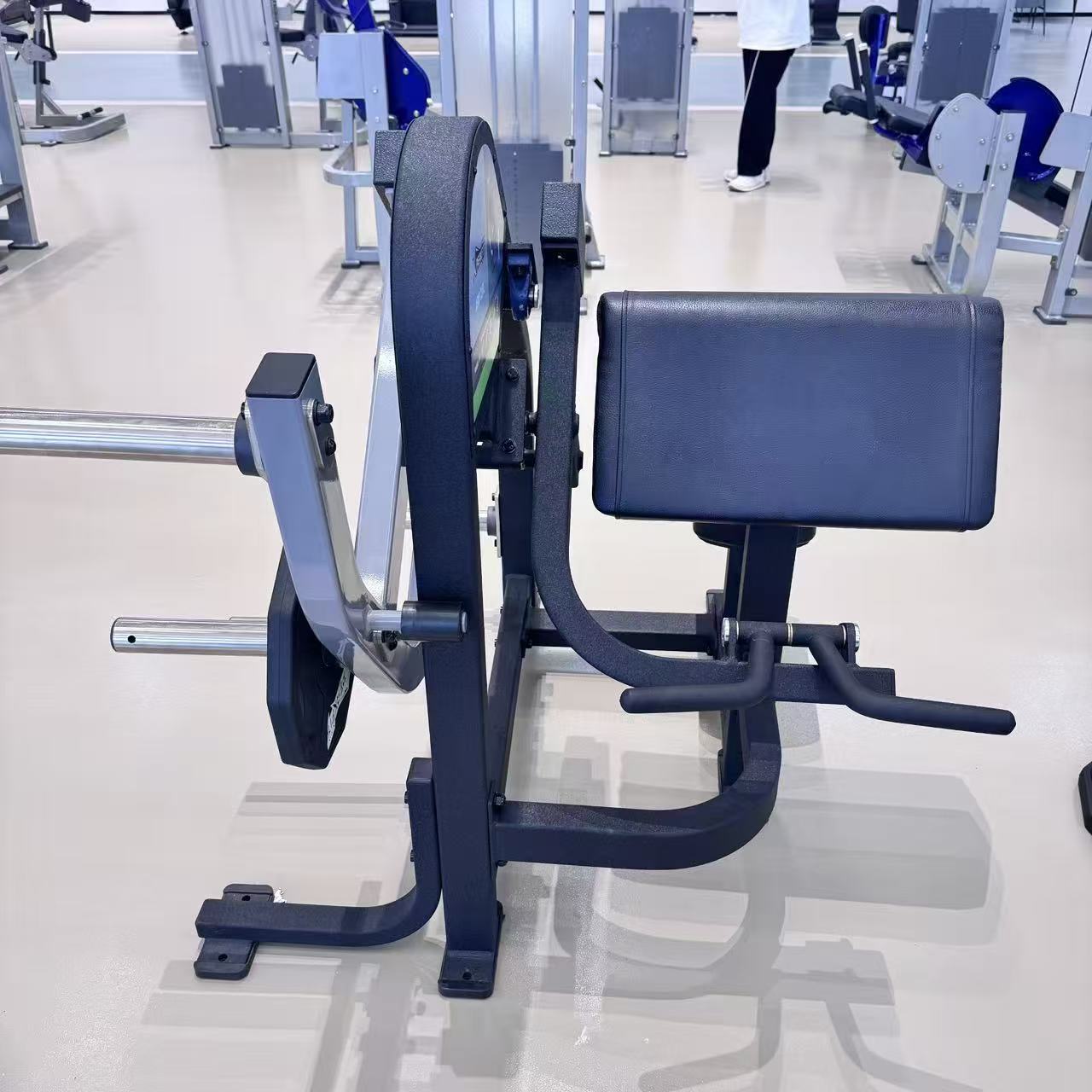
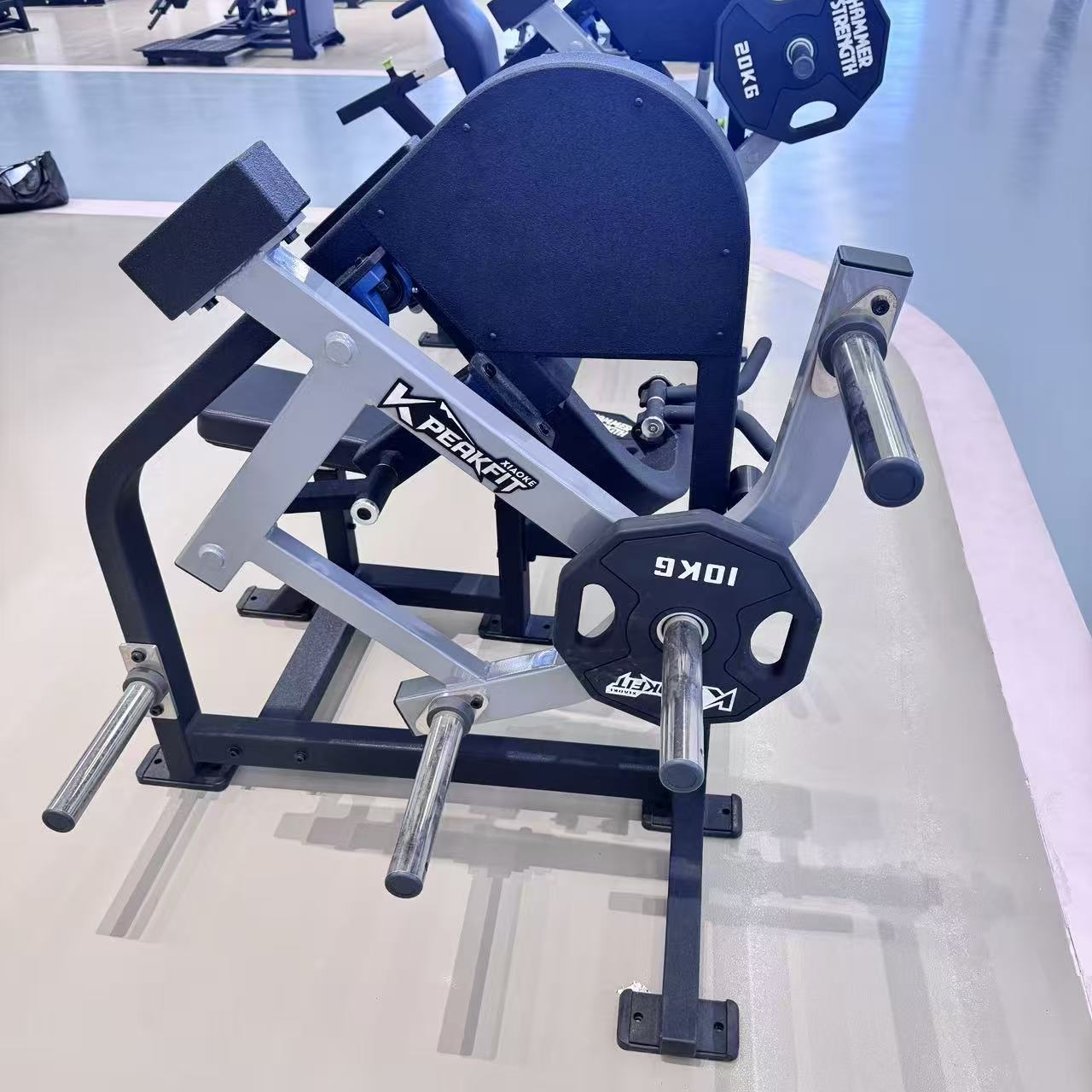
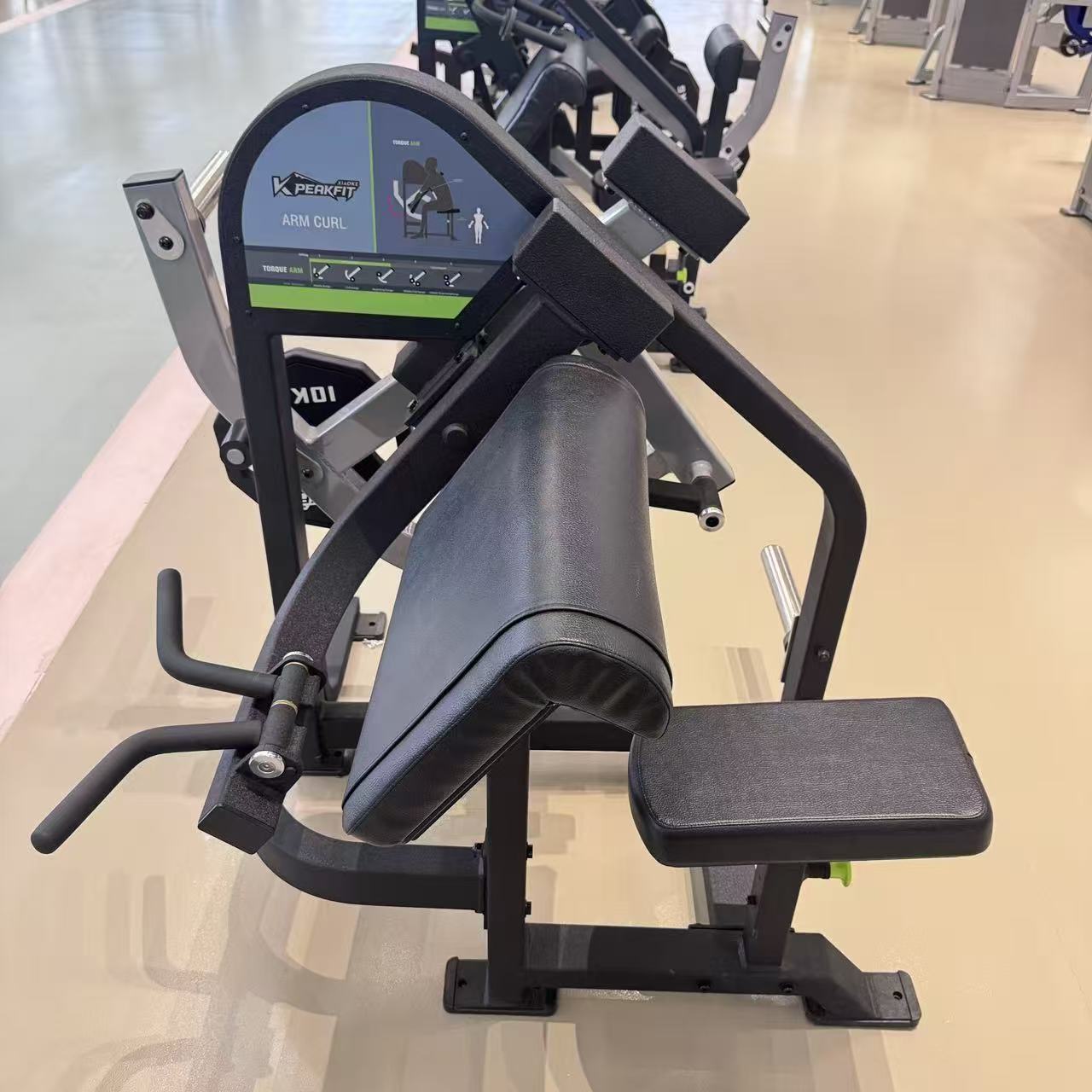
Key Features of Commercial Rowing Machines

Kpeakfit, full-chain manufacturer with 10+ years & 90,000㎡ workshop.

Exhibit at IWF Shenzhen(H4A10) & WFF Shaoxing for global buyers.

Certified fitness gear, one-stop service for worldwide partners.

application/commercial-rowing-machines, application/commercial-rowing-machines, 
Inquiry
Inquiry

commercial rowing machines

When it comes to commercial rowing machines, selecting the right equipment is crucial for fitness facilities, rehabilitation centers, and commercial gyms. These machines not only promote cardiovascular fitness but also enhance strength and endurance. Buyers need to consider various factors, including specifications, quality, installation, and potential issues when purchasing. This article aims to provide valuable insights into these areas, helping purchasing managers and facility operators make well-informed decisions.

Evaluating the Quality of Rowing Machines for Bulk Orders

Evaluating the Quality of Rowing Machines for Bulk Orders

Quality assessment is critical when ordering commercial rowing machines in bulk. Here are some considerations:

Manufacturer Reputation: Research manufacturers' reputations in the industry. Established companies like XiaoKe Fitness Technology Co., Ltd. with a strong background in fitness equipment production often provide more reliable products.

Quality Control Processes: Inquire about the manufacturer’s quality assurance measures. A robust quality control system should be in place to ensure every unit meets specified performance standards. This includes testing machines for durability and safety during production.

Certifications: Verify if the machines possess relevant certifications that demonstrate compliance with industry standards. Certifications can indicate a commitment to quality and safety.

Sample Approval: Before finalizing a bulk order, request samples for evaluation. Inspect the sample for build quality, performance, and user experience. This step is vital to confirm the machine meets your expectations before committing to a large order.

Warranty and Support: Assess the warranty offered by the manufacturer. A comprehensive warranty can help mitigate risks associated with equipment failure. Additionally, ensure the manufacturer provides adequate customer support for maintenance and troubleshooting.

By focusing on these quality factors, buyers can reduce the risk of purchasing subpar equipment and ensure long-term satisfaction.

Installation Guidance for Commercial Rowing Machines in Facilities

Installation Guidance for Commercial Rowing Machines in Facilities

Proper installation of commercial rowing machines is crucial for optimal performance and user safety. Here are key considerations for installation:

Site Assessment: Conduct a thorough assessment of the installation area to determine if it meets the space and environmental requirements for the machines. Ensure the floors are level and can support the weight of the machines.

Clearance and Access: Ensure there is sufficient clearance around each machine to allow for safe operation. This includes space for users to enter and exit the machines comfortably.

Electrical Requirements: If the machines have electronic features, verify that the installation site has access to appropriate electrical outlets. Assess any other equipment that may require electricity to avoid overload issues.

Assembly Instructions: Follow the manufacturer's assembly instructions carefully. Ensure all components are assembled correctly to avoid operational issues. Consider designating a knowledgeable technician for assembly if the process is complex.

Safety Precautions: After installation, conduct a safety check to ensure all parts are securely fastened and operational. This includes checking for any sharp edges or loose components that could pose a risk to users.

By adhering to these guidelines, facilities can ensure their rowing machines are safely and effectively installed for optimal use.

Common Problems with Rowing Machines and Effective Solutions

Common Problems with Rowing Machines and Effective Solutions

While rowing machines are generally reliable, some common issues may arise that buyers should be aware of:

Resistance Malfunction: Users may experience inconsistent resistance. This could result from a faulty resistance mechanism or improper calibration. Regular maintenance checks can help identify and resolve these issues promptly.

Display Errors: Malfunctions in the display screen can lead to inaccurate performance tracking. Ensure that the machines are regularly maintained, and replace faulty components as needed.

Seat Issues: A common problem is the seat becoming loose or uncomfortable over time. Regularly inspect the seat assembly and lubricate the sliding mechanism to ensure smooth operation.

Footrest Problems: Improperly adjusted footrests can lead to discomfort and improper rowing form. Educate users about adjusting footrests before use and regularly check for wear.

Noise Issues: Excessive noise during operation can be a sign of mechanical wear or improper lubrication. Regular maintenance, including cleaning and lubrication of moving parts, can help minimize noise levels.

Understanding these potential issues and their solutions allows facility operators to maintain their equipment effectively, ensuring a safe and enjoyable user experience.

Applications of Commercial Rowing Machines in Various Industries

Commercial rowing machines have diverse applications across several industries, enhancing fitness and rehabilitation efforts. Here are some key applications:

Fitness Centers and Gyms: Rowing machines are a staple in fitness facilities. They provide a full-body workout, appealing to users seeking cardiovascular fitness and strength training.

Physical Therapy: Rehabilitation centers utilize rowing machines for low-impact exercise that helps patients recover from injuries. The controlled resistance allows for gradual progression in strength and endurance.

Corporate Wellness Programs: Businesses increasingly invest in employee wellness programs. Rowing machines can be incorporated into office fitness spaces, promoting health and well-being among employees. Consider integrating the BM1005 Split Push Press Shoulder Trainer to enhance these programs.

Schools and Universities: Educational institutions incorporate rowing machines into their athletic programs, offering students a comprehensive workout that enhances overall fitness.

Home Gyms: With the rise of home fitness, commercial-grade rowing machines are becoming popular for personal use. They provide an effective workout solution for individuals seeking to stay fit at home.

By recognizing these applications, buyers can better understand how to position rowing machines within their facilities to maximize usage and benefits.

Understanding commercial rowing machines' specifications, quality evaluation methods, installation guidance, common issues, and applications can significantly enhance purchasing decisions. This knowledge equips buyers to make informed choices, ensuring they invest in equipment that meets their operational needs and provides a valuable experience to users.

Key Specifications to Compare in Commercial Rowing Machines

When evaluating commercial rowing machines, several specifications are essential to ensure the equipment meets your facility's needs. Key factors include:

Resistance Type: Rowing machines primarily use air, magnetic, or water resistance. Air resistance offers a dynamic rowing experience and is often preferred for commercial use, while magnetic resistance provides a quieter operation, making it suitable for environments needing lower noise levels.

Weight Capacity: Consider the maximum user weight limit. A robust design is essential for commercial settings where machines will experience heavy use. Typically, commercial rowing machines can support weights ranging from 250 to 500 pounds.

Dimensions: The size of the rowing machine matters, especially in limited space settings. Ensure you account for the machine's footprint and the space required for user operation and maintenance.

Display Features: Look for machines equipped with user-friendly displays that track essential metrics such as distance, time, stroke rate, and calories burned. Advanced models may also offer connectivity options for fitness apps.

Build Quality: The materials and construction of the rowing machine affect its durability and performance. Machines made from high-grade steel or aluminum tend to offer better longevity and stability.

Ergonomics: Features such as adjustable footrests, comfortable seat design, and handle positioning enhance user comfort and promote proper rowing technique. For enhanced ergonomics, consider incorporating the BD1001 Standing Hip Thruster into your facility's offerings.

Understanding these specifications allows buyers to compare different models effectively and select machines that align with their operational requirements.

Frequently Asked Questions

What features do your commercial rowing machines offer?

Our commercial rowing machines offer durable frames, precision resistance systems, adjustable footrests, ergonomic seats, and intuitive consoles for performance tracking, designed for high-usage gym and training environments.
Yes. Built in a 90,000 m² facility with automated lines, our machines are engineered for high stability, longevity, and consistent performance to meet commercial gym demands.
We provide manufacturer warranty and professional after-sales support including parts replacement guidance and technical assistance to ensure minimal downtime for commercial operations.
Yes. Resistance settings are adjustable and consoles can display key metrics. We support customization options to match facility requirements and training programs.
Quality is ensured through integrated R&D, precision manufacturing, and automated production lines in our large facility, with strict inspections to maintain global quality standards.

Get a Free Quote

Our representative will contact you soon.
0/1000