Wholesale Rubber Coated Weight Plates for Fitness

Kpeakfit, full-chain manufacturer with 10+ years & 90,000㎡ workshop.

Exhibit at IWF Shenzhen(H4A10) & WFF Shaoxing for global buyers.

Certified fitness gear, one-stop service for worldwide partners.

application/Rubber-Coated-Weight-Plates, application/Rubber-Coated-Weight-Plates, 
Inquiry
Inquiry

Rubber Coated Weight Plates

Rubber coated weight plates are essential fitness equipment used in various settings, from commercial gyms to private training facilities. These plates combine durability and functionality, providing a safe and effective way to perform resistance training. For B2B buyers, understanding how to choose the right rubber coated weight plates is crucial, as the selection process can significantly impact their quality and performance in commercial applications. This article will guide you through the key considerations for selecting, evaluating, sourcing, installing, and applying rubber coated weight plates effectively.

Where to Buy Rubber Coated Weight Plates in Bulk for Your Business

Where to Buy Rubber Coated Weight Plates in Bulk for Your Business

When evaluating rubber coated weight plates for resale, it's essential to conduct a thorough quality assessment. Inspect the rubber material for uniformity and consistency. Quality plates should have a smooth finish without any visible defects or air bubbles. A common issue with lower-quality plates is the rubber peeling or separating from the metal core, which can compromise safety and longevity.

Check the manufacturing process used by the supplier. A reputable manufacturer, like XiaoKe Fitness Technology Co., Ltd., will employ advanced automated lines ensuring high-precision manufacturing and consistent quality. Request certification or documentation that demonstrates adherence to relevant quality standards, which can reassure customers of the product's reliability.

Lastly, consider the weight tolerance of the plates. While most weight plates have a tolerance of ±1%, higher quality products will have tighter tolerances, ensuring that each plate weighs exactly what it claims. This is crucial for professional settings where precise weight is essential for training and competition.

Advantages of Rubber Coated Weight Plates for Fitness Applications

Advantages of Rubber Coated Weight Plates for Fitness Applications

Finding reliable suppliers for rubber coated weight plates involves research and due diligence. Start by exploring manufacturers with established reputations in the fitness equipment industry. Look for suppliers that have comprehensive capabilities, including design, production, and sales, as this indicates a more integrated approach to quality control and customer service.

You can also seek suppliers who can demonstrate experience in exporting to global markets. This experience often correlates with a better understanding of international quality standards and compliance requirements. Engaging with manufacturers like XiaoKe Fitness Technology can provide insights into their production facilities and certifications that ensure product integrity.

Networking within industry trade shows or fitness expos can also lead to valuable supplier connections. Here, you can meet representatives, inspect samples firsthand, and discuss your specific needs regarding customization, pricing, and lead times.

Common Problems with Weight Plates and Effective Solutions

Common Problems with Weight Plates and Effective Solutions

Proper installation of rubber coated weight plates is critical for ensuring safety and functionality in your facility. Begin by inspecting the weight lifting equipment, such as barbells or weight machines, to ensure compatibility. Check that the diameter of the weight plates aligns with the equipment specifications to avoid any fitting issues.

When installing the plates, ensure that they are securely fastened to the barbell. Use spring clips or locking collars to prevent plates from sliding during use. This is especially important in commercial settings where multiple users may be adjusting weights frequently.

Regular maintenance checks should be scheduled to inspect the condition of the plates and the equipment. Look for signs of wear on the rubber coating or any deformation in shape, as these can affect performance and safety. Establishing a routine for maintenance can help prolong the lifespan of both the plates and the equipment they are used with.

Materials and Manufacturing Quality

Rubber coated weight plates are versatile and can be utilized in various commercial settings, including gyms, rehabilitation centers, and personal training studios. Their design minimizes noise and protects flooring, making them ideal for environments with multiple users.

In gyms, these plates are often used for strength training routines, allowing users to perform exercises such as squats, deadlifts, and bench presses. The rubber coating also reduces the risk of damage to the weights themselves and the gym floor, which can be a significant concern in high-traffic areas.

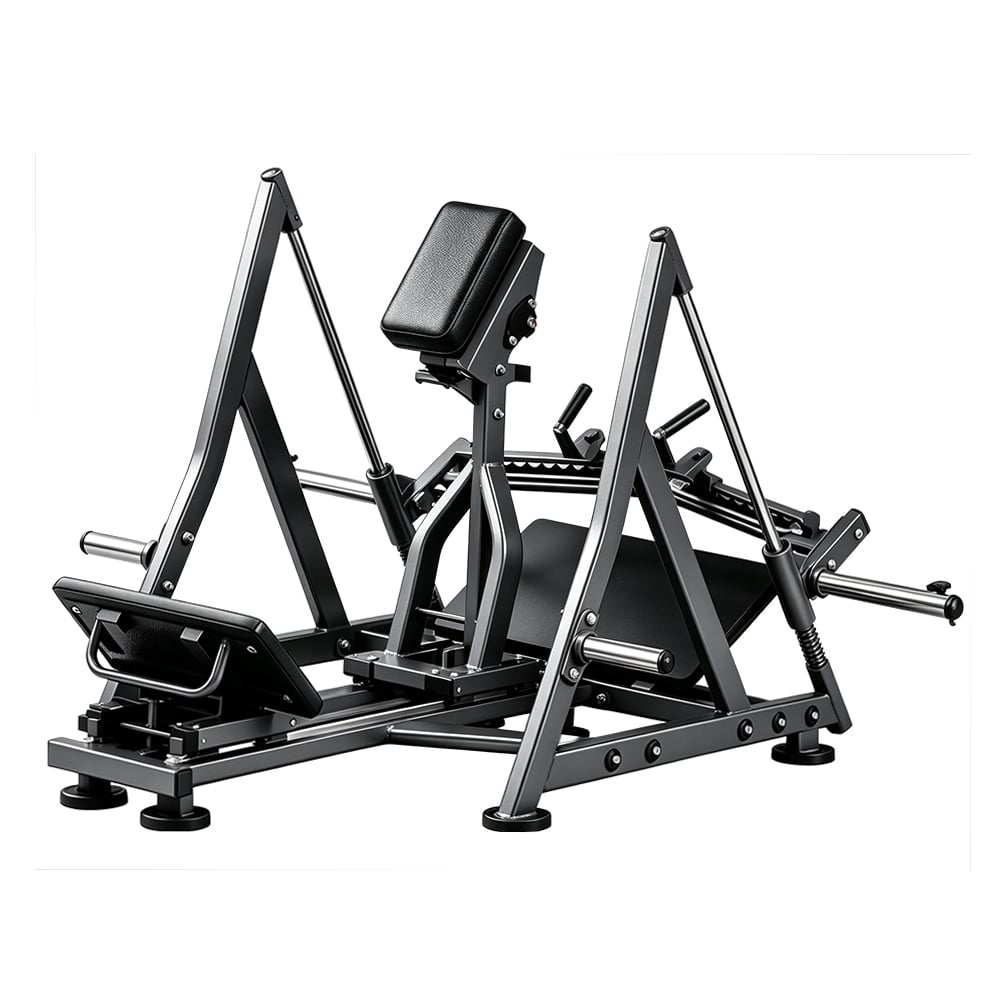
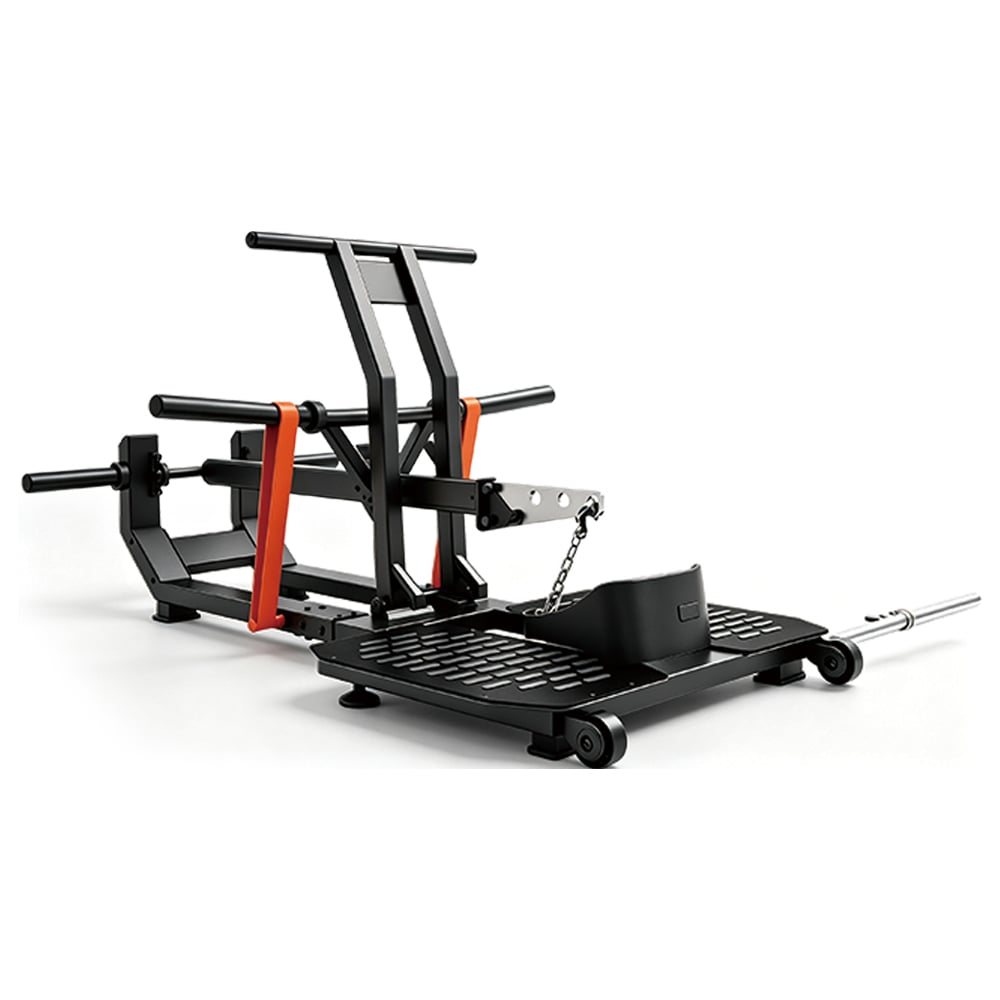
In rehabilitation settings, lighter rubber coated weight plates are commonly used for physical therapy exercises. Their durability and ease of handling make them suitable for patients recovering from injuries, where safety and control are paramount. Additionally, incorporating equipment like the BD1004 Hack Squat Trainer can enhance rehabilitation efforts.

Overall, the application of rubber coated weight plates is broad, and understanding the specific needs of your target market can guide your purchasing and stocking decisions. By focusing on quality, compatibility, and versatility, you can ensure that your facility is well-equipped to meet the demands of diverse users.

What to Consider When Sourcing Rubber Coated Weight Plates Wholesale

Selecting the right rubber coated weight plates involves several critical factors. First, consider the weight increments you need. Common weights range from 2.5 kg to 25 kg, but you may require custom sizes based on your clientele or facility requirements. The dimensions of the plates also matter; standard Olympic plates typically have a 450 mm diameter and a 50 mm center hole, making them compatible with Olympic bars.

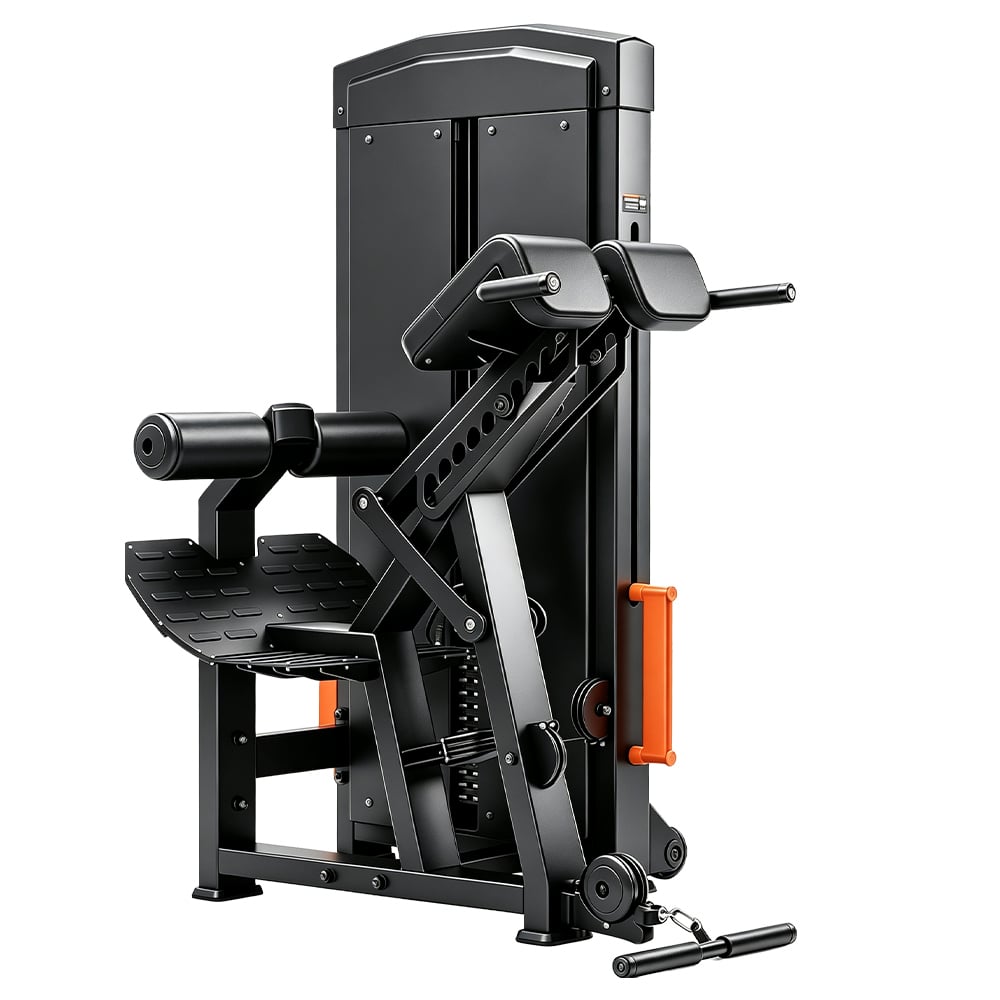
Next, evaluate the rubber coating quality. High-quality rubber provides better shock absorption, reducing the noise and impact when plates are dropped. Look for plates that feature a solid steel core, which enhances durability and prevents cracking or bending. Additionally, consider the finish of the plates. A textured surface can improve grip and handling, which is especially important in busy gym environments. For those interested in enhancing their gym equipment, options like the BD1005 Hip Push Trainer can complement your weight plates.

If customization is important, verify that the manufacturer can provide personalized branding or specific color coding for different weight levels. This can enhance your facility's professional appearance and make it easier for users to identify the correct weights.

Frequently Asked Questions

What materials are used in Rubber Coated Weight Plates?

Our plates feature high-grade steel cores with durable rubber coating for impact protection, noise reduction, and corrosion resistance, ensuring long service life and consistent performance.
We offer standard weight increments including 1.25kg, 2.5kg, 5kg, 10kg, 15kg, 20kg, and 25kg, compatible with Olympic and standard bars depending on model.
Yes, our Olympic-spec plates have a 50mm center hole to fit Olympic barbells. We also provide standard-bore options on request for different bar sizes.
We use automated production lines in a 90,000 m² facility with strict QC protocols, precision machining, and final inspections to maintain reliable quality for global markets.
We offer manufacturer warranty and responsive after-sales support, including assistance with defects, replacements, and technical guidance. Contact our sales team for specific warranty terms.

Get a Free Quote

Our representative will contact you soon.
0/1000