Choosing the Right Rear Delt Machine for Fitness

Kpeakfit, full-chain manufacturer with 10+ years & 90,000㎡ workshop.

Exhibit at IWF Shenzhen(H4A10) & WFF Shaoxing for global buyers.

Certified fitness gear, one-stop service for worldwide partners.

application/Rear-Delt-Machine, application/Rear-Delt-Machine, 
Inquiry
Inquiry

Rear Delt Machine

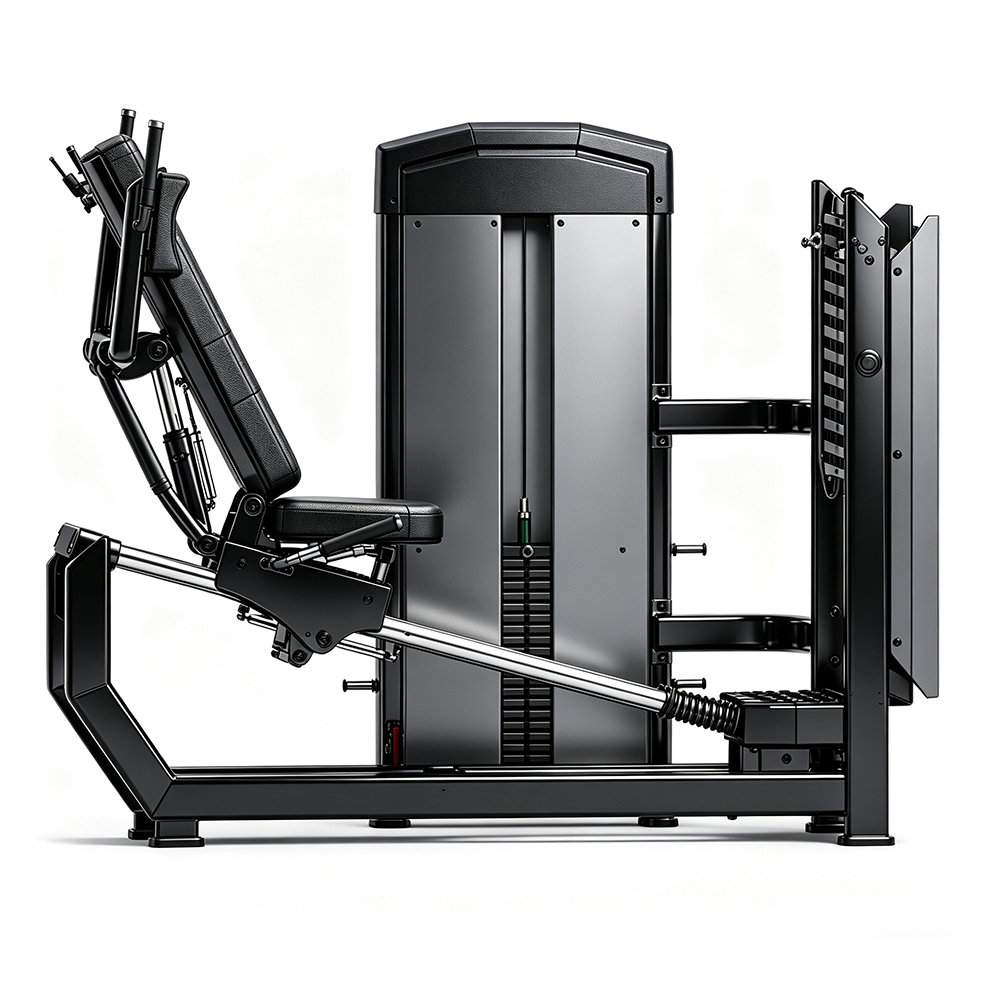
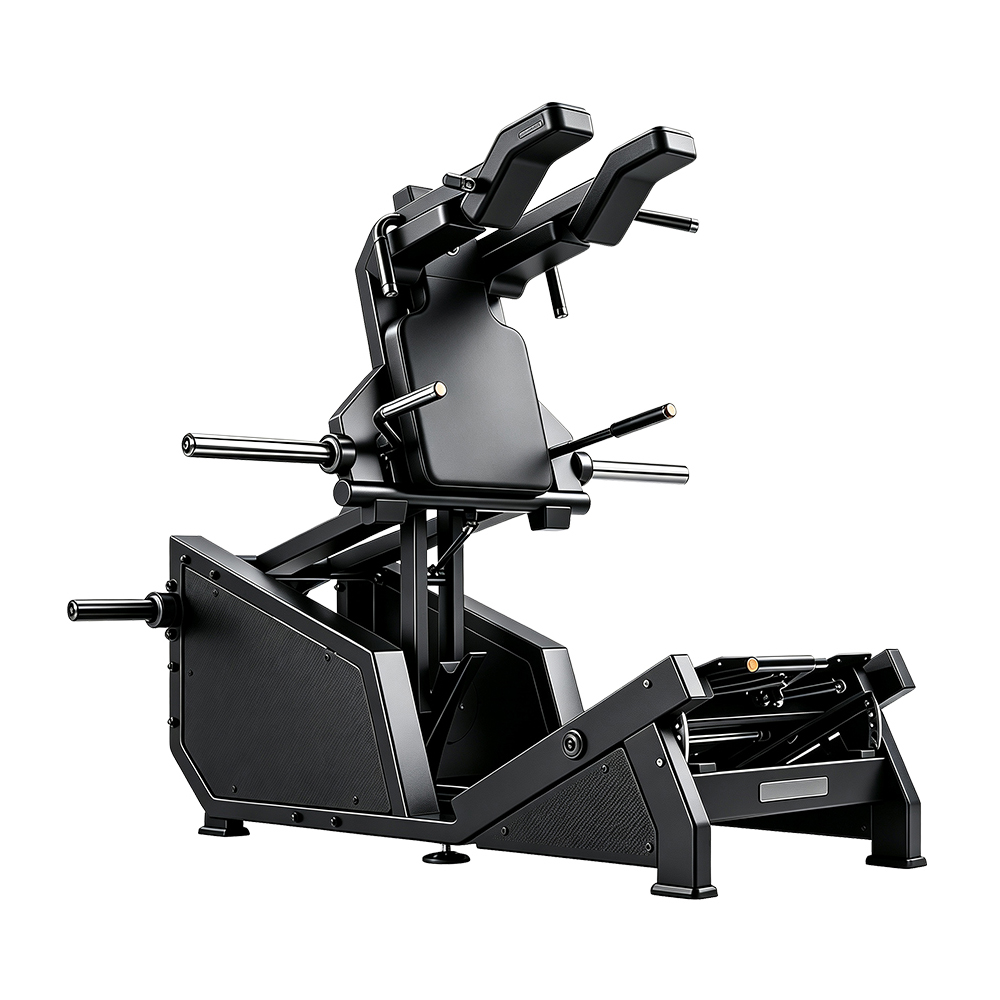
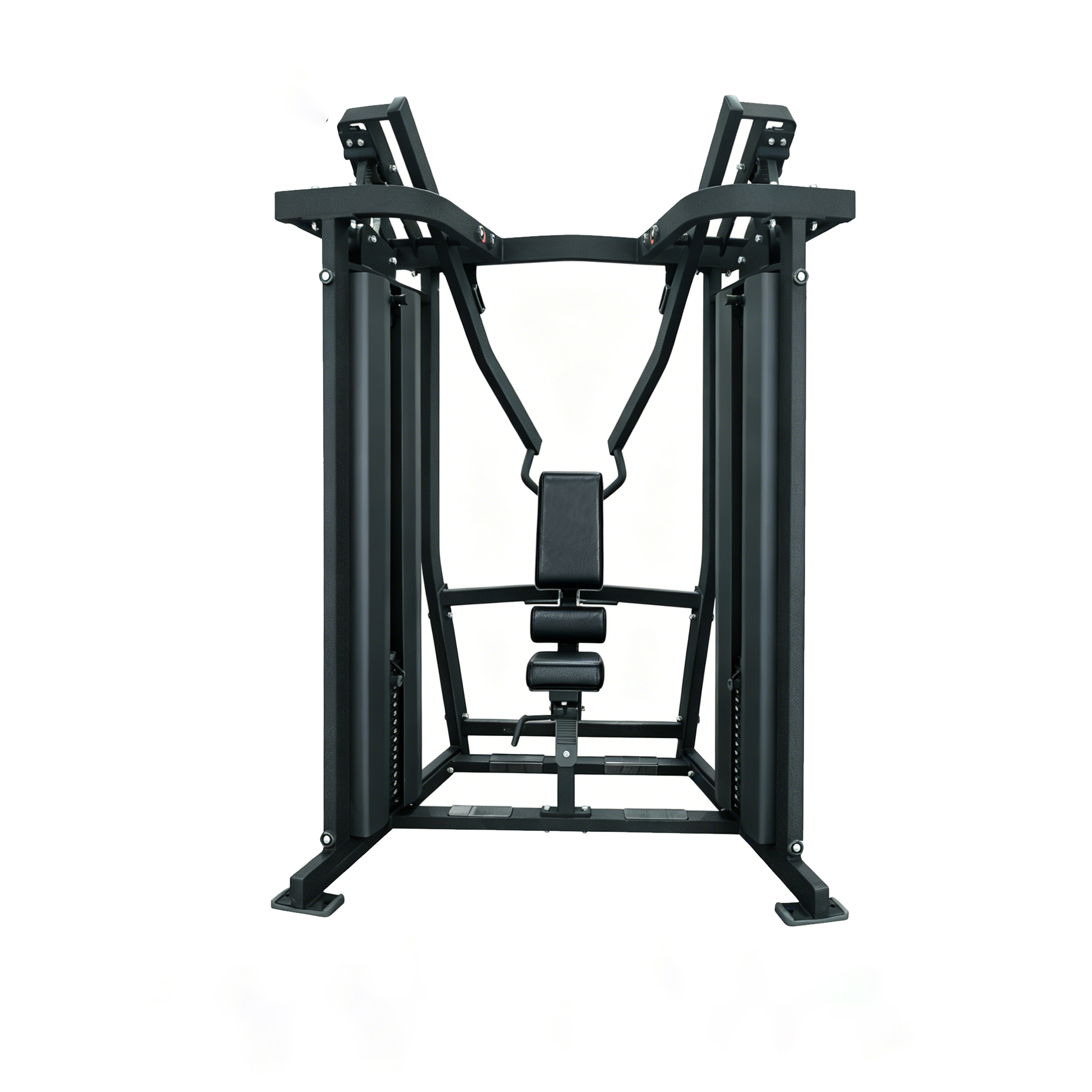
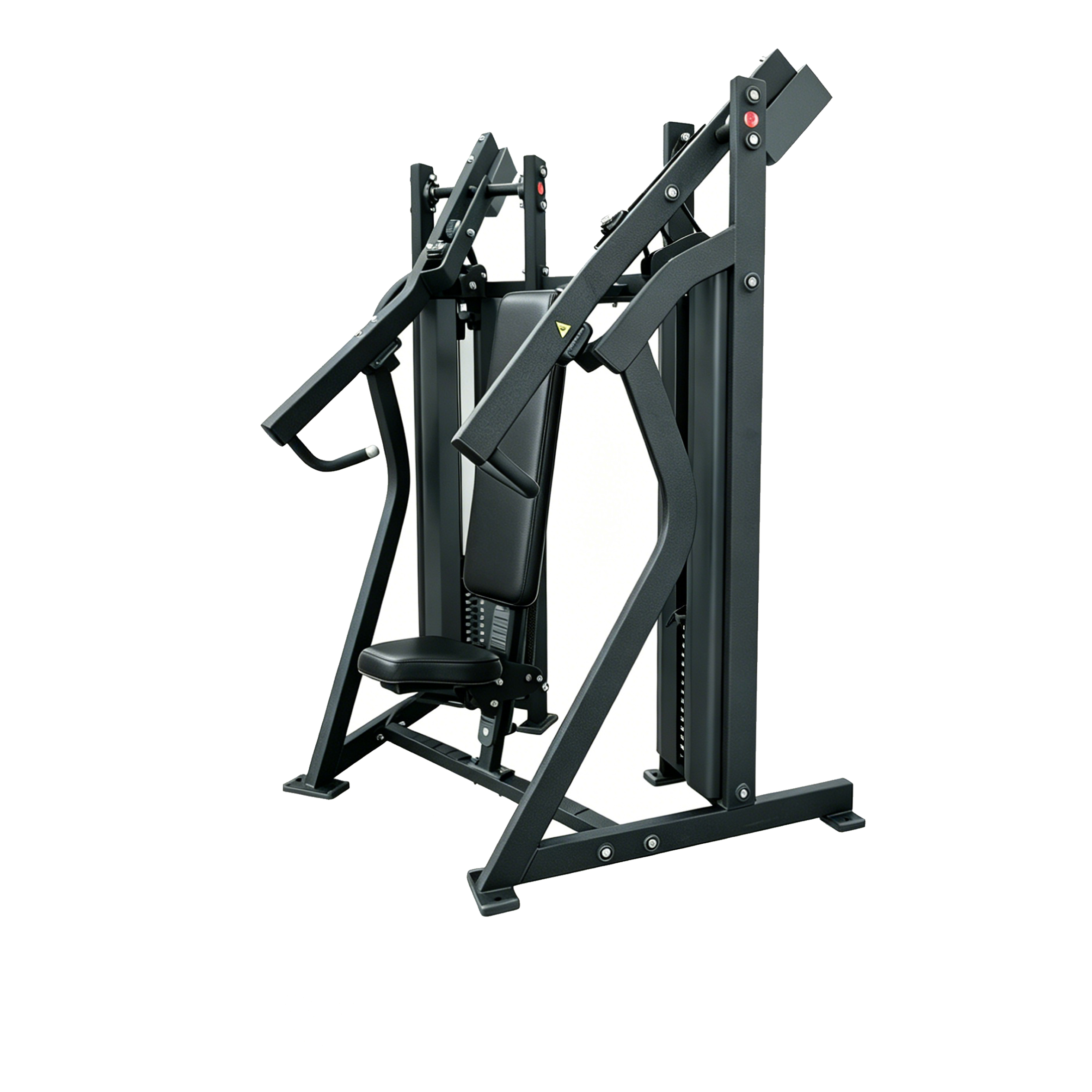
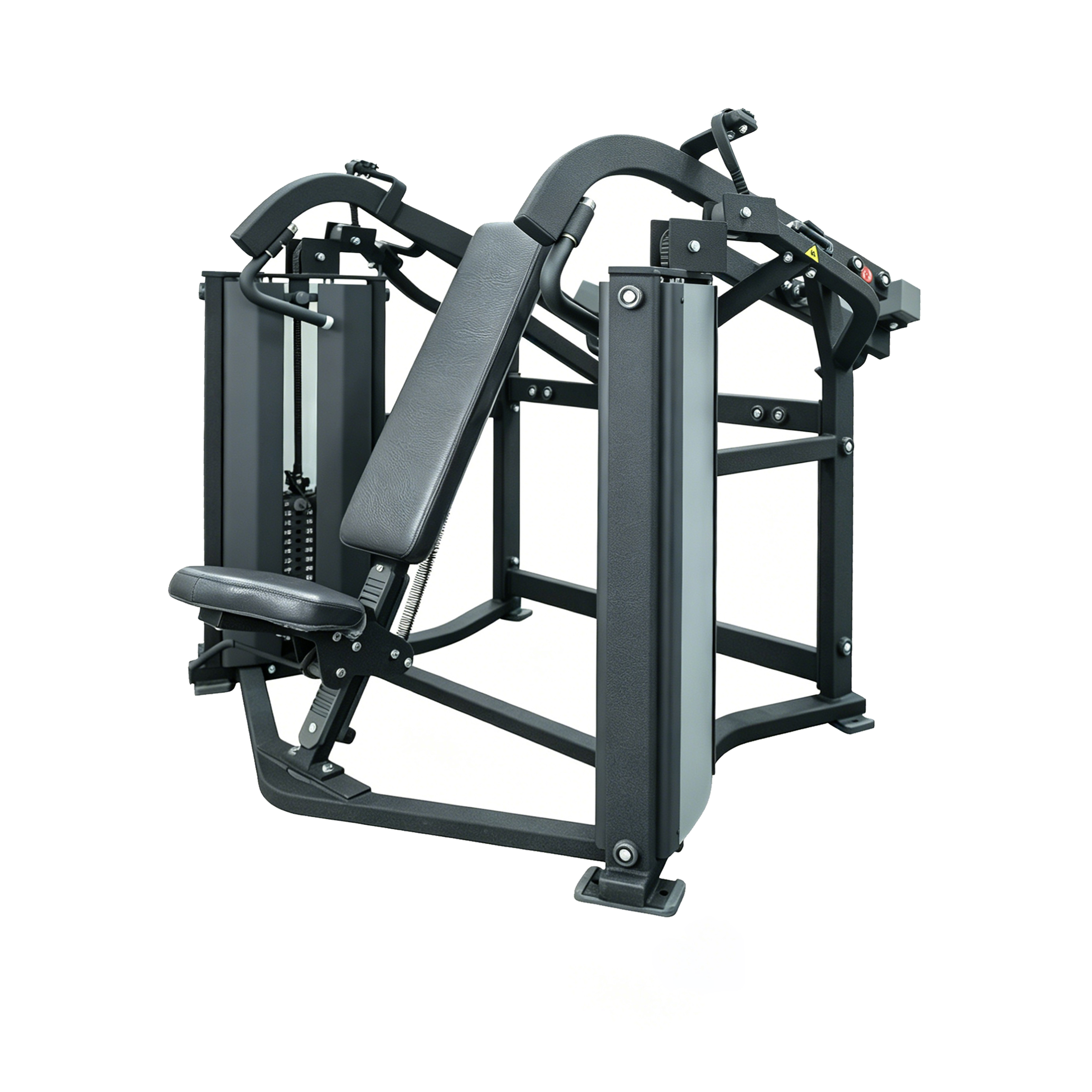
The rear delt machine is a specialized piece of fitness equipment designed to target the posterior deltoid muscles, which are key for shoulder stability and overall upper body strength. For B2B buyers—such as fitness center owners, gym equipment distributors, and purchasing managers—selecting the right rear delt machine involves understanding product specifications, application suitability, and quality assurance processes. This article will guide you through the essential considerations for choosing, sourcing, and utilizing rear delt machines effectively in a commercial setting.

Where to Source Reliable Rear Delt Machines for Bulk Orders

Where to Source Reliable Rear Delt Machines for Bulk Orders

Sourcing reliable rear delt machines for bulk orders involves identifying manufacturers or suppliers with a proven track record in the fitness equipment industry. Look for companies that offer comprehensive production capabilities, including research and development, design, and quality control processes.

XiaoKe Fitness Technology Co., Ltd., for example, has a large manufacturing facility equipped with advanced automated lines, which allows for high-precision manufacturing and consistent quality. When sourcing, consider establishing partnerships with suppliers who can provide references or case studies that demonstrate their reliability. You might also explore their BM1013 Leg Extension and Flexion Two in One Trainer as a complementary piece.

It’s also beneficial to attend industry trade shows or exhibitions where manufacturers showcase their latest products. This allows you to assess the quality of the machines firsthand and discuss potential bulk order agreements directly with the supplier.

When negotiating terms, inquire about minimum order quantities (MOQs), lead times, and customization options. A supplier that can accommodate specific needs, such as branding or unique specifications, will add value to your purchasing decision.

A Step-by-Step Approach

A Step-by-Step Approach

Define Your Requirements: Start by determining the specifications you need in a rear delt machine based on your target customer demographic and gym layout.

Research Suppliers: Compile a list of potential suppliers and review their product offerings, production capabilities, and customer feedback.

Request Samples: Before placing a bulk order, request samples of the rear delt machines to evaluate dimensions, materials, and overall build quality.

Conduct Quality Checks: Inspect the samples for durability and functionality. Consider testing the machines under actual operating conditions to ensure they meet performance expectations.

Negotiate Terms: Discuss pricing, MOQs, lead times, and warranty options with your chosen supplier. Ensure that all terms are clearly documented.

Finalize the Order: Once satisfied with the terms and product quality, place your order and confirm shipping arrangements. Ensure that you receive confirmation of delivery timelines and any necessary documentation for customs if applicable.

Applications of Rear Delt Machines in Commercial Fitness Settings

Applications of Rear Delt Machines in Commercial Fitness Settings

Rear delt machines play a crucial role in commercial fitness environments, particularly in promoting balanced shoulder development and preventing injury. These machines are ideal for use in gyms, rehabilitation centers, and sports training facilities where shoulder strength is critical.

In a gym setting, a rear delt machine can attract users who are focusing on upper body workouts, as it isolates the rear deltoids effectively compared to free weights. This isolation is particularly beneficial for those recovering from shoulder injuries or looking to improve their posture by strengthening the posterior chain.

Additionally, in sports training facilities, rear delt machines can aid athletes in developing the musculature necessary for performance in sports that require shoulder stability and strength, such as swimming, baseball, and tennis.

By incorporating rear delt machines into your fitness offerings, you create an environment conducive to varied workouts, ultimately enhancing member satisfaction and retention.

What You Should Know

When purchasing rear delt machines, be aware of several key factors that could affect your investment:

Cost Factors: Price can vary significantly based on the machine's features, materials, and brand reputation. Determine your budget and consider the long-term value of investing in higher-quality equipment.

Customization Options: Many manufacturers, including XiaoKe Fitness Technology Co., Ltd., offer customization capabilities that allow you to adapt the machine to your specific needs, such as branding or unique specifications.

Quality Control: Ensure that the manufacturer has a robust quality control process in place. This might include inspections during production and before shipment to ensure that each unit meets predefined standards.

Maintenance Requirements: Consider the maintenance needs of the machines. Equipment that requires less frequent servicing can reduce operational downtime and costs.

Market Trends: Stay informed about trends in the fitness industry, such as the growing popularity of functional training. Understanding market demands can help you select machines that will appeal to your target audience.

By taking these factors into account, you can make a well-informed purchasing decision that aligns with your business strategy and customer expectations.

How to Choose the Right Rear Delt Machine for Your Business Needs

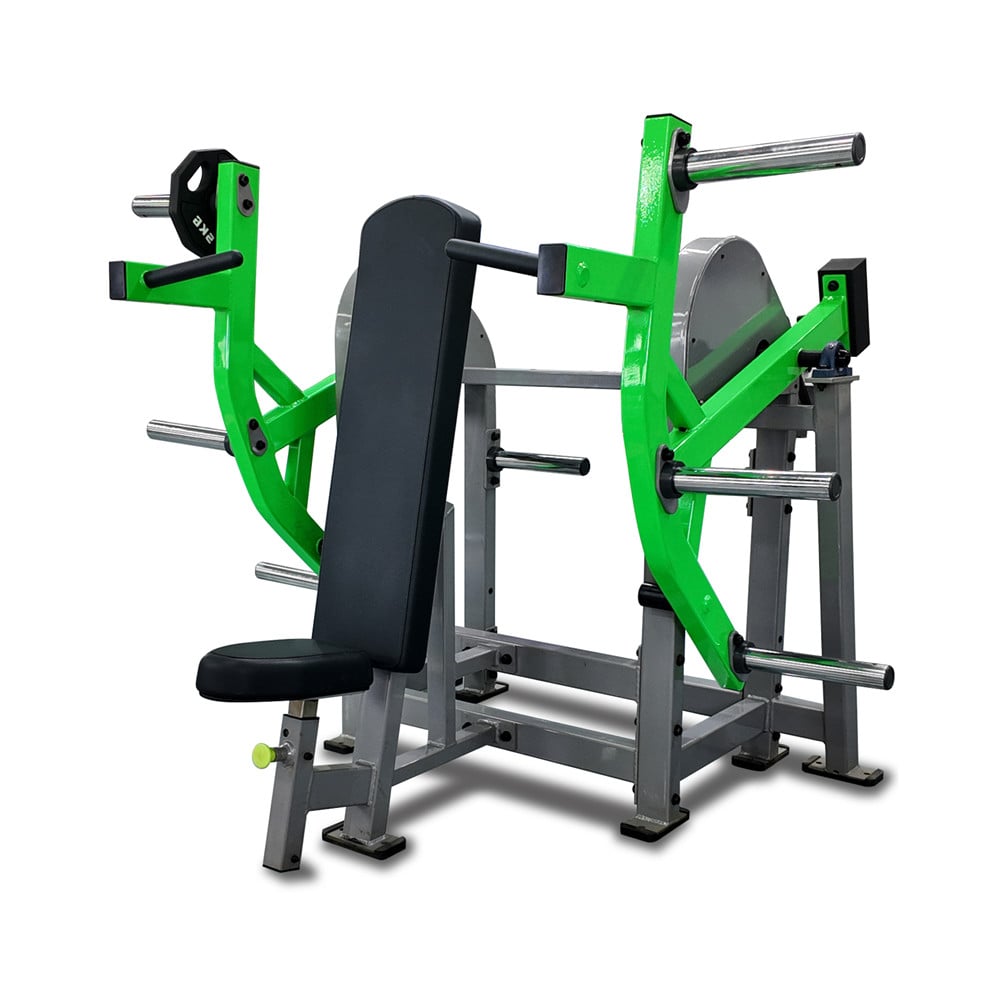
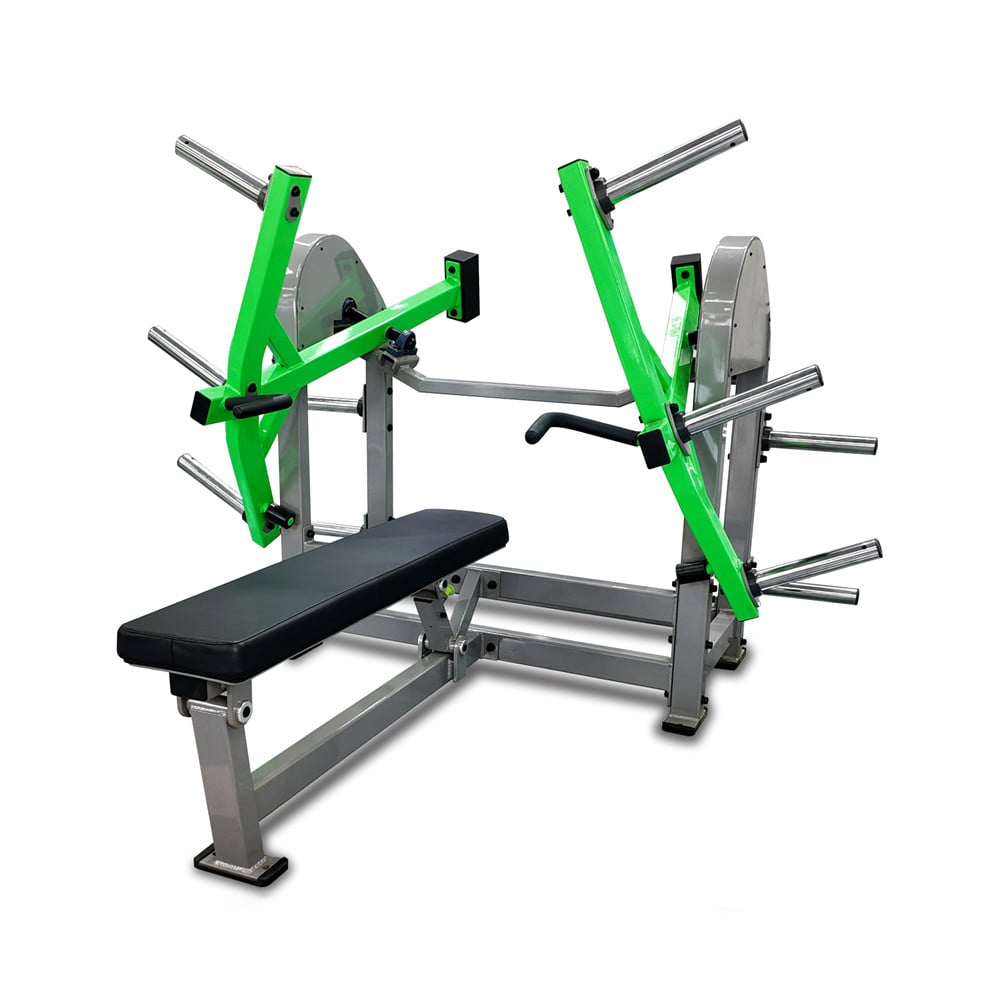
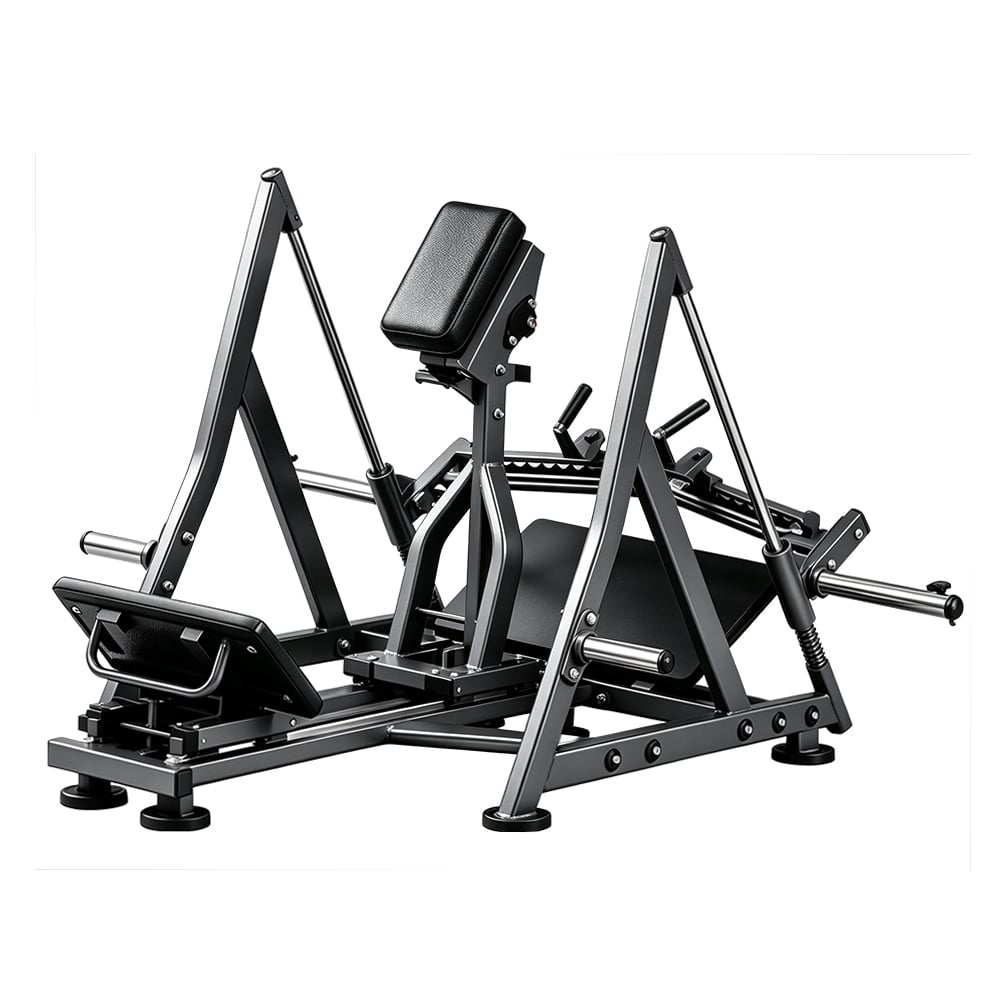
Selecting the right rear delt machine requires careful consideration of various factors to ensure it meets your specific business needs. First, assess the machine's design—whether it offers a seated or standing configuration, as this can impact usability and space requirements in your facility. Additionally, consider the option of incorporating a BD1001 Standing Hip Thruster for enhanced functionality.

Next, consider the machine's adjustability. Features such as adjustable seats, arm positions, and resistance levels allow users of different body types and strengths to use the equipment effectively, enhancing customer satisfaction and promoting frequent use.

Additionally, look into the materials used in the construction of the machine. High-quality steel frames and durable upholstery are vital for long-term performance and maintenance. A rear delt machine with a robust build can withstand heavy use in commercial settings, minimizing the likelihood of repairs or replacements.

Finally, review the machine’s dimensions to ensure it fits well within your gym layout. Space optimization is crucial, as well as ensuring that the machine can accommodate multiple users without being overcrowded.

Get a Free Quote

Our representative will contact you soon.
0/1000