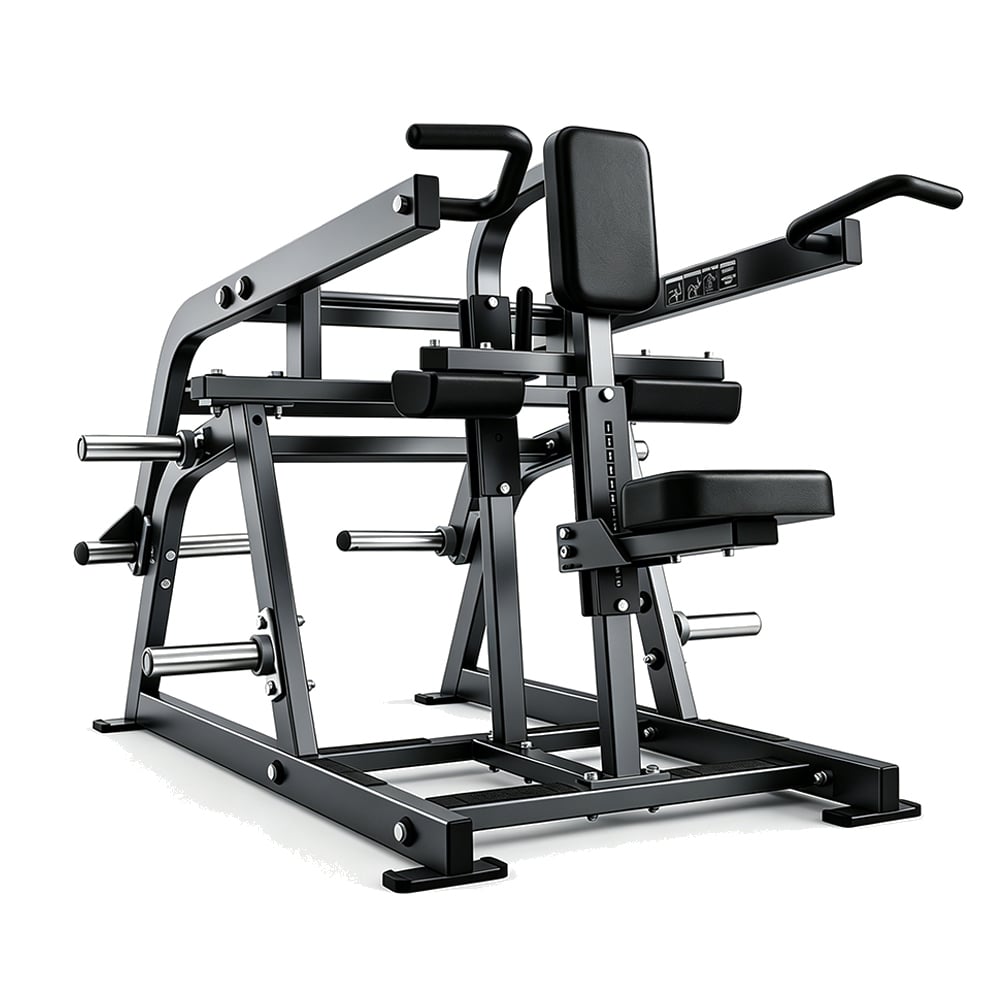
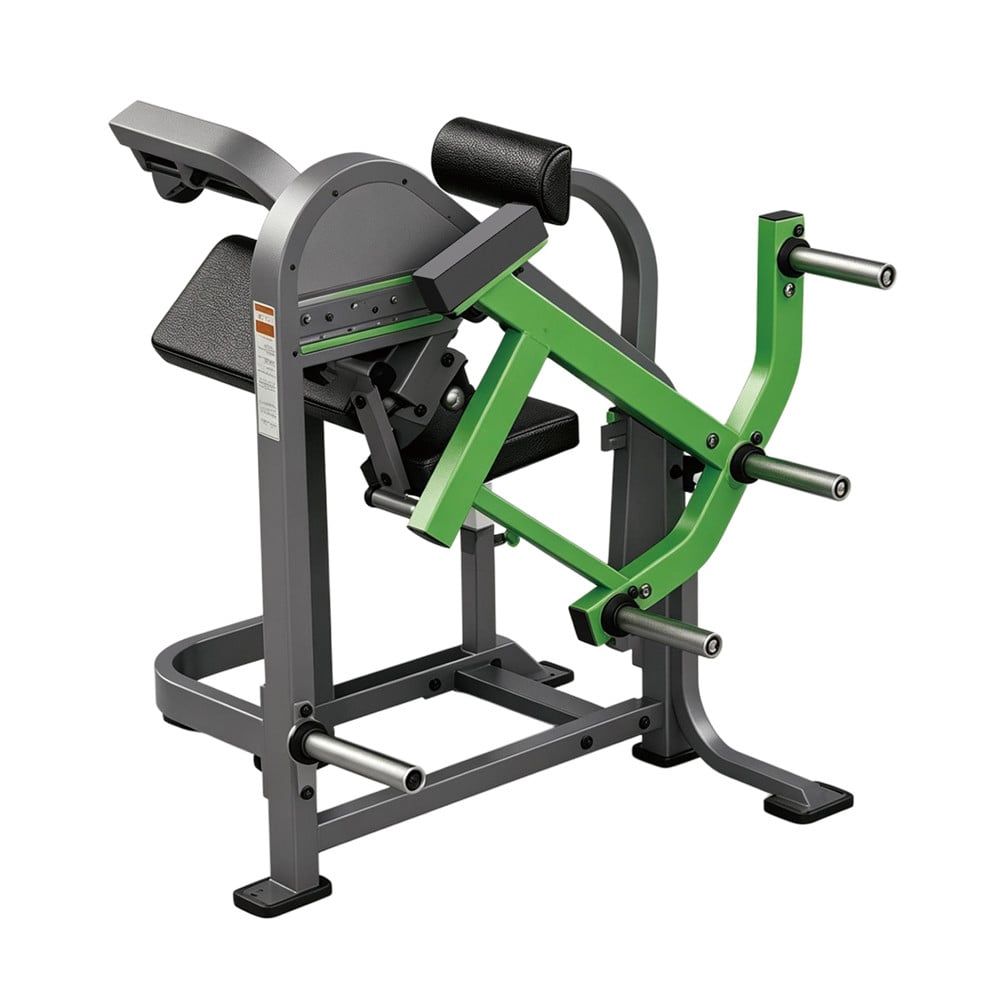
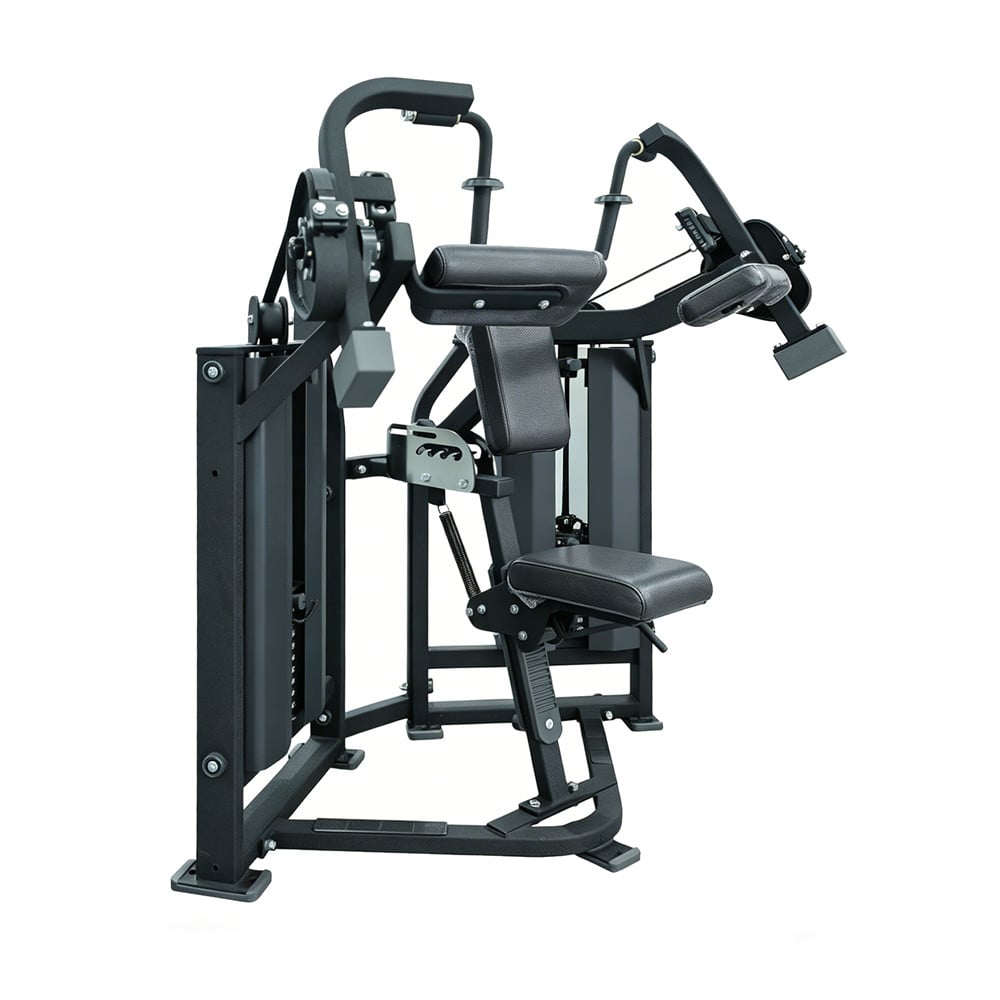
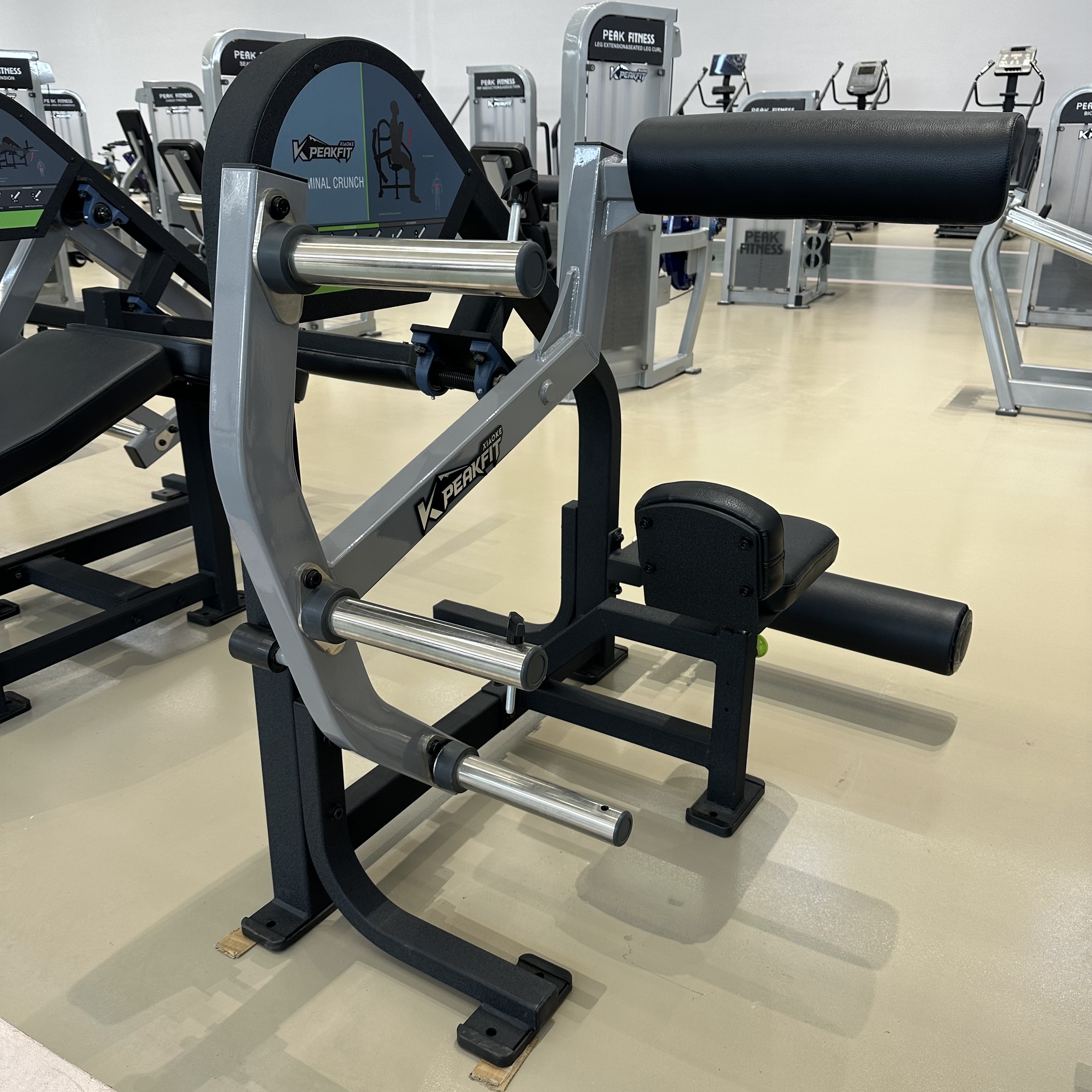
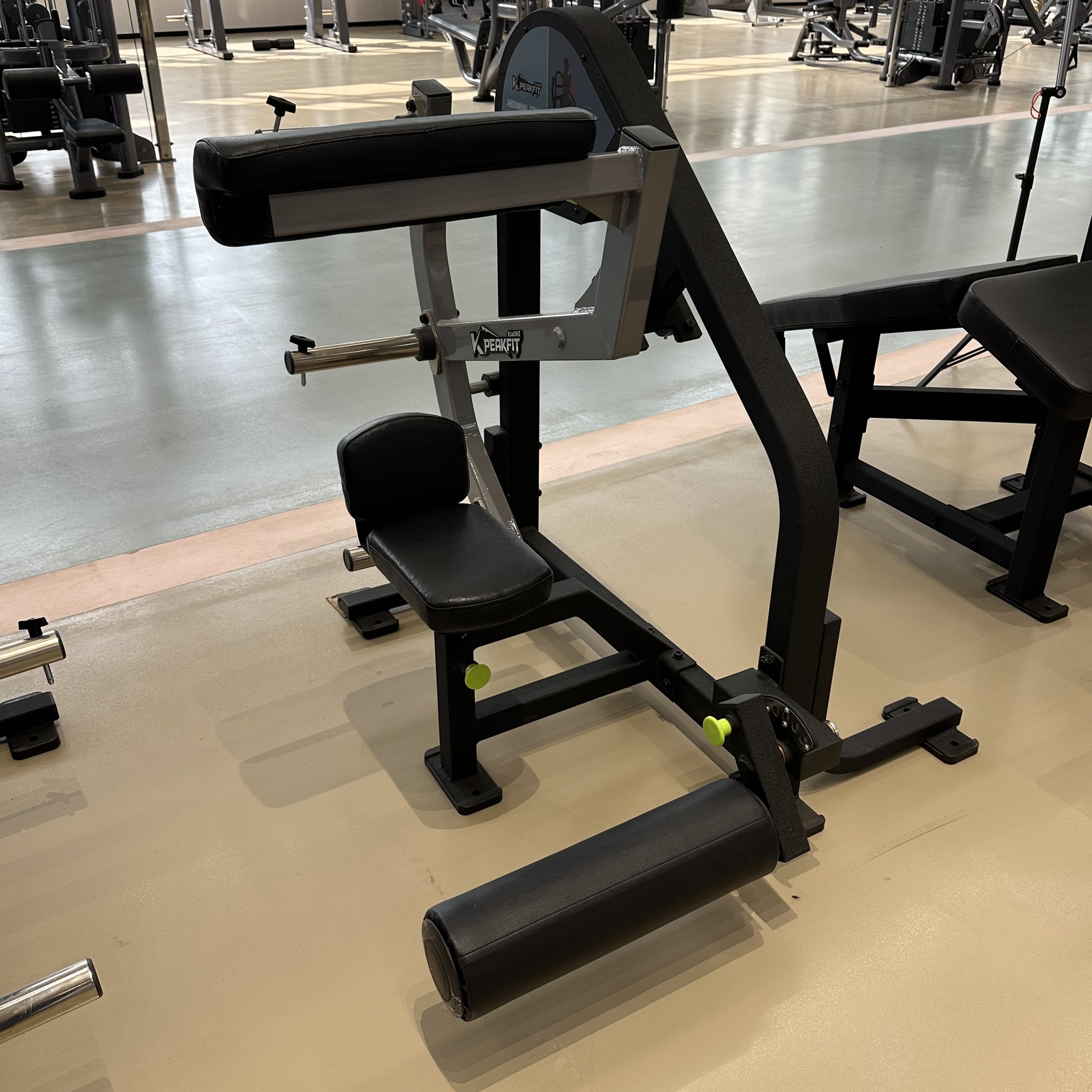
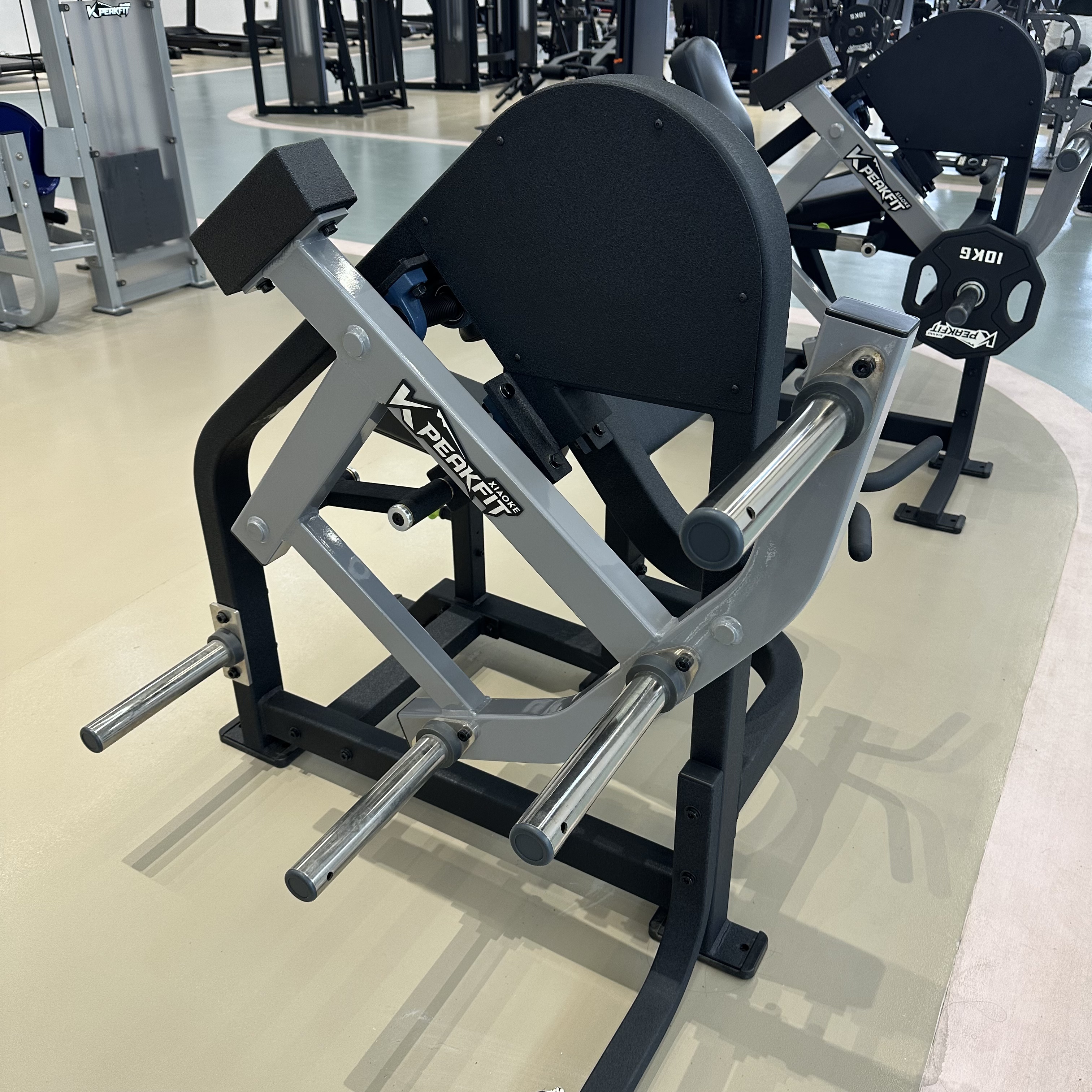
Key Features of Pull Down Tricep Machines

Kpeakfit, full-chain manufacturer with 10+ years & 90,000㎡ workshop.

Exhibit at IWF Shenzhen(H4A10) & WFF Shaoxing for global buyers.

Certified fitness gear, one-stop service for worldwide partners.

application/pull-down-tricep-machine, application/pull-down-tricep-machine, 
Inquiry
Inquiry

pull down tricep machine

When considering the acquisition of a pull down tricep machine, it’s essential to understand its specifications, quality control processes, installation requirements, potential issues, and applications in commercial gyms. This article provides a comprehensive guide to help purchasing managers and gym owners make informed decisions on integrating this equipment into their fitness offerings.

Understanding the Quality Control Process for Fitness Equipmen

Understanding the Quality Control Process for Fitness Equipmen

Quality control in fitness equipment manufacturing is crucial to ensure reliability and safety. At companies like XiaoKe Fitness Technology Co., Ltd., the process typically includes:

Incoming Material Inspection: Before production begins, all raw materials undergo thorough inspection to ensure they meet specified standards. This includes checking for defects and verifying material certifications.

In-Process Quality Checks: During manufacturing, operators conduct routine checks to ensure that each assembly process adheres to quality standards. This may involve measuring critical dimensions and testing the functionality of components like pulleys and cables.

Final Assembly Inspection: Once assembly is complete, the entire machine is tested for operational effectiveness. This includes checking the weight stack operation, smoothness of the cable system, and overall stability of the unit.

Performance Testing: Machines are often subjected to rigorous testing that simulates extended use. This helps identify any potential issues that may arise during actual operation.

Packaging Inspection: Before shipping, products are checked to ensure they are correctly packaged to prevent damage during transit. Proper packaging also includes ensuring that all necessary assembly instructions are provided.

By implementing these quality control measures, manufacturers can deliver reliable and safe fitness equipment that meets the demands of commercial environments.

Installation Guidance for Your New Pull Down Tricep Machine

Installation Guidance for Your New Pull Down Tricep Machine

Proper installation of a pull down tricep machine is crucial for ensuring safety and functionality. Here are the key steps to follow:

Location Selection: Choose a flat, stable surface with adequate space around the machine for user movement. Ensure the area is well-ventilated and has access to power if needed for electronic features.

Assembly Instructions: Follow the manufacturer's assembly instructions carefully. Each component should be checked against the provided parts list to ensure nothing is missing.

Tools Required: Commonly needed tools may include wrenches, screwdrivers, and a level. Have these on hand before beginning the installation to streamline the process.

Leveling the Machine: Once assembled, use a level tool to ensure the machine is even on the ground. Adjust leveling feet if available to correct any discrepancies.

Safety Checks: After installation, perform a thorough inspection of all bolts and screws to ensure they are tightened properly. Test the machine by performing a few exercises with lighter weights before allowing users to engage fully.

User Instructions: Provide clear instructions on how to use the machine safely. This may include demonstrating proper form and weight selection. Utilizing machines like the BM1011 Triceps Trainer can enhance user understanding of proper usage.

By following these installation guidelines, gym owners can ensure that their new pull down tricep machine is set up correctly and ready for use.

Common Problems with Pull Down Tricep Machines and Solutions

Common Problems with Pull Down Tricep Machines and Solutions

While pull down tricep machines are generally reliable, some common issues may arise. Understanding these problems and their solutions can help maintain equipment longevity:

Cable Wear and Tear: Over time, cables can fray or wear out. Regularly inspect cables for signs of damage. If wear is detected, replace the cable immediately to prevent accidents.

Weight Stack Malfunctions: If the weight stack does not move smoothly, check for obstructions or misalignment. Ensure that the guide rods are clean and free of debris.

Loose Components: Frequent use can lead to loosening bolts or screws. Schedule periodic maintenance checks to tighten any loose parts and ensure the machine remains safe for use.

Pulleys and Bearings Issues: If the machine makes unusual noises, it may indicate issues with pulleys or bearings. Lubricate moving parts regularly and replace any worn components to ensure smooth operation.

User Misalignment: Improper user alignment can lead to discomfort or injury. Ensure that users understand how to adjust the machine to fit their body size correctly.

By proactively addressing these common problems, gym operators can ensure that their pull down tricep machines remain in optimal working condition.

Applications of Pull Down Tricep Machines in Commercial Gyms

Pull down tricep machines are versatile pieces of equipment ideal for various applications in commercial gyms. Here are some of their primary uses:

Strength Training: These machines are essential for building upper body strength, specifically targeting the triceps. They are suitable for beginners and advanced lifters alike, allowing for customizable weight settings.

Rehabilitation: Tricep machines can be beneficial in rehabilitation settings, as they allow users to strengthen specific muscle groups safely after injury. They can be adjusted to accommodate varying strength levels, making them accessible for rehabilitation patients.

Group Training: In commercial gyms, pull down tricep machines can be used in group training sessions, offering a focused workout for members. Instructors can guide participants through tricep-focused routines, enhancing group engagement.

Personal Training: Personal trainers can incorporate pull down tricep machines into customized workout plans for clients, focusing on strength building and toning specific muscle groups. For example, using the BM1014 Abdominal Trainer in conjunction with tricep training can create a balanced program.

Circuit Training: These machines are excellent for circuit training setups, allowing users to move quickly between exercises while targeting different muscle groups within a short timeframe.

By effectively integrating pull down tricep machines into workout routines, commercial gyms can enhance their offerings and attract a diverse clientele looking to improve their fitness levels.

Key Specifications to Evaluate in Pull Down Tricep Machines

When evaluating pull down tricep machines, several key specifications should be prioritized:

Construction Material: The frame's material affects durability and stability. Steel frames are common for their strength and longevity, while some machines may use lighter materials that can impact performance under heavy loads.

Weight Stack: The weight stack should accommodate a range of users. A standard stack of 150 to 200 pounds is common, but heavier options are available for advanced users. Ensure that the weight increments are suitable for progressive training.

Adjustability: Look for machines with adjustable seats and arm positions to accommodate various user heights and preferences. This feature enhances usability and ensures that all users can perform exercises correctly.

Cable System: The type of cable and pulley system influences the machine’s smoothness of operation. High-quality cables are typically made of steel and should have a protective coating to prevent wear and tear.

Footprint: Consider the machine's dimensions to ensure it fits within your gym's layout. Equipment that is too large can hinder movement and reduce floor space for other activities.

Ergonomics: The design should support natural movement patterns to prevent strain. Check for padded grips and a comfortable seat to enhance user experience.

Certifications: Verify if the machine complies with industry standards for safety and quality, ensuring it meets expectations for commercial use. For example, machines like the BD1001 Standing Hip Thruster have certifications that guarantee their reliability.

By focusing on these specifications, buyers can select a pull down tricep machine that meets their operational needs and enhances user satisfaction.

Get a Free Quote

Our representative will contact you soon.
0/1000