Choosing the Right Gym Equipment for Bulk Orders

Kpeakfit, full-chain manufacturer with 10+ years & 90,000㎡ workshop.

Exhibit at IWF Shenzhen(H4A10) & WFF Shaoxing for global buyers.

Certified fitness gear, one-stop service for worldwide partners.

application/gym-suppliers, application/gym-suppliers, 
Inquiry
Inquiry

gym suppliers

When sourcing gym supplies, understanding the nuances of gym equipment specifications is crucial for B2B buyers. This article explores the key considerations when comparing gym equipment for bulk orders, addressing buyer concerns such as material quality, production capabilities, and application suitability. By focusing on these aspects, purchasing managers and fitness facility operators can make informed decisions that align with their operational needs and budget.

What to Look for in Gym Equipment

What to Look for in Gym Equipment

When selecting gym equipment, buyers should focus on several critical factors:

Performance Specifications: Understand the equipment's intended use, such as strength training or cardio, and ensure its performance specifications align with your facility's goals. For example, check if the machines have adjustable resistance levels, which can cater to diverse fitness levels.

Material Quality: The material used in construction impacts durability and maintenance. High-grade steel is preferred for strength equipment due to its strength and resilience, while rubber coatings can enhance grip and reduce noise.

Safety Features: Look for equipment with safety features, such as emergency stop buttons on cardio machines and protective padding on weight machines. These features enhance user safety and can reduce liability for facility operators.

Customization Options: Depending on your target market, you may require customized equipment. Inquire about the supplier's ability to offer variations in color, branding, or functionality to meet specific client needs. Our Multifunctional Equipment can be a great choice for customization.

Warranty and Support: Understand the warranty terms and after-sales support provided by the supplier. Equipment should come with a reliable warranty that covers parts and labor, ensuring that you are protected against defects or performance issues.

Key Considerations

Key Considerations

When purchasing gym supplies, several key considerations should guide your decision-making:

Minimum Order Quantity (MOQ): Confirm the MOQ with your supplier. This can vary widely between manufacturers and may affect your overall purchasing strategy, especially if you are looking for a diverse range of equipment.

Quality Control Processes: Investigate the quality control measures implemented by the manufacturer. A robust quality assurance process ensures that equipment meets safety and performance standards, which is essential for maintaining a professional environment in your gym.

Shipping and Packaging: Understand how the equipment will be packaged and shipped. Proper packaging is crucial to prevent damage during transit, and you should also consider associated shipping costs, which can vary based on order size and destination.

Installation and Maintenance Support: Determine if the supplier offers installation services or guidelines. Additionally, inquire about maintenance recommendations and resources, as proper upkeep is vital for the longevity of your equipment.

Understanding Cost Factors When Purchasing Gym Supplies

Understanding Cost Factors When Purchasing Gym Supplies

The cost of gym supplies is influenced by several factors that buyers need to consider:

Material Costs: The choice of materials directly affects pricing. For instance, equipment made from premium materials will typically have a higher upfront cost but may save money in the long run due to reduced maintenance and replacement costs.

Manufacturing Efficiency: Suppliers with automated production lines, like XiaoKe Fitness Technology, often have lower labor costs, which can reflect in competitive pricing. Understanding the supplier's manufacturing efficiency can help you assess the cost-to-value ratio of the equipment.

Customizations: Custom features or branding can increase costs. While customization can enhance your brand's visibility and appeal, it’s essential to evaluate whether these added expenses align with your budgetary constraints.

Volume Discounts: Bulk orders often qualify for discounts. Discuss pricing tiers with your supplier based on order quantities to maximize your budget.

Long-term Investment: Consider the total cost of ownership, which includes purchase price, maintenance, and expected lifespan. Investing in higher-quality, durable equipment can lead to lower overall costs over time.

Applications of Fitness Equipment in Commercial Settings

The application of fitness equipment in commercial settings varies widely, affecting the choice of equipment for different types of facilities. Here are some common applications:

Commercial Gyms: In fitness centers, a diverse range of equipment is essential to cater to various fitness goals. This includes strength training machines, free weights, and cardiovascular machines. Equipment must be durable enough to withstand high usage rates.

Corporate Fitness Centers: Companies investing in employee wellness may require versatile equipment that fits limited spaces and can accommodate different fitness levels. Compact machines and multi-use stations are often preferred.

Health Clubs and Spas: Facilities that focus on wellness may prioritize equipment that enhances user experience, such as treadmills with entertainment features or resistance machines with biomechanical design for optimal comfort.

Education Facilities: Schools and universities often require equipment that can accommodate a range of ages and fitness levels. Safety, adjustability, and ease of use become critical factors in this setting.

Rehabilitation Centers: Specialized equipment designed for rehabilitation must offer precise control over resistance and support, ensuring safe and effective recovery for users.

By understanding the specific applications of fitness equipment, buyers can select appropriate products that meet the needs of their target market while ensuring user satisfaction and safety.

In summary, when sourcing gym supplies, attention to detail in specifications, material quality, manufacturing capabilities, and application suitability is essential. By considering these factors, buyers can make informed decisions that enhance the value and effectiveness of their fitness offerings.

Comparing Gym Equipment Specifications for Bulk Orders

When evaluating gym equipment for bulk orders, specifications play a vital role. Key specifications to consider include dimensions, weight capacity, material quality, and manufacturing processes. For instance, the durability of materials such as steel versus aluminum can significantly affect the equipment's lifespan and performance under heavy use.

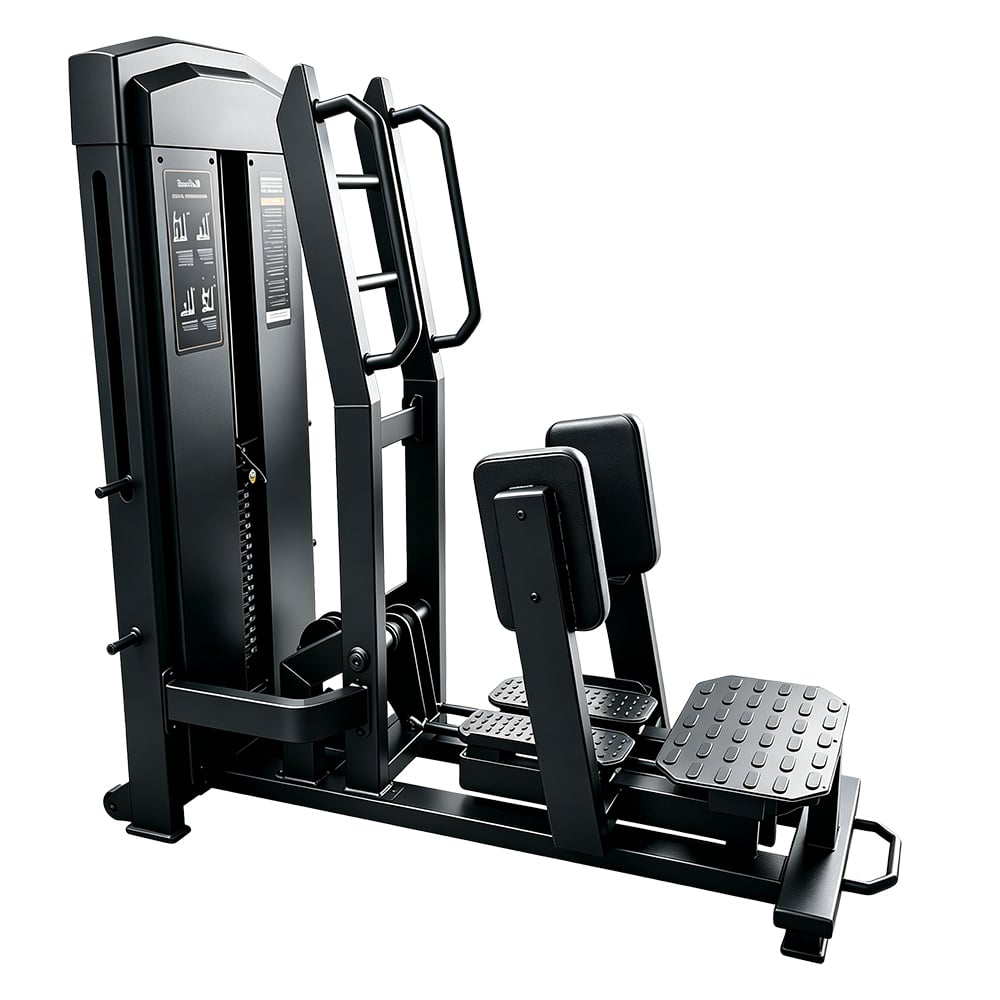
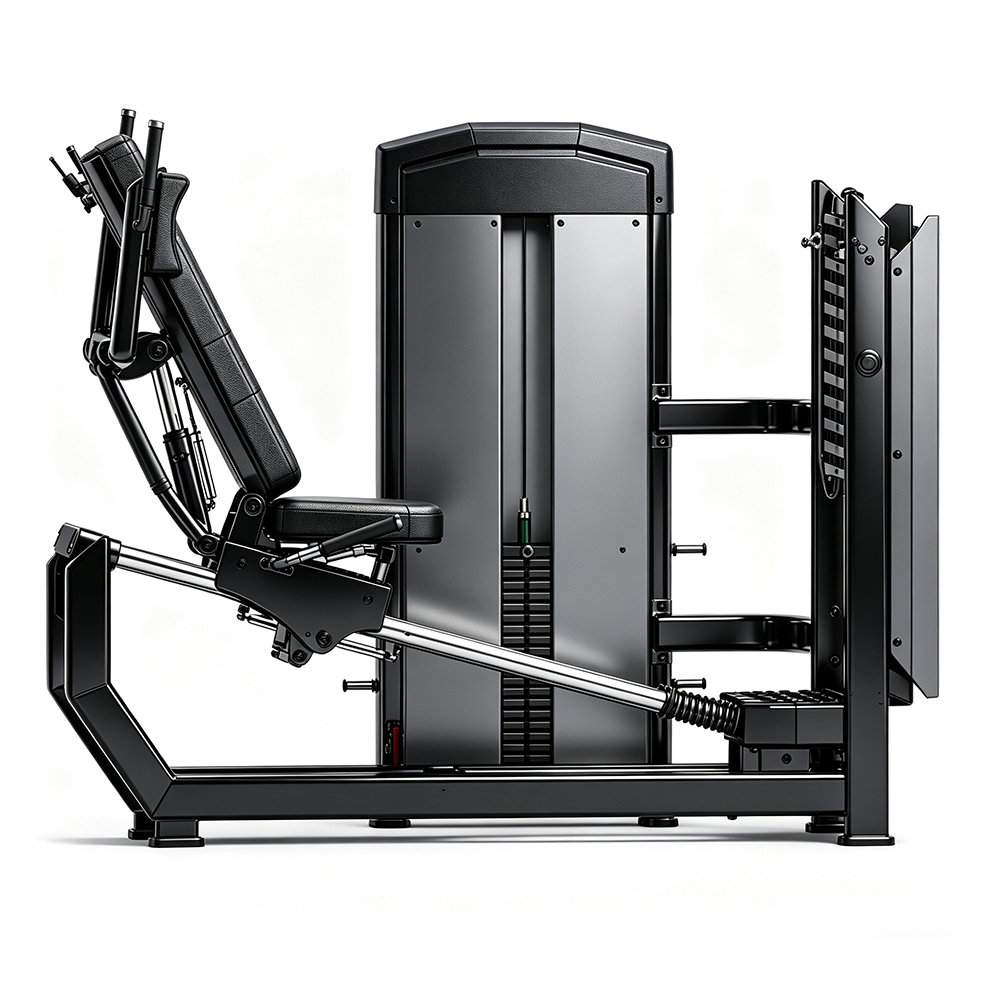
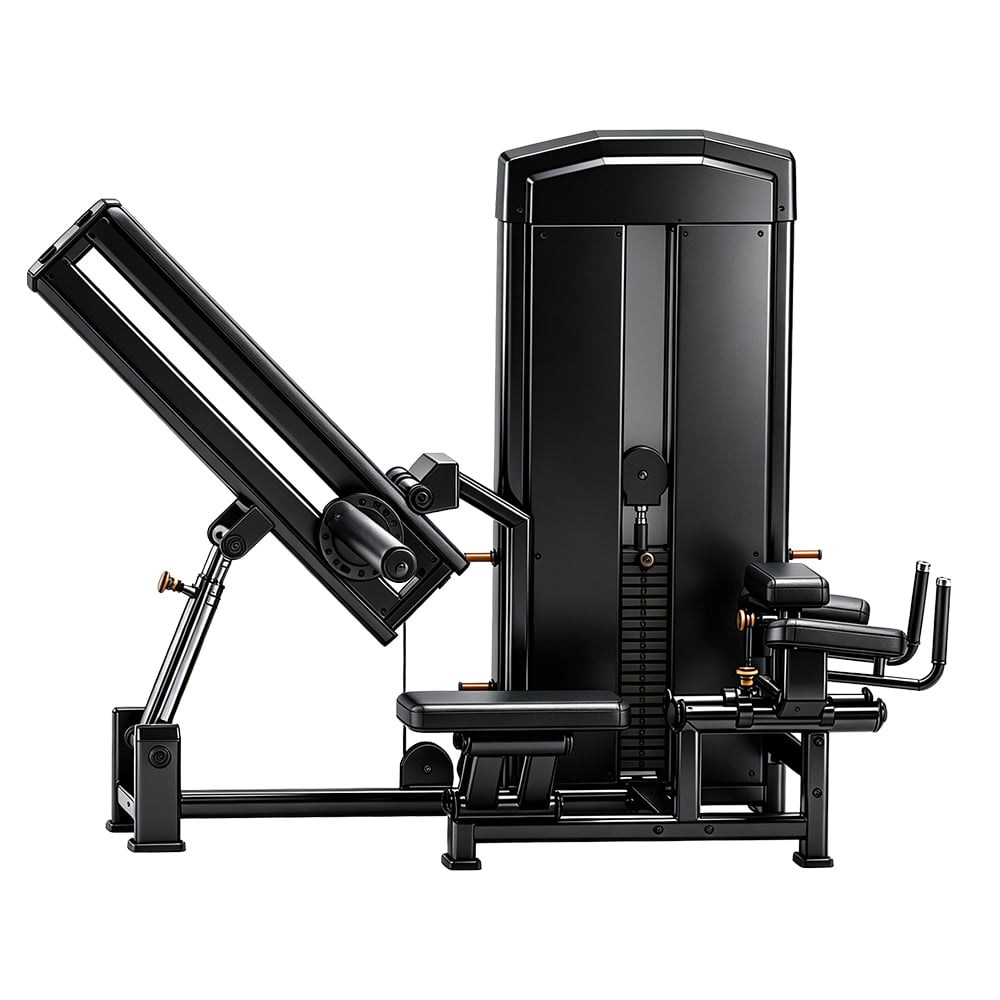
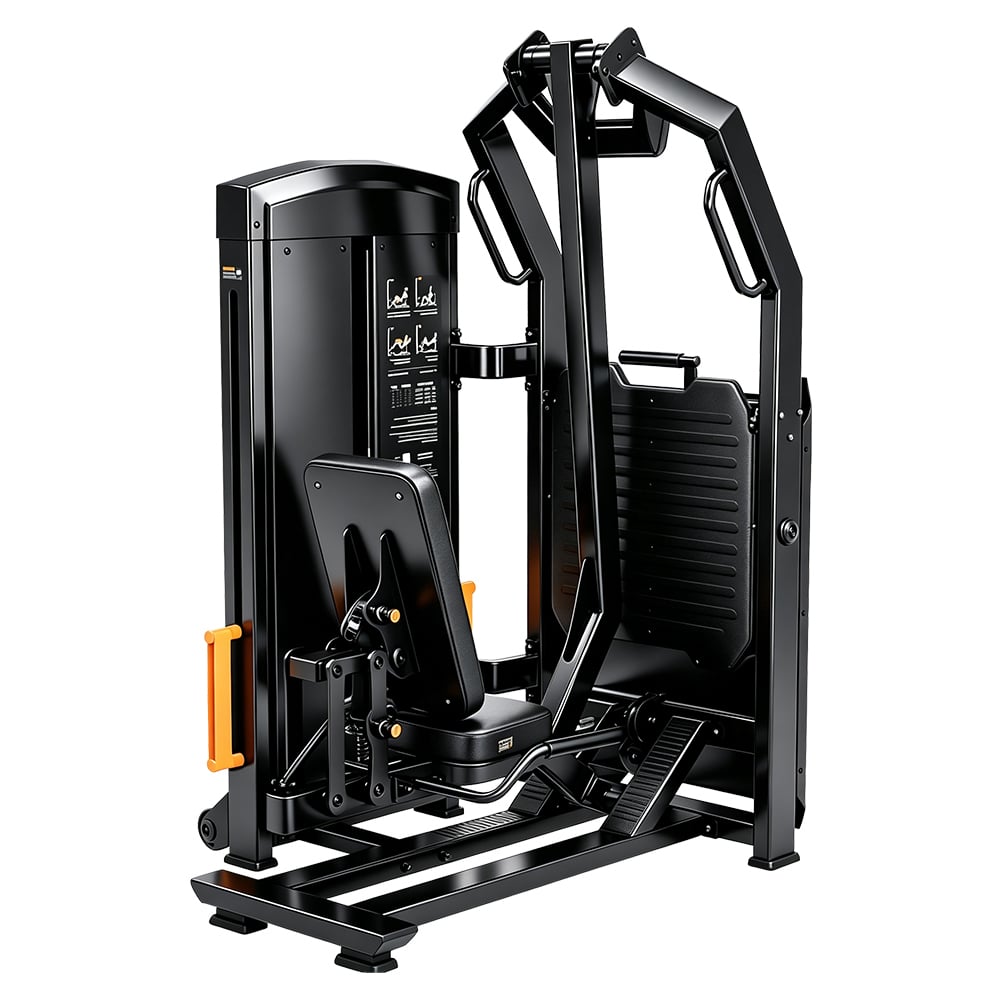
Additionally, consider the manufacturing capabilities of your supplier. A manufacturer like XiaoKe Fitness Technology Co., Ltd., with advanced automated lines and a 90,000 square meter facility, ensures high-precision manufacturing. This means that the gym equipment will meet consistent quality standards, crucial for maintaining reliability in fitness environments. You might want to explore our Series Strength Equipment for options that align with these standards.

It's also important to assess the production capacity and lead times. Ensure that your supplier can meet your order quantities and timelines, especially if you are looking to stock equipment for a new facility opening or a large fitness event.

Get a Free Quote

Our representative will contact you soon.
0/1000