Choosing the Right Squat Rack for Wholesale Orders

Kpeakfit, full-chain manufacturer with 10+ years & 90,000㎡ workshop.

Exhibit at IWF Shenzhen(H4A10) & WFF Shaoxing for global buyers.

Certified fitness gear, one-stop service for worldwide partners.

application/Squat-Rack, application/Squat-Rack, 
Inquiry
Inquiry

Squat Rack

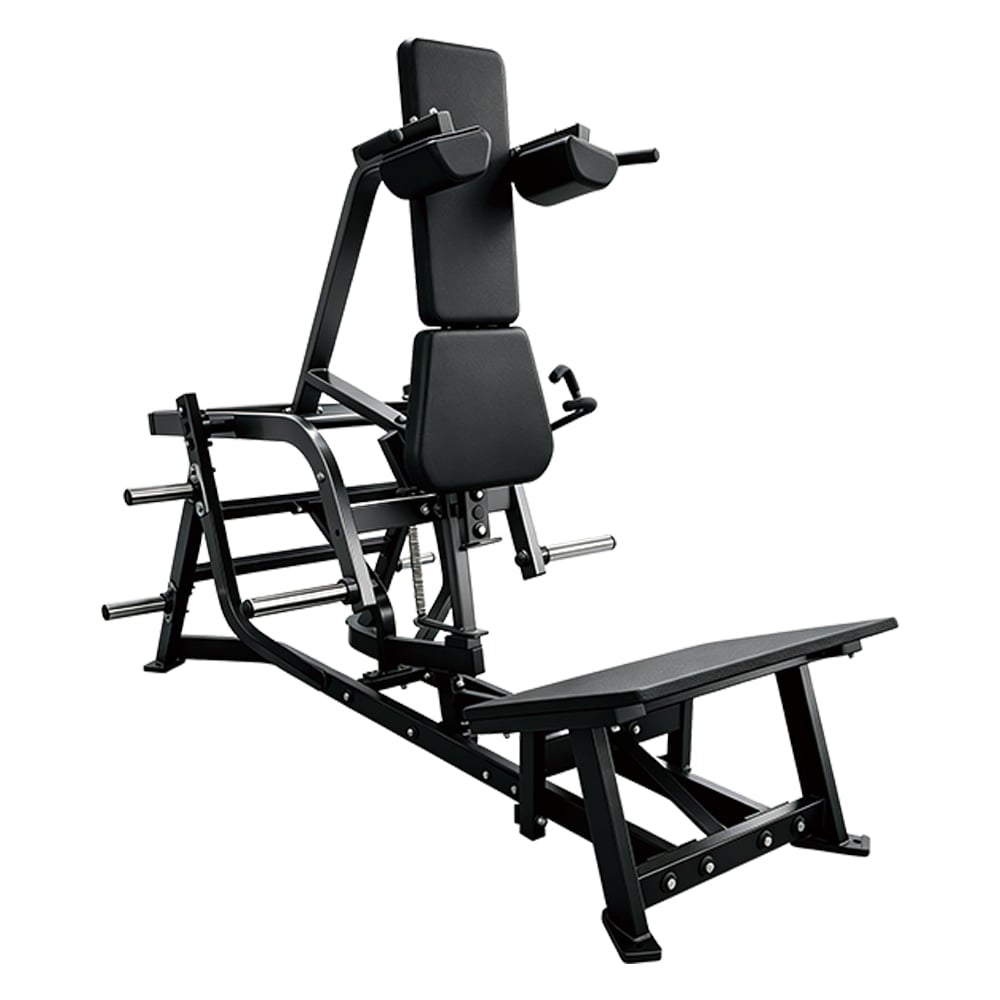
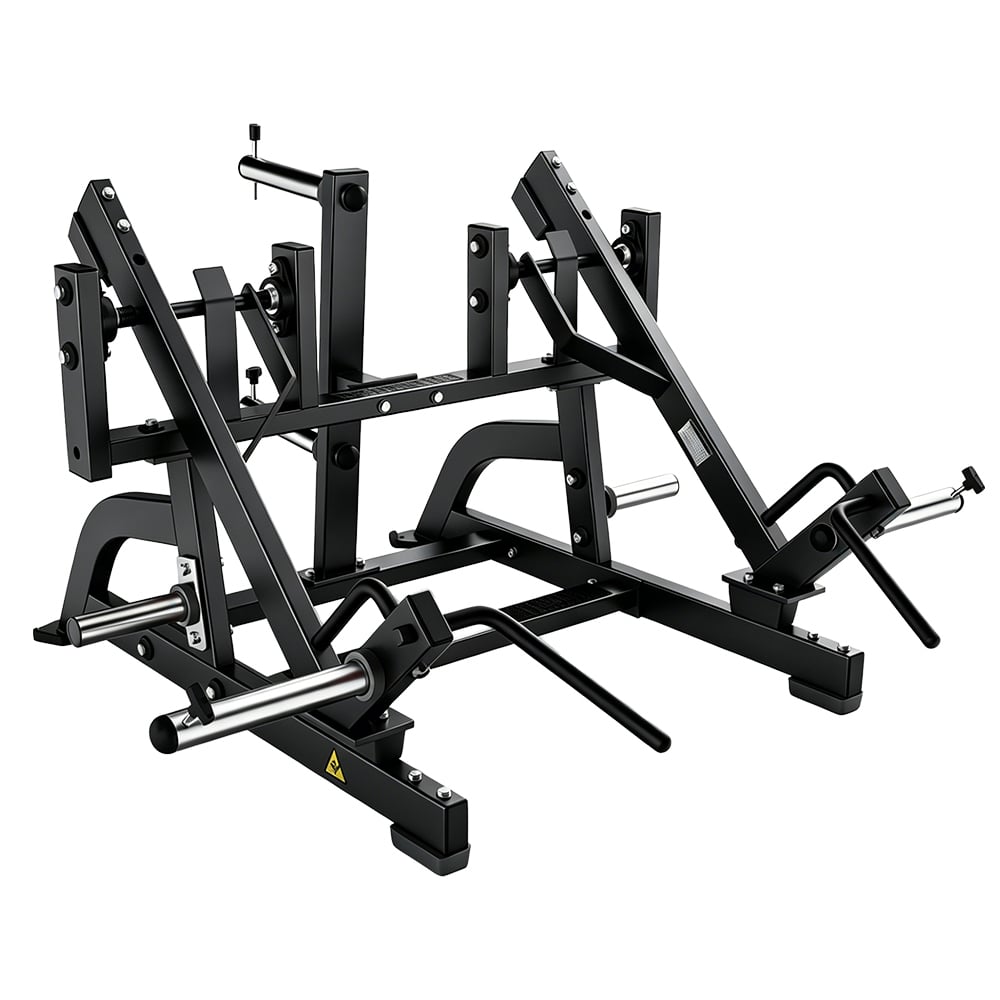
Choosing the right squat rack for your facility is crucial for maximizing efficiency and safety in strength training. As a pivotal piece of fitness equipment, squat racks come in various designs and specifications, tailored to meet the needs of gyms, health clubs, and fitness centers. This article will guide you through essential considerations when selecting a squat rack, including cost factors, supplier reliability, installation guidance, and optimal applications in commercial settings.

Understanding the Cost Factors for Squat Rack Procurement

Understanding the Cost Factors for Squat Rack Procurement

The cost of procuring squat racks can vary significantly based on several factors. One of the primary determinants is the manufacturing process. Squat racks that utilize advanced automated manufacturing techniques, like those employed by XiaoKe Fitness Technology Co., Ltd., often have more consistent quality and can be produced at scale, potentially lowering unit costs.

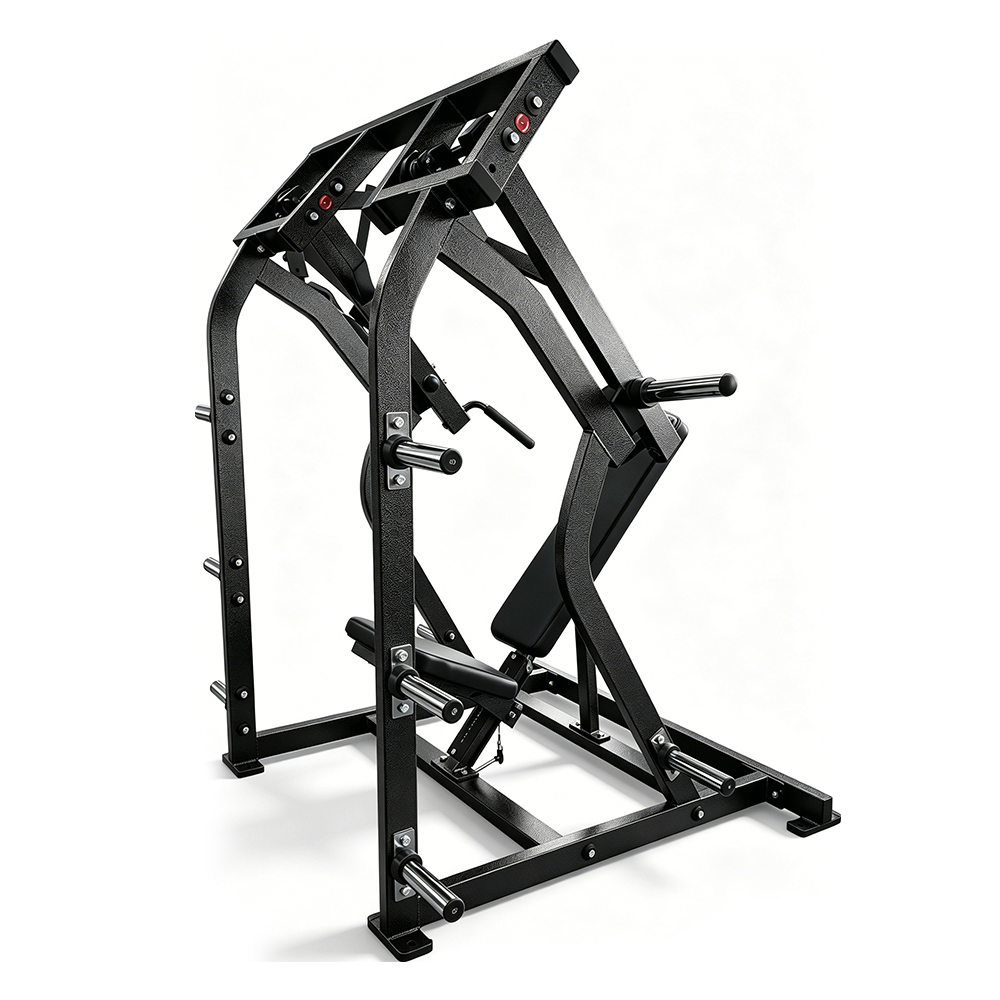
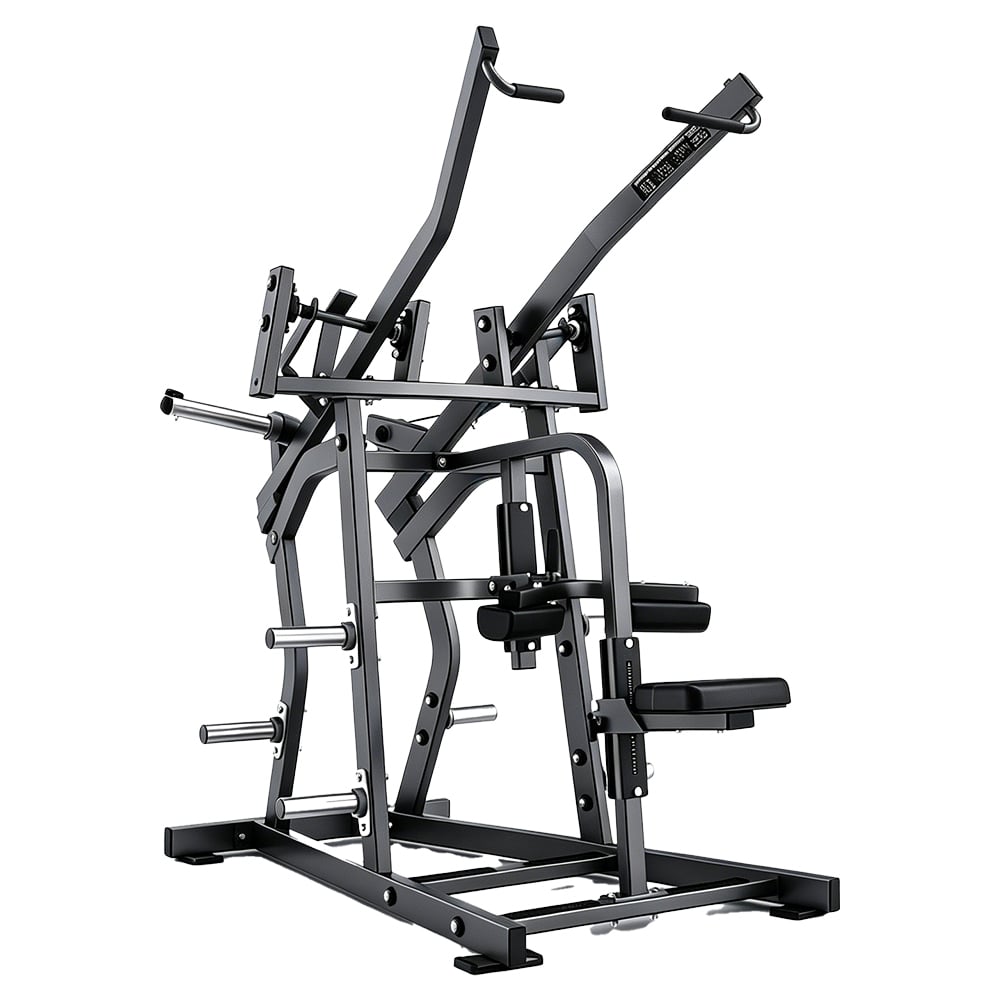
Material costs also play a significant role. High-grade steel may incur higher initial costs but offers better performance and durability, leading to lower long-term replacement expenses. Additional features, such as powder coating for rust resistance or additional safety features, can further influence pricing. For example, the BM1006 High level pull-down trainer offers excellent durability and functionality.

Buyers should also factor in shipping costs, particularly when sourcing internationally. Import duties, taxes, and shipping fees can add to the overall procurement budget. Understanding the minimum order quantities (MOQs) set by manufacturers is crucial, as ordering below the MOQ may result in higher per-unit costs, impacting your financial planning.

Where to Find Reliable Suppliers for High-Quality Squat Racks

Where to Find Reliable Suppliers for High-Quality Squat Racks

Finding a reliable supplier is paramount when sourcing squat racks. Start by researching manufacturers with a proven track record in fitness equipment. Look for suppliers that emphasize quality control processes and have certifications that validate their manufacturing standards.

Industry trade shows and exhibitions can be excellent venues for meeting potential suppliers and assessing their products firsthand. Engaging in discussions with other fitness facility owners about their experiences with suppliers can also provide valuable insights.

Online platforms and industry forums can offer additional perspectives on supplier reliability. Be sure to check reviews and testimonials that reflect other buyers’ satisfaction levels. Once you’ve identified potential suppliers, request samples to evaluate the squat rack’s quality, construction, and suitability for your intended application before placing a bulk order.

Installation Guidance for Commercial Squat Rack Applications

Installation Guidance for Commercial Squat Rack Applications

Proper installation of squat racks is essential for ensuring user safety and equipment longevity. When planning installation, assess the space available in your facility to ensure that the squat rack will fit comfortably and allow for safe movement around it. It’s recommended to allow a clearance space of at least 3 feet around the rack for safety and accessibility.

If the squat rack includes wall-mounting features, verify the wall’s structural integrity to support the weight and usage demands. For free-standing racks, ensure that the flooring can support the load, especially in high-use areas.

When installing, follow the manufacturer’s guidelines meticulously. Proper assembly is crucial; any misalignment can lead to instability during use. Additionally, consider conducting a safety inspection after installation to ensure that all bolts and connections are secure. Training staff on proper usage and maintenance can also enhance safety and extend the life of the equipment.

Best Applications for Squat Racks in Commercial Settings

Squat racks are versatile tools that can accommodate a variety of applications in commercial settings. They are primarily used for strength training exercises, such as squats, bench presses, and overhead presses, catering to both novice and experienced lifters.

In addition to their primary use, squat racks can be integrated into functional training programs, enabling exercises like kettlebell swings or resistance band workouts. They can also serve as a platform for personal trainers to conduct sessions with clients, allowing for more personalized fitness experiences.

Furthermore, squat racks can be utilized in group training settings, such as boot camps or circuit training classes, where multiple users may need access to the equipment simultaneously. This adaptability makes them a valuable investment for fitness facilities aiming to offer diverse training options to their members. Consider combining your squat rack with the BM1015 Leg Press Machine for a comprehensive strength training solution.

In summary, choosing the right squat rack involves careful consideration of design, material, cost, and supplier reliability. Understanding installation requirements and applications can further enhance the value of your investment, ensuring that your facility meets the needs of its users effectively. By following the guidelines, B2B buyers can make informed decisions that support their operational goals.

What to Consider When Choosing a Squat Rack for Wholesale Orders

When selecting a squat rack for wholesale orders, several key factors should guide your decision-making process. Firstly, evaluate the structure and design of the squat rack. There are various styles, such as power racks, squat stands, and half racks, each serving different training needs and space requirements. For instance, a power rack typically offers more safety features, making it suitable for heavier lifts and a broader range of exercises. Consider also investing in the BD1002 Standing hip abduction trainer to enhance your training options.

Material selection is another critical aspect. High-quality steel construction enhances durability and load capacity, which is essential for commercial environments where equipment is subjected to frequent use. It’s advisable to inquire about the thickness of the steel used in the squat rack; thicker steel generally provides better stability and longevity.

Additionally, consider the squat rack’s compatibility with various accessories, such as dip bars, pull-up bars, and weight storage options, which can enhance its functionality and appeal to diverse clientele. Don’t forget to check for customization options, as tailored features can better meet the specific needs of your facility and customer base.

Get a Free Quote

Our representative will contact you soon.
0/1000