Choose the Right Fitness Equipment for Wholesale

Kpeakfit, full-chain manufacturer with 10+ years & 90,000㎡ workshop.

Exhibit at IWF Shenzhen(H4A10) & WFF Shaoxing for global buyers.

Certified fitness gear, one-stop service for worldwide partners.

application/Fitness-Equipment-Distributor, application/Fitness-Equipment-Distributor, 
Inquiry
Inquiry

Fitness Equipment Distributor

As a fitness equipment distributor, selecting the right products for your wholesale needs is crucial for meeting the demands of your clientele while ensuring profitability. This article aims to equip purchasing managers, distributors, and product managers with essential insights on evaluating fitness equipment, understanding specifications, assessing cost factors, troubleshooting common issues, and preparing for effective purchasing decisions.

Key Specifications to Consider

Key Specifications to Consider

Understanding key specifications is fundamental in determining the suitability of fitness equipment for your distribution needs. Here are some critical factors to consider:

Dimensions and Weight: Ensure the equipment fits within the physical space constraints of your clients, whether in a gym or a home setting. Understanding the weight limits is also crucial for safe usage.

Material Quality: The durability and performance of equipment depend on the materials used. For example, steel frames offer sturdiness for commercial use, while lighter materials might be suitable for home fitness equipment.

Functional Features: Assess the versatility of the equipment. Features like adjustable resistance, programmable workouts, and ease of use can significantly impact user experience.

Safety Standards: Verify that the equipment complies with relevant safety regulations and certifications. This is essential, especially when supplying commercial fitness centers.

Warranty and Support: A robust warranty and reliable customer support from the manufacturer can enhance the buying decision, ensuring that your customers have recourse in case of defects or operational issues.

Understanding Cost Factors in Bulk Orders of Fitness Equipment

Understanding Cost Factors in Bulk Orders of Fitness Equipment

When evaluating costs for bulk orders of fitness equipment, several factors come into play. Understanding these can help you make informed purchasing decisions:

Manufacturing Costs: The complexity of the design, materials used, and production methods directly affect pricing. Automated production lines, like those used by XiaoKe, can enhance precision and decrease costs, allowing for competitive pricing in the market.

Minimum Order Quantity (MOQ): Different manufacturers may have varying MOQs which can influence your order size. It's vital to evaluate how these quantities align with your sales projections.

Shipping and Logistics: Factor in shipping costs, which can vary based on destination, weight, and dimensions of the equipment. Efficient logistics can help minimize these costs and ensure timely delivery.

Customizations: Custom specifications may incur additional costs, so it’s essential to discuss options with the manufacturer early in the purchasing process. Understanding what is standard versus what would be considered a customization can impact your pricing strategy.

Payment Terms: Negotiate favorable terms that align with your cash flow. Some suppliers may offer discounts for early payments or larger orders, which can significantly affect overall costs.

Common Problems with Fitness Equipment and Effective Solutions

Common Problems with Fitness Equipment and Effective Solutions

Fitness equipment can encounter various issues that may affect performance and user satisfaction. Here are some common problems and their solutions:

Mechanical Failures: Regular maintenance and inspections are essential to prevent breakdowns, especially for high-use equipment. Encourage your clients to establish a maintenance schedule to address wear and tear.

Calibration Issues: Equipment that requires calibration, such as treadmills and ellipticals, may provide inaccurate metrics if not properly maintained. Ensure your clients understand the importance of regular calibration checks.

User Misunderstanding: Often, equipment is returned due to user error rather than product failure. Providing comprehensive user manuals, training sessions, or video tutorials can mitigate this issue and improve customer satisfaction.

Defective Parts: In cases of defective components, having a reliable warranty and support from the manufacturer can help resolve issues quickly and maintain customer trust.

Safety Concerns: Regularly review safety features with your clients and ensure they are properly trained on equipment usage. This can prevent accidents and enhance the reputation of your distribution business.

A Buyeru2019s Guide

When preparing to purchase fitness equipment, consider creating a checklist that includes the following points:

Product Type: Specify the type of fitness equipment you need, such as cardio machines, strength equipment, or accessories. Specifications: Gather details regarding dimensions, materials, and weight capacities. Customization Needs: Identify any specific features or branding requirements that your clients might need. Quantities: Determine the appropriate quantities based on market demand and storage capabilities. Delivery Schedule: Discuss lead times and delivery options with your supplier to ensure timely availability of products. Sample Approval: Always request samples before mass production to verify quality and suitability. This step is critical to ensuring that the final product meets your expectations and those of your customers.

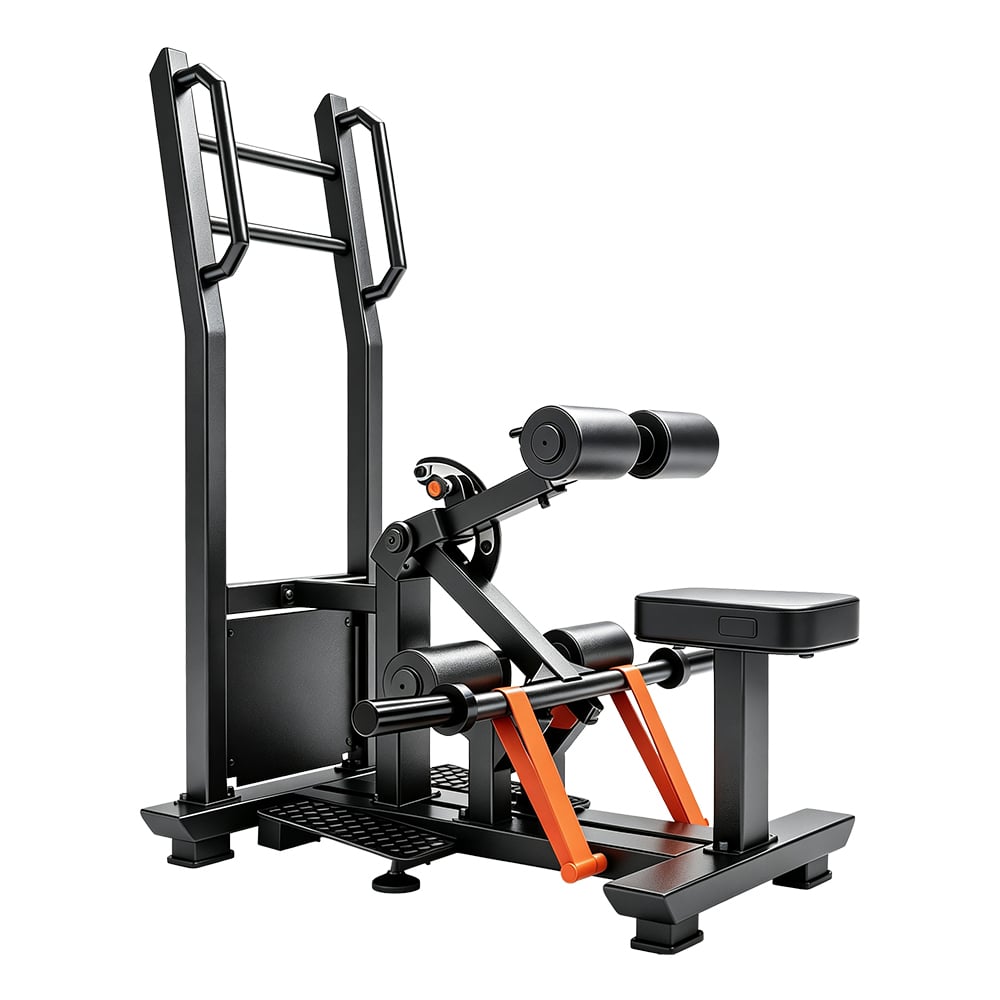
Navigating the complexities of selecting fitness equipment as a distributor involves careful consideration of specifications, cost factors, and potential problems. By applying these insights, you can make strategic purchasing decisions that enhance your product offerings and support your business's growth in the fitness industry. Additionally, consider incorporating products like the BM1014 Abdominal Trainer into your offerings to cater to a wider audience.

How to Choose the Right Fitness Equipment for Your Wholesale Needs

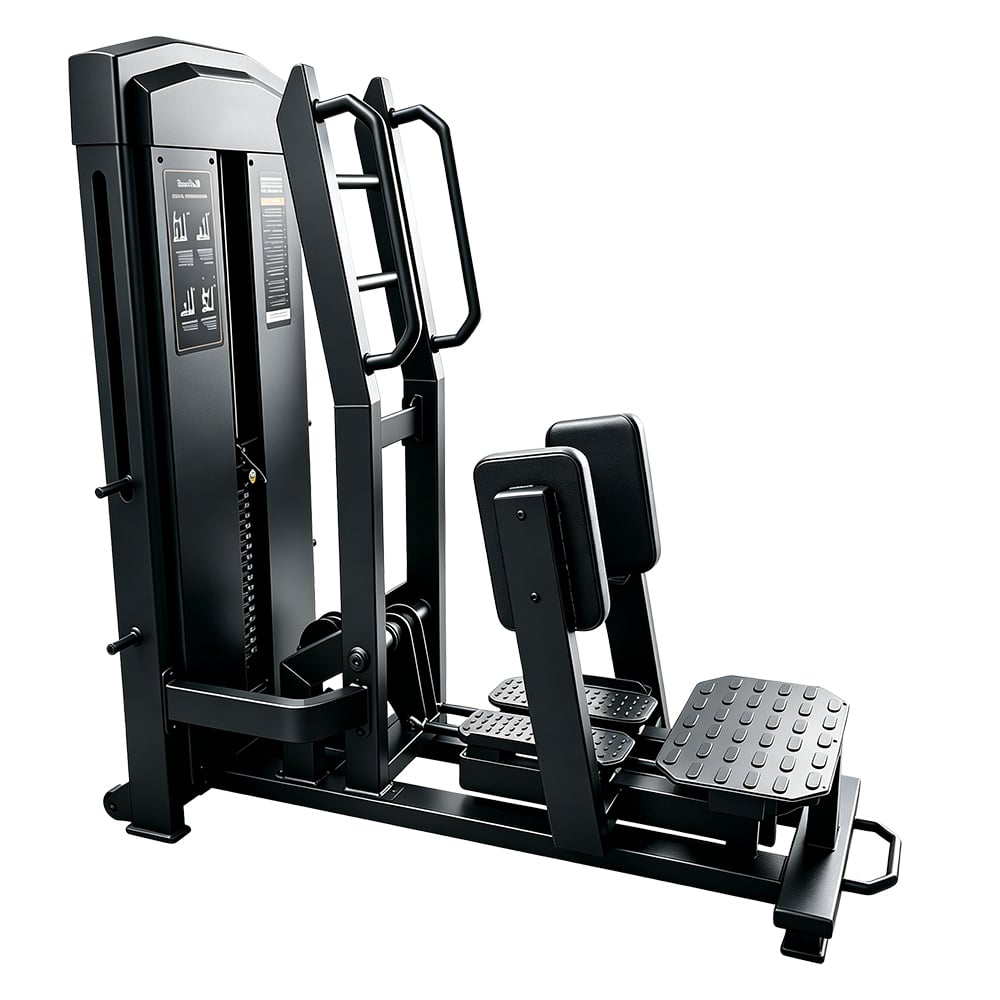
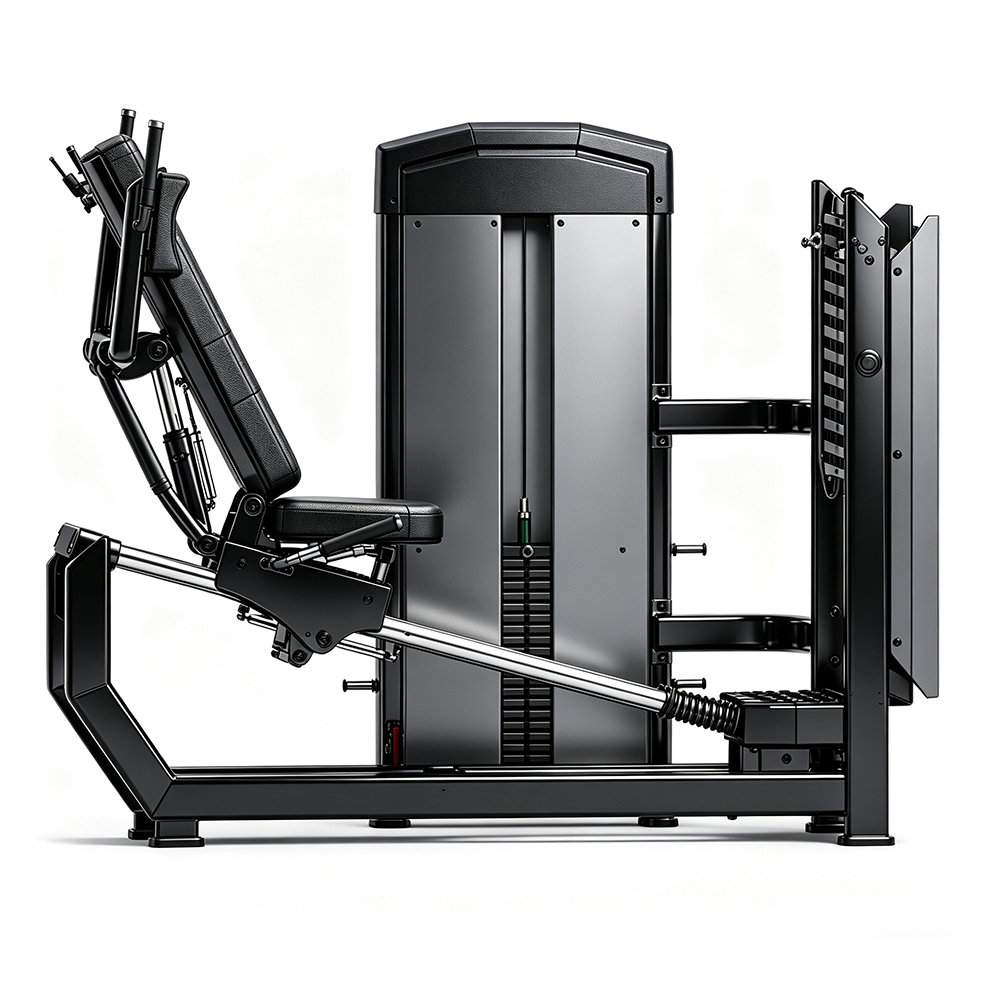
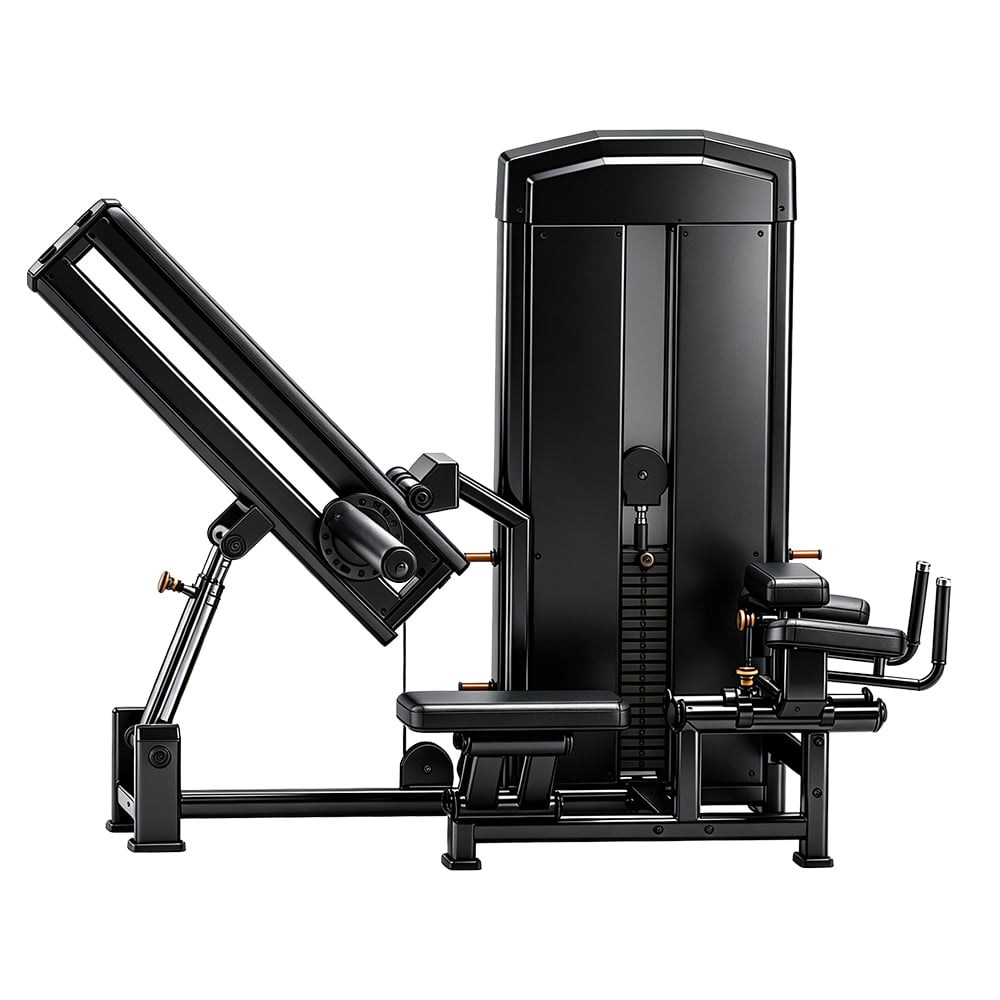
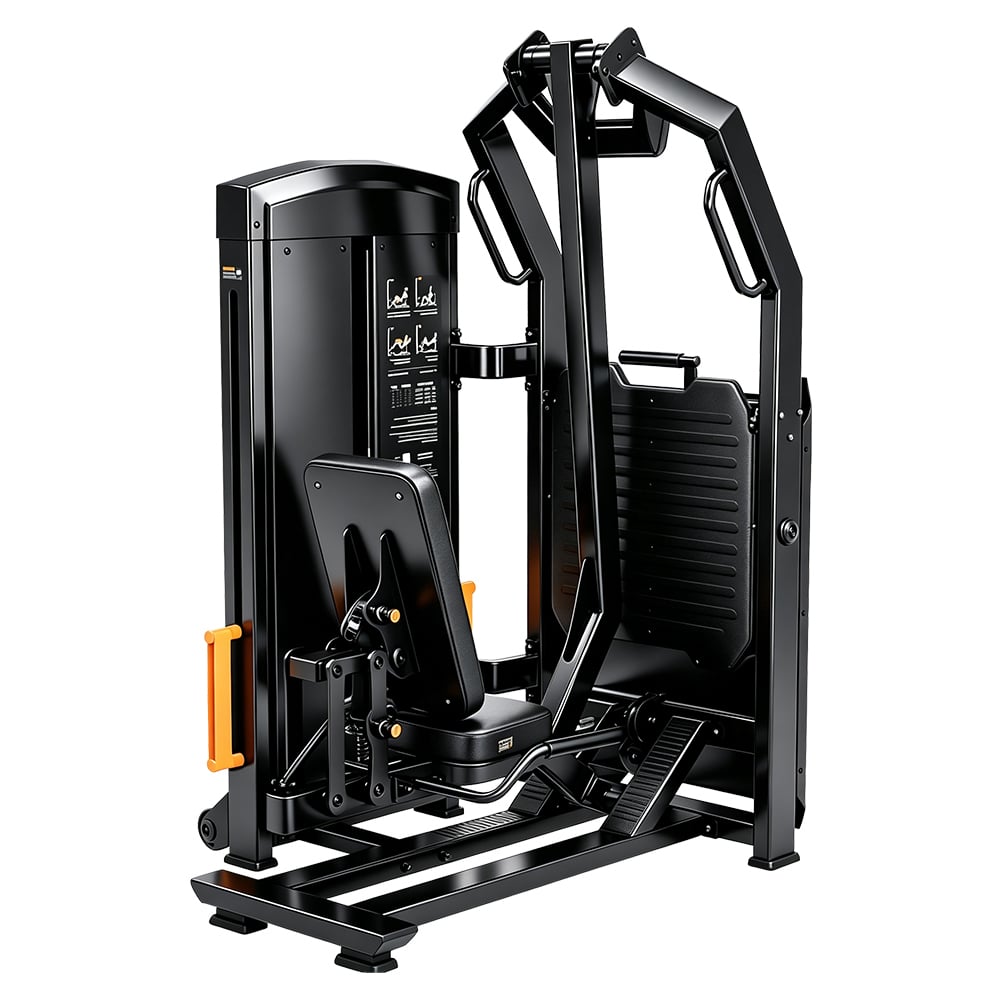
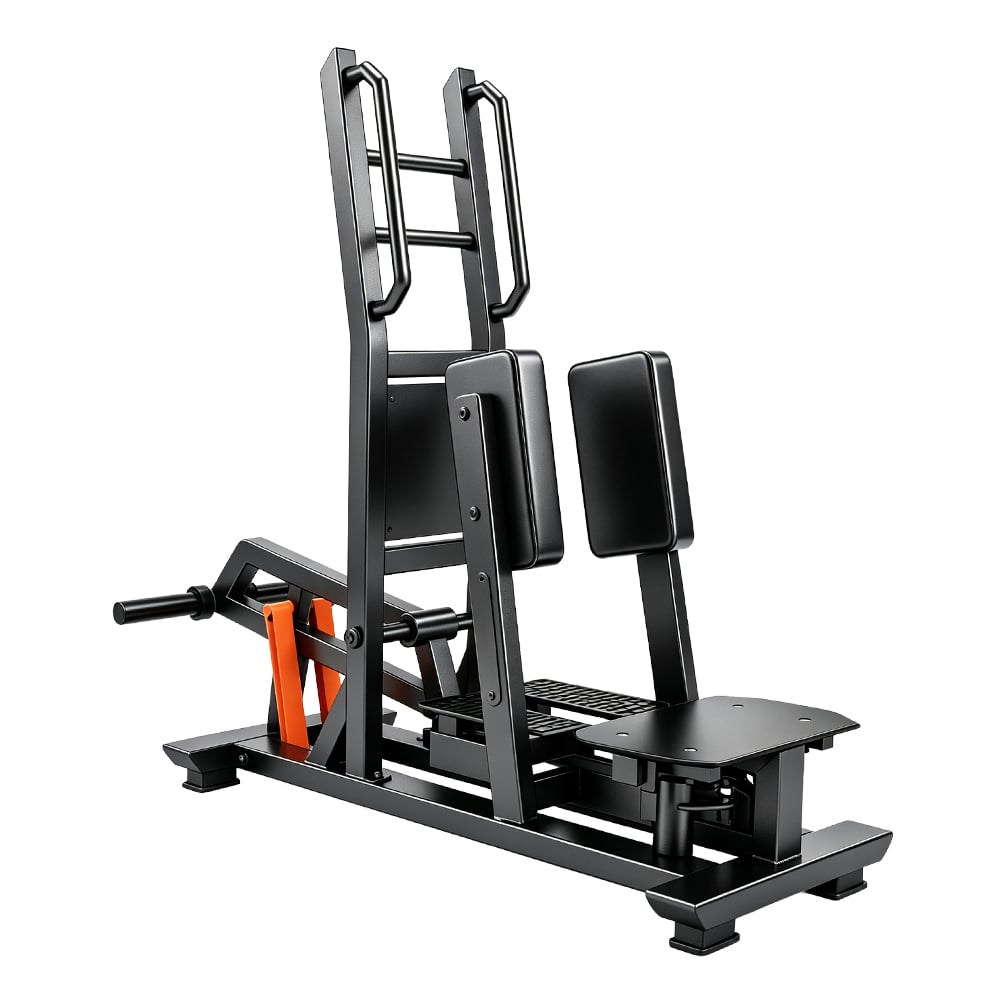
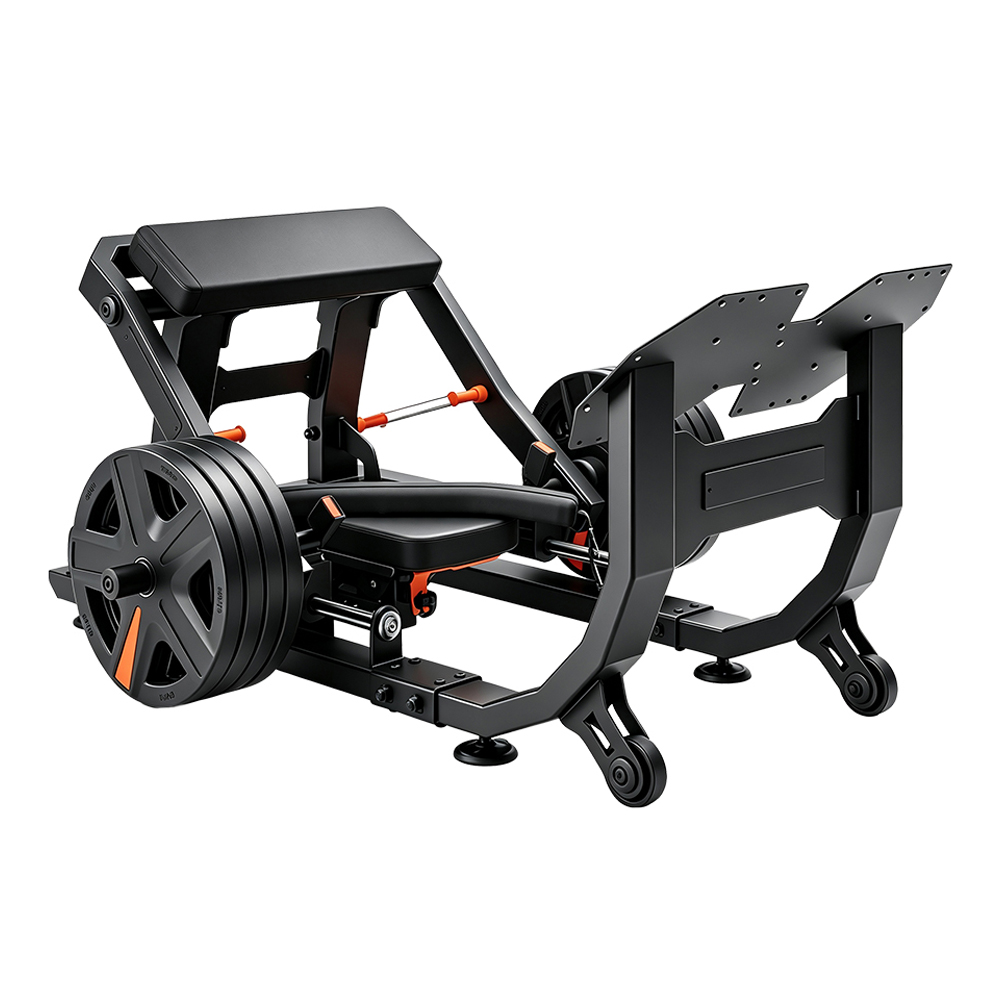
When selecting fitness equipment for wholesale distribution, consider the specific requirements of your target market, such as commercial gyms, home fitness enthusiasts, or rehabilitation centers. It’s essential to evaluate the type of equipment that aligns with your customers' needs—whether it’s cardio machines, strength training equipment, or multifunctional gym systems. For instance, products like the BD1001 Standing Hip Thruster can be a great addition for strength training.

Additionally, take into account the brand reputation and quality assurance provided by the manufacturer. For instance, at XiaoKe Fitness Technology Co., Ltd., our integrated approach to R&D, design, and production ensures that all equipment meets high standards of quality and performance. This is vital in fostering customer trust and securing repeat business. Remember, investing in quality equipment can reduce returns and enhance customer satisfaction.

Get a Free Quote

Our representative will contact you soon.
0/1000